French Veloute Sauce: Step-by-Step Instructions
On this page
Pro Tips for Better Results
Use a clean whisk to keep the sauce silky; a metal whisk is best for heat. Stir constantly after adding the wine to prevent it from burning. Deglaze the pan with wine before adding broth to capture browned flavors. If the sauce thickens too quickly, add a splash of broth to thin it. Finish with a touch of lemon juice to brighten the taste and add a subtle zing. Keep the heat low once the roux is added to avoid scorching the butter. A gentle simmer allows the flour to cook through without developing a nutty flavor. When adding the cream, do so slowly to prevent curdling. Taste the sauce frequently and adjust seasoning to keep the balance of richness and acidity.Instructions
- Melt the butter in a medium saucepan over medium heat until it foams but does not brown, then stir in the flour to form a roux; cook for about 1 minute to eliminate raw flour taste. The butter’s fat helps the flour absorb moisture, creating a smooth base. Keep the mixture moving to prevent the roux from sticking to the bottom of the pan. This short cooking period develops a pale, neutral flavor that will carry the sauce’s other components.
- Slowly whisk in the dry white wine, allowing it to evaporate for 30 seconds; this deglazes the pan and adds acidity that brightens the sauce. The wine’s acidity cuts through the richness of the butter and flour, preventing the sauce from feeling heavy. Whisk vigorously to integrate the wine and avoid lumps. The wine also carries a subtle fruitiness that enhances the overall depth.
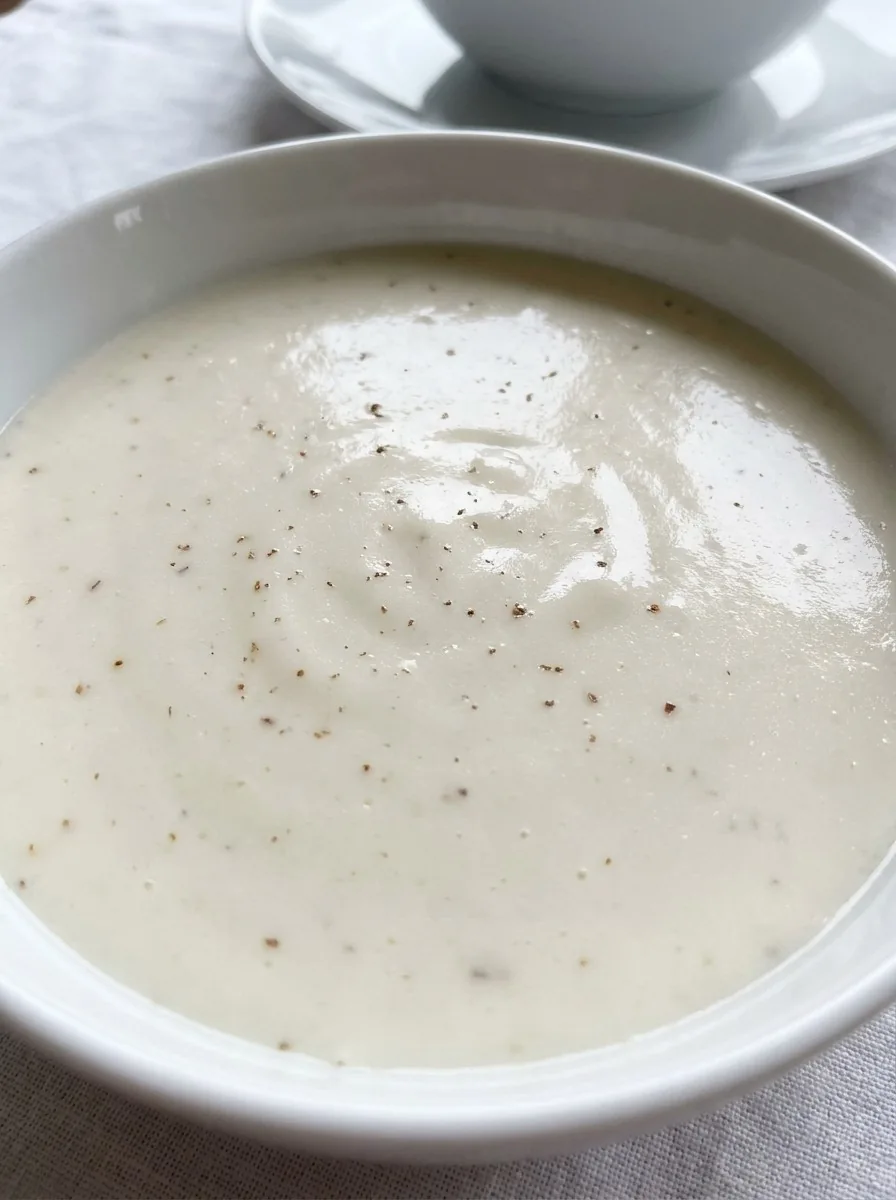
- Gradually pour in the chicken broth, whisking continuously to keep the mixture smooth; the broth provides the veloute’s body and flavor. Adding the broth slowly allows the roux to absorb liquid gradually, preventing sudden thickening. Stir the sauce until it begins to thicken and a glossy sheen appears. This step is critical for achieving a velvety consistency without clumps.
- Bring the mixture to a gentle simmer, stirring until it thickens slightly; this step develops the sauce’s silky texture. A gentle simmer allows the flour proteins to gelatinize, giving the sauce body. Avoid a rolling boil, which can cause the sauce to separate. As the sauce thickens, you’ll notice it coats the back of a spoon.
- Reduce the heat to low and stir in the heavy cream, ensuring the sauce remains glossy; the cream adds richness and smoothness. Adding the cream at a lower temperature prevents curdling and maintains the sauce’s silkiness. Whisk the cream in slowly, allowing it to blend seamlessly with the broth. The cream’s fat content also helps carry the flavors of the seasoning.
- Season with salt and white pepper, tasting as you go; seasoning balances the richness and enhances overall flavor. Salt draws out moisture from the roux, improving the sauce’s body, while white pepper provides a subtle heat without dark specks. Adjust the seasoning gradually; over‑salting can make the sauce taste flat.
- Add the lemon juice and stir; the acidity cuts through the cream, preventing the sauce from feeling heavy. Lemon juice also brightens the flavor profile, making the sauce feel lighter. Stir the sauce for a few seconds to distribute the acidity evenly. If the sauce feels too sharp, add a pinch more cream.
- Finish with chopped parsley for color and freshness; this herb adds a bright note and visual appeal. Parsley also offers a mild peppery flavor that complements the other seasonings. Stir in the parsley just before serving to preserve its vibrant color and aroma. The fresh herb enhances the sauce’s overall freshness.
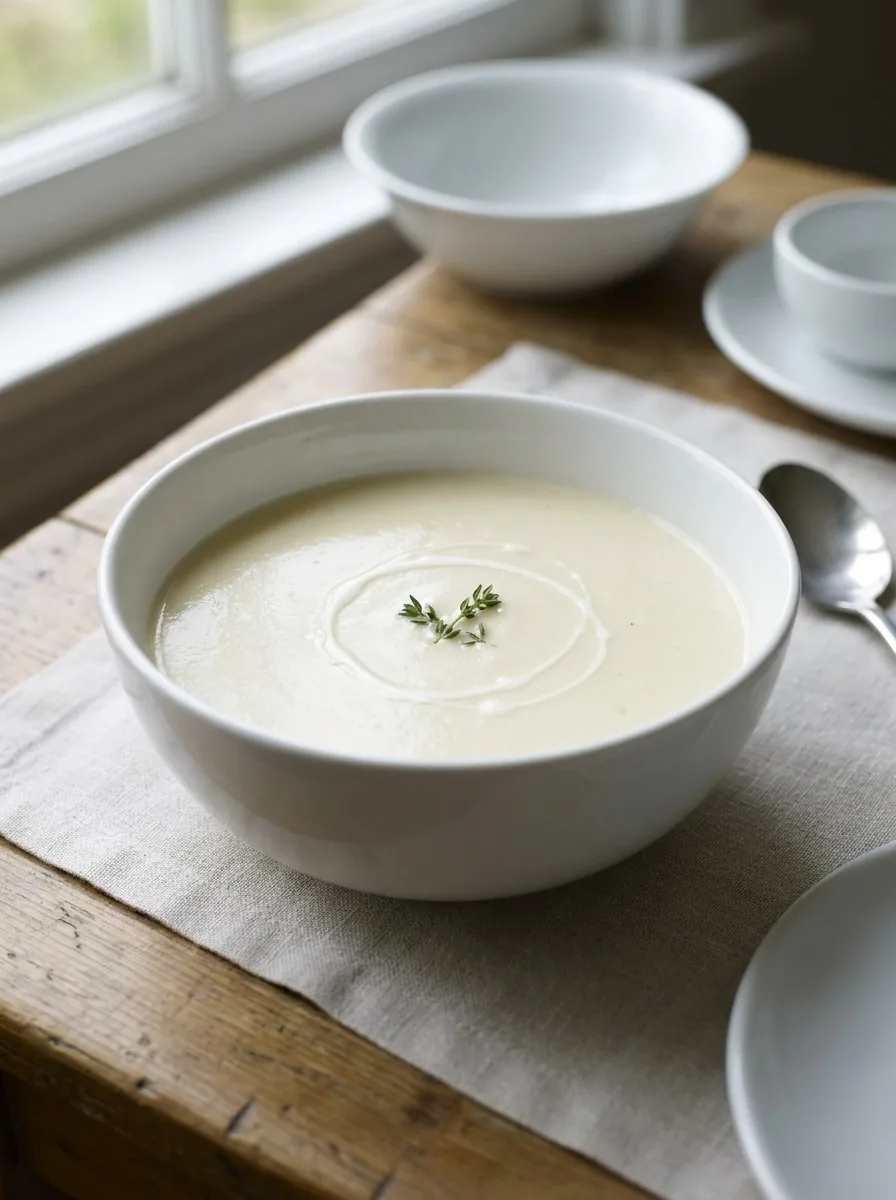
- Strain the sauce through a fine mesh sieve into a clean bowl to remove any lumps, then serve immediately warm or let cool for a cold sauce. Straining ensures the sauce is silky smooth, free of any cooked flour bits. Serve the sauce warm over roasted chicken or fish, or let it cool and refrigerate for a chilled sauce that pairs wonderfully with salads. Reheat gently over low heat, whisking frequently, to restore its original texture.
Recipe Variations
Swap chicken broth for vegetable or fish stock for a lighter version. Add a splash of cognac or brandy for depth. Infuse the sauce with a pinch of nutmeg or a small bay leaf during simmering. For a vegan version, replace butter with olive oil and cream with coconut milk or cashew cream. You can also incorporate sautéed shallots or garlic into the roux for a more aromatic base. Adjust the acidity by adding more lemon juice or a splash of white wine vinegar if desired.Serving Ideas
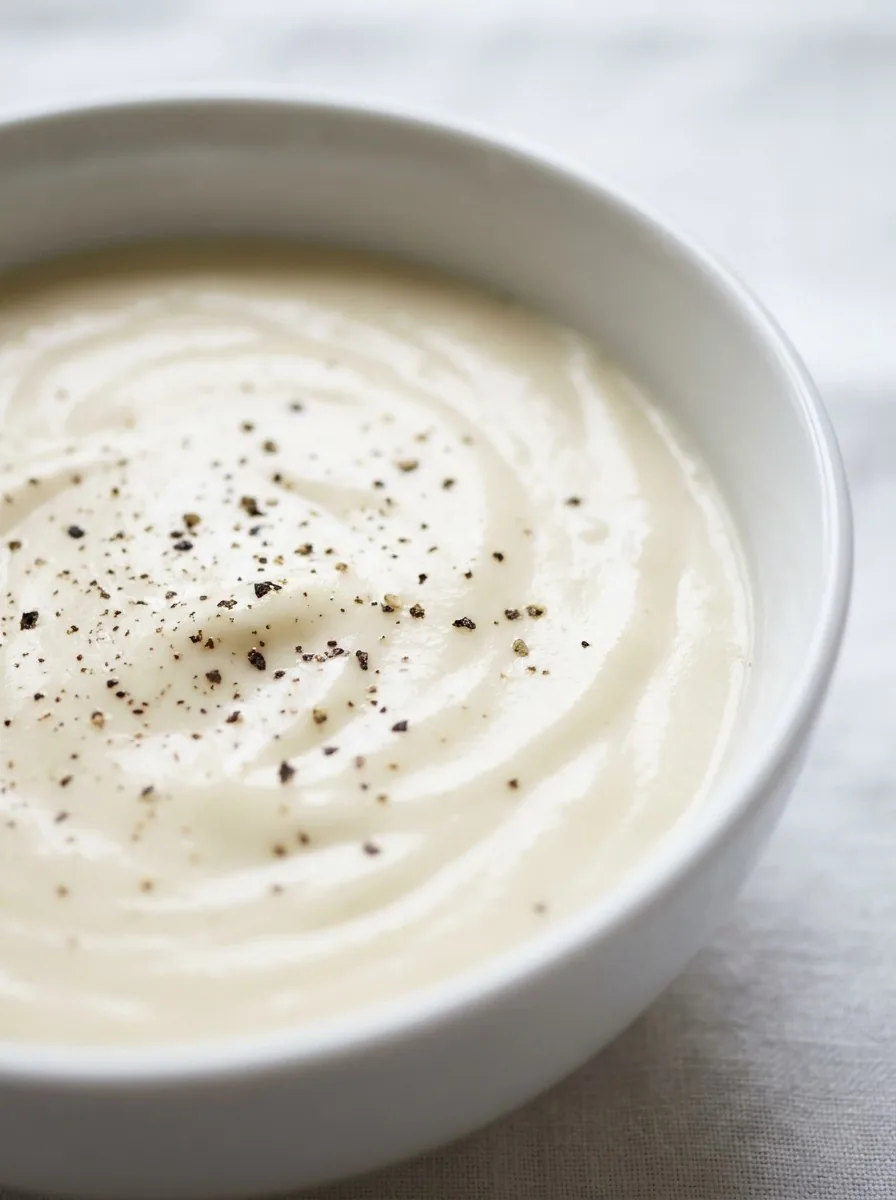
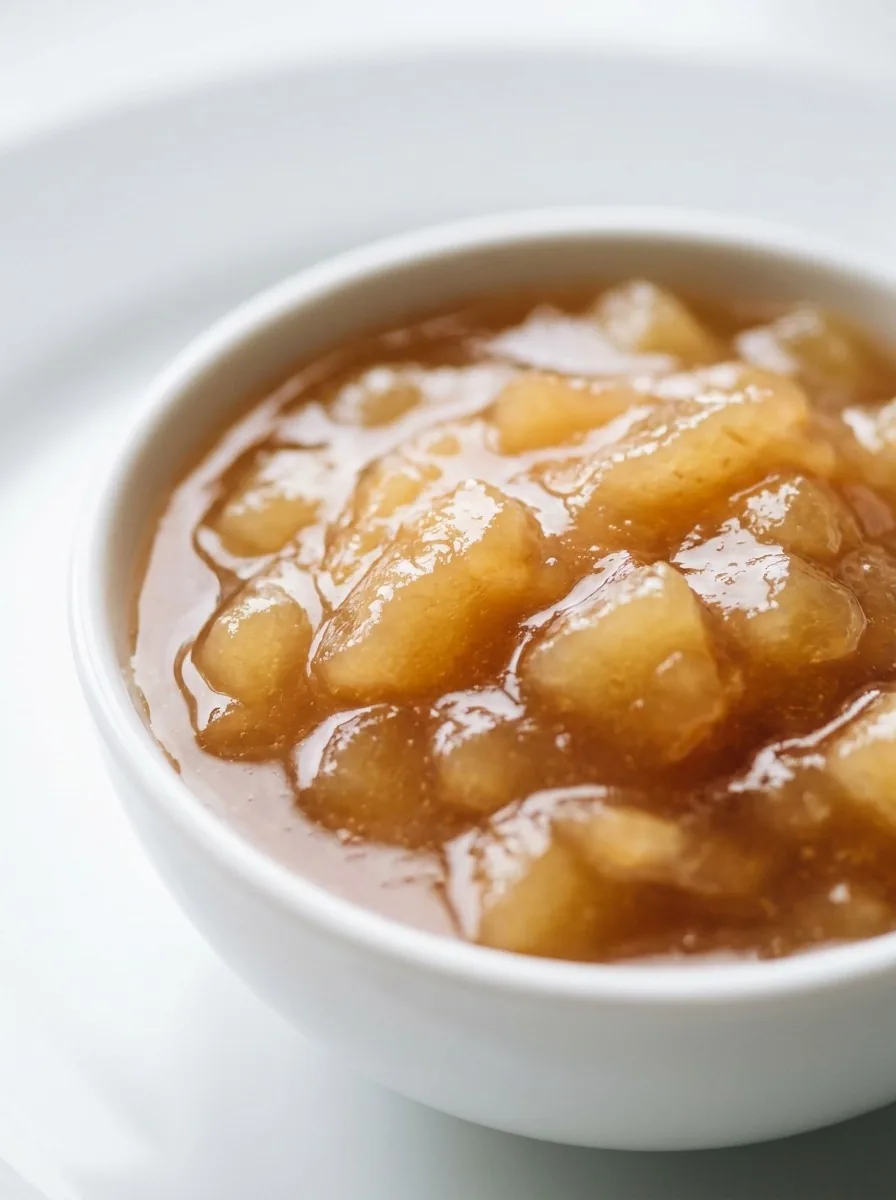
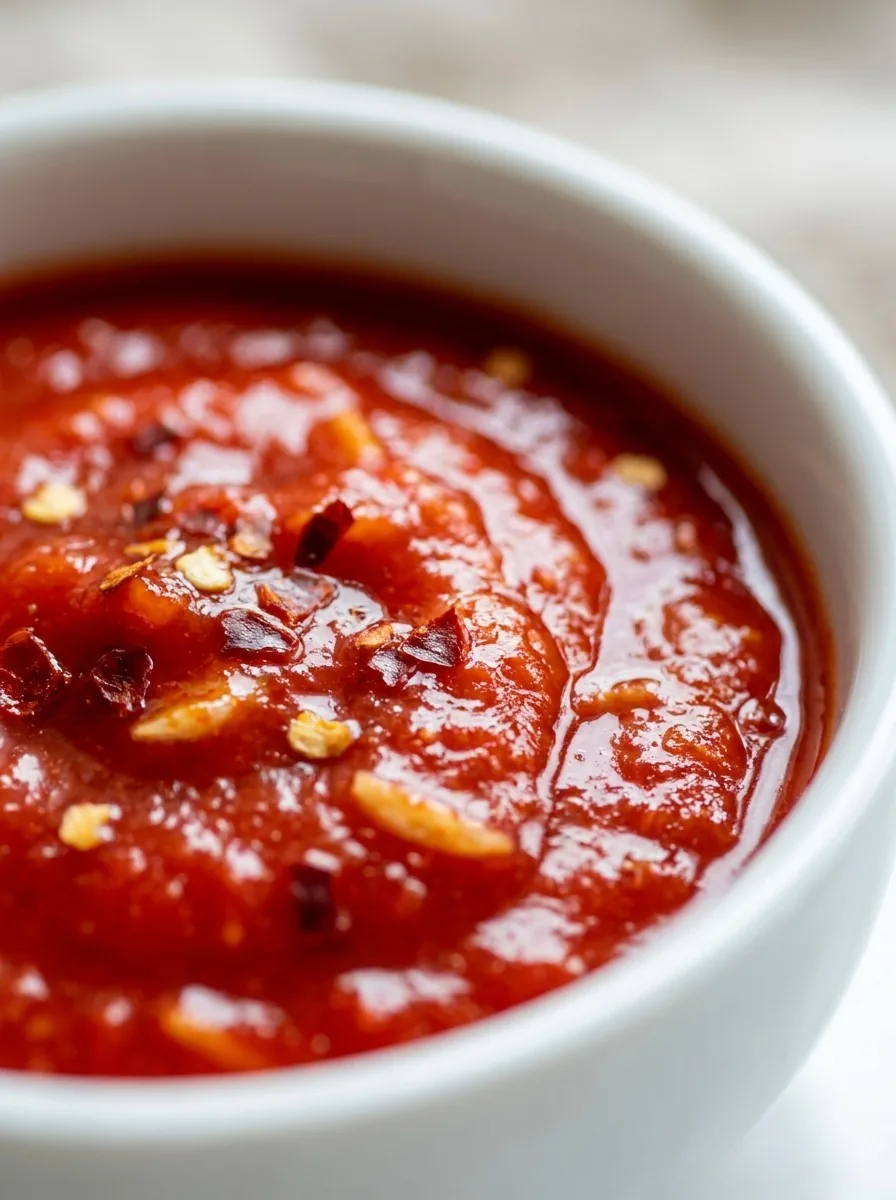
Pour over roasted chicken breasts or thighs for a classic pairing. Drizzle onto seared salmon or trout for a glossy finish. Use as a sauce for sautéed mushrooms and asparagus. Chill the sauce and serve over a crisp salad with a vinaigrette dressing for a refreshing contrast. Pair the sauce with a creamy risotto or a simple pasta dish for a comforting meal. It also works beautifully as a dipping sauce for crusty bread or as a topping for baked potatoes.If you like making sauces from scratch, try our alfredo sauce, arrabbiata sauce, bbq sauce and bearnaise sauce next.
Keeping It Fresh
Store the sauce in an airtight container in the refrigerator for up to 3 days. Reheat gently over low heat, whisking frequently, and add a splash of milk or cream to restore silky texture. For long‑term storage, freeze in portions; thaw and reheat with a few tablespoons of cream. When reheating, avoid boiling, which can cause the sauce to separate. If the sauce thickens after refrigeration, thin it with a little broth or milk until the desired consistency is restored.Wrapping Up
This veloute is a foundation for countless French dishes and can be adapted to suit any palate. Its quick preparation makes it a reliable choice for weeknight meals or elegant dinner parties alike. By mastering the roux and the gentle simmer, you’ll achieve a sauce that is both smooth and flavorful. Enjoy experimenting with variations and serving it in ways that highlight its versatility. Whether you use it to elevate a simple roast or to create a gourmet entrée, this sauce will bring a touch of French sophistication to your table. Remember that the key to success lies in patience, consistent stirring, and a willingness to adjust seasoning as you taste.Frequently Asked Questions
How long does the sauce keep in the fridge?
It stays fresh for up to 3 days when stored in an airtight container, but always check for off odors before serving.
Can I make it ahead of time?
Yes, make it up to 48 hours in advance; reheat gently with a splash of milk or cream to restore its silky texture.
What if the sauce thickens too much?
Thin it with a little broth or milk until the desired consistency is reached, and reheat gently to maintain a smooth mouthfeel.
Is it possible to make a vegan version?
Replace butter with olive oil and cream with coconut milk or cashew cream for a dairy‑free option that still delivers richness.
How can I prevent lumps?
Whisk continuously after adding wine and strain the sauce through a fine mesh sieve before serving to ensure a perfectly smooth sauce.
◆ ◆ ◆
← Back to ingredientsGet new sauce recipes
One tasty homemade sauce in your inbox each week. No spam, unsubscribe anytime.
Comments (12)