Simple Homemade Tomato Sauce: Step-by-Step Instructions
On this page
Pro Tips for Better Results
For a smoother texture, blend the sauce with an immersion blender after it has rested; this step is optional but yields a velvety finish. If you prefer a chunkier sauce, simply skip the blending and serve as is. Use a heavy‑bottomed saucepan to avoid hot spots that can cause scorching. When the sauce looks too thick, thin it with a splash of water or a little extra olive oil; this also helps to release any stuck‑on bits, which are packed with flavor.
Another tip is to toast the dried herbs briefly with the onion; this awakens their essential oils and deepens the aromatic profile. Finally, always taste before serving and adjust salt or pepper at the end, because the flavor concentrates as the sauce reduces.
Instructions
- Heat the olive oil in a medium saucepan over medium heat until shimmering, which helps to release the flavor of the aromatics.
- Add the diced onion and sauté for 3–4 minutes, stirring occasionally, until the onion becomes translucent and begins to soften.
- Stir in the minced garlic and cook for another 30 seconds, being careful not to let it brown, which would add bitterness.
- Pour in the crushed tomatoes, breaking any large pieces with the back of a spoon, and bring the mixture to a gentle simmer.
- Season the sauce with salt, pepper, oregano, basil, and red‑pepper flakes if using, then stir to distribute the spices evenly.
- Reduce the heat to low and let the sauce simmer uncovered for 12–15 minutes, allowing the flavors to meld and the sauce to thicken slightly.
- Taste the sauce and add a teaspoon of sugar if the acidity feels too sharp, then adjust seasoning with more salt or pepper as needed.
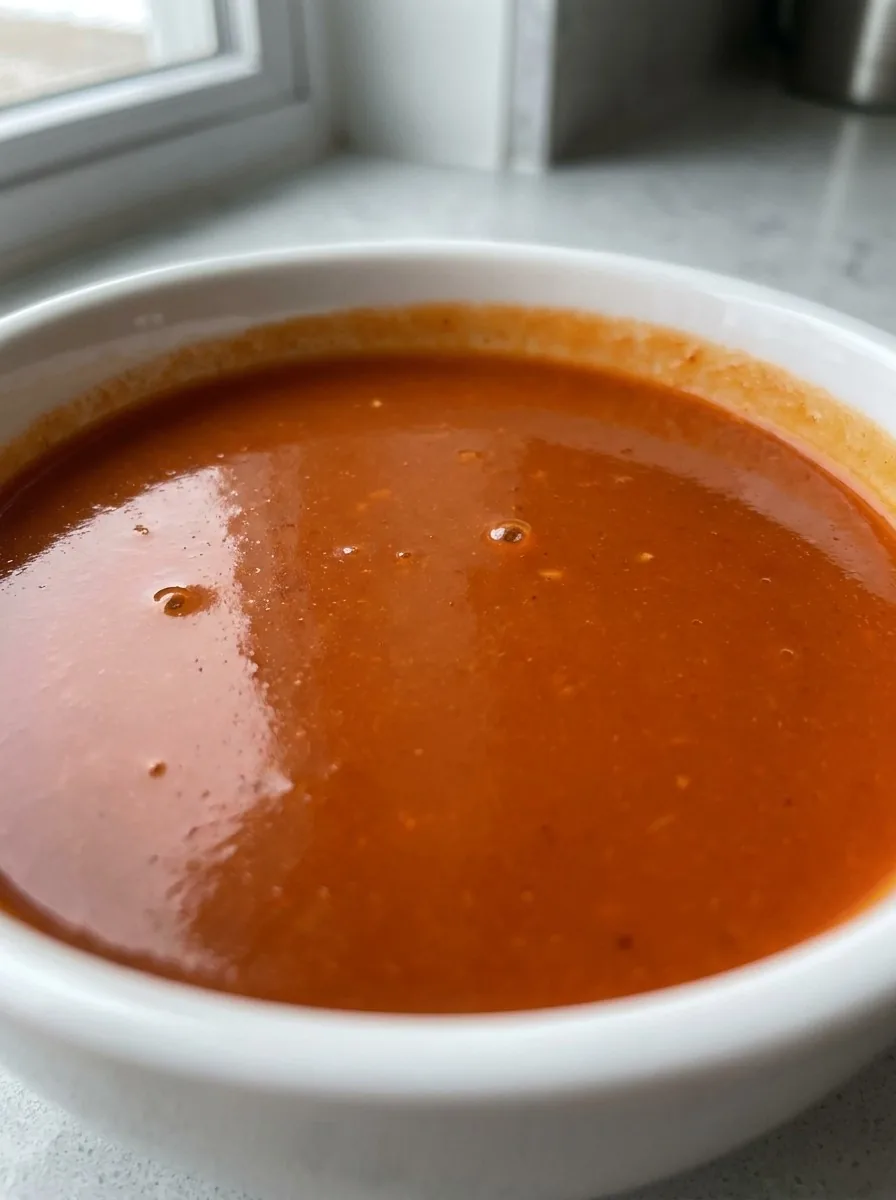
- Remove the pan from the heat and let the sauce rest for a couple of minutes; this makes it easier to blend if a smoother texture is desired.
- Serve the sauce warm over pasta, pizza, or let it cool to room temperature for use as a dip or in cold salads; store any leftovers in an airtight container.
Recipe Variations
If you enjoy a smoky flavor, add a half teaspoon of smoked paprika or a splash of chipotle adobo sauce during the simmering stage. For a richer mouthfeel, stir in a tablespoon of butter or a drizzle of heavy cream just before removing the sauce from heat. Vegetarians can boost nutrition by mixing in finely chopped carrots or bell peppers with the onion; these vegetables soften quickly and blend seamlessly into the sauce.
Seasonal twists are also easy: a handful of fresh oregano in spring, or a spoonful of roasted red‑pepper puree in the fall, can transform the basic recipe while keeping preparation time under twenty minutes.
Serving Ideas
Warm this sauce over al dente spaghetti and finish with a sprinkle of grated Parmesan and fresh basil for a classic dinner. Spread a thin layer on pizza dough before adding cheese and toppings for a quick, restaurant‑style pie. Use it as a dip for mozzarella sticks, garlic bread, or raw vegetable sticks for a light appetizer. Chill the sauce and toss it with cooked quinoa, cherry tomatoes, and olives for a refreshing cold salad that works well for picnics.
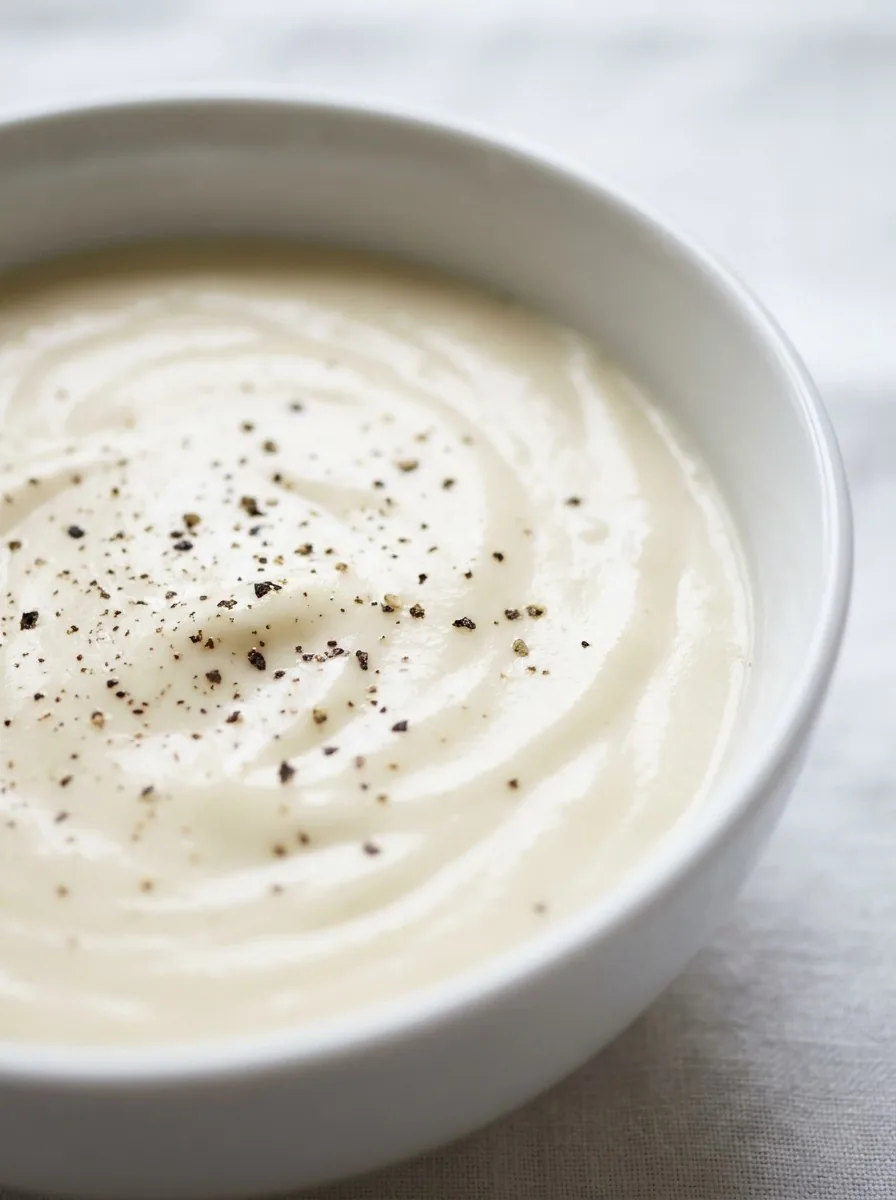
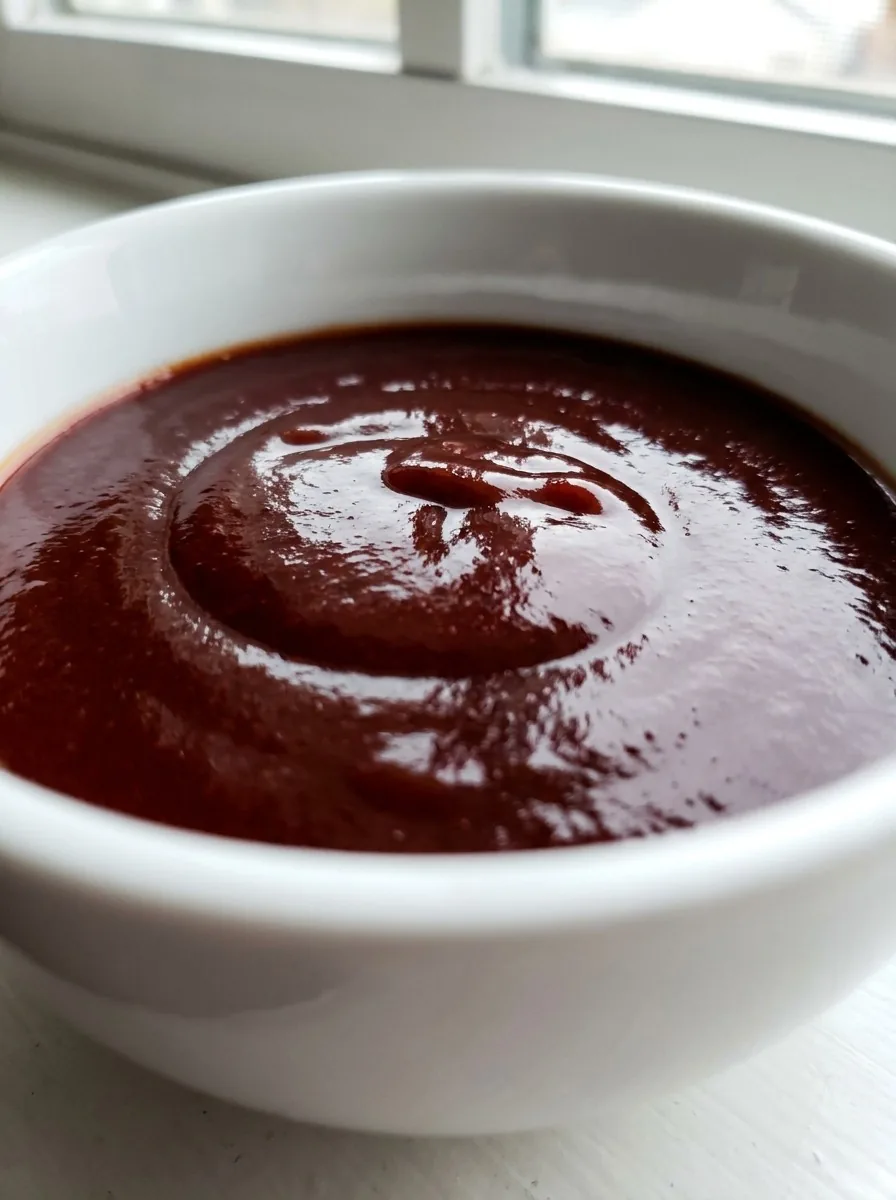
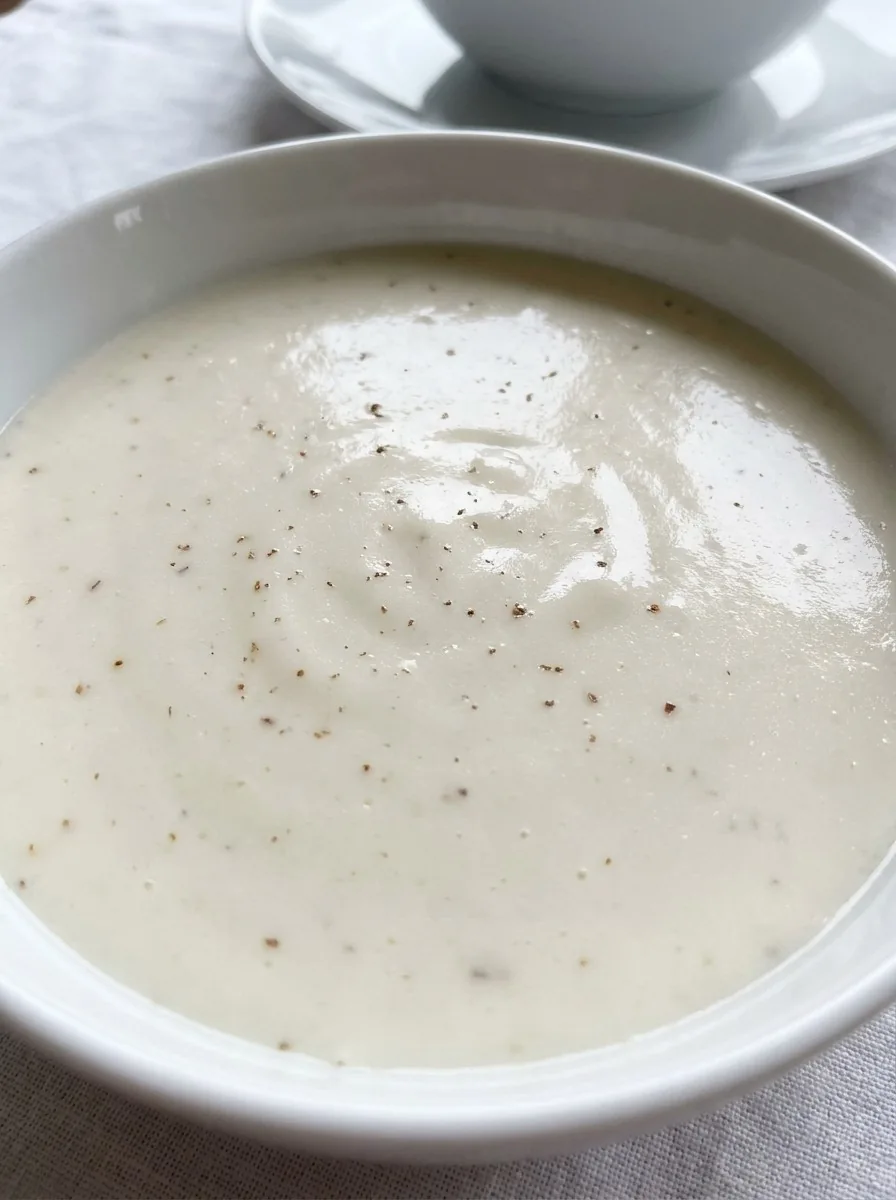
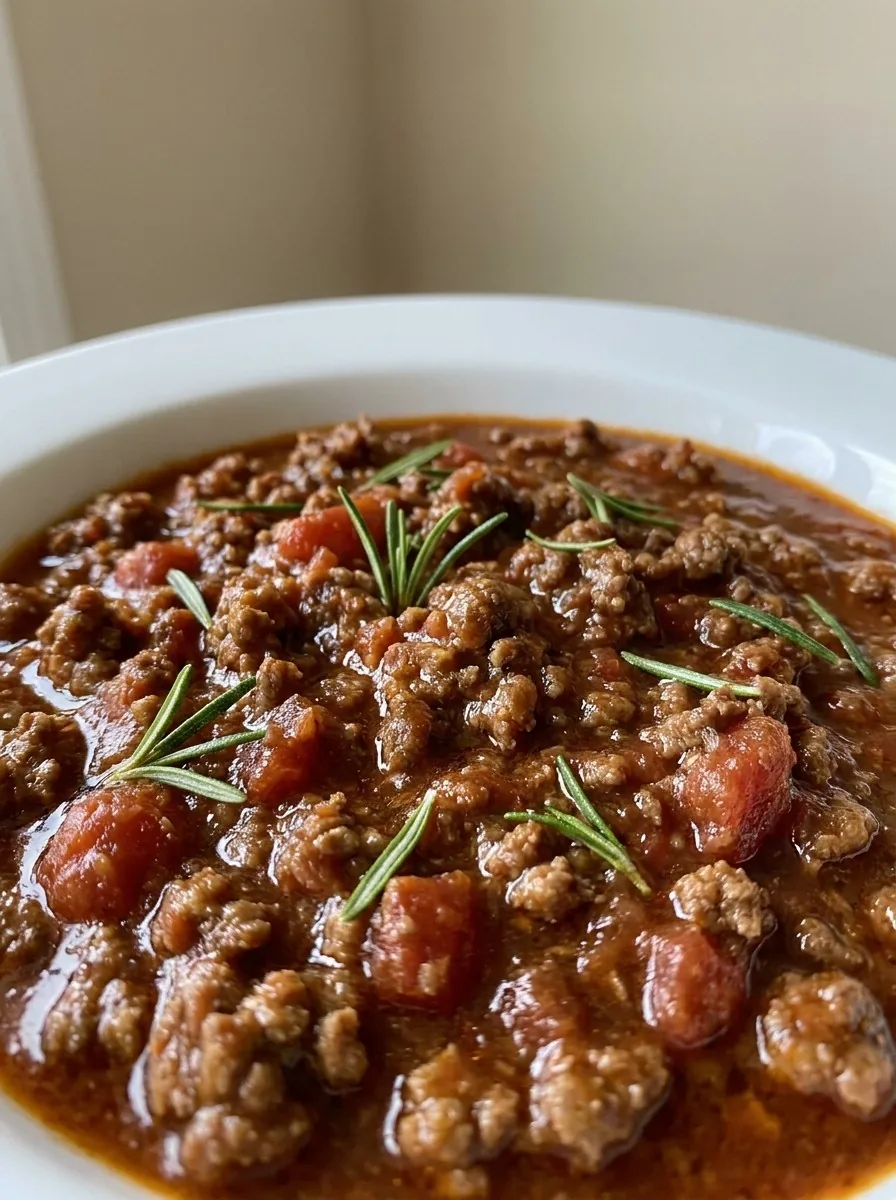
If you like making sauces from scratch, try our alfredo sauce, arrabbiata sauce, bbq sauce and bechamel white sauce next.
Keeping It Fresh
Store the sauce in a clean glass jar with a tight‑fitting lid; refrigeration slows bacterial growth and preserves flavor for up to five days. For longer storage, portion the sauce into freezer‑safe bags, flatten them for easy stacking, and label with the date. When reheating, do so gently over low heat to prevent the oil from separating and the sauce from developing a cooked‑off taste.
Wrapping Up
This simple homemade tomato sauce proves that great flavor doesn’t require a long list of exotic ingredients or hours of simmering. By mastering the basic technique outlined here, you gain a versatile foundation that can be adapted to countless dishes, from classic pasta meals to inventive salads and snacks. Keep the pantry staples stocked, follow the timing cues, and you’ll have a reliable, delicious sauce ready whenever the craving strikes.
Enjoy experimenting with the variations, and remember that the best sauces are those that reflect your personal taste. Happy cooking!
Frequently Asked Questions
Can I use fresh tomatoes instead of canned?
Yes, blanch, peel, and crush about 2 pounds of ripe tomatoes; the cooking time remains the same, though the sauce may be slightly lighter in color.
How long will the sauce keep in the refrigerator?
Stored in a sealed container, it stays fresh for up to 5 days; reheat gently to preserve flavor.
Is it safe to freeze this sauce?
Absolutely. Freeze in portion‑size bags for up to 3 months; thaw overnight in the fridge before reheating.
What if I don’t have dried herbs on hand?
Fresh herbs work well; use about three times the amount of fresh basil or oregano and add them toward the end of cooking to retain their bright flavor.
Can I make this sauce completely sugar‑free?
Yes, omit the sugar; the natural sweetness of the tomatoes usually balances the acidity, especially if you use a low‑acid variety.
◆ ◆ ◆
← Back to ingredientsGet new sauce recipes
One tasty homemade sauce in your inbox each week. No spam, unsubscribe anytime.
Comments (18)