Pineapple Teriyaki Sauce: Step-by-Step Instructions
On this page
Pro Tips for Better Results
To maximize flavor, use fresh-grated ginger rather than powdered. Fresh ginger has a bright, spicy kick that fades quickly if cooked too long, so add it near the start but do not boil it for hours. When making the cornstarch slurry, use ice-cold water to prevent the starch from cooking prematurely before it hits the saucepan. Always stir continuously after adding the slurry to avoid forming clumps that are difficult to break down. If the sauce seems too thin after cooling, you can thicken it further by heating it with a teaspoon of additional cornstarch mixed with water. Finally, don't skip the sesame oil; it adds a nutty aroma that complements the tropical notes of the pineapple.Instructions
- Combine the pineapple juice, soy sauce, mirin, brown sugar, rice vinegar, and sesame oil in a medium saucepan over medium heat, stirring until the sugar is completely dissolved to ensure a smooth base.
- Add the minced garlic and grated ginger to the simmering liquid, allowing them to cook for two minutes to release their aromatic oils and infuse the sauce with depth.
- In a small bowl, whisk together the cornstarch and 2 tablespoons of cold water to create a slurry, which prevents clumping when added to the hot liquid.
- Pour the cornstarch slurry into the saucepan while stirring continuously, which helps the starch granules disperse evenly and begin to thicken the mixture.
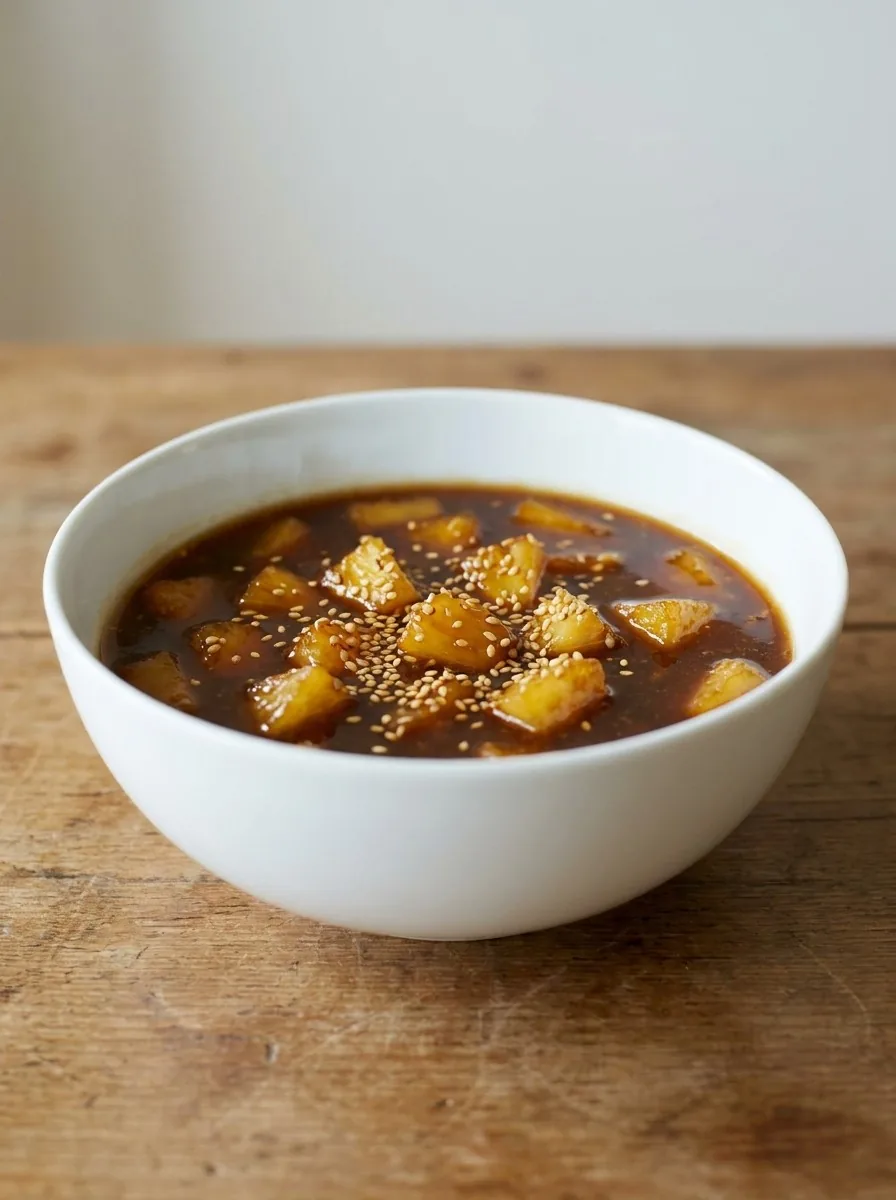
- Let the sauce simmer gently for five to seven minutes, stirring occasionally, until it reduces slightly and coats the back of a spoon, indicating the proper viscosity for glazing.
- Remove the pan from the heat and stir in the ground black pepper, adding a subtle warmth that balances the sweetness of the pineapple and sugar.
- Taste the sauce and adjust the seasoning by adding a splash more rice vinegar if it needs more acidity or a pinch more sugar if it tastes too sharp.
- Transfer the hot sauce to a heat-proof bowl and let it cool to room temperature, during which time it will continue to thicken slightly as it sets.
- Refrigerate the sauce in an airtight container until ready to use, or keep it at room temperature for up to two hours if serving immediately.
- Serve the sauce warm over grilled proteins or chilled as a dipping sauce, garnishing with toasted sesame seeds for added texture and visual appeal.
Recipe Variations
For a spicier version, add a teaspoon of red pepper flakes or a few drops of sriracha during the simmering stage. This heat contrasts beautifully with the sweetness of the pineapple. If you prefer a darker, more robust color and flavor, replace half of the soy sauce with tamari or a mixture of soy sauce and a splash of balsamic vinegar. For a nuttier profile, blend in a tablespoon of ground peanuts or almond butter until smooth. You can also experiment with different fruits by swapping half the pineapple juice for mango or peach nectar, which creates a unique tropical twist on the classic teriyaki profile.Serving Ideas
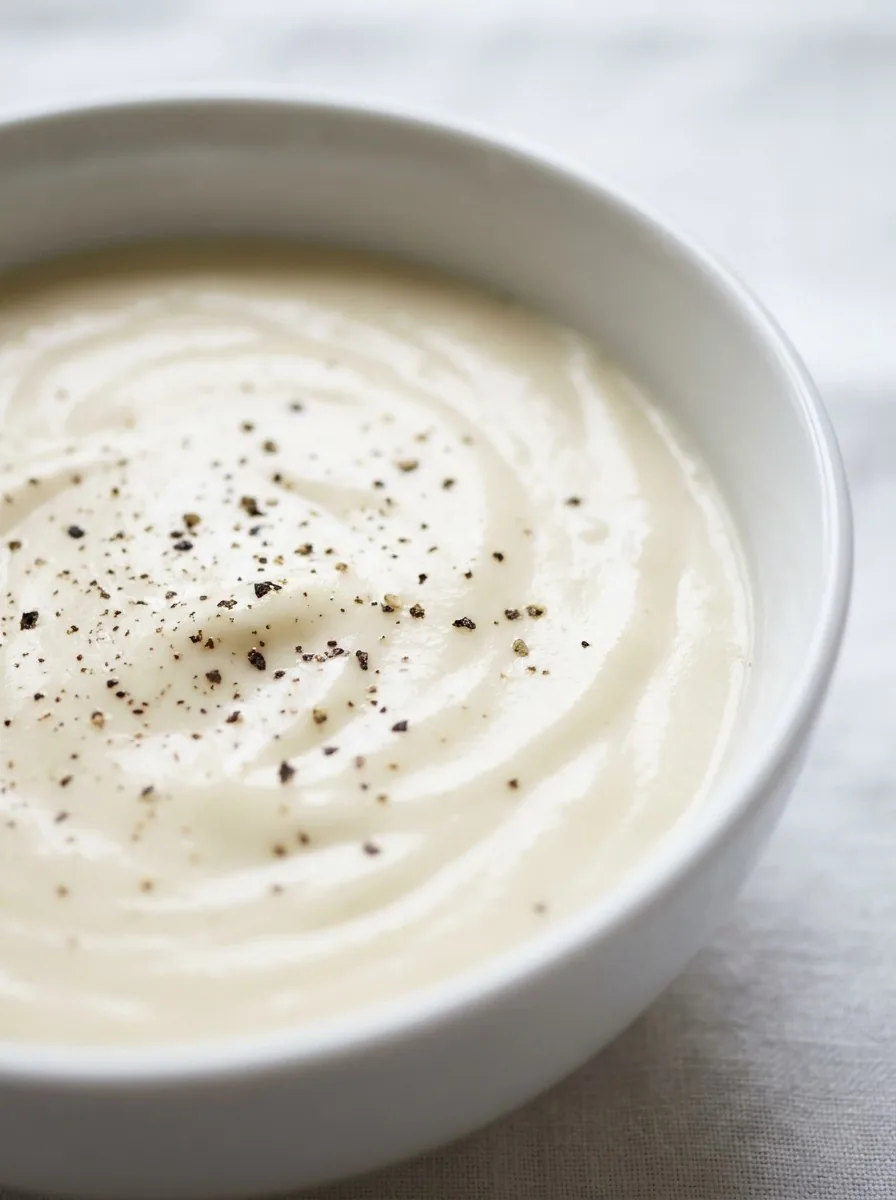
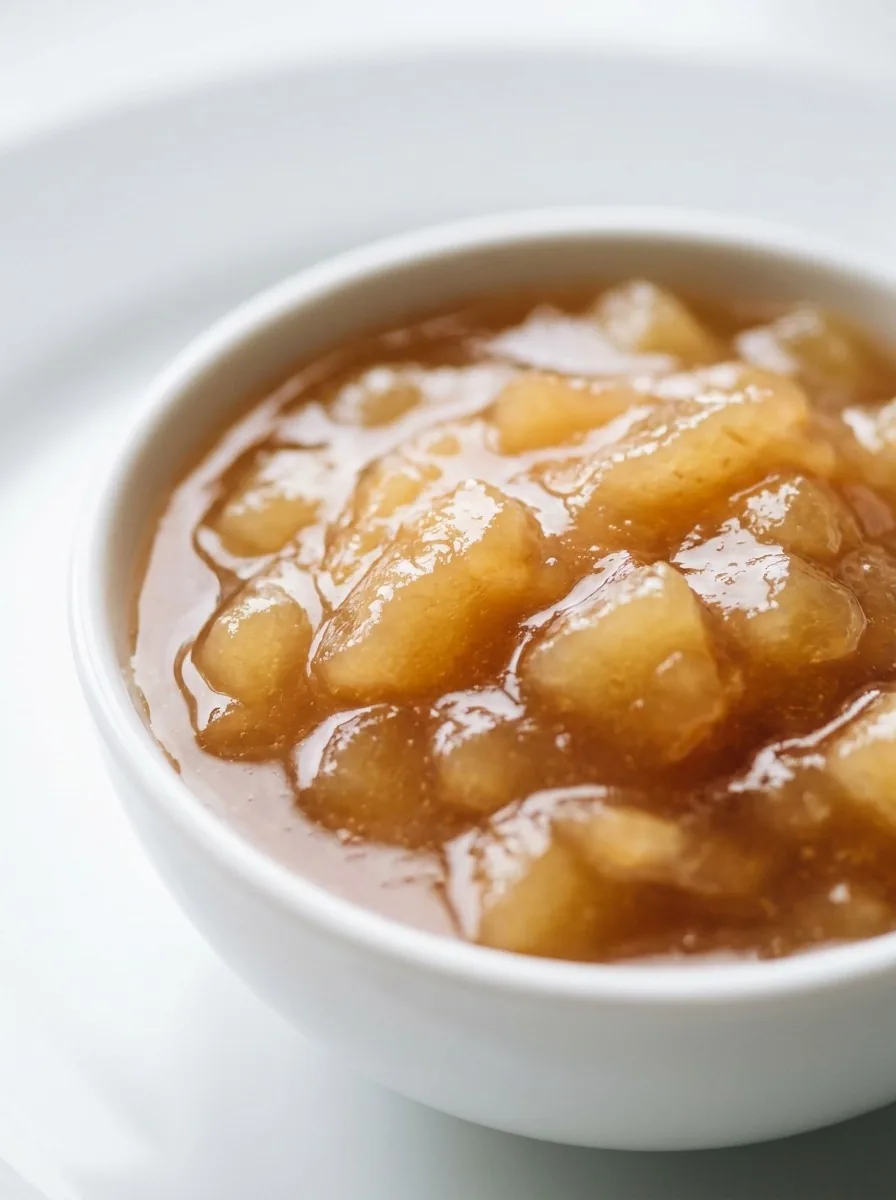
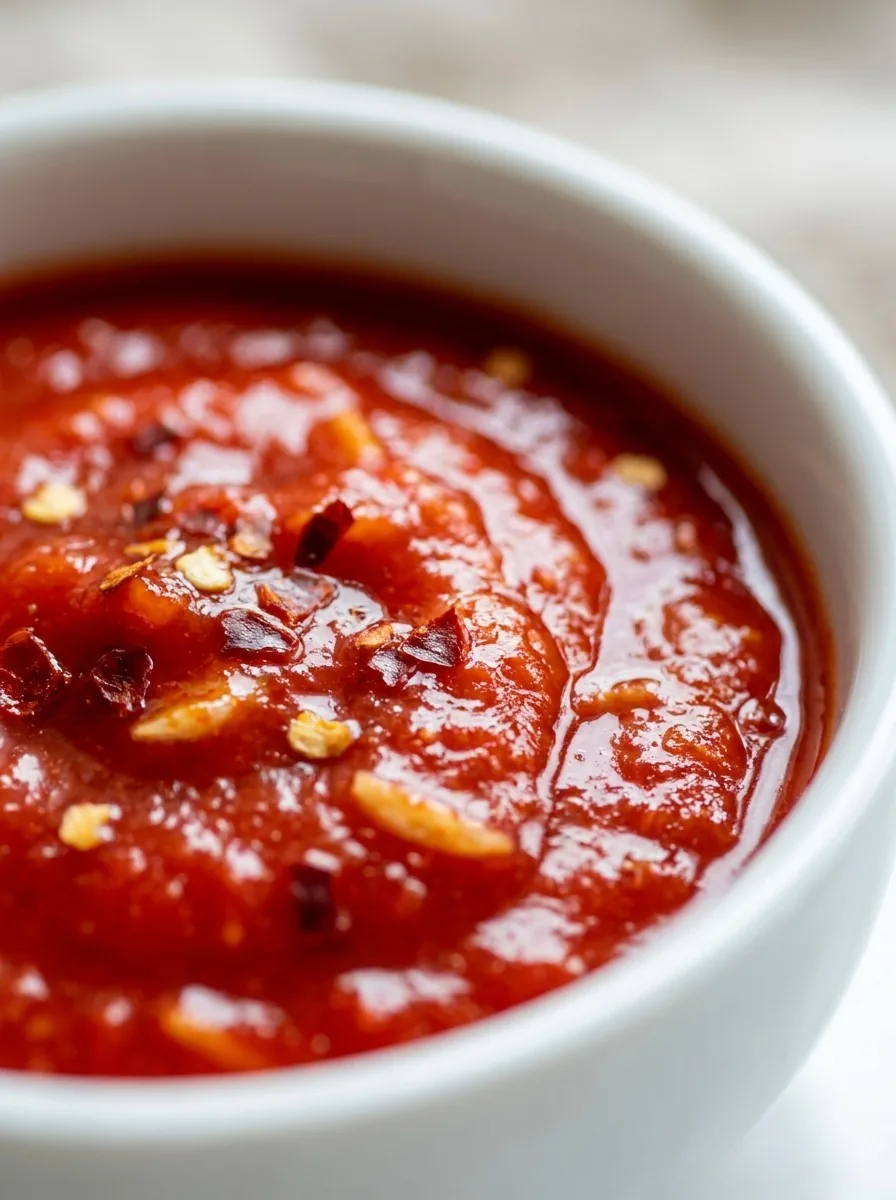
This sauce is incredibly versatile and pairs well with a variety of proteins. Drizzle it over grilled chicken thighs, pork chops, or beef stir-fry just before serving. It also works well as a marinade for tofu or tempeh, giving plant-based proteins a savory glaze. For a lighter option, serve it cold as a dipping sauce for fresh spring rolls or vegetable sticks. You can also brush it onto salmon fillets during the last two minutes of baking to create a caramelized crust. Additionally, it makes an excellent topping for rice bowls, adding a sweet and savory element to plain steamed rice and roasted vegetables.If you like making sauces from scratch, try our alfredo sauce, apple sauce, arrabbiata sauce and bbq sauce next.
Keeping It Fresh
To store the sauce, allow it to cool completely to room temperature before transferring it to a clean, airtight glass container. Refrigerate the sauce for up to two weeks. The texture may thicken slightly as it cools, but this is normal and can be fixed by stirring in a teaspoon of water or pineapple juice when reheating. If you plan to keep the sauce for longer, you can freeze it in an ice cube tray for portion control. Once frozen, transfer the cubes to a freezer bag and store for up to three months. Thaw in the refrigerator overnight before use.Wrapping Up
Making your own pineapple teriyaki sauce is a simple yet rewarding way to enhance your home cooking. The ingredients are likely already in your pantry, and the process is straightforward enough for beginners. This sauce offers a depth of flavor that commercial versions often lack, thanks to the use of fresh aromatics and a balanced reduction technique. Whether you are preparing a weeknight dinner or a special occasion meal, this sauce adds a professional touch to your dishes. Try it once, and you may never return to the bottled version. Experiment with the variations suggested to find your perfect combination of sweet, salty, and spicy.Frequently Asked Questions
Can I use canned pineapple juice instead of fresh?
Yes, canned pineapple juice works well, but ensure it is unsweetened. Fresh juice has a brighter, more complex flavor, but canned is a convenient and cost-effective alternative that still produces a delicious result.
What can I substitute for mirin?
If you do not have mirin, you can use dry sherry or a mixture of dry white wine and a teaspoon of sugar. Mirin adds a distinct sweetness and umami note that wine can approximate but not perfectly replicate.
How long does this sauce last in the fridge?
Stored in an airtight container in the refrigerator, this sauce will keep for up to two weeks. Always use a clean spoon when serving to prevent bacterial growth and extend its shelf life.
Can I make this sauce ahead of time?
Absolutely. Making it a day ahead allows the flavors to meld together more thoroughly. Just bring it to room temperature or warm it gently on the stove before serving if you prefer it hot.
Is this sauce suitable for vegetarians?
Yes, this recipe is naturally vegetarian. However, if you are vegan, check the label on your soy sauce to ensure it does not contain any animal-derived ingredients, though most standard soy sauces are vegan-friendly.
◆ ◆ ◆
← Back to ingredientsGet new sauce recipes
One tasty homemade sauce in your inbox each week. No spam, unsubscribe anytime.
Comments (6)