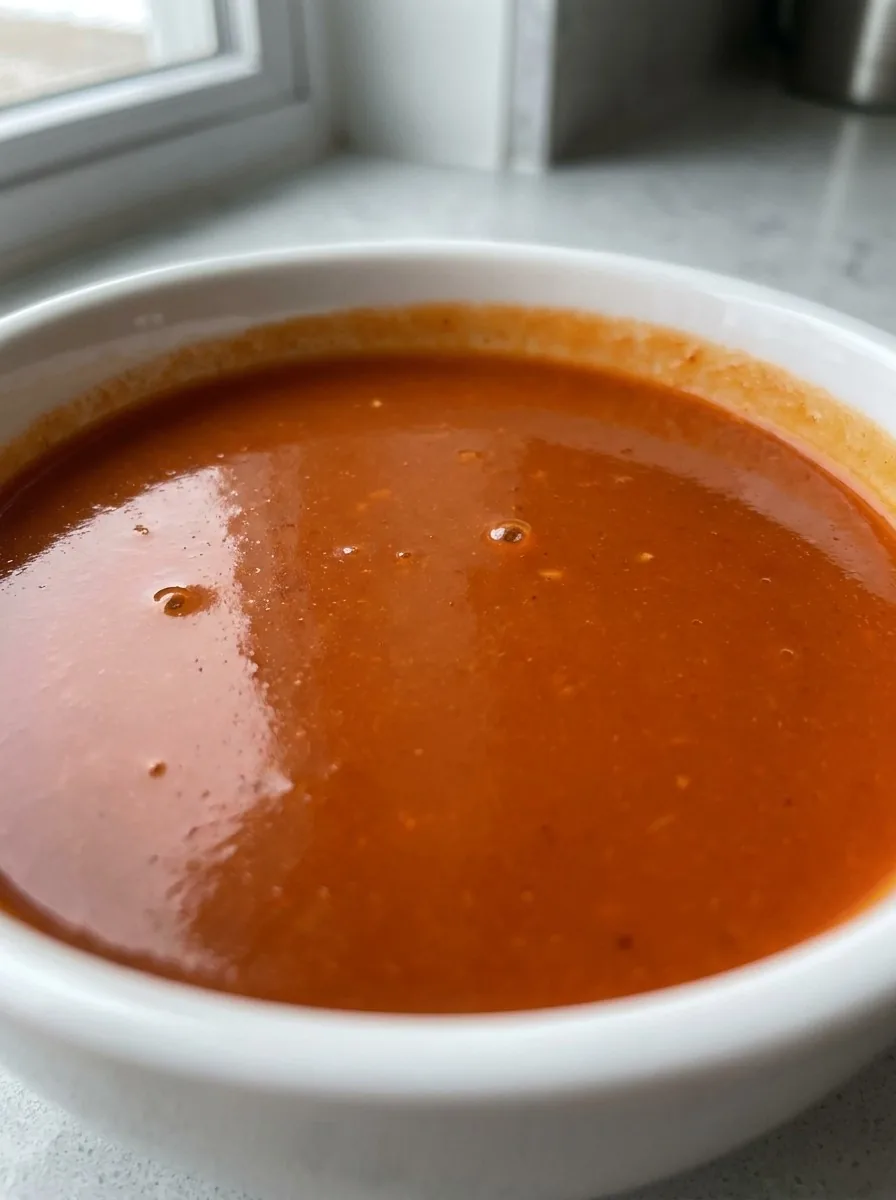
Classic Tartar Sauce: Step-by-Step Instructions
On this page
Pro Tips for Better Results
- Use room‑temperature mayo and egg yolk; cold ingredients can cause the emulsion to seize.
- Finely mince the shallot and garlic; larger pieces release harsh flavors that dominate the sauce.
- Let the sauce rest uncovered for a minute before covering; this allows volatile aromatics to evaporate slightly, sharpening the flavor.
- If you prefer a smoother texture, pulse the pickles and capers in a food processor for a few seconds before folding them in.
- Adjust the heat level by varying the amount of hot sauce; start with a quarter teaspoon and taste before adding more.
Instructions
- In a medium bowl, whisk the mayonnaise with the egg yolk until the mixture is smooth and glossy, which creates a stable base for the sauce.
- Add the Dijon mustard and lemon juice, whisking quickly to incorporate the acidity that will brighten the flavor.
- Stir in the Worcestershire sauce and hot sauce, if using, to introduce a subtle umami depth and a gentle heat.
- Fold in the minced shallot and garlic; their raw sharpness will mellow as the sauce rests, adding aromatic complexity.
- Mix in the chopped dill pickles and capers, distributing their briny crunch evenly throughout the creamy matrix.
- Season with black pepper and sea salt, tasting after each addition to achieve a balanced seasoning without over‑salting.
- Cover the bowl with plastic wrap and let the sauce rest at room temperature for five minutes, allowing the flavors to meld.
- If serving cold, transfer the sauce to the refrigerator and chill for at least 30 minutes; the cooler temperature will further integrate the aromatics.
- Before serving, give the sauce a quick stir to recombine any settled ingredients and adjust seasoning if necessary.
Recipe Variations
If you enjoy a herb‑forward profile, stir in a tablespoon of fresh chopped parsley, chives, or tarragon after the sauce has rested. For a sweeter twist, replace half of the dill pickles with sweet corn relish, which pairs nicely with fried chicken. To make a low‑fat version, substitute half of the mayonnaise with Greek yogurt; the tang of the yogurt complements the lemon and mustard while reducing calories. A smoky version can be achieved by adding a dash of smoked paprika or a few drops of liquid smoke, perfect for barbecued fish. Finally, for a regional American spin, incorporate a spoonful of Creole mustard and a pinch of Cajun seasoning for a New Orleans‑style tartar sauce.
Serving Ideas
Serve this tartar sauce chilled alongside classic fish‑and‑chips, where the crisp batter meets the creamy dip. It also works as a spread on a po' boy sandwich filled with fried shrimp or catfish, adding moisture and zest. Drizzle a warm spoonful over a grilled salmon steak for a quick, restaurant‑quality finish. For a snack‑time upgrade, use the sauce as a dip for homemade onion rings, sweet potato fries, or even raw vegetable sticks. Finally, swirl a thin line of the sauce into a bowl of chilled clam chowder for an unexpected burst of flavor.
If you like making sauces from scratch, try our alfredo sauce, arrabbiata sauce, bbq sauce and bechamel white sauce next.
Keeping It Fresh
Store the finished sauce in a clean glass jar with a tight‑fitting lid. Keep it refrigerated at or below 40 °F (4 °C) and avoid leaving it out for more than two hours to prevent bacterial growth. Before each use, give the jar a gentle shake or stir with a spoon to recombine any ingredients that may have settled. If you notice any off‑smell, discoloration, or separation beyond normal settling, discard the sauce. For longer storage, you can freeze the sauce in a sealed container for up to one month; thaw it in the refrigerator and whisk before serving to restore its smooth texture.
Wrapping Up
Making classic tartar sauce from scratch is a quick, satisfying way to elevate everyday seafood dishes or add a tangy creaminess to sandwiches and snacks. By controlling each ingredient, you avoid hidden sugars and preservatives while tailoring the flavor to your personal taste. Remember the key steps: create a stable emulsion, balance acidity with brine, and let the sauce rest so the flavors can meld. With the tools and tips provided, you’ll be able to produce a consistently delicious sauce that feels both familiar and freshly made every time you reach for it.
Frequently Asked Questions
Can I make this tartar sauce without raw egg yolk?
Yes, you can omit the egg yolk and increase the mayonnaise by 2 Tbsp; the sauce will stay thick while removing the raw‑egg concern.
How long will the sauce keep in the fridge?
Stored in an airtight container, it stays fresh for up to three days; always keep it chilled and give it a stir before each use.
What can I substitute for capers?
Finely chopped green olives or a teaspoon of anchovy paste work well as alternatives, providing a similar salty punch.
Is this sauce suitable for vegetarians?
If you replace the egg yolk with an extra tablespoon of mayonnaise and skip Worcestershire sauce (which often contains anchovies), the sauce becomes vegetarian‑friendly.
Can I warm this sauce without curdling?
Warm gently over a double boiler or in short 15‑second bursts in the microwave, stirring constantly; the low heat prevents the emulsion from breaking.
◆ ◆ ◆
← Back to ingredientsGet new sauce recipes
One tasty homemade sauce in your inbox each week. No spam, unsubscribe anytime.