Homemade Sweet and Sour Sauce: Step-by-Step Instructions
On this page
Pro Tips for Better Results
Always measure your cornstarch precisely. Too much will result in a gummy texture, while too little will leave the sauce watery. If you accidentally add too much cornstarch, you can thin the sauce with a small amount of hot water and continue to simmer until the consistency is correct. For a glossier finish, stir the sauce continuously after adding the slurry to prevent it from sticking to the bottom of the pan and burning, which would impart a bitter taste.
If you find the sauce tastes too acidic, do not simply add more sugar, as this can make it cloying. Instead, try adding a small amount of honey or a pinch of salt to balance the acidity. When storing the sauce, allow it to cool completely before sealing the jar, as trapping steam can lead to condensation and potential spoilage. You can also freeze this sauce in ice cube trays for convenient single-serving portions that can be thawed directly in the pan when needed.
Instructions
- Combine the pineapple juice, water, ketchup, rice vinegar, brown sugar, and soy sauce in a medium saucepan and stir until the sugar is fully dissolved to ensure a smooth base flavor.
- Mix the cornstarch with the additional tablespoon of water in a small bowl to create a slurry, which prevents lumps from forming in the final sauce.
- Place the saucepan over medium heat and bring the liquid mixture to a gentle simmer, allowing the flavors to meld together before thickening.
- Slowly pour the cornstarch slurry into the simmering sauce while stirring constantly to distribute the thickener evenly throughout the liquid.
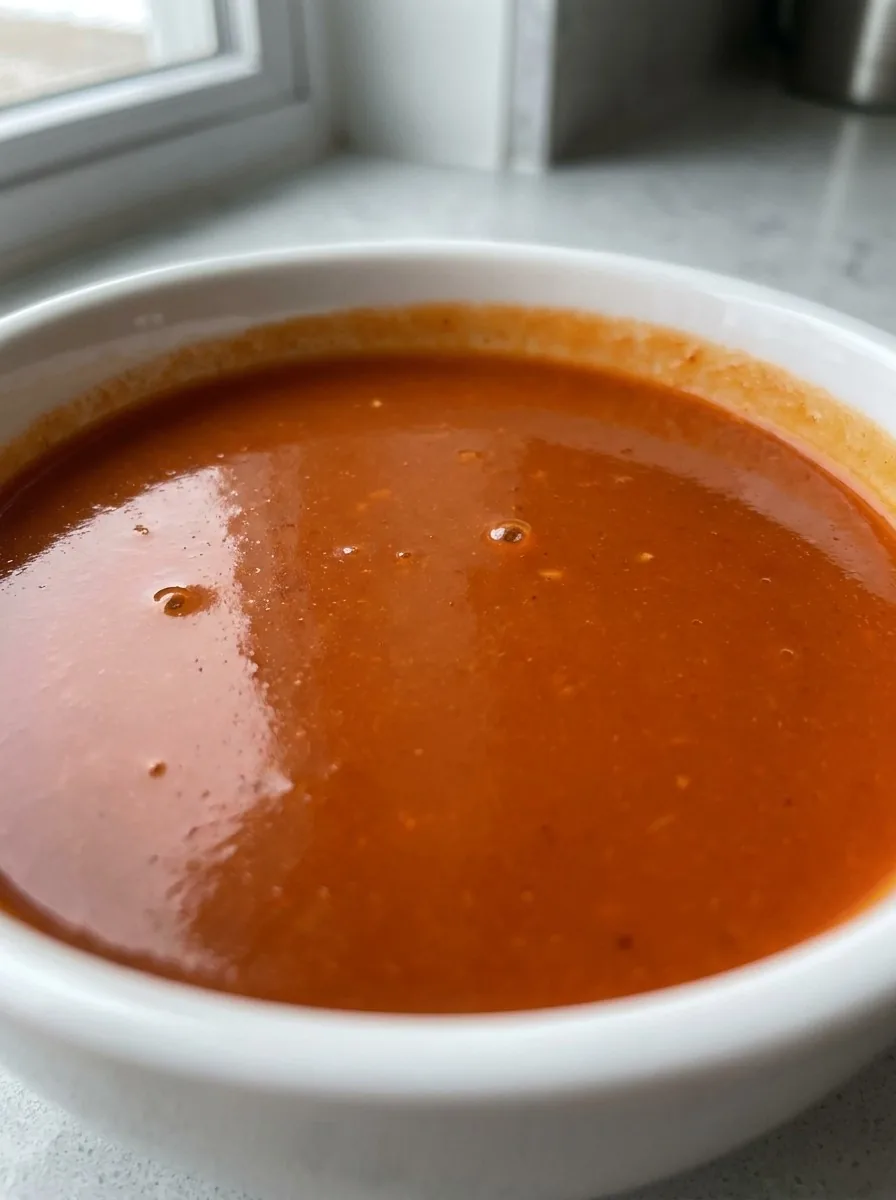
- Continue to cook and stir the sauce for two to three minutes until it becomes glossy and thick enough to coat the back of a spoon, indicating the starch has fully activated.
- Taste the sauce and adjust the balance by adding more brown sugar for sweetness or rice vinegar for acidity if needed, as fruit juice concentrations vary.
- Remove the saucepan from the heat and let the sauce cool slightly, as it will continue to thicken as it loses temperature.
- Transfer the warm sauce to a clean, heat-safe glass jar or container for storage, ensuring the lid is sealed tightly to maintain freshness.
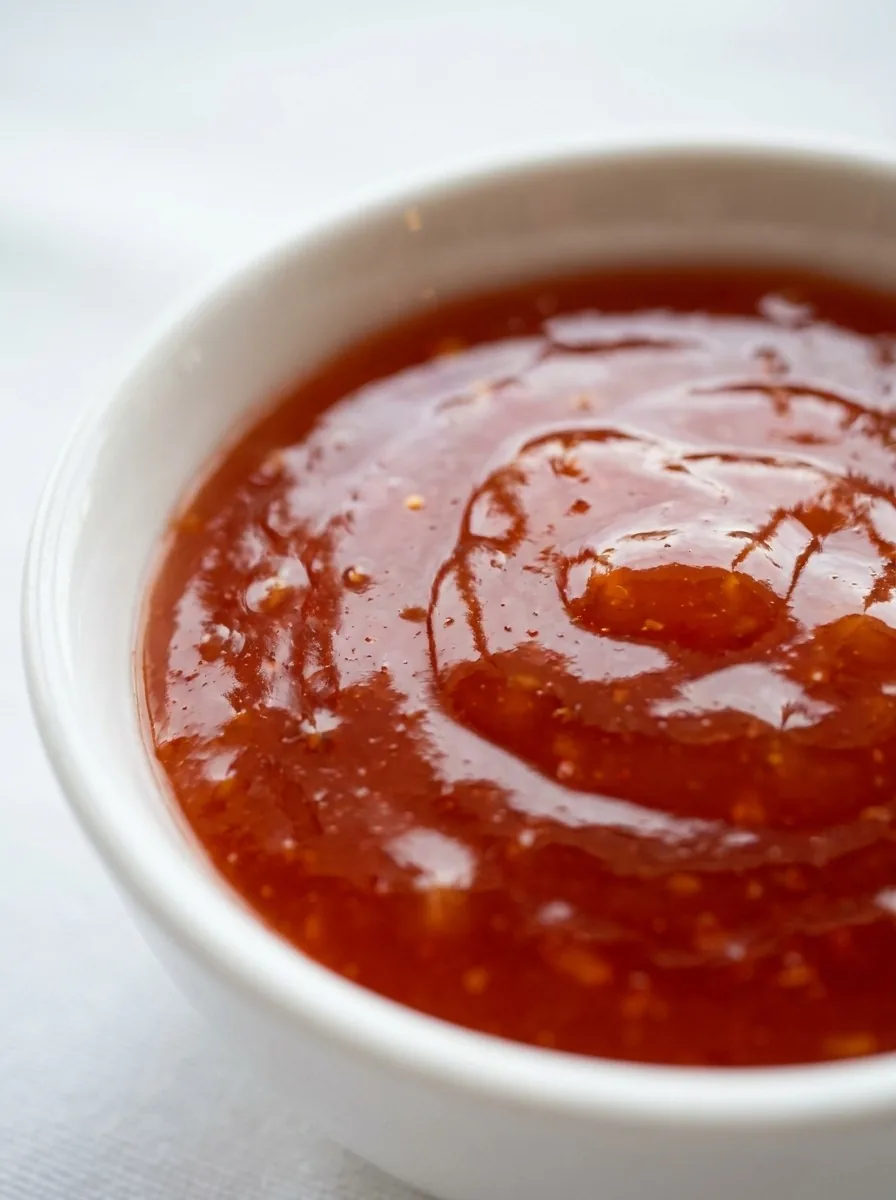
Recipe Variations
You can easily customize this sauce to suit your taste preferences or dietary needs. For a spicier version, add one to two teaspoons of chili flakes or a dash of cayenne pepper when dissolving the sugar. This adds a gentle heat that complements the sweet and sour notes without overpowering them. If you prefer a fruitier profile, you can replace half of the pineapple juice with mango juice or orange juice, which will alter the color and flavor profile significantly while maintaining the necessary acidity.
For a vegan version, ensure that your ketchup is free of animal-derived additives, as some brands may use fish sauce or other non-vegan ingredients in their production. You can also experiment with different types of vinegar; apple cider vinegar offers a fruity acidity, while balsamic vinegar creates a deeper, more complex sauce with a darker color. Adding a small amount of minced fresh ginger at the beginning of the cooking process can also enhance the aromatic quality of the sauce.
Serving Ideas
This sauce is incredibly versatile and pairs well with a wide range of proteins and vegetables. It is the classic accompaniment for sweet and sour chicken, but it also works beautifully with pork tenderloin, shrimp, or tofu. For a vegetarian option, serve it over stir-fried bok choy, broccoli, and bell peppers. The sauce glazes the vegetables, adding a sticky, flavorful coating that makes them the star of the dish.
You can also use this sauce as a dipping sauce for spring rolls, egg rolls, or fried wontons. It provides a sweet contrast to the savory, crispy wrappers. For a main course, try serving it alongside steamed white rice, which helps to balance the intense sweetness and acidity of the sauce. The neutral flavor of the rice acts as a canvas, allowing the bright flavors of the sauce to shine. It is also excellent as a marinade for meats before grilling or pan-frying, adding moisture and flavor to the protein.
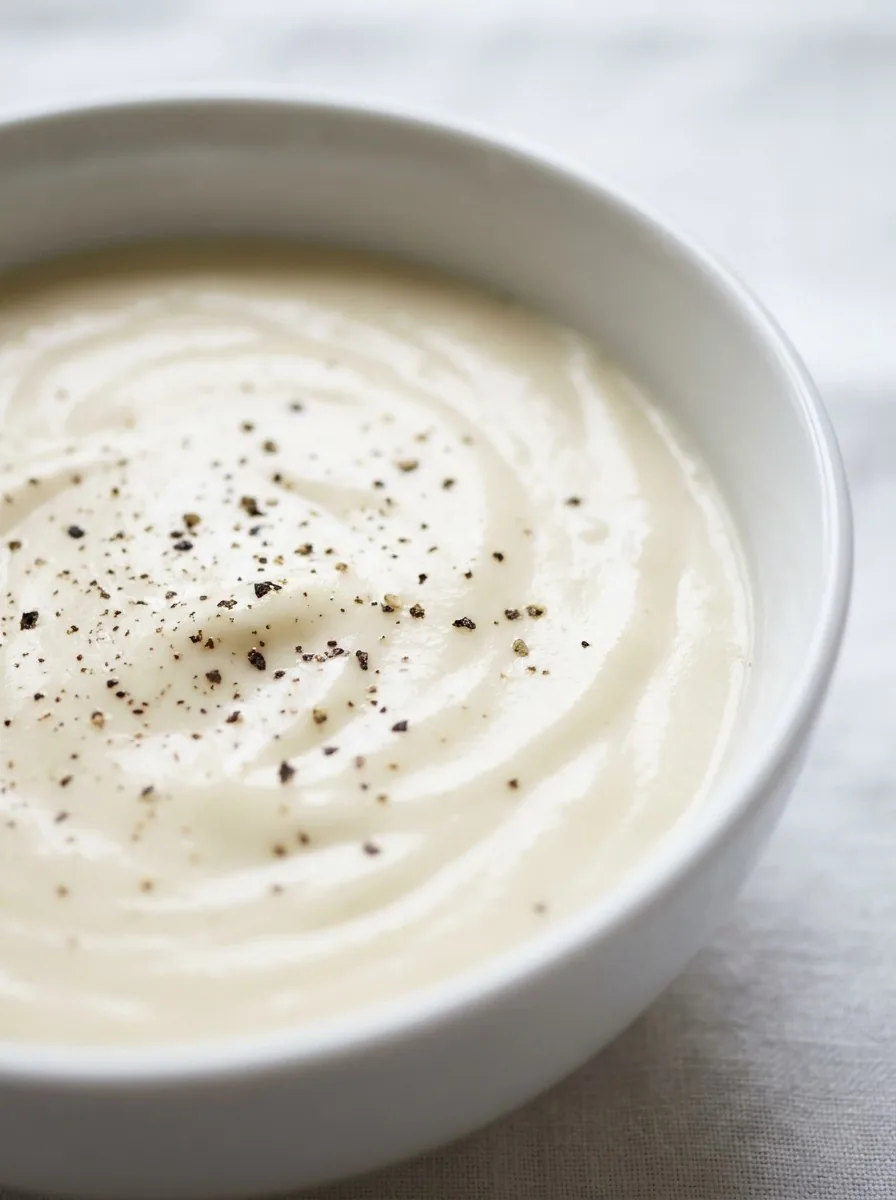
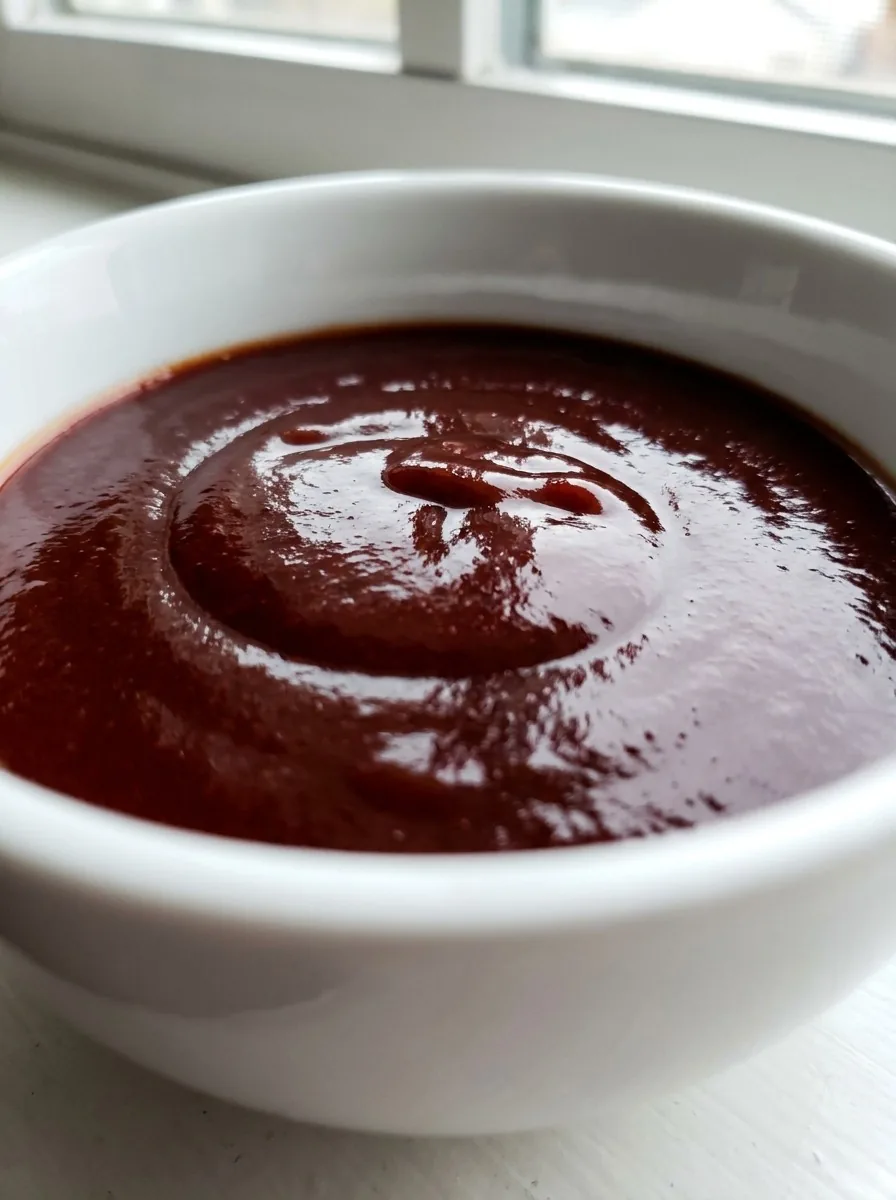
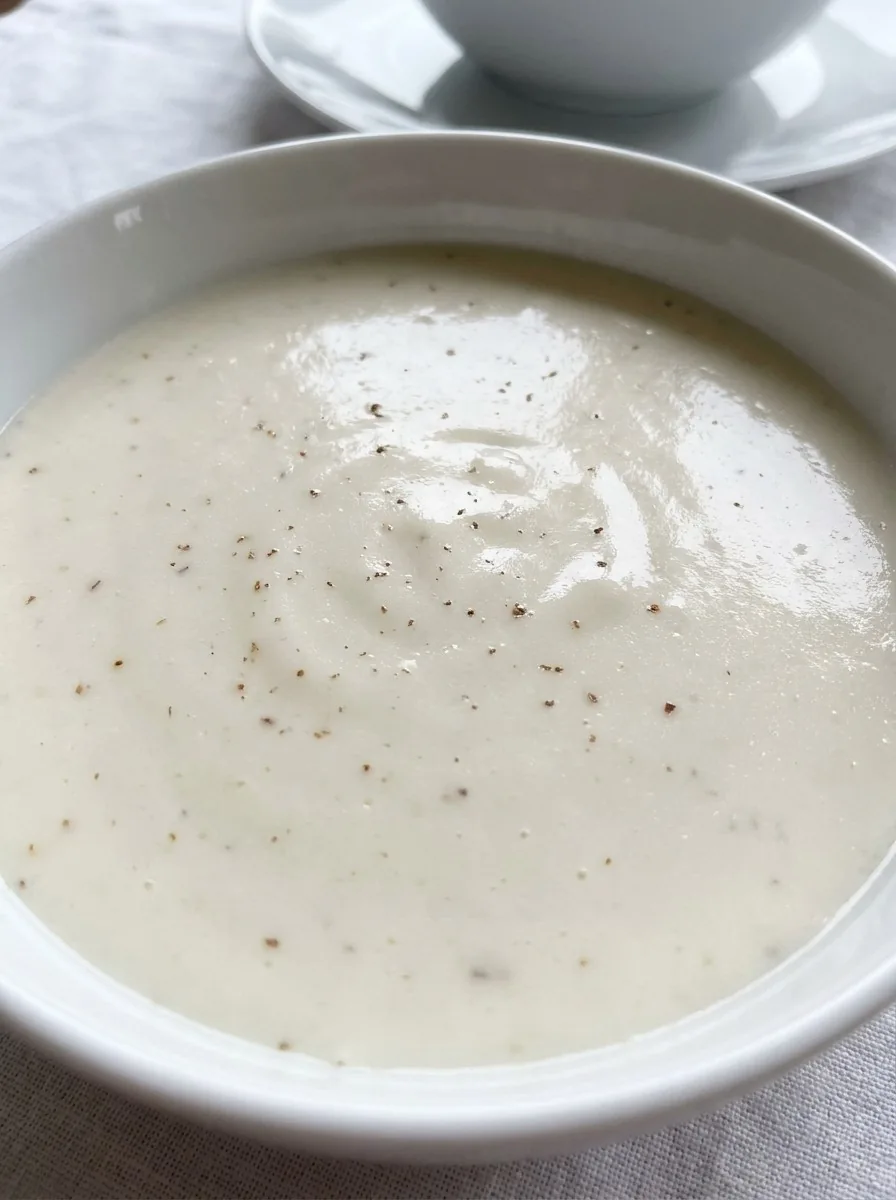
If you like making sauces from scratch, try our red enchilada sauce, classic bechamel, sticky honey garlic sauce next.
Keeping It Fresh
Proper storage is essential to maintain the quality and safety of your homemade sauce. Once the sauce has cooled to room temperature, transfer it to a clean, airtight glass jar. Glass is preferred over plastic because it does not absorb odors or flavors and is more resistant to staining from the tomatoes and vinegar. Store the jar in the refrigerator where it will remain fresh for up to two weeks. Check the surface of the sauce regularly for any signs of mold or off-odors before consuming.
If you have made a larger batch than you can consume within two weeks, freezing is a viable option. Pour the sauce into ice cube trays and freeze until solid, then transfer the cubes to a labeled freezer bag. This method allows you to use small amounts of sauce as needed without having to thaw the entire batch. Frozen sauce will keep for up to three months. When ready to use, simply thaw the cubes in the refrigerator overnight or add them directly to a warm dish where they will dissolve quickly.
Wrapping Up
Making your own sweet and sour sauce is a straightforward way to elevate your home cooking with a reliable, flavorful condiment. The ingredients are likely already in your pantry, and the short cooking time makes it an easy addition to any dinner plan. By controlling the ingredients yourself, you can adjust the sweetness and acidity to your exact taste preferences, which is often difficult to achieve with store-bought versions.
This sauce is more than just a topping; it is a key component in creating a balanced and satisfying meal. Whether you are using it to glaze proteins, stir-fry vegetables, or dip spring rolls, it adds a burst of flavor that complements a wide variety of dishes. Once you have tried this homemade version, you may find that you no longer feel the need to purchase store-bought alternatives, knowing that you can create a superior product in your own kitchen with minimal effort and time.
Frequently Asked Questions
Can I use white vinegar instead of rice vinegar?
Yes, but the flavor will be sharper and less subtle. Rice vinegar has a milder acidity that complements the sweetness of the pineapple and sugar better than white vinegar.
How long does this sauce last in the refrigerator?
When stored in an airtight container, this sauce will keep for up to two weeks in the refrigerator. Always use a clean spoon when serving to prevent contamination.
Can I add vegetables to the sauce?
Yes, you can stir in diced bell peppers, onions, or pineapple chunks during the last minute of cooking for added texture and flavor.
Is this sauce gluten-free?
No, standard soy sauce contains wheat. To make it gluten-free, substitute the soy sauce with tamari or a certified gluten-free soy sauce alternative.
Why is my sauce not thickening?
Ensure you brought the sauce to a full simmer after adding the slurry. Cornstarch needs a high temperature to activate. Also, make sure your cornstarch is not expired.
◆ ◆ ◆
← Back to ingredientsGet new sauce recipes
One tasty homemade sauce in your inbox each week. No spam, unsubscribe anytime.
Comments (20)