Fresh Strawberry Sauce: Step-by-Step Instructions
On this page
Pro Tips for Better Results
Always use fresh lemon juice rather than bottled, as the citric acid in fresh juice is more potent and tastes cleaner. When making the cornstarch slurry, ensure there are absolutely no lumps by whisking vigorously until the mixture is completely smooth. If the sauce turns out too thick after cooling, do not reheat it on high heat; instead, warm it gently over low heat while stirring in cold water a teaspoon at a time. For a deeper flavor, you can let the sauce macerate in the refrigerator for an hour before serving, allowing the vanilla and cinnamon to fully infuse the fruit. Avoid overcooking the strawberries, as this will lead to a duller color and a less vibrant taste.
Instructions
- Wash the strawberries in a bowl of cold water with a pinch of baking soda, then rinse thoroughly and dry, as this removes dirt and pesticides while keeping the fruit firm.
- Hull the strawberries and cut them in half or quarters, ensuring uniform size so they break down evenly during the cooking process.
- Place the strawberries, sugar, lemon juice, and salt in a medium saucepan over medium heat to start the extraction of natural juices.
- Stir occasionally for three to four minutes until the berries release their liquid and begin to soften, which prevents sticking and ensures even cooking.
- In a small cup, whisk the cornstarch and cold water until smooth to create a slurry that will thicken the sauce without lumps.
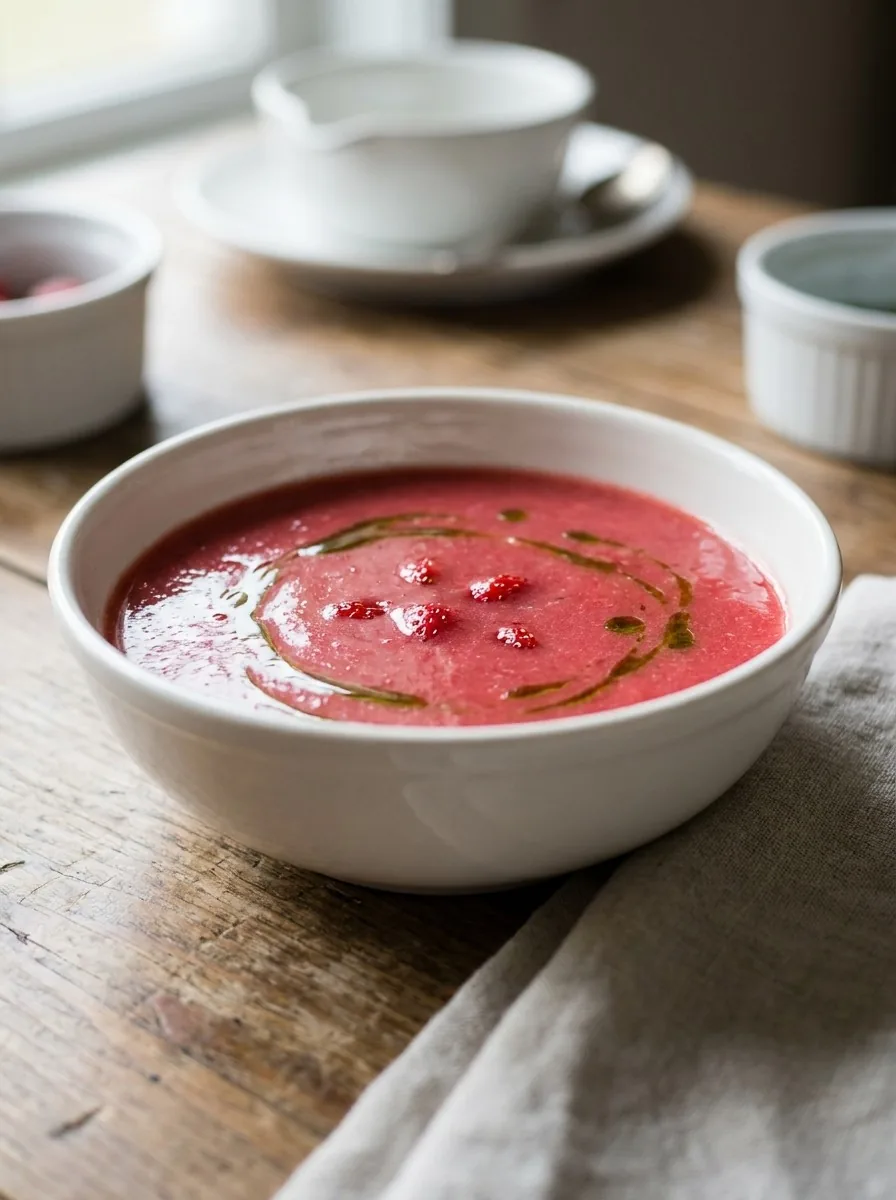
- Pour the slurry into the simmering strawberries and stir continuously for one minute until the mixture thickens to a glossy, coat-the-spoon consistency.
- Remove the pan from the heat and stir in the vanilla extract and optional butter, allowing the residual heat to melt the butter and infuse the aroma.
- Let the sauce cool to room temperature before transferring it to a clean, sterilized glass jar for storage, which helps preserve the bright red color.
- Refrigerate the sauce for at least thirty minutes to allow the flavors to meld, or serve immediately warm over ice cream or pancakes.
- Stir the sauce gently before serving as it may thicken further upon cooling, adding a small splash of water if it becomes too thick.
Recipe Variiations
You can easily adapt this sauce to suit different tastes and dietary needs. For a dairy-free version, simply omit the butter and use a neutral oil like avocado oil instead, which will still provide a similar shine. If you prefer a spicier profile, add a small pinch of cayenne pepper or red pepper flakes to the sugar before cooking. For a more complex flavor, try adding a teaspoon of balsamic vinegar to the simmering berries, which adds a subtle savory note that pairs well with dark chocolate desserts. You can also swap the vanilla extract for almond extract to create a unique almond-strawberry combination that works beautifully with meringues.
Serving Ideas
This versatile sauce pairs well with a wide variety of desserts. Serve it warm over a scoop of vanilla bean ice cream or gelato for a classic ice cream sundaes. It is also excellent as a topping for warm pancakes, waffles, or French toast, where the acidity cuts through the richness of the eggs and butter. Try pouring it over a slice of pound cake or cheesecake for a fruit-forward dessert. For a lighter option, spoon it over a bowl of fresh Greek yogurt with granola and nuts. It can also be used as a filling for crepes or as a glaze for a fresh fruit tart.
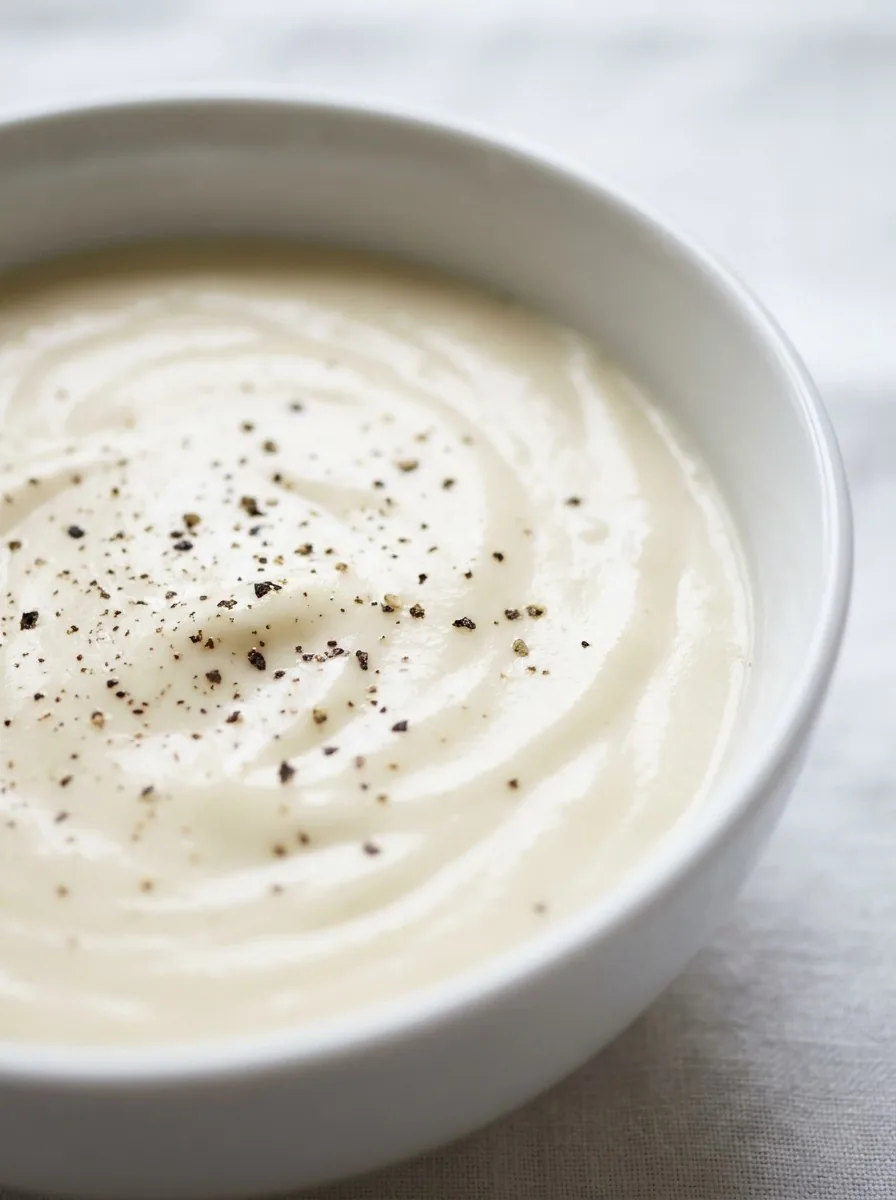
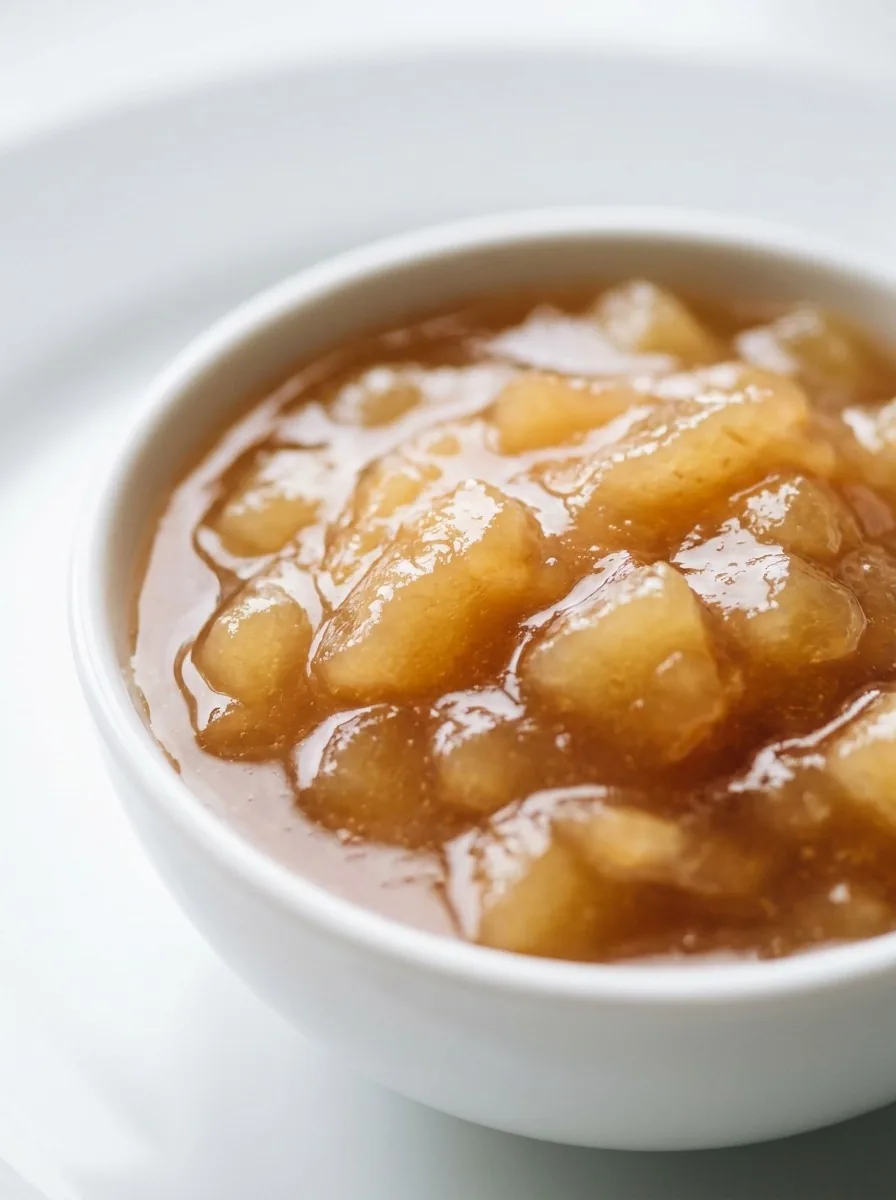
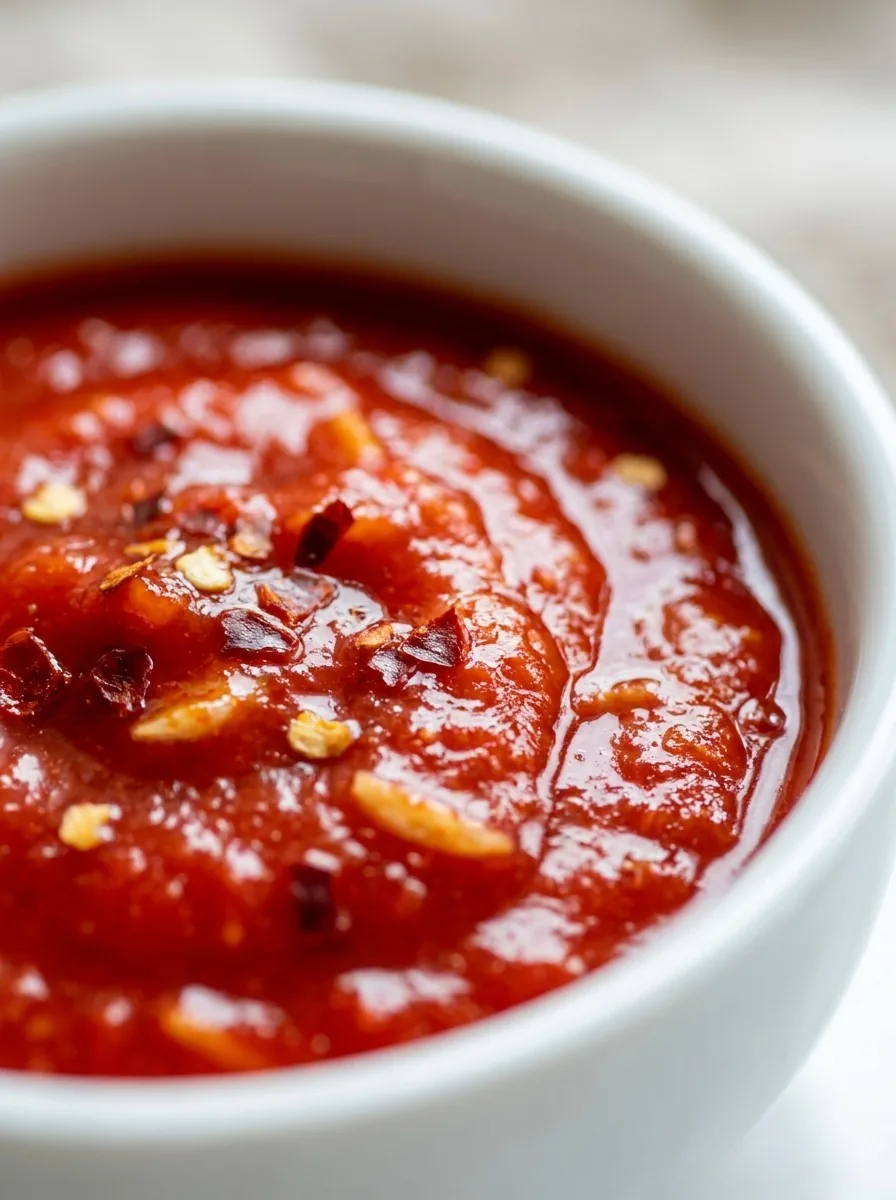
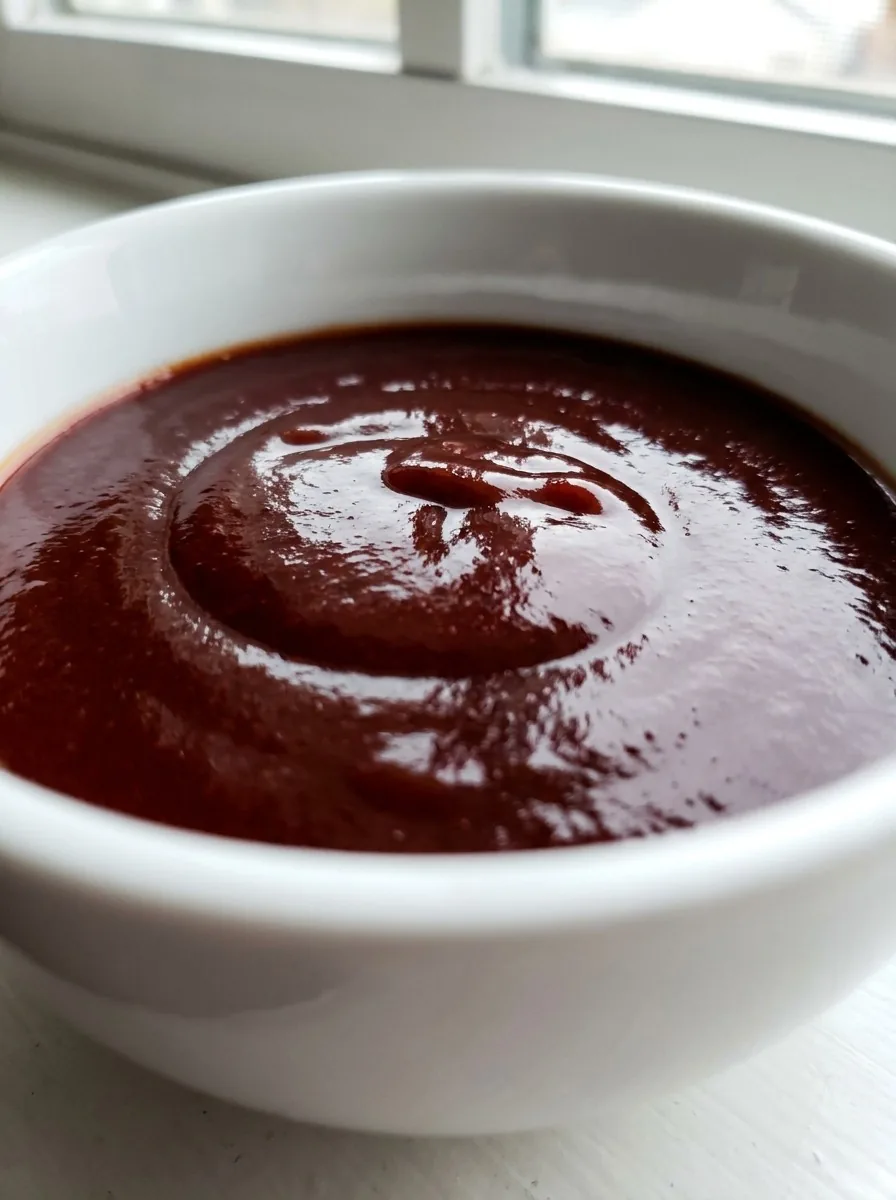
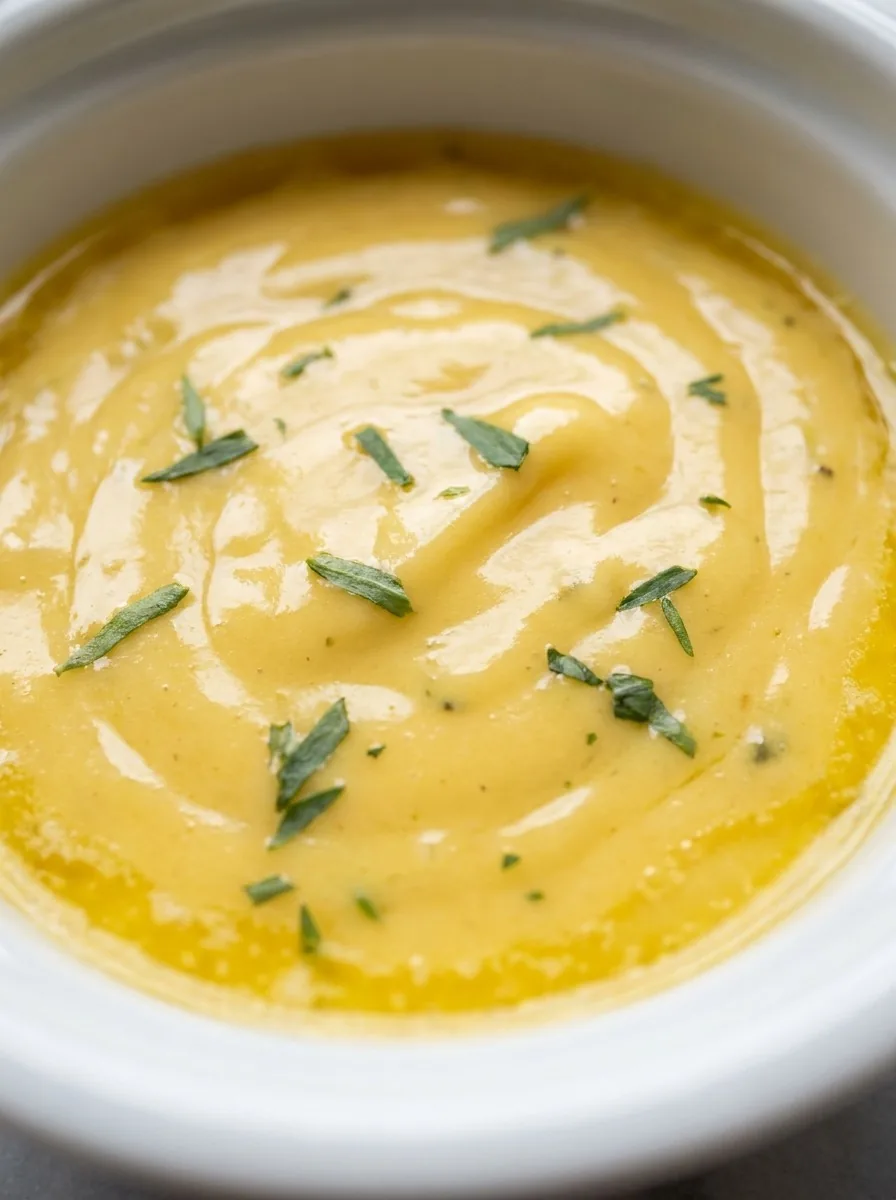
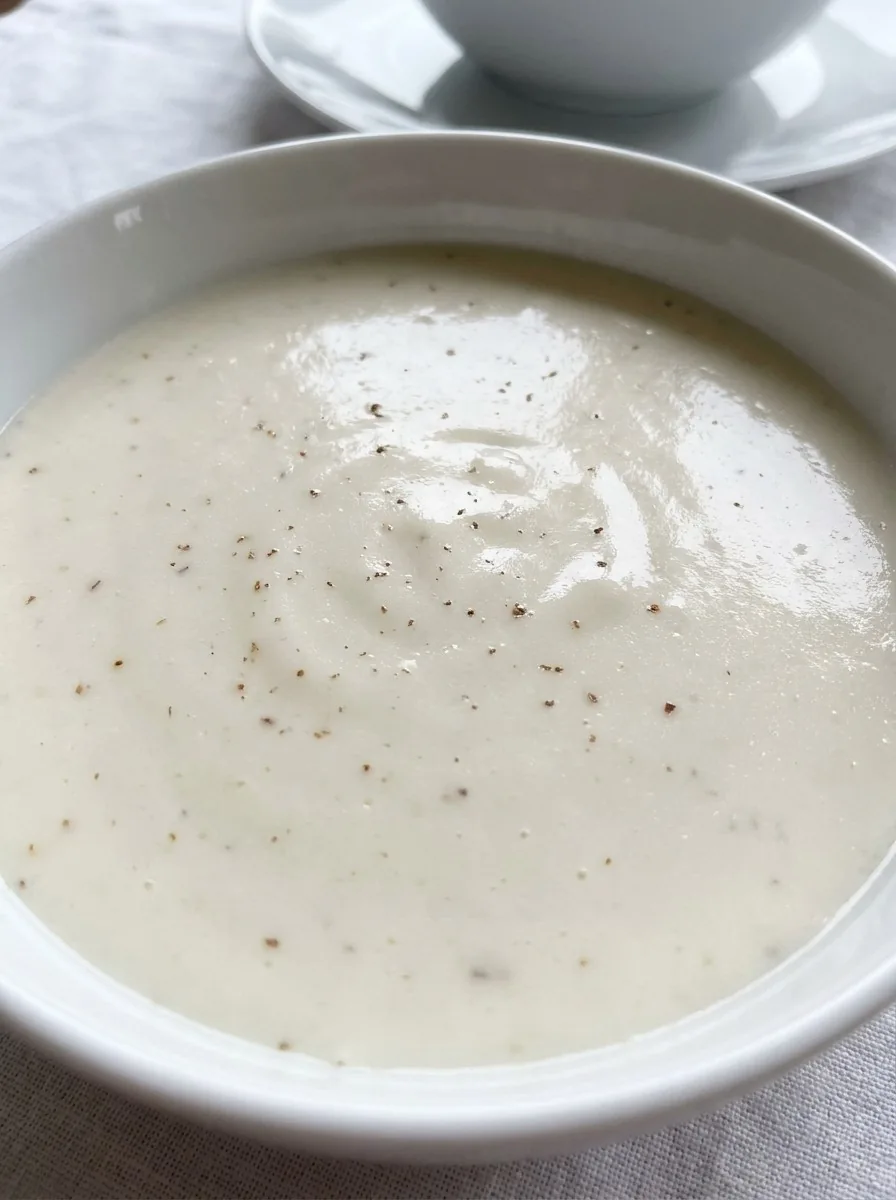
If you like making sauces from scratch, try our alfredo sauce, apple sauce, arrabbiata sauce and bbq sauce next.
Keeping It Fresh
To maintain the quality of your strawberry sauce, store it in a sterilized glass jar with a tight-fitting lid. Always allow the sauce to cool to room temperature before covering it to prevent condensation from forming inside the jar, which can introduce water and dilute the flavor. Refrigerate the sauce immediately after it cools to slow down bacterial growth. If you plan to use it later, ensure the jar is completely dry before adding the sauce. When reheating, do so gently on the stovetop or in short intervals in the microwave to preserve the texture and prevent scorching.
Wrapping Up
This fresh strawberry sauce is a testament to the power of simple ingredients. By focusing on quality produce and precise technique, you can create a dessert topping that rivals anything found in a restaurant. The balance of sweet, tart, and aromatic elements makes it a crowd-pleaser for any occasion. Whether you are hosting a dinner party or simply treating yourself to a sweet snack, this sauce adds a touch of elegance and freshness. Experiment with the optional ingredients to find your preferred flavor profile, and do not hesitate to adjust the sweetness to your taste. Enjoy the process of making it from scratch and the satisfaction of serving a homemade treat.
Frequently Asked Questions
Can I use frozen strawberries for this recipe?
Yes, you can use frozen strawberries, but you should skip the water in the washing step and drain any excess liquid before cooking. Frozen berries release more water, so you may need to simmer for an additional two to three minutes to achieve the right thickness.
Why does my sauce turn purple instead of red?
Strawberries contain anthocyanins that react with alkaline environments or excessive heat. To maintain a bright red color, keep the heat at a gentle simmer, add the lemon juice early to stabilize the pH, and avoid using copper pans which can discolor acidic fruits.
How long does this sauce last in the refrigerator?
Stored in an airtight container, the sauce will keep for up to five days in the refrigerator. You can also freeze it for up to three months in a freezer-safe container, leaving some space at the top for expansion during the freezing process.
Is it necessary to strain the sauce to remove seeds?
Straining is optional and depends on your preference. If you prefer a smooth texture, press the cooked mixture through a fine-mesh sieve to remove the seeds. Leaving them in adds texture and fiber, which is perfectly acceptable for many desserts.
Can I substitute the cornstarch with another thickener?
Yes, you can use arrowroot powder or instant clearjel as alternatives. Use the same amount as the cornstarch, but note that arrowroot maintains its clarity better when reheated, while cornstarch may become cloudy if the sauce is heated again after cooling.
◆ ◆ ◆
← Back to ingredientsGet new sauce recipes
One tasty homemade sauce in your inbox each week. No spam, unsubscribe anytime.
Comments (16)