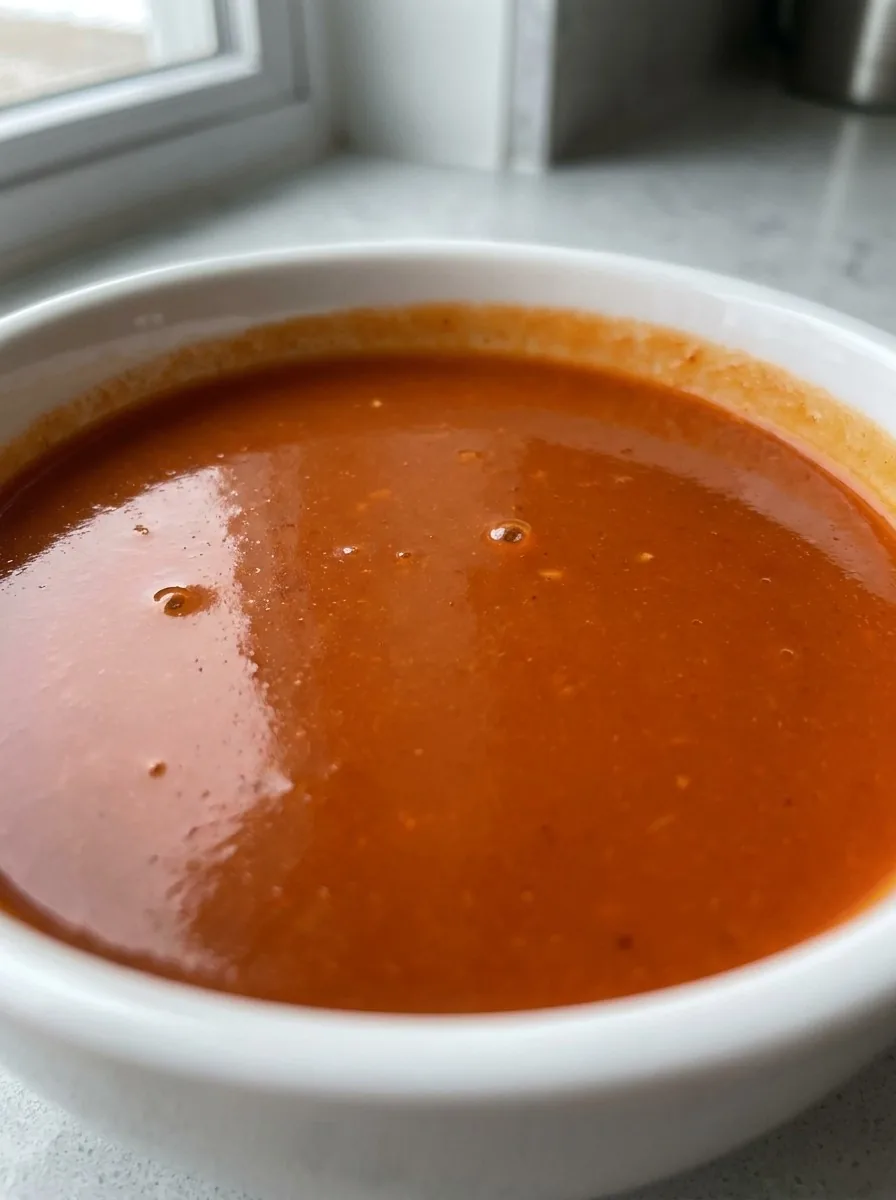
All-Purpose Stir Fry Sauce: Step-by-Step Instructions
On this page
Pro Tips for Better Results
Use a stainless‑steel saucepan to avoid the metallic taste that can come from aluminum. Whisk continuously while simmering; this prevents clumping and ensures a smooth finish.
Let the sauce cool slightly before storing; this reduces the risk of bacterial growth and allows the flavors to meld. If you prefer a thicker sauce, add a little more cornstarch slurry, but be careful not to over‑thicken.
For a smoky twist, toast the sesame seeds until golden before adding them to the sauce. This imparts a deeper flavor that pairs well with grilled meats.
Instructions
- In a small bowl, combine soy sauce, rice vinegar, sesame oil, honey, minced garlic, grated ginger, and sriracha if using; whisk until honey dissolves. (This creates the flavor base, ensuring the sweet and savory notes blend evenly.)
- If you want a thicker consistency, whisk the cornstarch with cold water to make a slurry; add it to the sauce mixture. (The slurry will give the sauce a glossy coat that clings to stir‑fry ingredients.)
- Pour the mixture into a saucepan and bring it to a gentle simmer over medium heat, stirring constantly. (Simmering activates the aromatics and reduces excess liquid.)
- Let the sauce bubble for 2‑3 minutes, then reduce the heat to low and continue stirring for another minute. (This step concentrates the flavors without burning the sugar.)
- Remove the saucepan from the heat and stir in toasted sesame seeds and black pepper. (Seeds add texture and pepper adds a subtle bite.)
- If you prefer a sweeter sauce, drizzle a little more honey; if you want more acidity, add a splash of rice wine vinegar. (Adjusting on the fly lets you tailor the sauce to your dish.)
- Allow the sauce to cool to room temperature; it will thicken slightly as it cools. (Cooling helps the sauce set, making it easier to pour over cooked foods.)
- Transfer the sauce to a clean jar or airtight container and refrigerate; it will keep for up to a week. (Storing properly preserves flavor and safety.)
- When ready to use, warm the sauce gently in a microwave or on the stovetop until it’s pourable; or use it cold as a dipping sauce. (Reheating restores the sauce’s silky texture.)
Recipe Variations
Swap honey for maple syrup or agave nectar to cater to vegan diners. For a dairy‑free version, replace sesame oil with a neutral oil and add a splash of coconut aminos to boost umami.
To create a smoky flavor, add a teaspoon of liquid smoke during the simmer. For a thicker, gravy‑like sauce, increase the cornstarch slurry to 2 tsp and let it cook until it thickens fully.
If you’re making a low‑sodium dish, reduce the soy sauce to 3 Tbsp and add extra vinegar for acidity.
Serving Ideas
Use the sauce as a glaze for grilled chicken or tofu; brush it on during the last minute of cooking for a caramelized finish.
Drizzle over stir‑fry vegetables and rice for a quick, flavor‑boosted meal.
Serve cold as a dipping sauce for spring rolls, dumplings, or crispy spring onion pancakes.
Mix a small amount into a salad dressing for an Asian‑inspired vinaigrette.
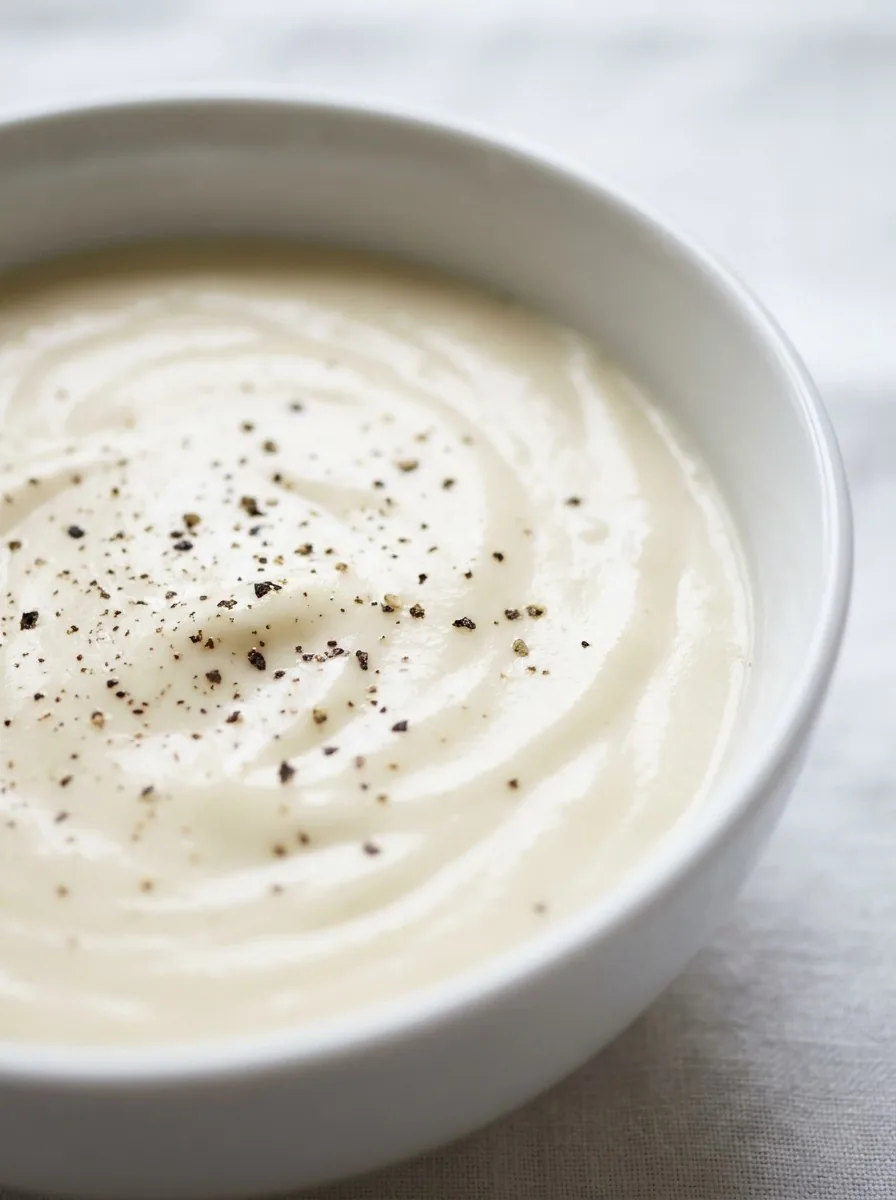
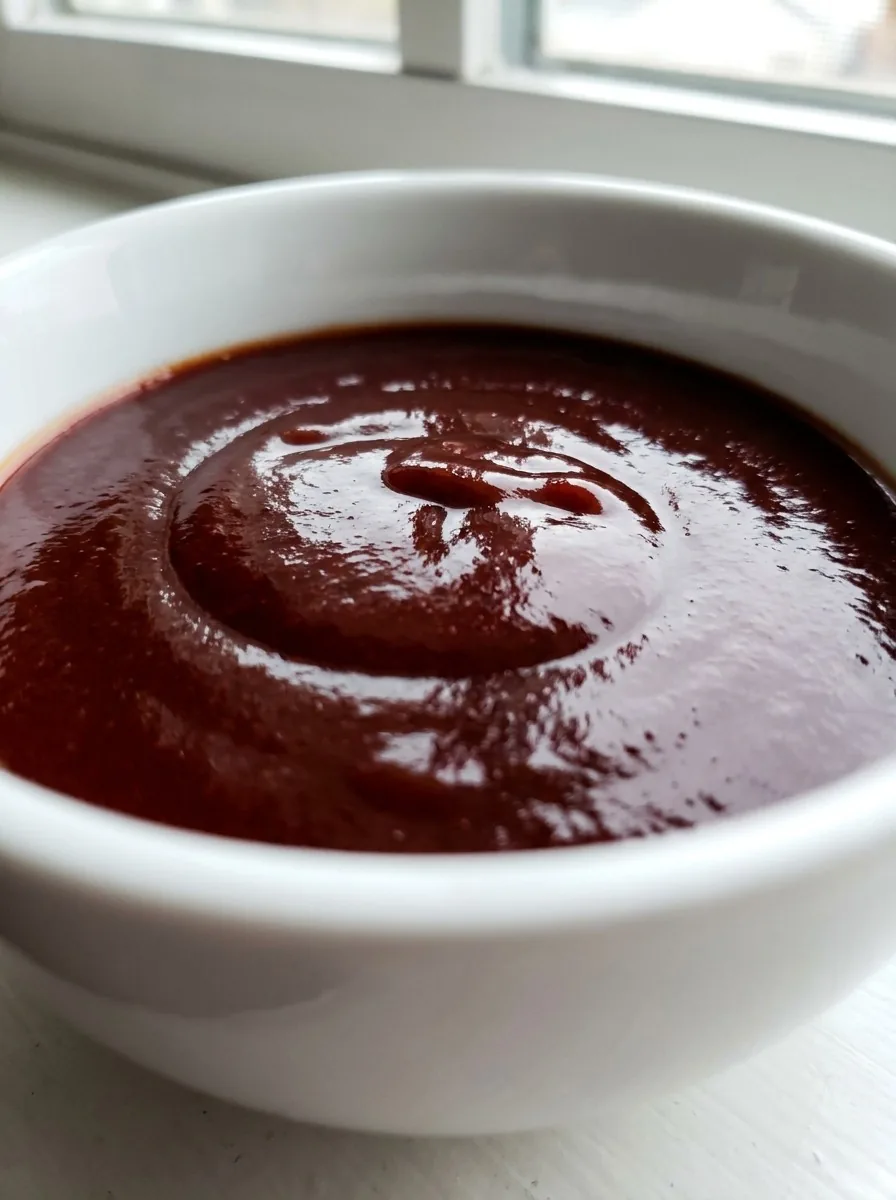
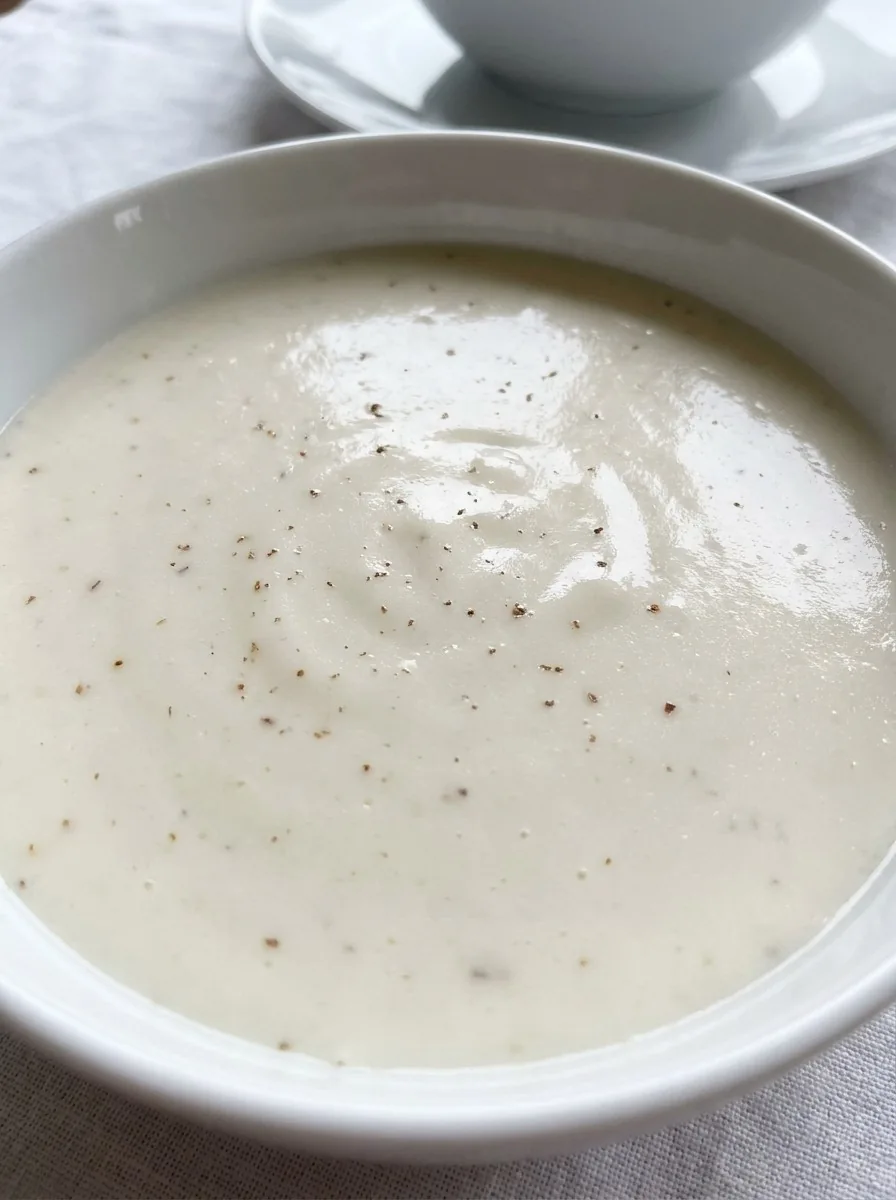
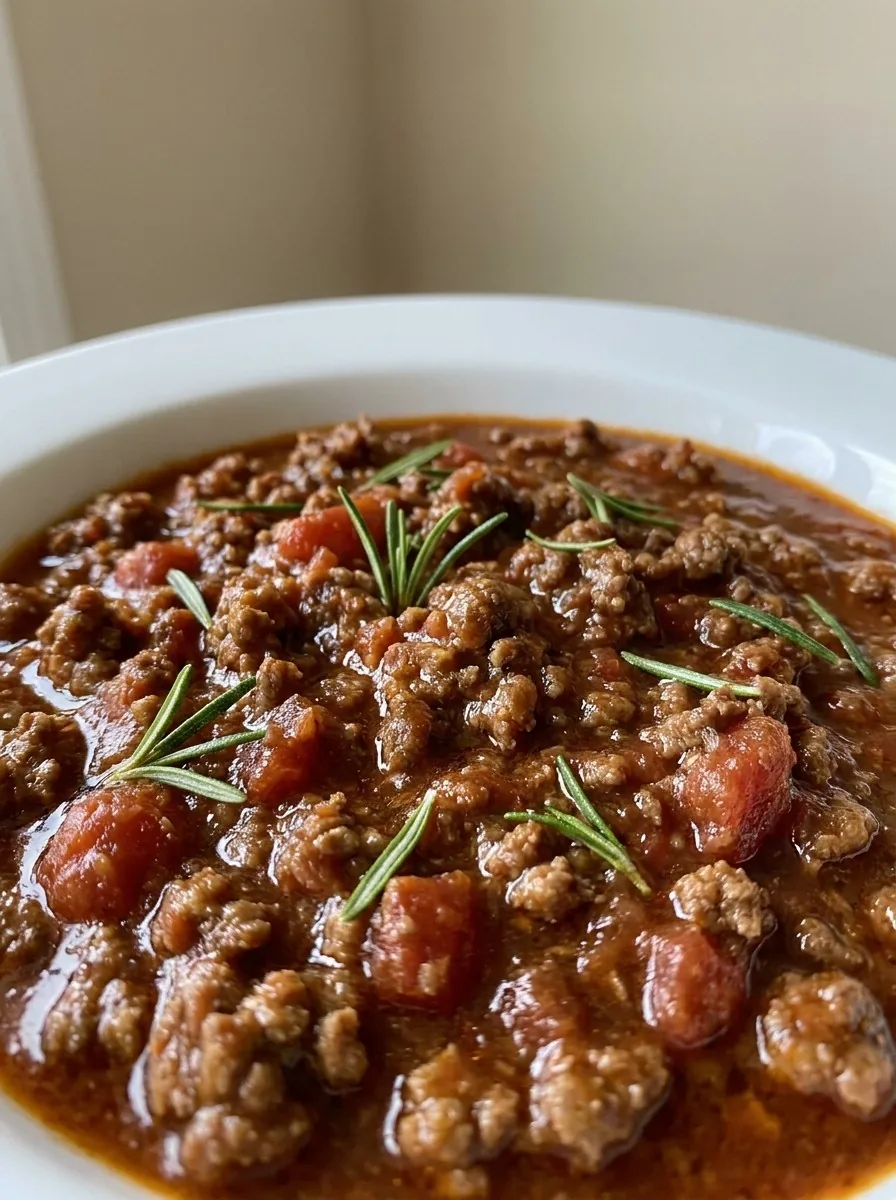
If you like making sauces from scratch, try our alfredo sauce, arrabbiata sauce, bbq sauce and bechamel white sauce next.
Keeping It Fresh
Store the sauce in a sealed jar in the refrigerator; it will stay fresh for up to a week. The cornstarch keeps the sauce thick, but if it separates upon cooling, give it a quick stir to recombine.
For longer storage, freeze the sauce in ice‑cube trays; once frozen, transfer the cubes to a freezer bag. Thaw in the refrigerator overnight and reheat gently.
Avoid repeated heating; each time the sauce is warmed, the quality of the flavor compounds can diminish.
Wrapping Up
This all‑purpose stir‑fry sauce is a testament to the power of simple, well‑chosen ingredients. By blending classic pantry staples, you can create a versatile condiment that adapts to any dish, from sizzling wok meals to chilled dipping sauces.
The recipe’s speed—just 20 minutes—makes it ideal for weeknight dinners or meal prep. The sauce’s balanced flavor profile invites endless experimentation, whether you prefer it sweet, salty, or with a kick of heat.
Feel free to tweak the proportions to suit your palate. A dash more honey, a splash of extra vinegar, or a sprinkle of chili flakes can transform the sauce into a new culinary experience. Enjoy the process, and let the sauce become a staple in your kitchen repertoire.
Frequently Asked Questions
Can I substitute honey with maple syrup?
Yes, maple syrup works well; just reduce the amount slightly to avoid overpowering sweetness.
Is the sauce suitable for vegans?
The original recipe uses honey, but you can replace it with agave nectar or another plant‑based sweetener to make it vegan.
How can I make the sauce gluten‑free?
Use tamari or coconut aminos instead of soy sauce and ensure any added cornstarch is certified gluten‑free.
Can I add more heat?
Add fresh red pepper flakes or a splash of hot sauce; just remember that the sauce will become more pungent.
What’s the best way to store leftovers?
Keep it in a sealed jar in the refrigerator; it will stay fresh for up to a week and can be reheated gently.
◆ ◆ ◆
← Back to ingredientsGet new sauce recipes
One tasty homemade sauce in your inbox each week. No spam, unsubscribe anytime.