Soy Ginger Dipping Sauce: Step-by-Step Instructions
On this page
Pro Tips for Better Results
1. Use a whisk to constantly stir the sauce while it warms; this prevents scorching and ensures a smooth finish.
2. If you prefer a slightly sweeter sauce, increase the honey or maple syrup by half a tablespoon.
3. For a more pronounced ginger bite, grate the ginger finely or use a small amount of ginger paste.
4. To reduce the sauce to a glaze, let it simmer uncovered for a few extra minutes until it coats the back of a spoon.
5. To add a smoky dimension, toast the sesame seeds until golden before adding them to the sauce.
Instructions
- 1. In a small bowl, whisk together soy sauce, rice vinegar, honey (or maple syrup), sesame oil, grated ginger, minced garlic, red pepper flakes, water, and cornstarch until the cornstarch is fully dissolved and no lumps remain; this creates a smooth base that will thicken evenly when heated.
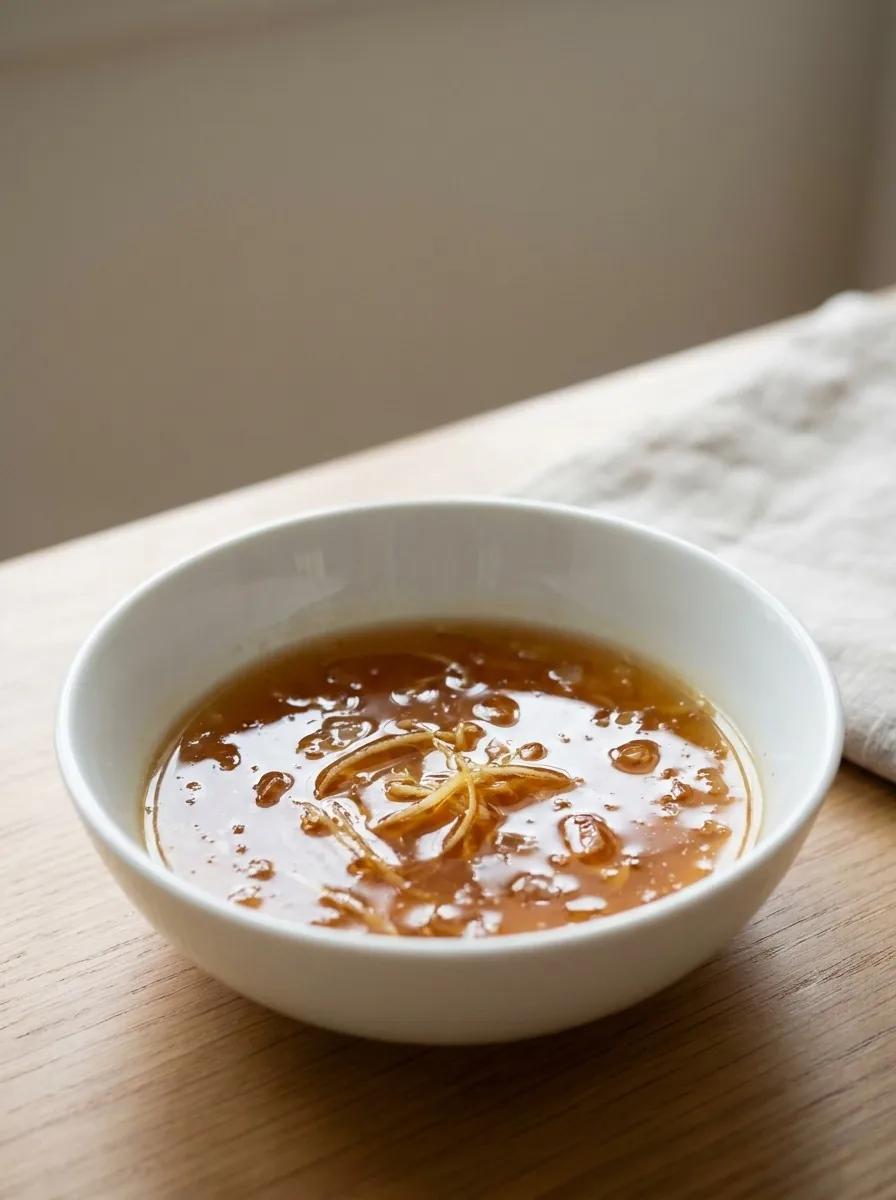
- 2. Transfer the mixture to a small saucepan and heat over medium heat, stirring constantly to prevent sticking; as the sauce comes to a simmer, it thickens into a glossy, silky consistency—this is the key to a restaurant‑style texture.
- 3. Once the sauce has thickened to your desired consistency (about 2–3 minutes), remove it from the heat and let it rest for a minute; resting allows the flavors to meld and the sauce to thicken slightly more, ensuring a balanced bite.
- 4. Stir in the thinly sliced scallions and toasted sesame seeds; these add a fresh, crunchy contrast that elevates the sauce’s aroma and color.
- 5. Taste the sauce and adjust seasoning if necessary—add a splash more soy sauce for saltiness, a touch more honey for sweetness, or a few more red pepper flakes for heat, depending on your preference.
- 6. For a warm serving, pour the sauce into a small bowl and keep it near the stove or heat it again for a few seconds before serving; warm sauce enhances the aroma and creates a comforting coating for hot foods.
- 7. For a chilled version, allow the sauce to cool to room temperature, then cover and refrigerate for at least 30 minutes; cold sauce is refreshing and ideal for dipping cold vegetables or keeping at the table for guests to add to their dishes.
- 8. Serve the sauce with your choice of dumplings, spring rolls, grilled meats, or stir‑fries, and enjoy the burst of umami, heat, and fragrance that pairs perfectly with any Asian‑inspired meal.
Recipe Variations
1. Spicy Sriracha Twist: Replace 1/2 teaspoon of red pepper flakes with an equal amount of Sriracha for an instantly spicier sauce that also adds a hint of tanginess.
2. Low‑Sodium Option: Substitute regular soy sauce with light or reduced‑sodium soy sauce and add a pinch of sea salt to compensate for the lower sodium content.
3. Vegan Friendly: Use maple syrup instead of honey and ensure the soy sauce is free from animal derivatives.
4. Grilled Chicken Glaze: Brush the sauce onto chicken or pork before grilling; the sugars will caramelize, creating a flavorful crust.
Serving Ideas
1. Use the sauce as a dipping liquid for fresh spring rolls, boiled dumplings, or crispy tofu cubes.
2. Drizzle over grilled shrimp or chicken for a quick glaze.
3. Stir into a wok after your vegetables and protein have cooked for a glossy, flavorful finish.
4. Serve alongside a simple salad of cucumber, carrots, and scallions, and let guests spoon the sauce over their own portions.
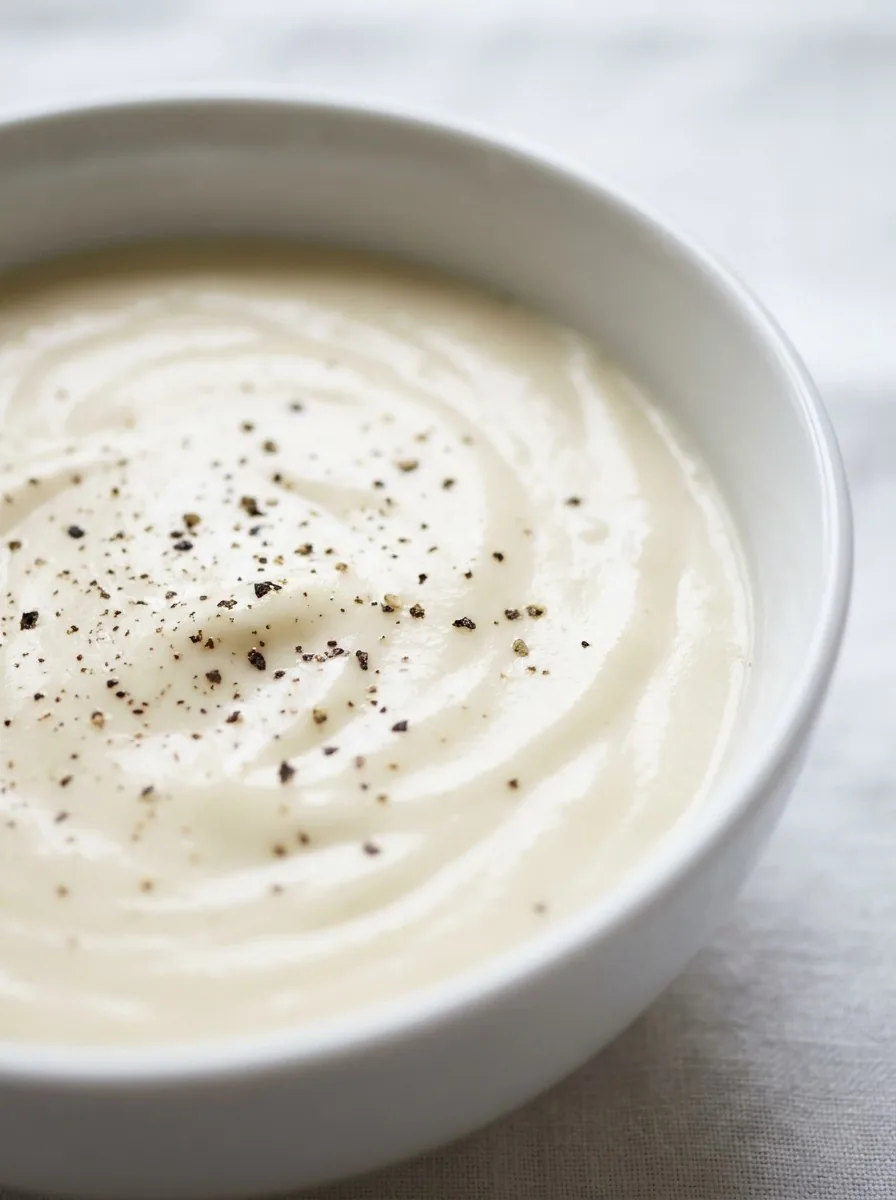
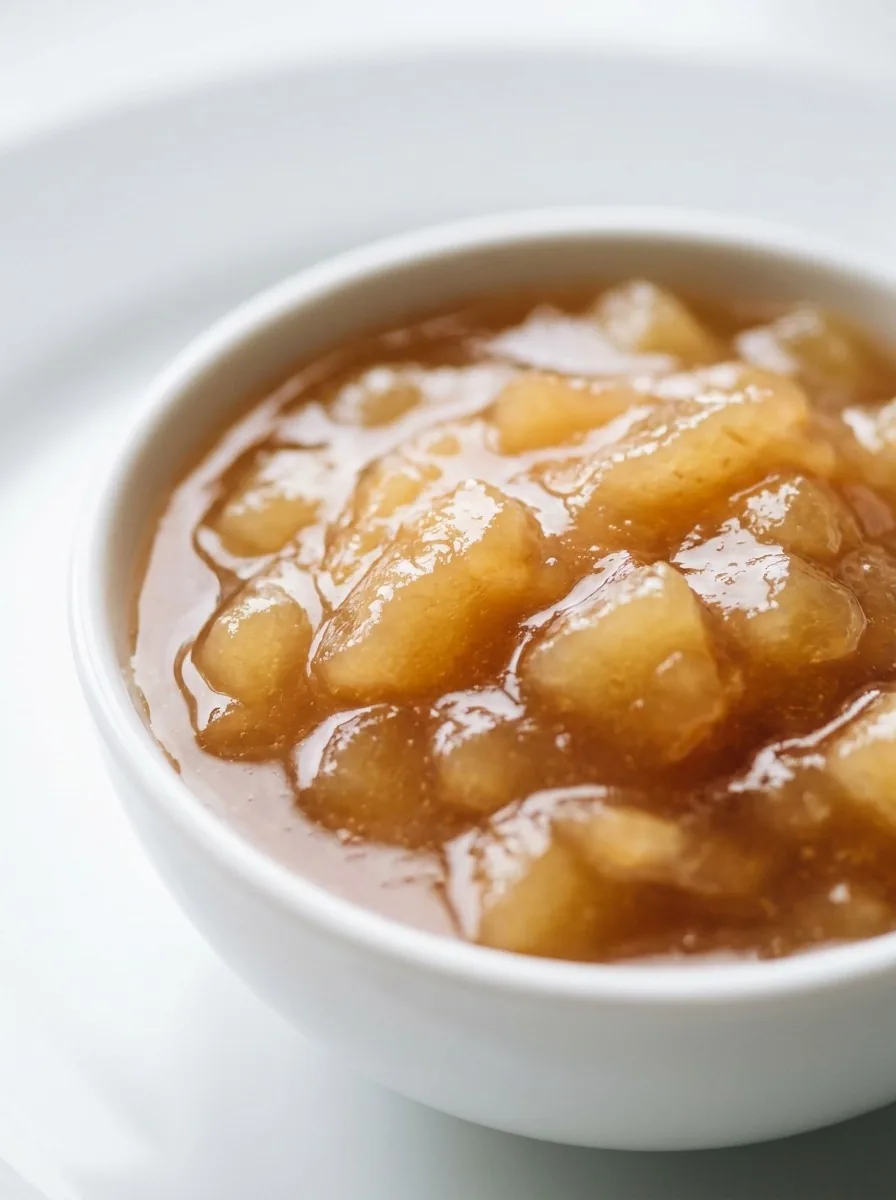
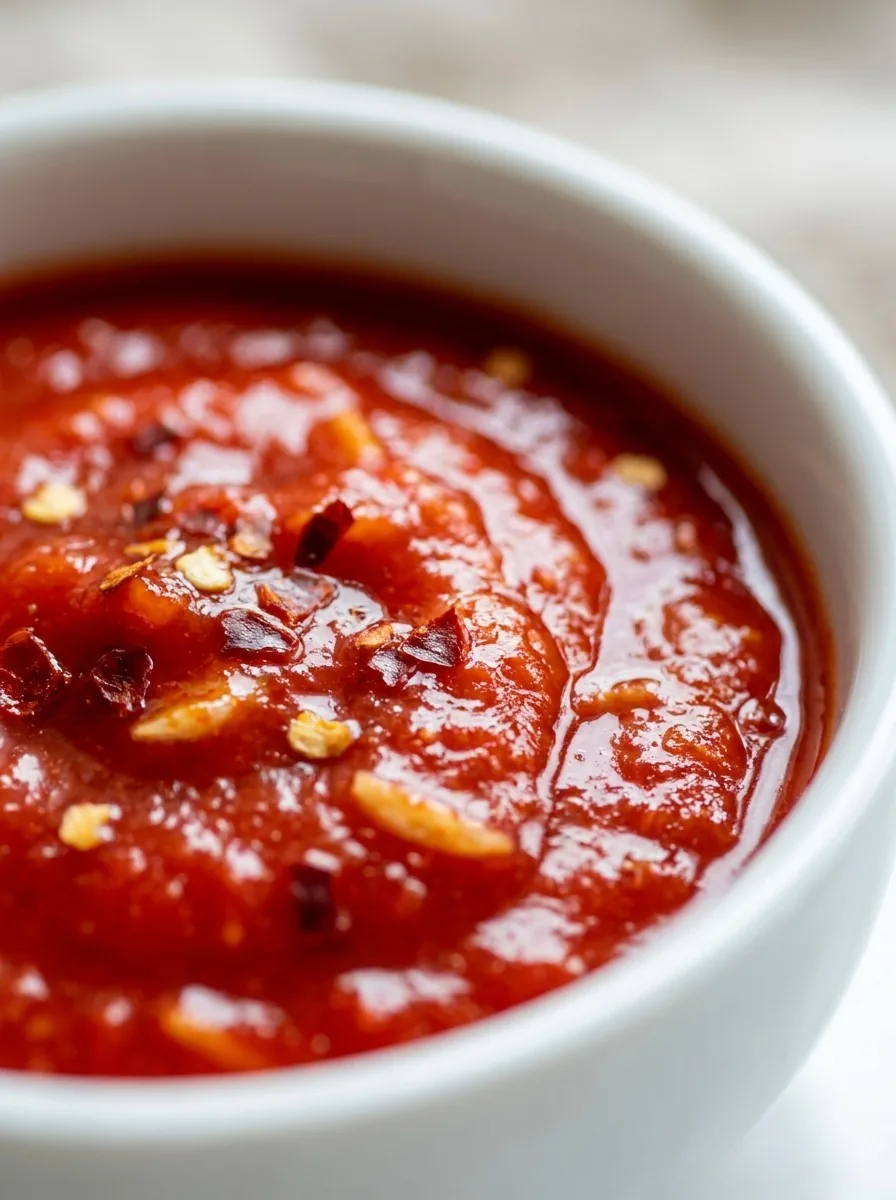
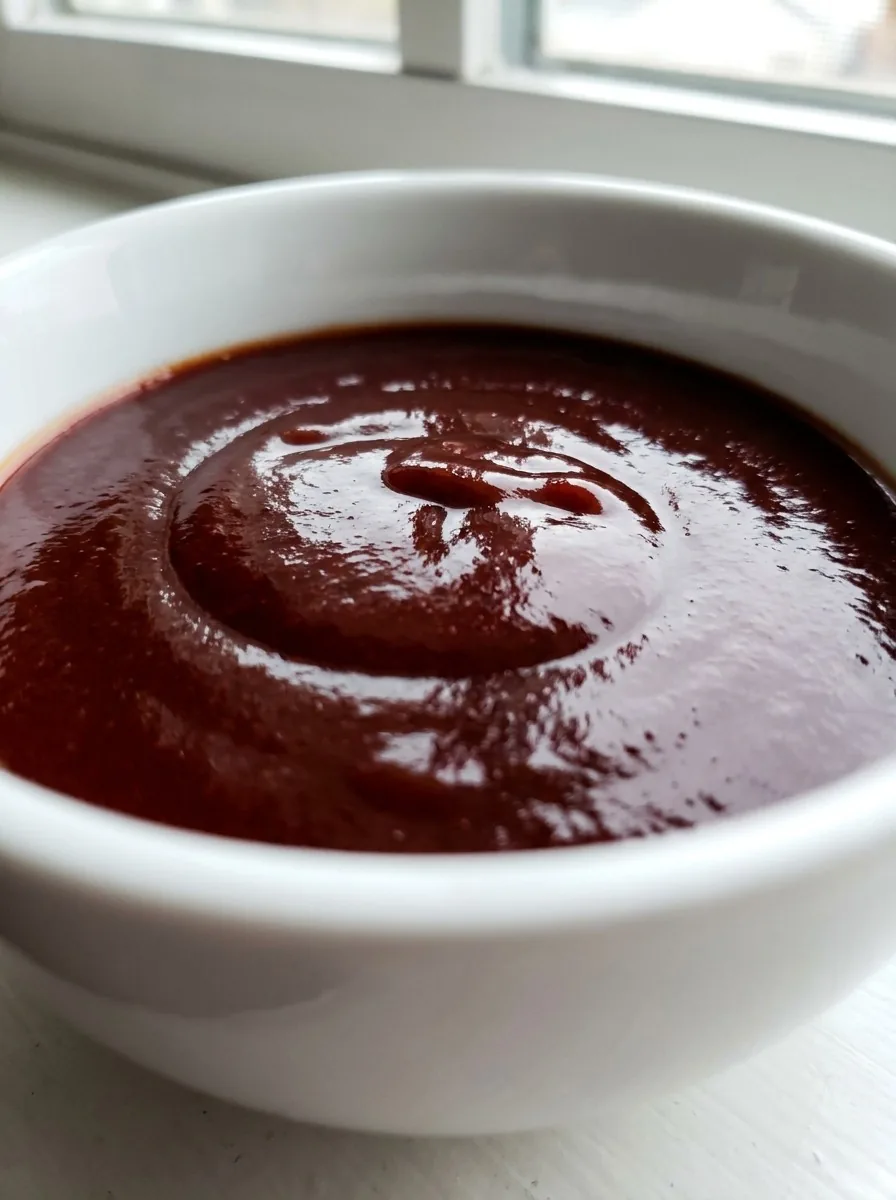
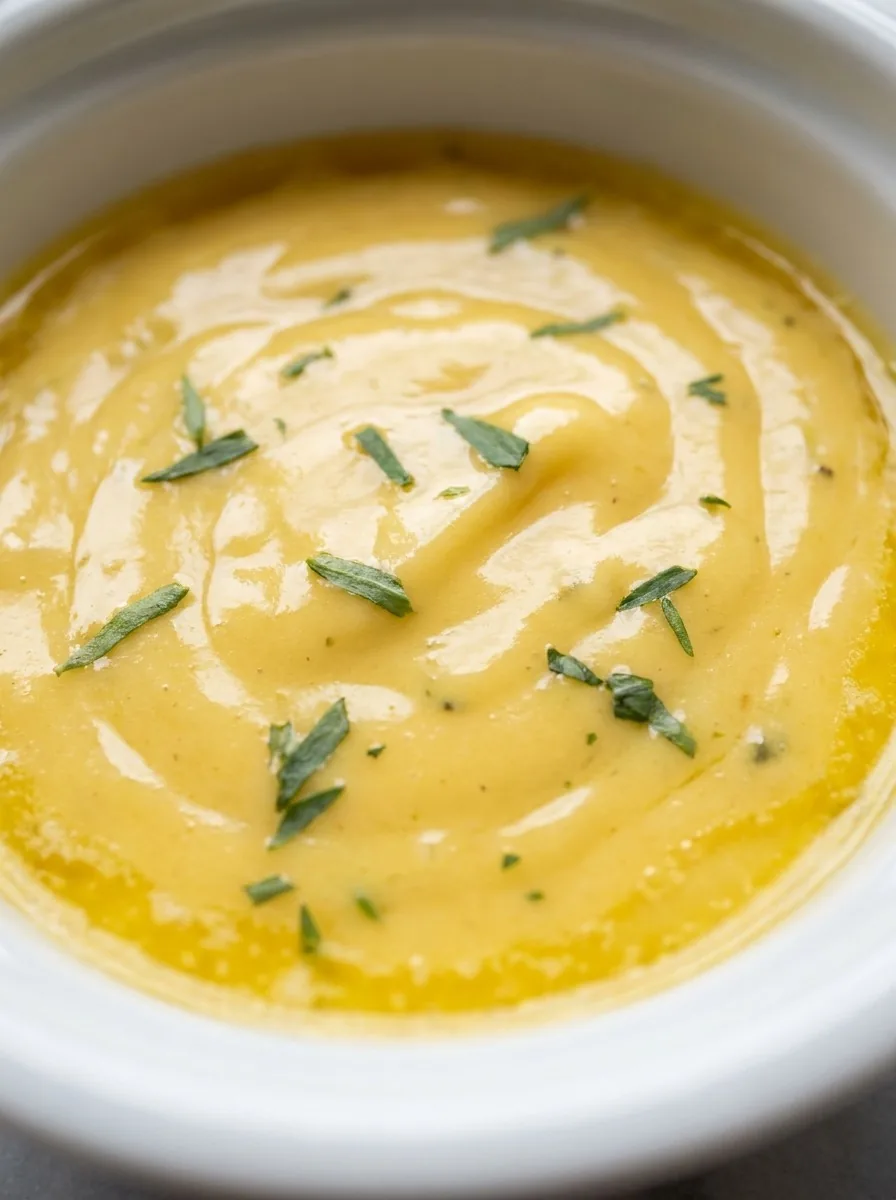
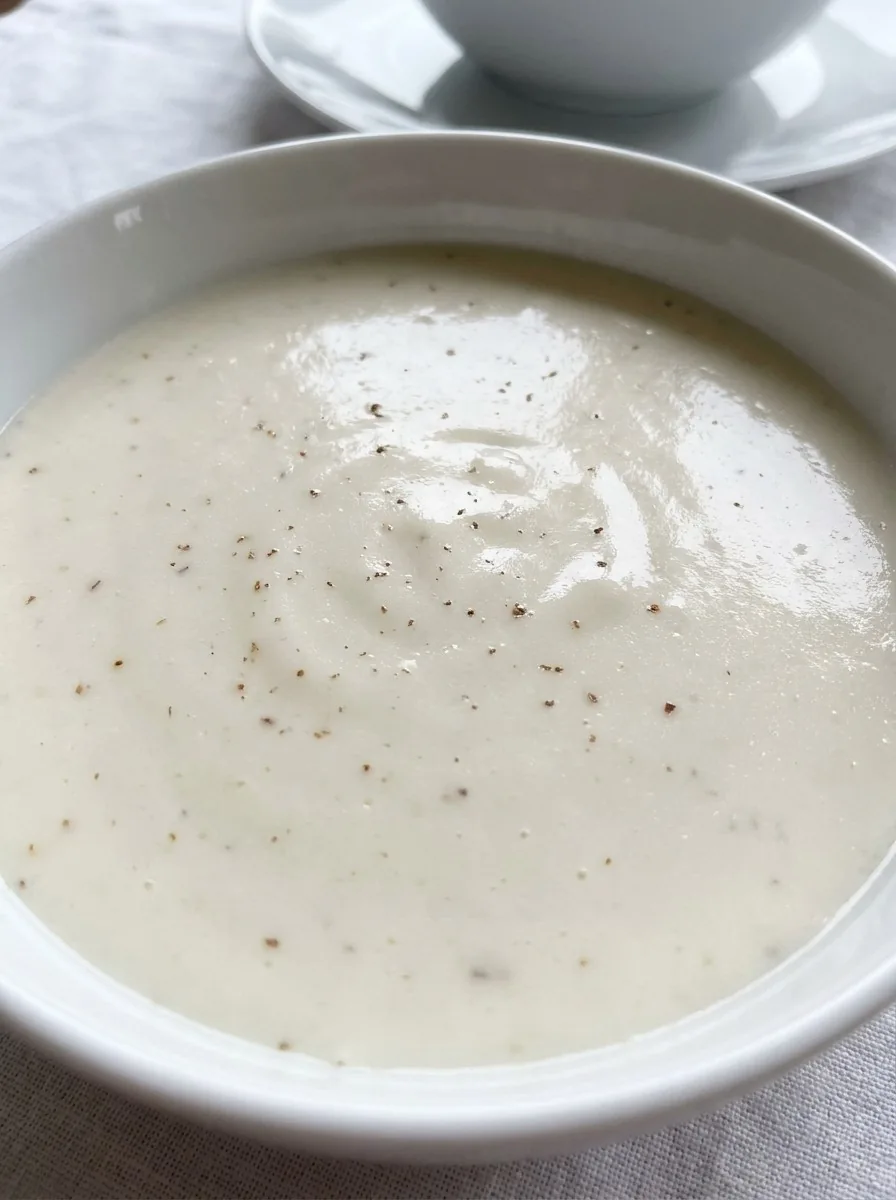
If you like making sauces from scratch, try our alfredo sauce, arrabbiata sauce, bbq sauce and bechamel white sauce next.
Keeping It Fresh
Store the sauce in a sealed container in the refrigerator for up to five days. If the sauce thickens excessively after refrigeration, reheat it gently on the stove or in the microwave, stirring frequently until it returns to its silky consistency. Always bring the sauce to a boil before reheating to ensure any potential bacterial growth is neutralized. Never leave the sauce at room temperature for more than two hours, especially during warm weather.
Wrapping Up
With its quick preparation time, pantry‑friendly ingredients, and versatile flavor profile, this soy‑ginger dipping sauce is a staple that any home cook can master. Whether served warm over grilled meats or chilled as a refreshing dip for fresh vegetables, the sauce delivers depth and balance without the need for expensive store‑bought alternatives. Keep a batch on hand in the refrigerator, and you’ll always have a ready‑to‑serve accompaniment for a wide range of Asian‑inspired dishes. Happy cooking!
Frequently Asked Questions
Can I make this sauce ahead of time?
Yes, the sauce keeps well in an airtight container in the refrigerator for up to 5 days. Reheat gently on the stove or in the microwave, stirring frequently to restore its silky consistency.
Is it possible to make a low‑sodium version?
Absolutely. Reduce the soy sauce to 1 tablespoon and add a pinch of salt or a splash of low‑sodium soy sauce. The honey or maple syrup will still provide the necessary sweetness.
Can I use fresh ginger instead of grated?
Fresh ginger can be used; simply peel and finely mince it. The flavor will be slightly milder than grated ginger, but it will still contribute warmth and depth.
What if I don’t have cornstarch?
You can substitute arrowroot powder or potato starch in the same quantity; both will thicken the sauce similarly. If you prefer a thinner sauce, omit the thickener entirely.
Is it safe to store the sauce at room temperature?
No, because the sauce contains raw garlic and fresh ginger, which can spoil quickly. Keep it refrigerated and consume within 5 days for safety.
◆ ◆ ◆
← Back to ingredientsGet new sauce recipes
One tasty homemade sauce in your inbox each week. No spam, unsubscribe anytime.
Comments (10)