Mexican Salsa Roja: Step-by-Step Instructions
On this page
Pro Tips for Better Results
Use ripe, firm tomatoes for maximum juice and natural sweetness; if they’re slightly underripe, simmer longer to encourage breakdown. For a smoky edge, toast the spices in the skillet for 30‑second intervals before adding tomatoes. If you prefer a chunkier salsa, pulse the mixture in the blender rather than fully smooth it. To keep the salsa bright, add a splash of fresh lime juice after blending rather than before, which prevents the color from dulling. Finally, let the sauce rest for 10 minutes after blending; this resting period allows the flavors to meld and the texture to settle.
Instructions
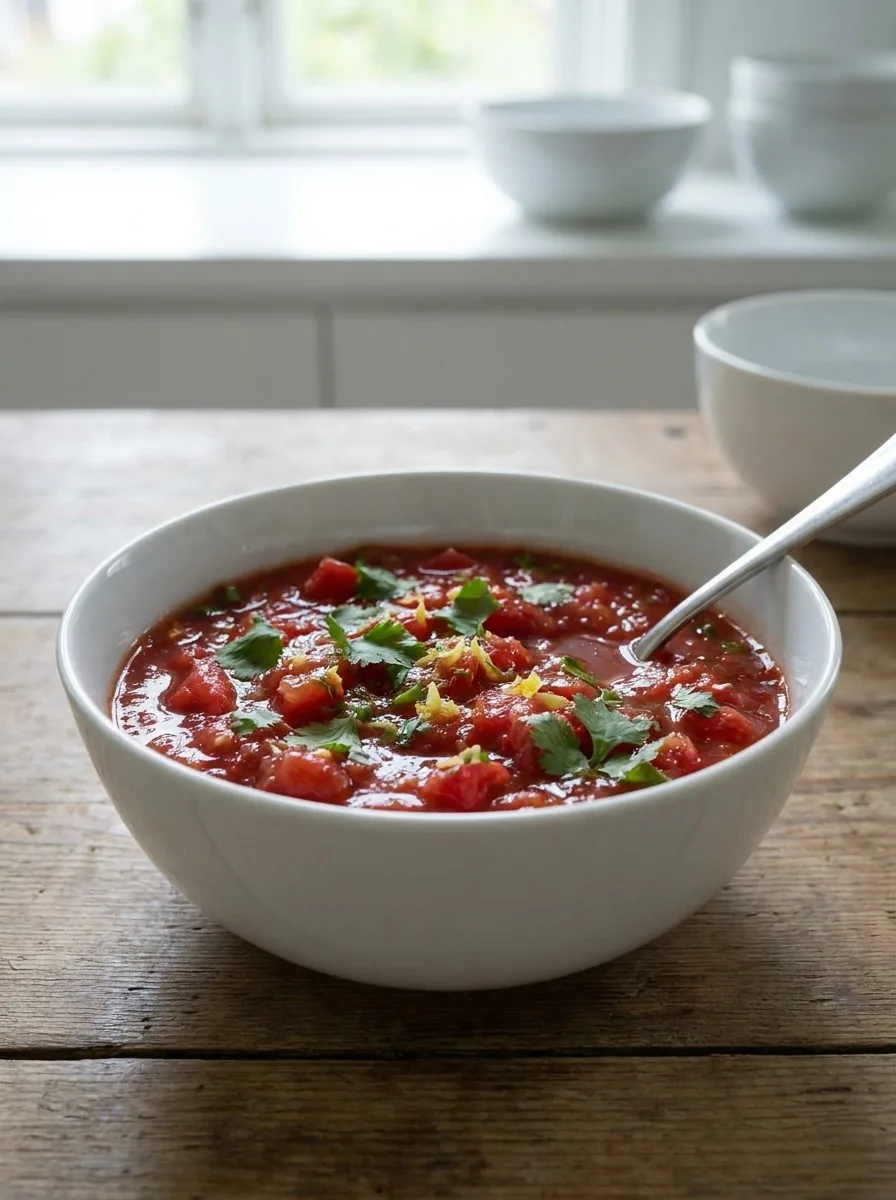
- Heat a dry skillet over medium heat, then add the diced tomatoes and cook until they break down, releasing their natural juices; this step creates a base flavor that deepens with gentle caramelization.
- While the tomatoes simmer, finely chop the onion, garlic, and jalapeño; the small pieces allow them to integrate smoothly into the sauce without dominating the texture.
- Stir in the chopped aromatics to the skillet, cooking for 3–4 minutes until the onion turns translucent, which helps mellow the sharpness of the raw vegetables.
- Sprinkle in the oregano, cumin, smoked paprika, salt, pepper, and optional sugar; these spices balance acidity and add warmth, and the sugar helps neutralize the tomato tartness.
- Pour in the olive oil and lime juice, then simmer the mixture for an additional 5 minutes, letting the flavors meld while the oil coats the ingredients, enhancing mouthfeel.
- Transfer the hot mixture to a blender or use a handheld immersion blender; blending breaks down the solids into a smooth consistency while preserving heat for a warm salsa.
- Taste and adjust seasoning, adding more salt or lime if needed; this final tweak ensures the salsa is bright and balanced for your palate.
- Serve immediately at room temperature or let it cool to serve chilled; the sauce remains vibrant and flavorful whether warm or cold.
Recipe Variations
Swap the jalapeño for a milder pepper like bell pepper if you want to reduce heat, or add a pinch of cayenne for extra spice. For a smoky twist, blend in a spoonful of chipotle in adobo sauce or a dash of smoked paprika. If you’re in the mood for a fruitier salsa, dice mango or pineapple and fold them in after blending; the fruit’s natural sweetness balances the tomato’s acidity. Finish the sauce with a handful of fresh cilantro or parsley for a fresh herbal note, or drizzle a splash of avocado oil for a buttery mouthfeel. Experiment with different herbs and spices to tailor the salsa to your taste.
Serving Ideas
Warm salsa pairs beautifully with grilled corn or steak, adding a burst of flavor to each bite. When cooled, it makes a versatile dip for tortilla chips, raw veggies, or a spread on toasted bread. Toss it into tacos or burritos for a bright, tangy contrast that cuts through rich meats and cheeses. If you prefer a lighter sauce, thin it with a splash of water or a dash of salsa verde for a more liquid texture that’s perfect for dipping. The salsa also doubles as a quick sauce for eggs, a glaze for roasted vegetables, or a topping for baked potatoes.
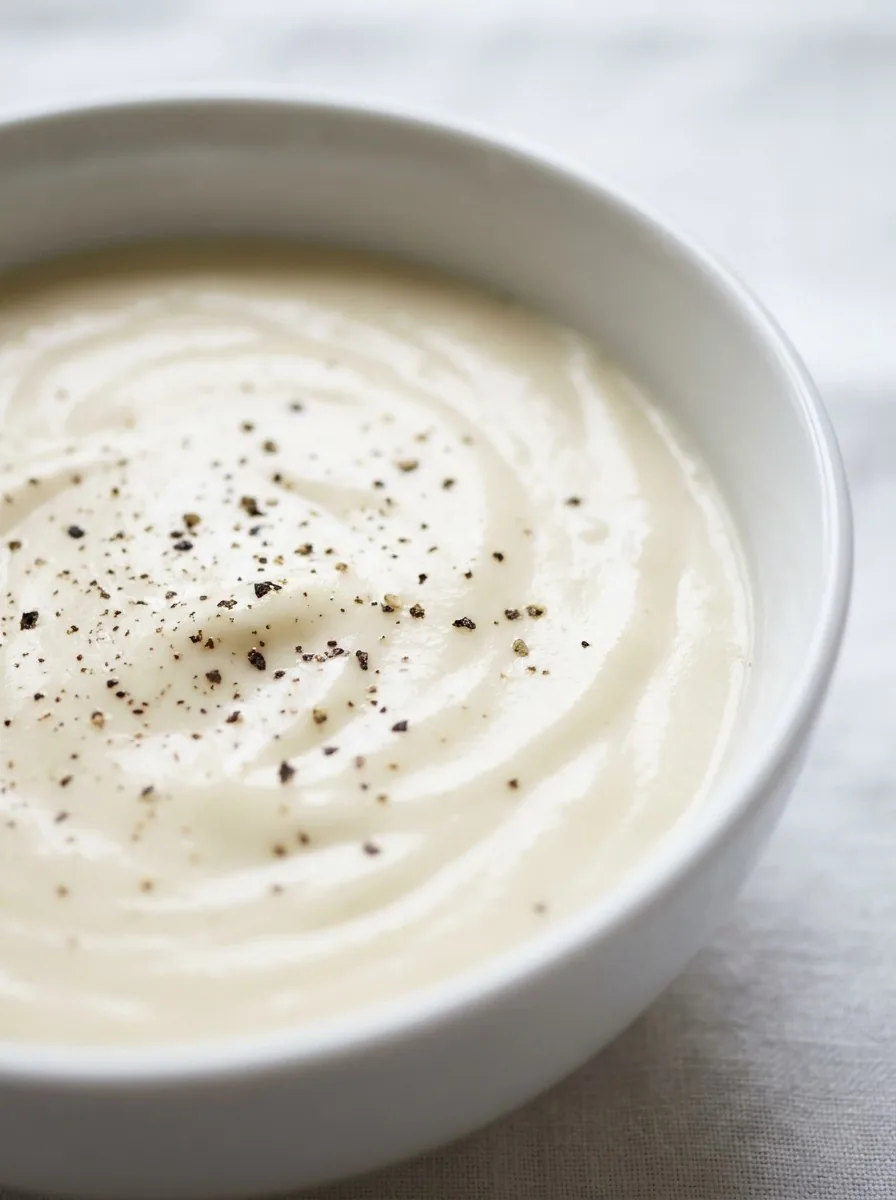
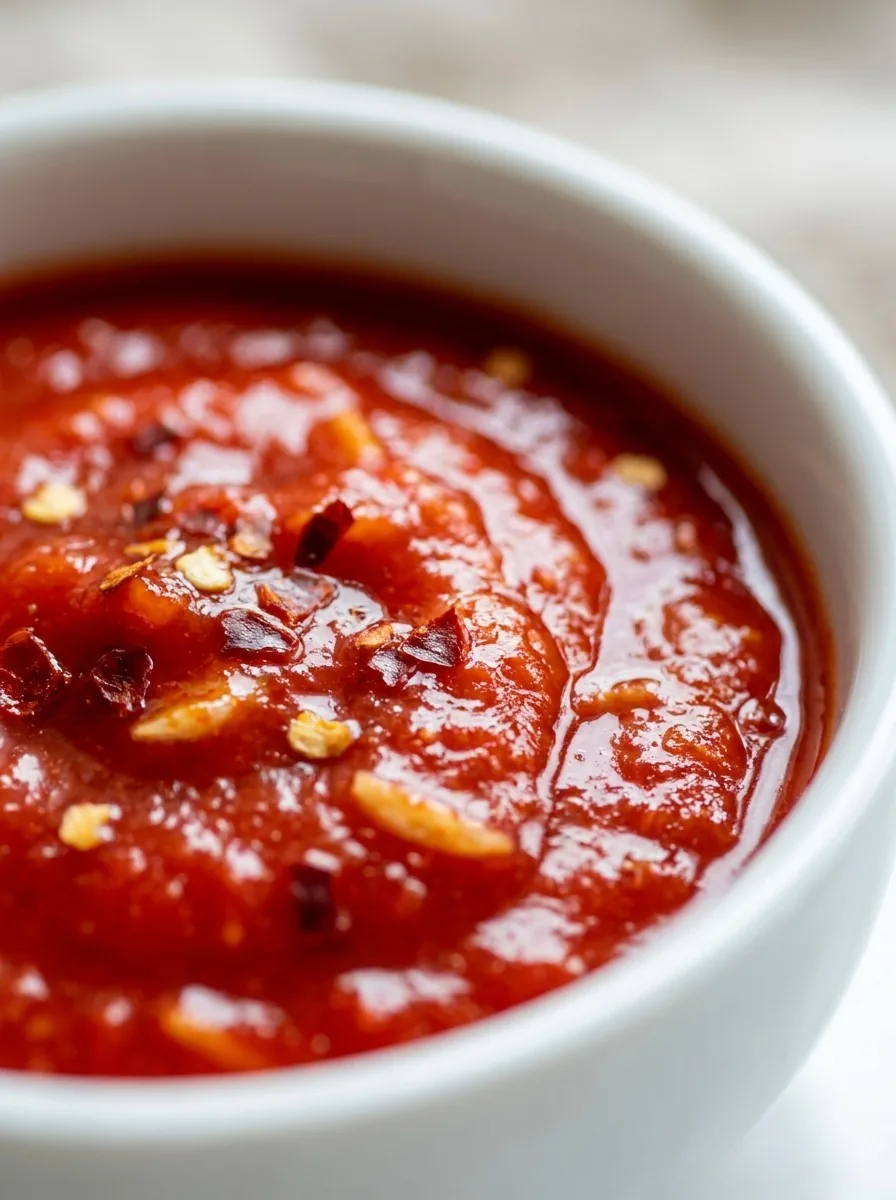
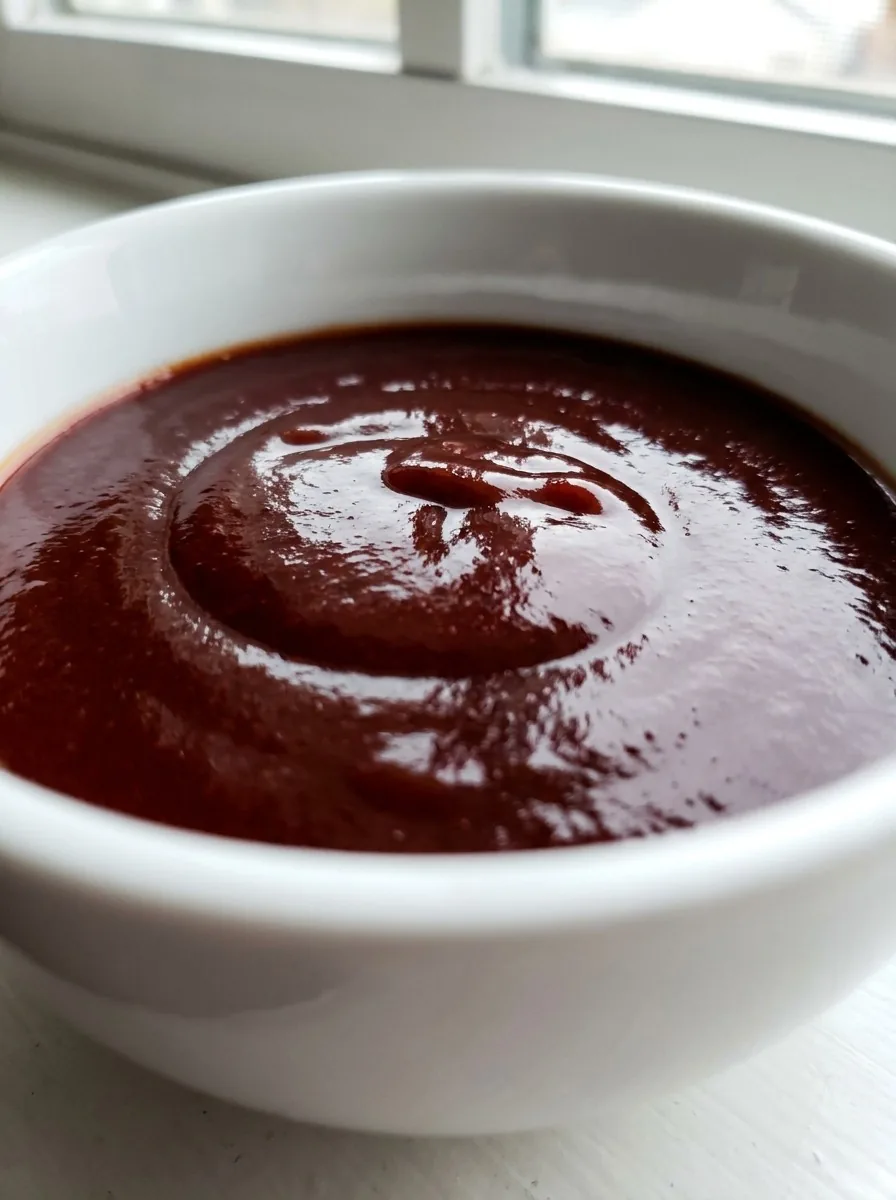
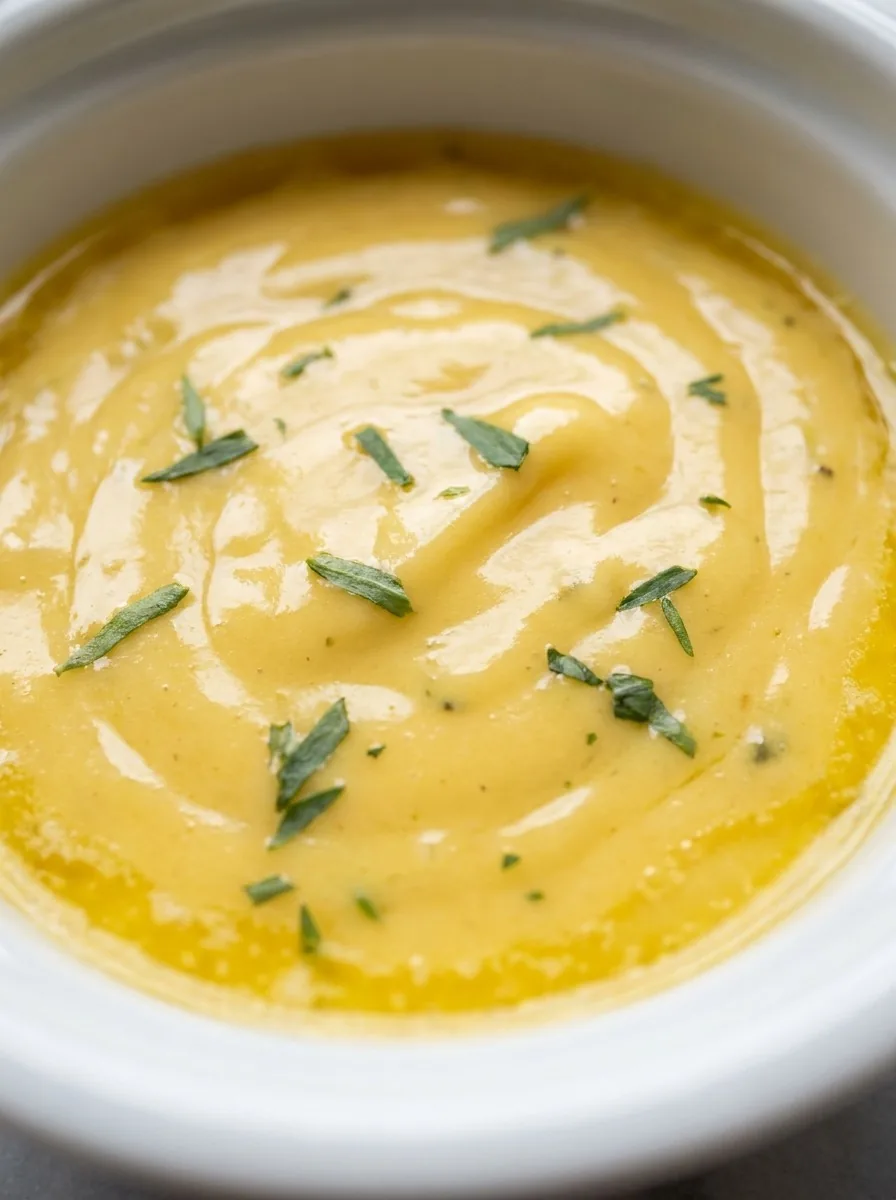
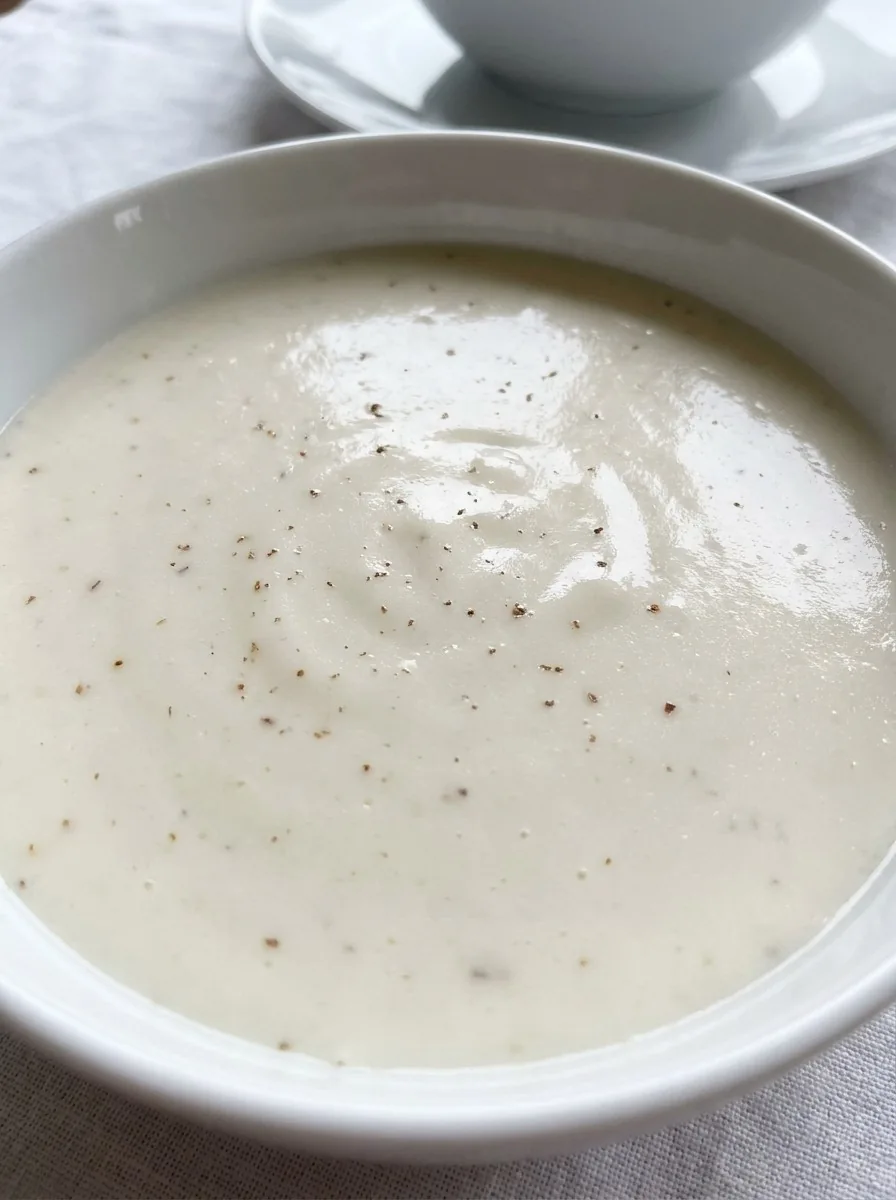
If you like making sauces from scratch, try our alfredo sauce, arrabbiata sauce, bbq sauce and bechamel white sauce next.
Keeping It Fresh
Refrigerate the salsa in a sealed container for up to five days; the flavors will mellow and the tomatoes will become more tender. Keep it chilled until serving to preserve its bright hue and prevent spoilage. If the mixture separates, give it a gentle stir or a quick pulse in a hand blender to re‑emulsify the oils. Resist adding extra liquid after it has cooled, as this can compromise safety. For longer preservation, freeze the salsa in small ice‑cube trays; thaw only the amount you need for a single meal and discard any remaining cubes after a week.
Wrapping Up
This homemade salsa roja showcases how simple, fresh ingredients can produce a sauce with depth, brightness, and versatility. By following the step‑by‑step approach, you’ll achieve a balanced flavor profile that works whether served hot or cold. The recipe’s flexibility allows you to adjust heat, texture, and even add complementary ingredients to suit your taste. Keep the sauce in the fridge and enjoy it within a week for the best flavor and safety. Grab a bowl of chips, a taco, or a grilled steak, and let this salsa elevate your meal with authentic Mexican flair.
Frequently Asked Questions
Can I make this salsa in advance?
Yes, you can prepare the salsa up to 24 hours ahead. Keep it refrigerated in an airtight container; the flavors will deepen and the tomatoes will become more tender.
What if I don’t have a blender?
You can use a food processor or simply mash the mixture with a fork, though the texture will be chunkier.
How do I control the heat level?
Adjust the number of jalapeños or remove the seeds and membranes; for a milder salsa, use only half a jalapeño.
Is it safe to eat raw tomatoes in salsa?
Yes, fresh tomatoes are safe; just wash them thoroughly and cut away any bruised parts.
Can I freeze the salsa?
Freezing salsa can alter its texture, making it watery; it’s best to consume within a week of refrigeration.
◆ ◆ ◆
← Back to ingredientsGet new sauce recipes
One tasty homemade sauce in your inbox each week. No spam, unsubscribe anytime.
Comments (18)