Spanish Romesco Sauce: Step-by-Step Instructions
On this page
Pro Tips for Better Results
Do not skip the step of letting the roasted peppers steam in a covered bowl. This step is critical for loosening the skins, which can be difficult to remove if the peppers are still hot and firm. If you are using a blender instead of a food processor, add the liquid ingredients first to create a vortex that pulls the solids down into the blades.
Taste the sauce before adding the final salt. The smoked paprika can sometimes have varying levels of intensity, so adjust the seasoning to taste. If the sauce is too thick, add water one teaspoon at a time rather than adding more oil, which can make the texture too greasy. A small pinch of sugar can help balance excessive acidity if you use a particularly sharp vinegar.
Instructions
- Preheat your oven to 400°F (200°C) and line a baking sheet with parchment paper.
- Place the whole red bell pepper, chili pepper, and garlic clove on the baking sheet and roast for 25-30 minutes until the skins are charred and blistered.
- Transfer the roasted vegetables to a bowl and cover with a clean kitchen towel; let them steam for 10 minutes to loosen the skins.
- Peel the roasted vegetables, removing the charred skins, stems, and seeds, leaving the flesh intact.
- In a dry skillet over medium heat, toast the almonds for 3-5 minutes until fragrant and lightly golden, shaking the pan frequently to prevent burning.
- Add the roasted pepper, chili, garlic, toasted almonds, olive oil (save 1 tablespoon), vinegar, paprika, salt, and pepper to a food processor.
- Process the mixture for 2-3 minutes, scraping down the sides as needed, until it becomes a thick, smooth paste.
- Taste the sauce and adjust seasoning with more salt, vinegar, or water to reach your desired level of tanginess and consistency.
- If the sauce is too thick, blend in the reserved tablespoon of olive oil or a splash of water to loosen it.
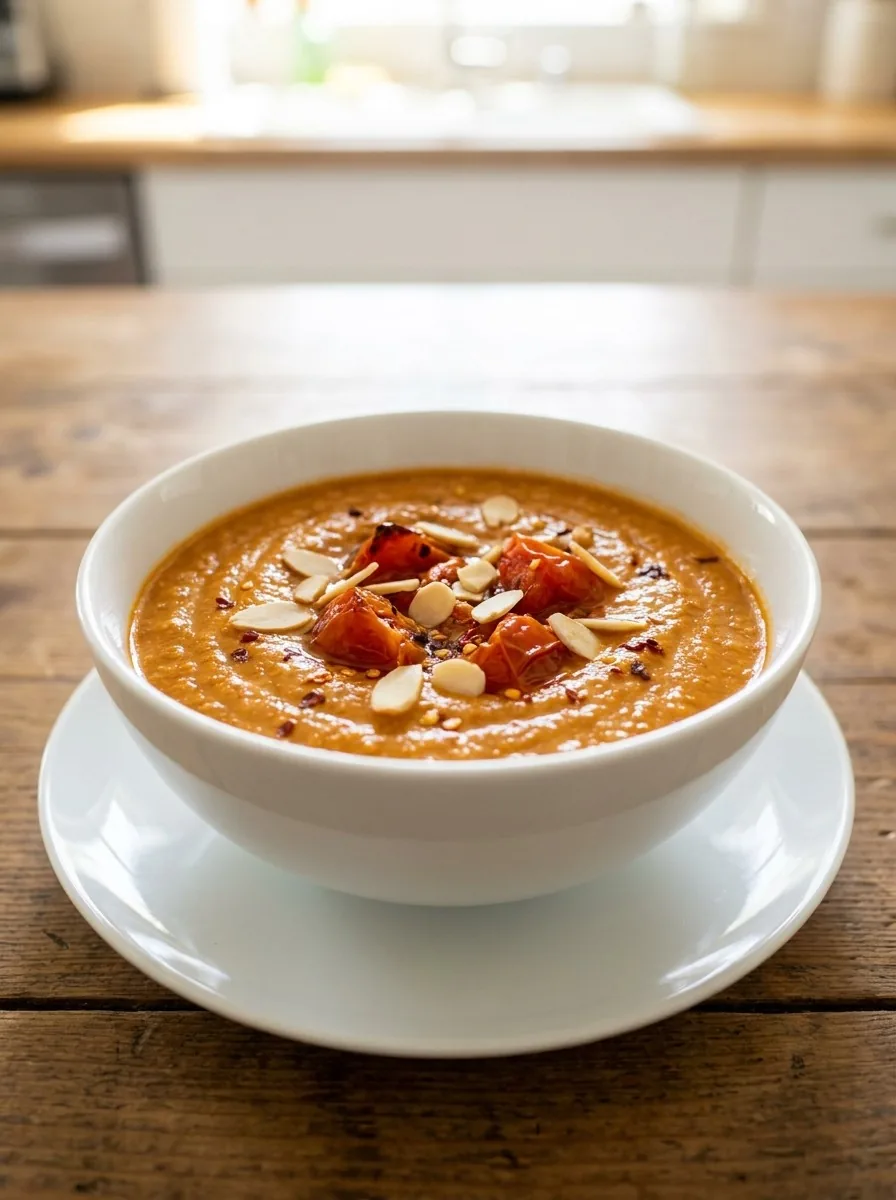
- Transfer the Romesco to a jar or bowl; serve warm for dipping or chill it for up to five days for a colder application.
Recipe Variations
For a green Romesco, substitute the red peppers with roasted green bell peppers and add a tablespoon of capers for a briny note. This version pairs well with grilled white fish. If you prefer a creamier texture, add two tablespoons of plain yogurt or sour cream after blending the base ingredients. This adds a tangy freshness and lightens the body of the sauce.
You can also experiment with different nuts. Hazelnuts provide a sweeter, more intense flavor than almonds, while walnuts add a slightly bitter note that works well with roasted eggplant. For a vegan version, ensure the vinegar is plant-based and avoid any dairy additions. A splash of lemon juice can replace the sherry vinegar for a brighter, fresher finish.
Serving Ideas
Romesco is traditionally served with roasted vegetables like eggplant, zucchini, and potatoes. Spoon it over a plate of grilled chicken or pork chops for a quick dinner upgrade. It also works beautifully as a dip for fresh bread or crudités. The smoky flavor complements the char from the grill, making it a natural pairing for summer barbecues.
Use it as a dressing for mixed greens with grilled shrimp or avocado. Drizzle it over a bowl of pasta with white beans and spinach for a hearty lunch. It can also be used as a marinade for fish before grilling, although the heat may cause the oils to separate, so it is best applied as a glaze during the last minutes of cooking or served on the side.
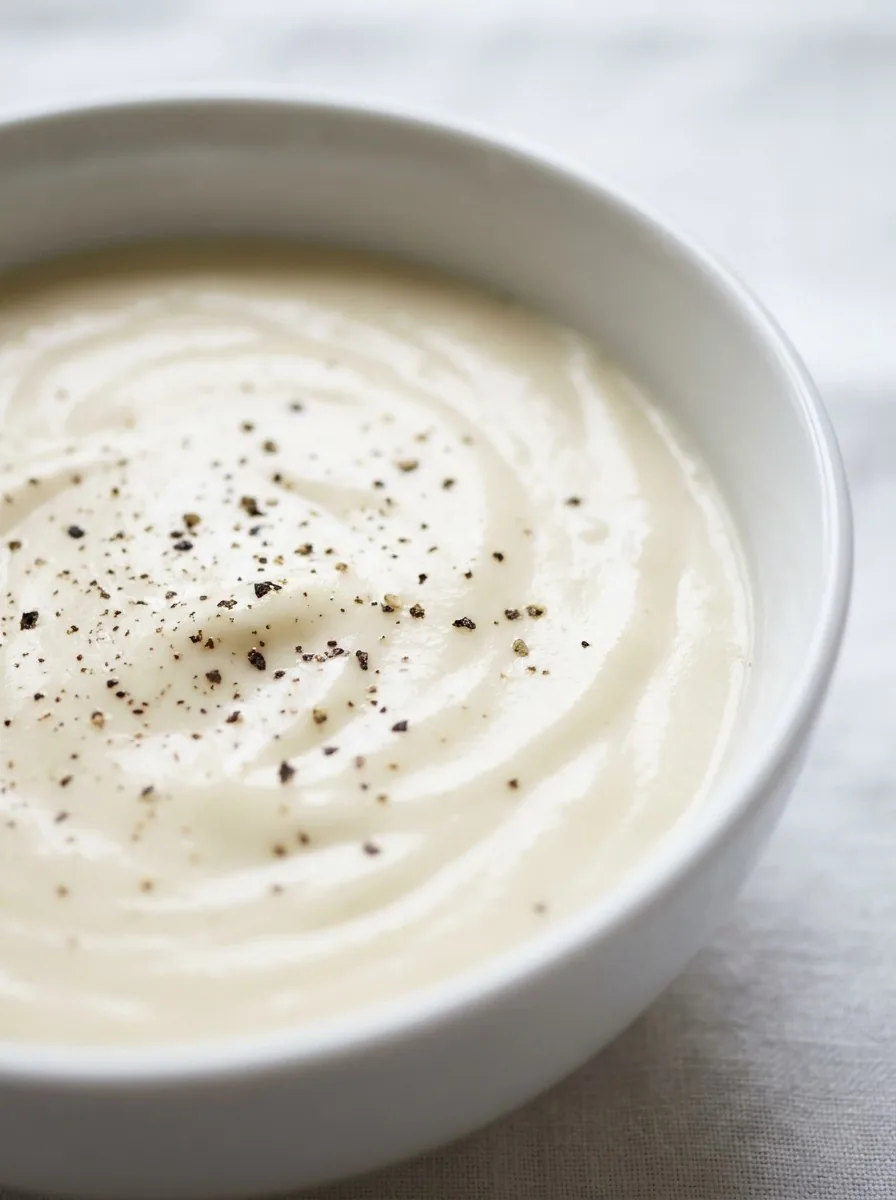
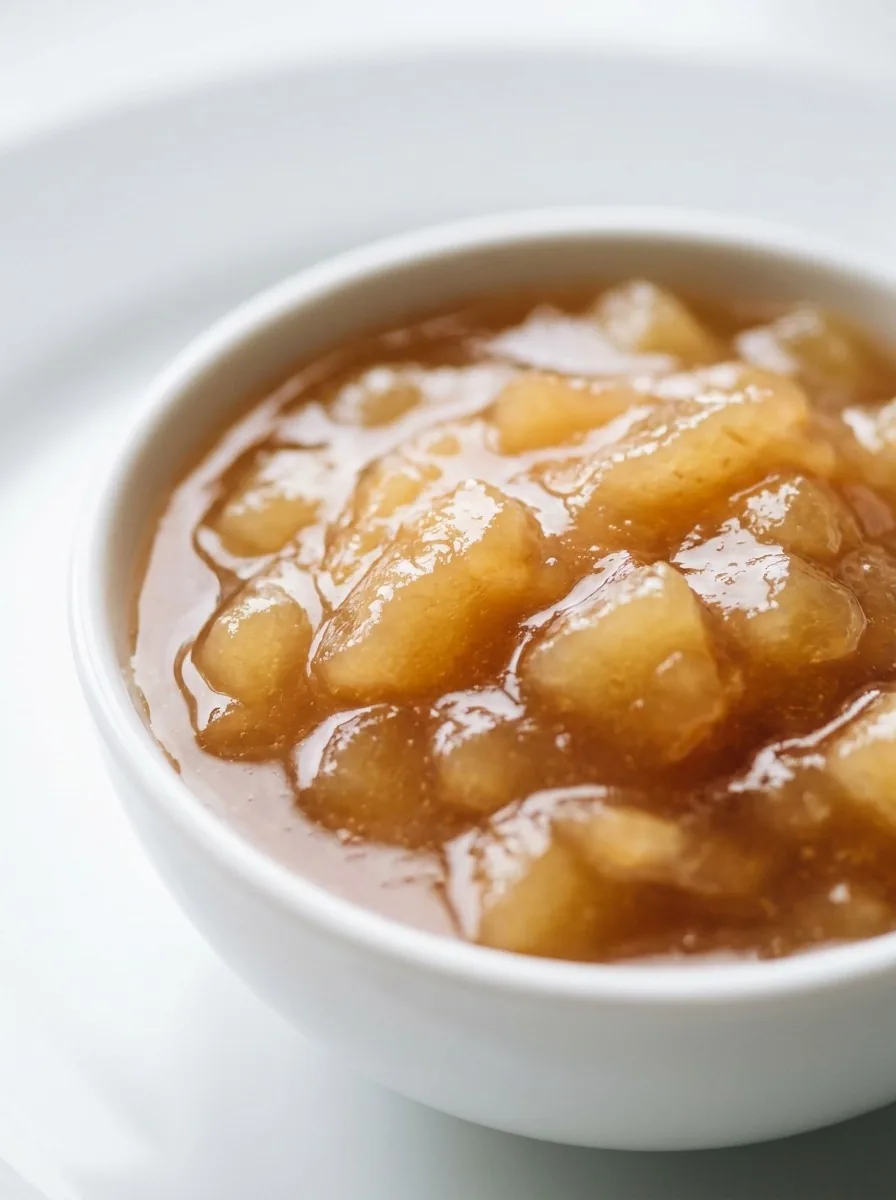
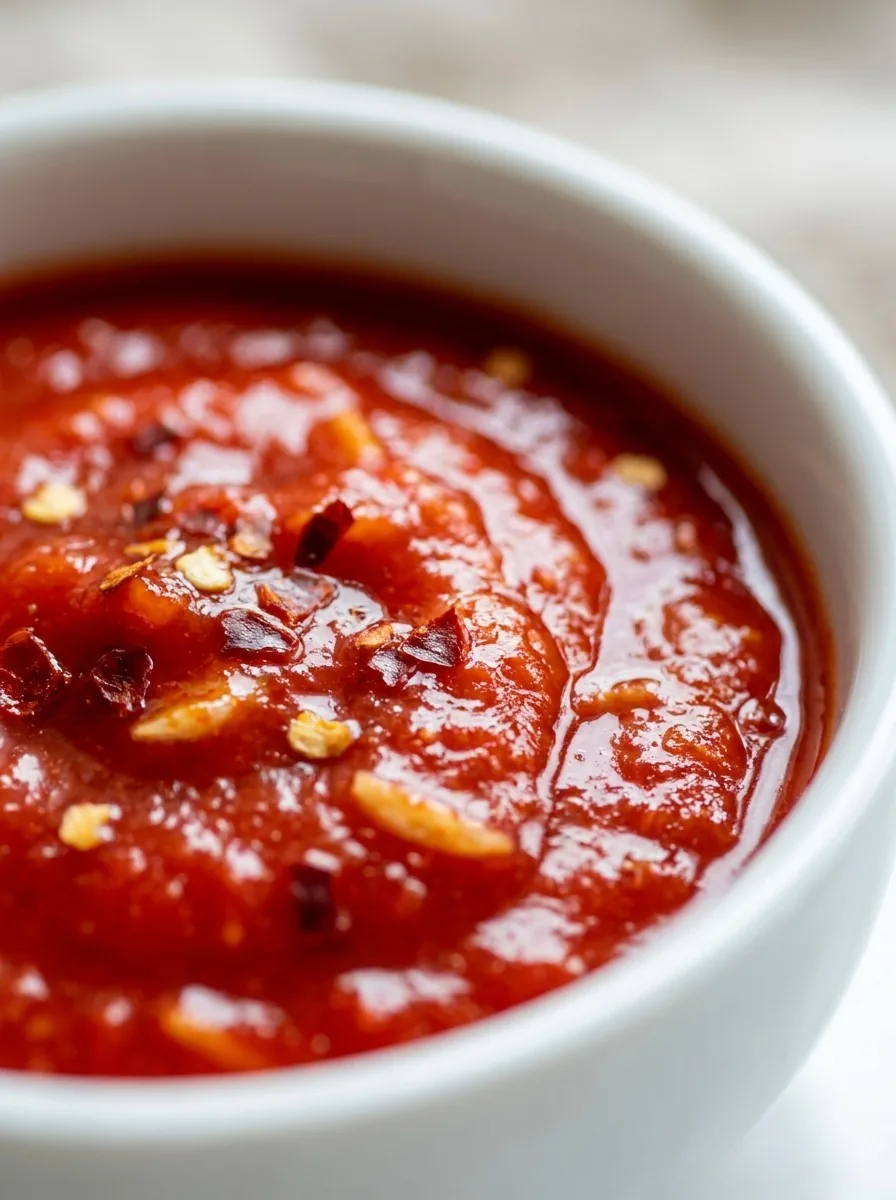
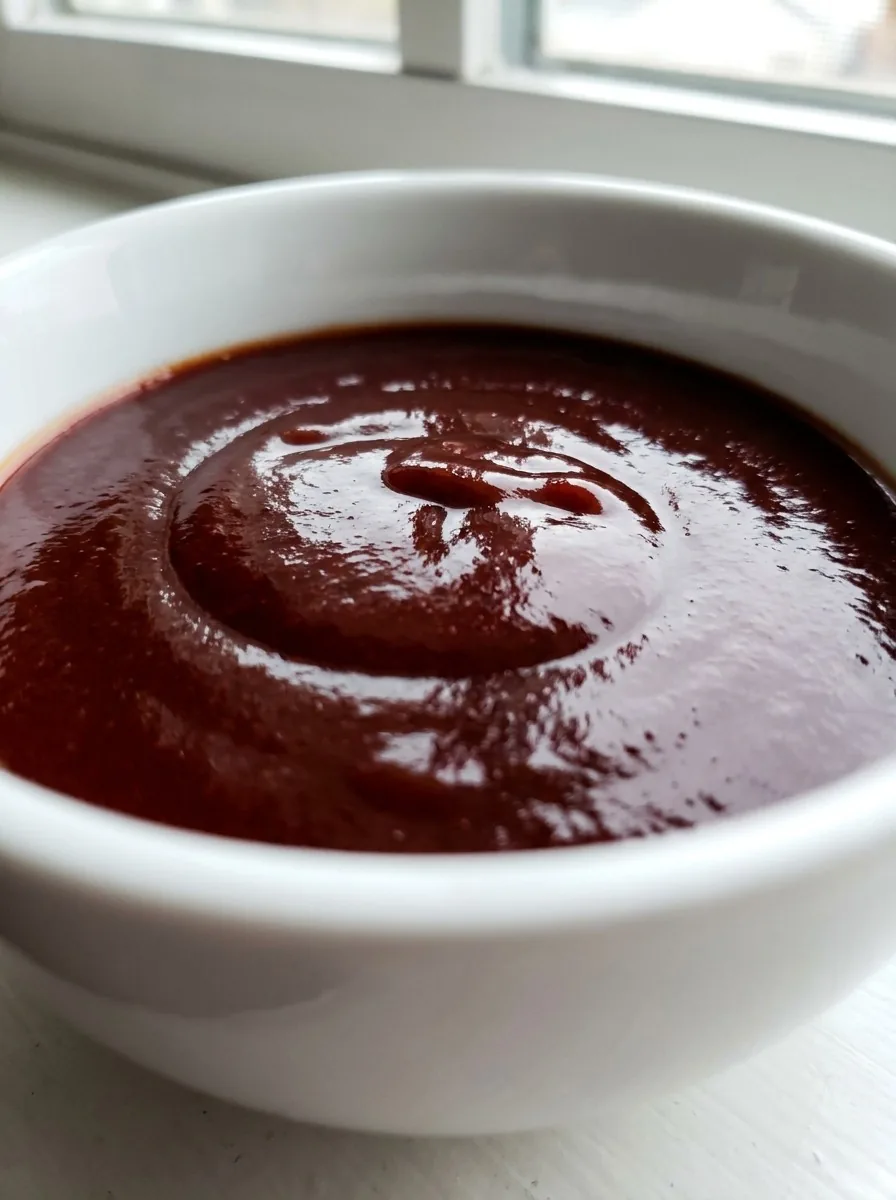
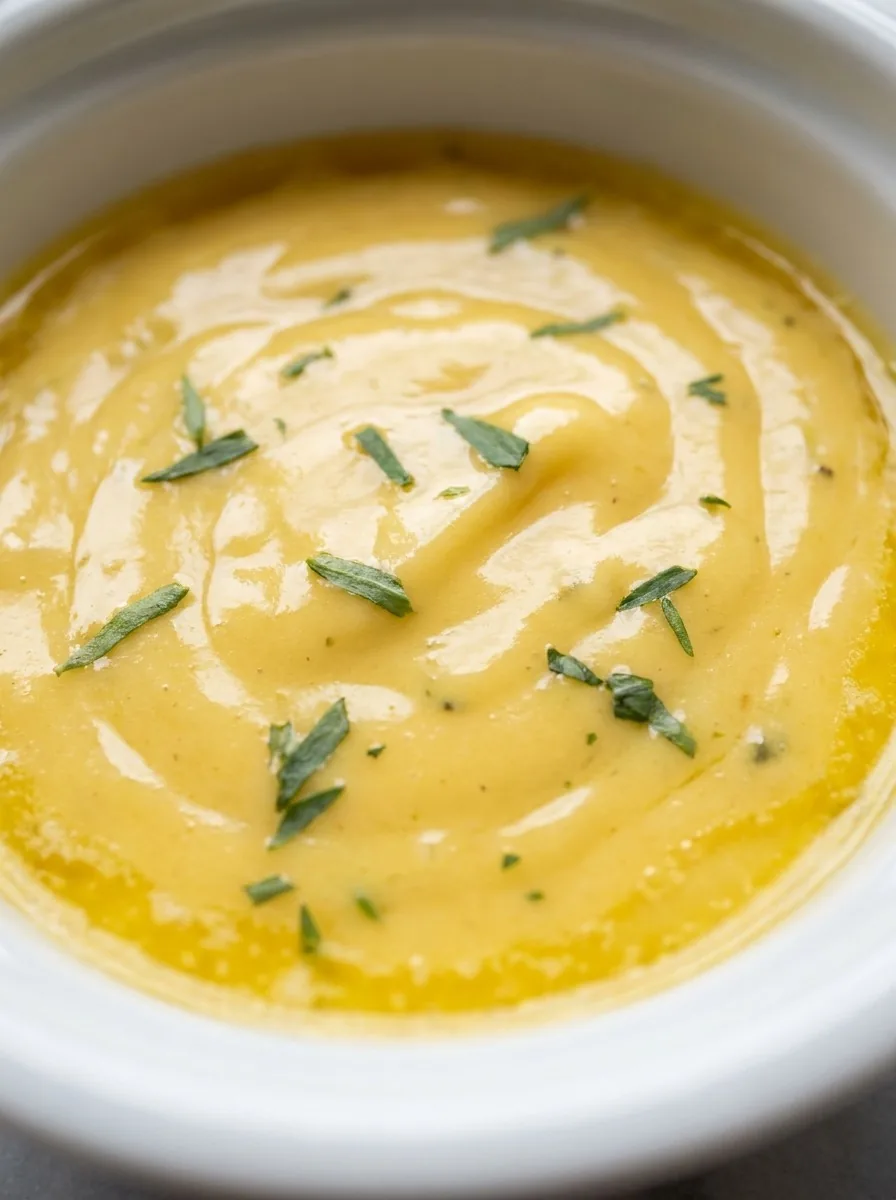
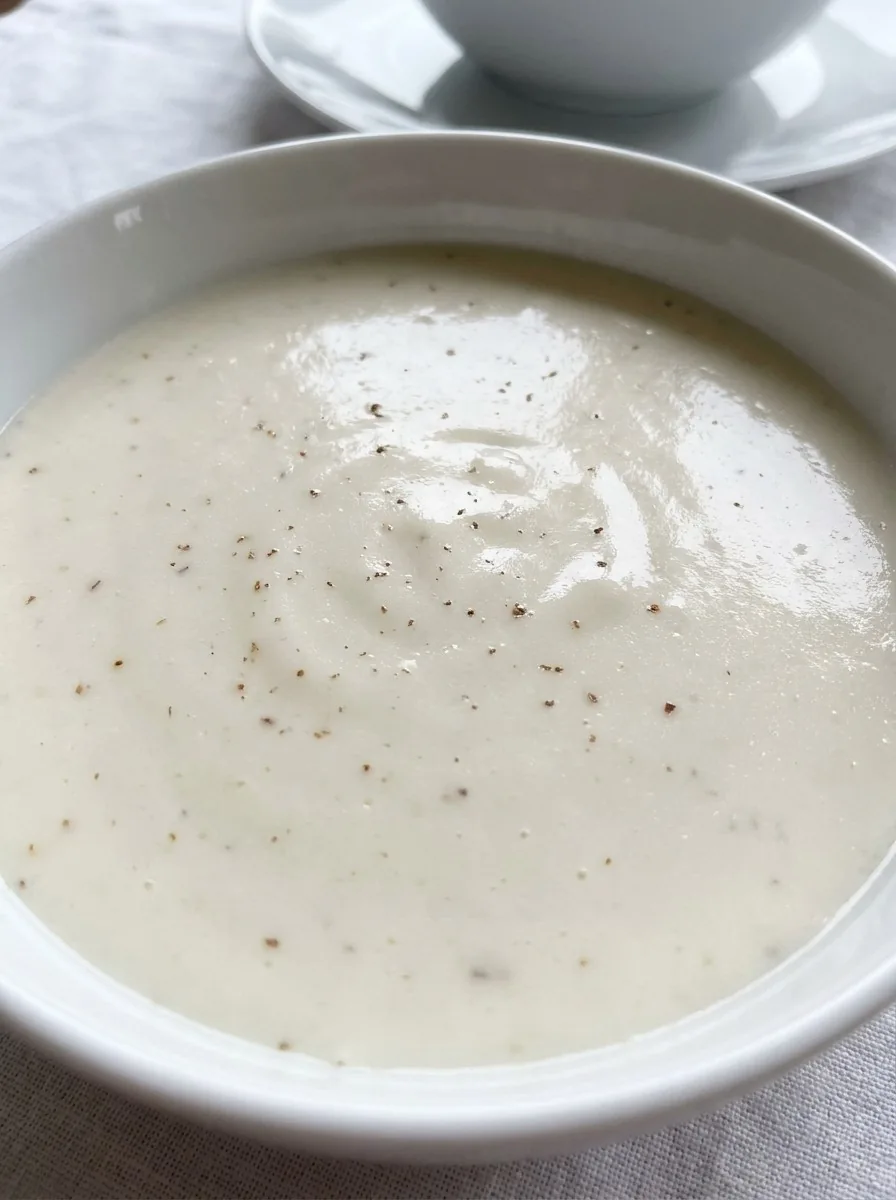
If you like making sauces from scratch, try our alfredo sauce, arrabbiata sauce, bbq sauce and bechamel white sauce next.
Keeping It Fresh
Store the finished sauce in a glass jar with a tight-fitting lid in the refrigerator. The high oil content creates a natural barrier against air, which helps preserve the flavor for up to one week. To extend the shelf life, freeze the sauce in single-serving portions in ice cube trays. Once frozen, transfer the cubes to a zip-top bag for up to three months.
When thawing, place the jar in the refrigerator overnight. You may notice the oil separating from the solids; simply stir it well with a fork to re-emulsify the sauce before serving. Do not microwave the sauce directly from the freezer, as this can cause uneven heating and a greasy texture. Allow it to come to room temperature for a few minutes before stirring.
Wrapping Up
Crafting your own Romesco sauce is a rewarding way to elevate simple dishes with deep, Mediterranean flavors. The process of roasting and blending takes minimal active time, making it an ideal project for a weekday dinner or a weekend gathering. The resulting sauce is versatile enough to adapt to many different meals, from light salads to hearty roasted vegetables.
Once you have mastered the basic technique, feel free to adjust the seasoning to your personal preference. Whether you prefer it spicy, smoky, or tangy, this recipe provides a solid foundation for your culinary creativity. Keep it on hand in your fridge, and you will always have a delicious, homemade condiment ready to use.
Frequently Asked Questions
Can I use jarred roasted peppers instead of fresh?
Yes, you can use high-quality jarred roasted red peppers to save time, but fresh roasted peppers offer a deeper, smokier flavor that defines the traditional Romesco.
What kind of chili pepper should I use?
Use a mild chili like a Fresno or a small Poblano for heat without overwhelming the sauce; avoid very hot peppers like habaneros unless you want a spicy kick.
Do I need to toast the almonds?
Toasting the almonds is crucial because it enhances their nutty flavor and adds a subtle crunch that raw almonds lack, which is essential for the authentic taste.
Can I make this sauce without a food processor?
You can use a blender, but it may not get as smooth; if using a mortar and pestle, expect a coarser texture and more effort, which changes the mouthfeel.
How long does Romesco sauce last?
Stored in an airtight container in the refrigerator, the sauce will keep for up to 5-7 days; it can also be frozen for up to 3 months, though the texture may separate upon thawing.
◆ ◆ ◆
← Back to ingredientsGet new sauce recipes
One tasty homemade sauce in your inbox each week. No spam, unsubscribe anytime.
Comments (8)