Queso Blanco Sauce: Step-by-Step Instructions
On this page
Pro Tips for Better Results
Temperature control is the single most important factor in cheese sauce making. If the sauce begins to bubble vigorously, remove it from the heat immediately. You want a gentle simmer, not a boil. If the sauce becomes too thick, add a teaspoon of milk at a time to adjust the consistency. If it is too thin, continue cooking for a few more minutes to reduce the liquid.
Grate your cheddar cheese yourself if possible. Pre-shredded cheese often contains anti-caking agents like cellulose or potato starch that prevent the shreds from clumping together in the bag. These same agents can prevent the cheese from melting smoothly in your sauce, leading to a slightly waxy texture. Freshly grated cheese melts much faster and creates a smoother finish. Finally, do not skip the lime juice. It may seem like a small amount, but it is crucial for balancing the richness of the dairy and making the flavors pop.
Instructions
- Crush the queso fresco with a fork to break up large clumps, which helps it melt more evenly into the sauce base.
- Melt the butter in a small saucepan over medium heat, ensuring it foams but does not brown to keep the flavor clean and milky.
- Whisk in the flour and cook for one minute to cook out the raw flour taste, creating a simple roux that will thicken the liquid.
- Slowly pour in the milk while whisking constantly to prevent lumps from forming, ensuring a smooth and consistent base.
- Stir in the garlic, cumin, and oregano, allowing the spices to bloom in the warm liquid for thirty seconds to release their aromatic oils.
- Reduce the heat to low and add the grated cheddar, stirring until it is completely melted and incorporated into the milk mixture.
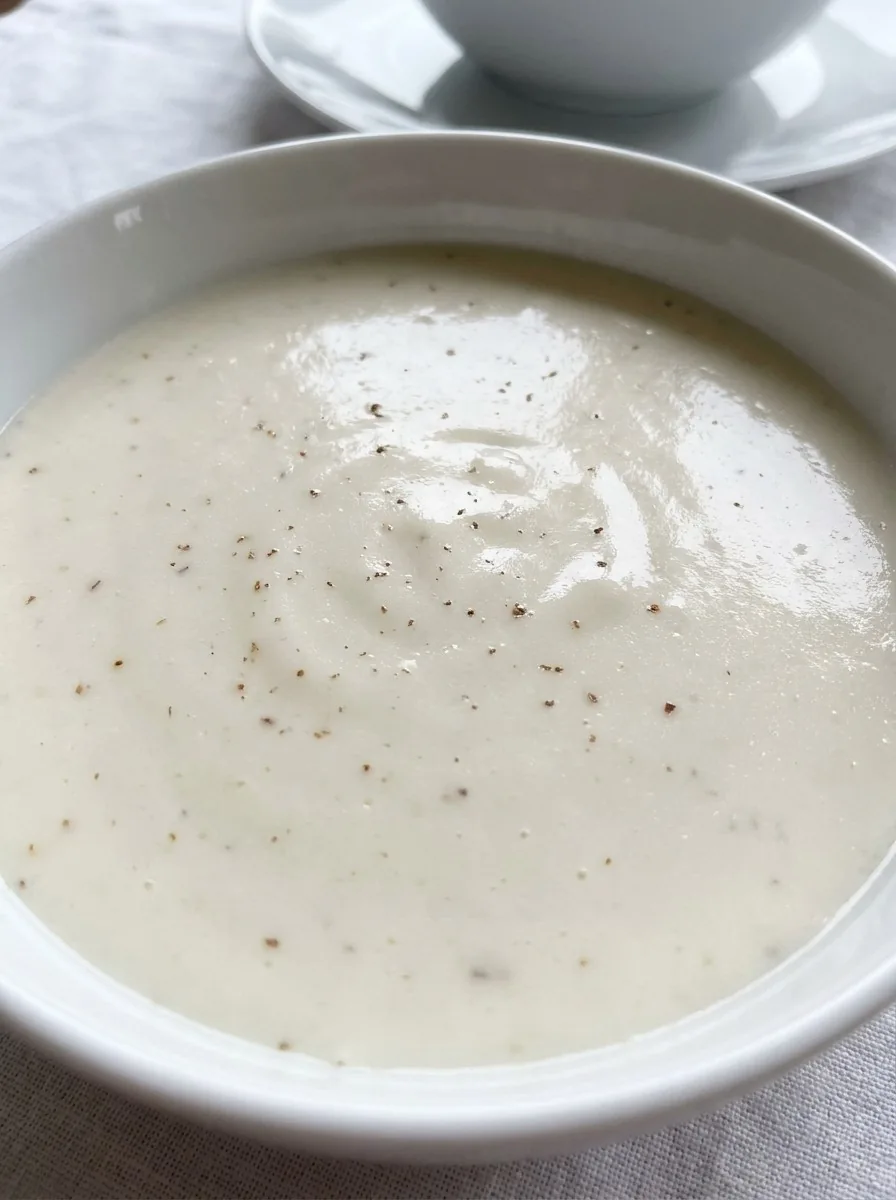
- Fold in the crumbled queso fresco, continuing to stir gently until the cheese softens and melts into a creamy, uniform sauce.
- Add the lime juice and season with salt and pepper, tasting the sauce to adjust the balance of acidity and saltiness to your preference.
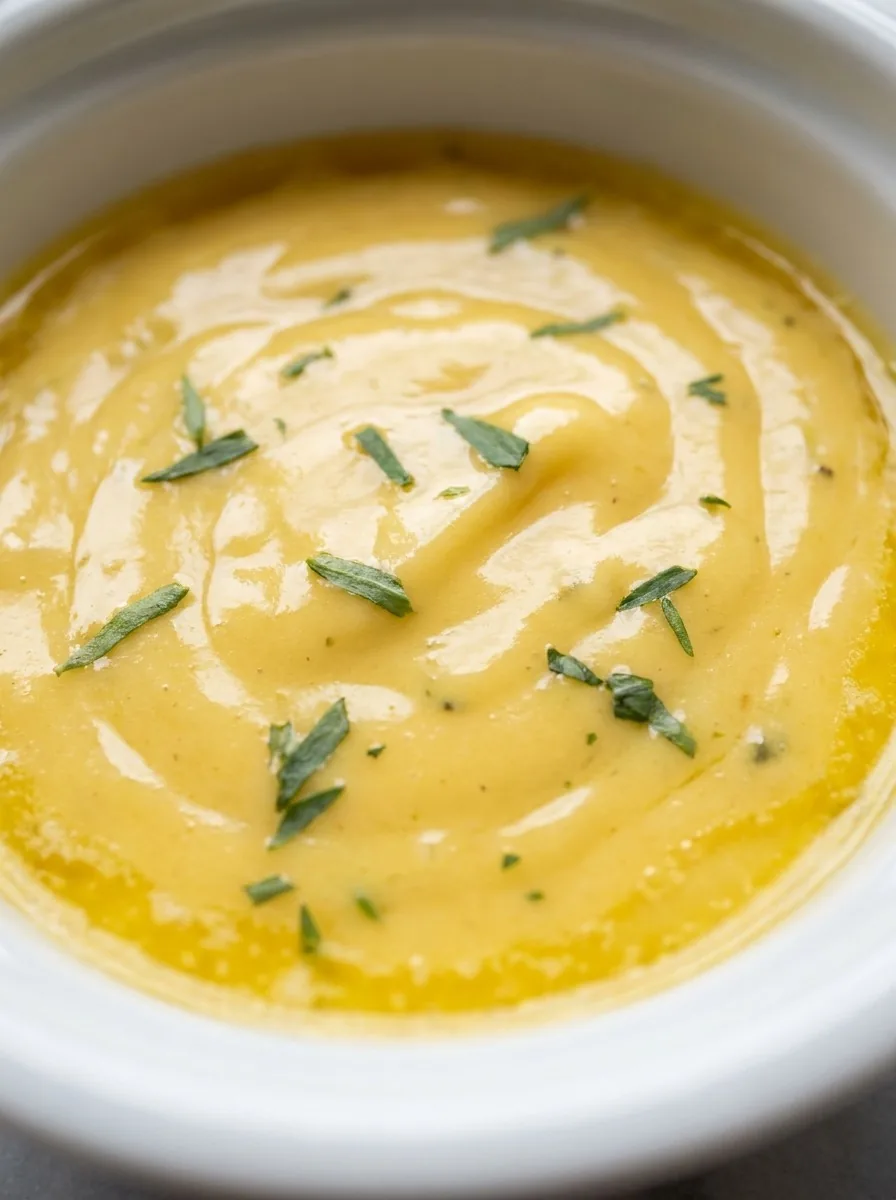
- Remove from heat and stir in the fresh cilantro if using, then let the sauce cool for two minutes to thicken slightly before serving.
- Serve immediately while warm for a dipping sauce, or refrigerate in an airtight container if planning to use it cold later.

Recipe Variations
While the classic white queso is versatile, you can easily adapt this base to suit different tastes or dietary needs. For a spicier version, add a diced jalapeño or a pinch of cayenne pepper to the roux stage. This infuses the heat throughout the sauce rather than just on the surface. For a smoky flavor, add a teaspoon of smoked paprika or a few drops of liquid smoke when adding the spices.
If you want a lighter version, you can substitute half of the whole milk with unsweetened almond milk or coconut milk. This reduces the calorie count slightly but changes the flavor profile to be nuttier or tropical. You can also experiment with the spices; adding a little garlic powder or onion powder can deepen the savory notes. For those who enjoy a tangier profile, increase the lime juice to two tablespoons and add a teaspoon of apple cider vinegar.
Serving Ideas
This sauce is incredibly versatile and can be served in numerous ways. The most traditional use is as a dip for warm, crispy tortilla chips. Simply place the sauce in the center of a platter surrounded by chips. It also works wonderfully as a topping for tacos, burritos, or fajitas. A dollop of queso on a plate of grilled chicken or fish adds moisture and richness to lean proteins.
For breakfast or brunch, use it as a topping for scrambled eggs or avocado toast. It pairs well with roasted vegetables, such as broccoli, cauliflower, or sweet potatoes, where it adds a creamy element to the earthy flavors. You can also use it as a spread for sandwiches, particularly with grilled meats and pickled onions. When serving cold, it makes an excellent addition to a charcuterie board, offering a creamy counterpoint to cured meats and hard cheeses.
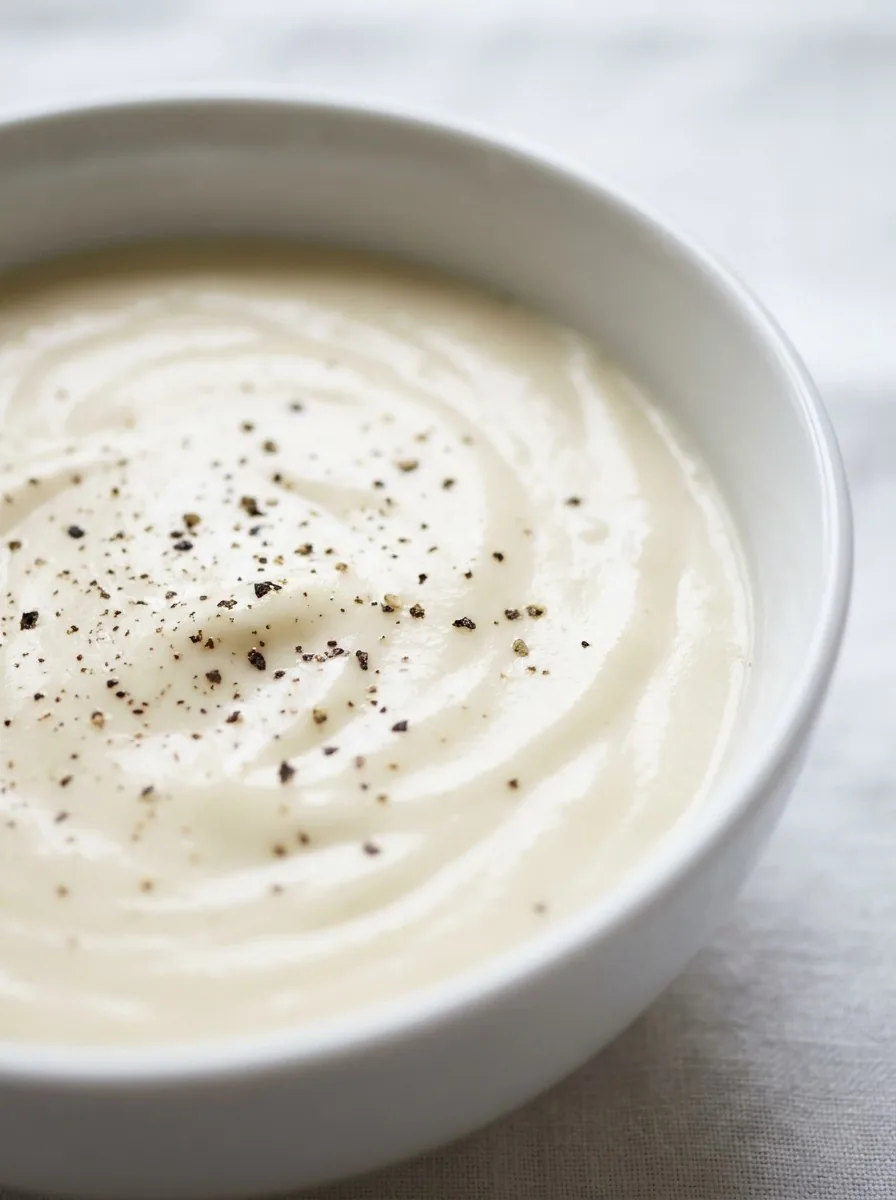
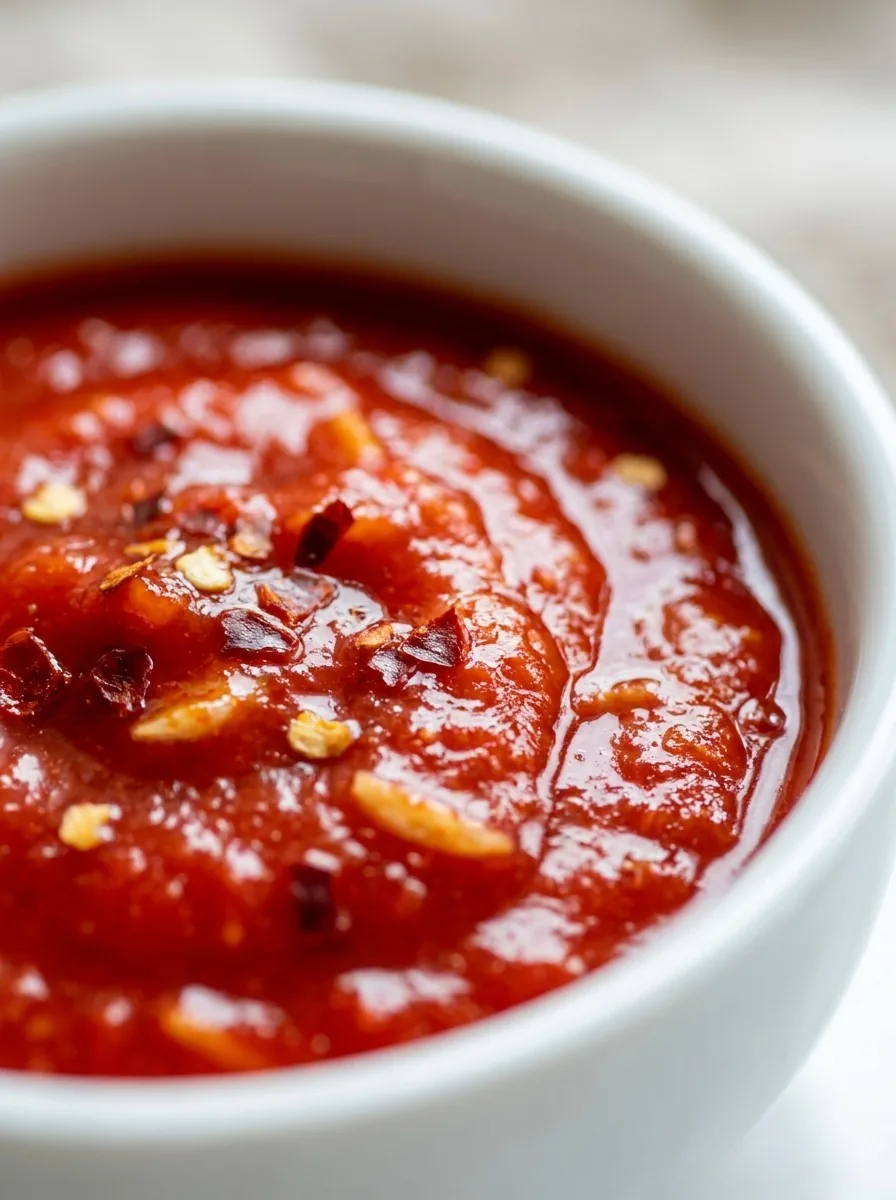
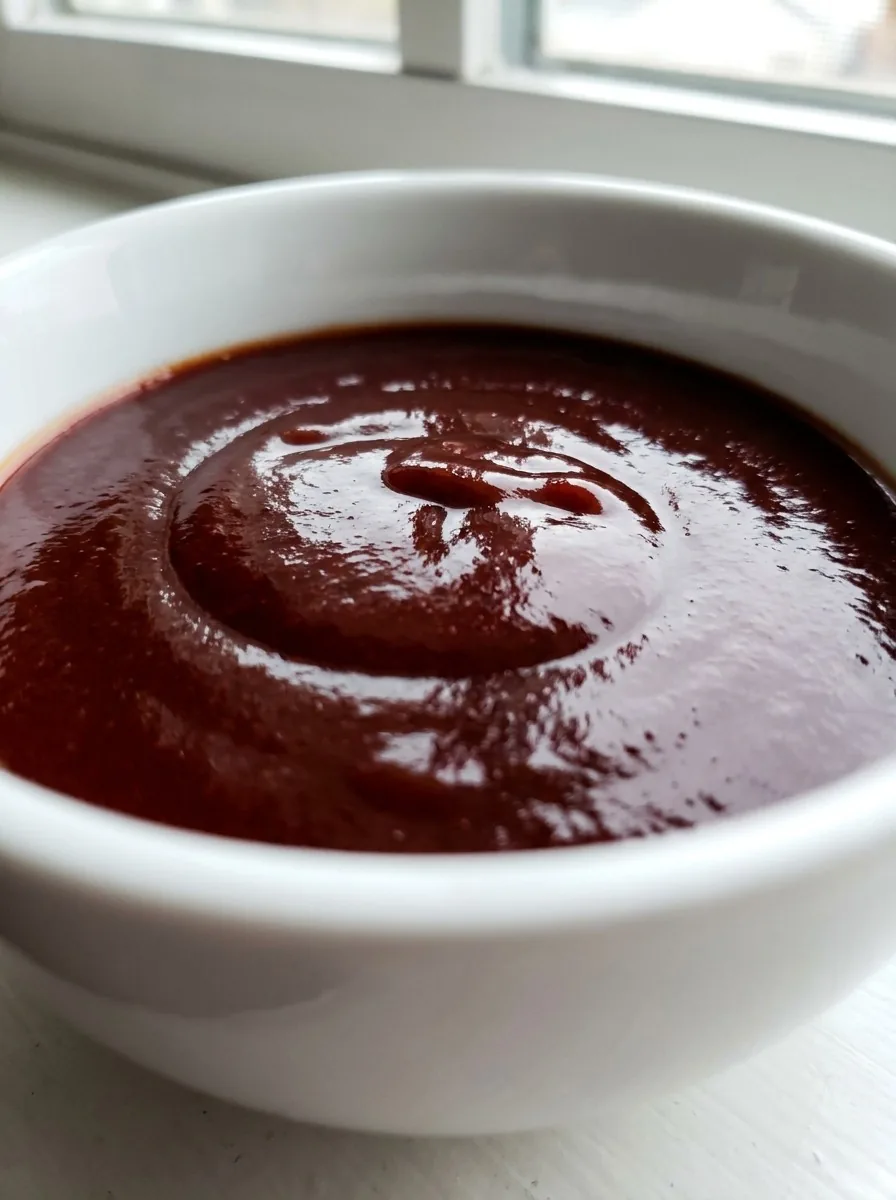
If you like making sauces from scratch, try our alfredo sauce, arrabbiata sauce, bbq sauce and bechamel white sauce next.
Keeping It Fresh
Homemade queso blanco does not contain preservatives, so it has a shorter shelf life than store-bought versions. To maximize freshness, transfer the cooled sauce to a clean, airtight glass container. Press a piece of plastic wrap directly onto the surface of the sauce before closing the lid. This prevents a skin from forming on the top, which can happen when dairy sauces are exposed to air in the refrigerator.
Store the container in the coldest part of your refrigerator, usually the back of the bottom shelf. The sauce will thicken as it cools, which is normal. When ready to serve again, stir it well. If it appears separated, gently heat it in a double boiler while whisking until it emulsifies again. Do not microwave dairy sauces in short bursts without stirring, as this can cause the milk solids to scorch and separate. Always check for off odors or colors before consuming; if it smells sour or looks yellowed, discard it.
Wrapping Up
Making queso blanco from scratch is a rewarding experience that yields a far superior product to any processed alternative. The key lies in patience and proper technique, specifically the use of a roux and low heat. By following these steps, you ensure a smooth, creamy texture that holds up well both hot and cold. The flavor is balanced, with the richness of the cheese complemented by the brightness of lime and the warmth of spices.
This recipe is a staple for any home cook who appreciates authentic flavors and fresh ingredients. It is quick enough for a weeknight dinner but impressive enough for a holiday gathering. Feel free to adjust the seasoning to your personal taste, adding more cumin or lime as you see fit. With a little practice, you will master the art of making the perfect white cheese sauce, ready to elevate any meal you serve.
Frequently Asked Questions
Can I use a different type of white cheese instead of queso fresco?
Yes, you can substitute with fresh mozzarella or paneer, but the flavor profile will be milder. Queso fresco provides the best combination of saltiness and mild acidity that defines this sauce.
Why is my queso sauce turning out grainy or stringy?
This usually happens if the heat is too high, causing the proteins in the cheese to seize up. Keep the heat on low and stir frequently. Also, ensure your cheddar is finely grated so it melts quickly and evenly.
Can I make this sauce in advance and reheat it?
Yes, you can make it up to two days in advance. When reheating, do so gently over low heat while whisking constantly. If it separates, add a splash of milk to bring it back together.
Is this recipe suitable for vegetarians?
Yes, this recipe is naturally vegetarian. Just ensure that the butter you use is not made with animal rennet if you are strictly vegan, though the cheese itself means it is not vegan-friendly.
How long does homemade queso blanco last in the fridge?
Stored in an airtight container, it will stay fresh for up to four to five days. Always use a clean spoon to scoop out servings to prevent bacteria from entering the container.
◆ ◆ ◆
← Back to ingredientsGet new sauce recipes
One tasty homemade sauce in your inbox each week. No spam, unsubscribe anytime.
Comments (15)