Quick Pizza Sauce: Step-by-Step Instructions
On this page
Pro Tips for Better Results
Use a high‑quality extra‑virgin olive oil; its fruitiness lifts the overall profile. If you prefer a smoother texture, blend the sauce with an immersion blender for 10 seconds after simmering. For a smoky note, add a pinch of smoked paprika along with the red‑pepper flakes. Always taste before adding salt; canned tomatoes vary in sodium content.
Instructions
- Heat the olive oil in a small saucepan over medium heat; the oil coats the pan and prevents the onions from sticking, which keeps the flavor clean.
- Add the diced onion and sauté for 2‑3 minutes until it becomes translucent, releasing its natural sweetness that forms the sauce’s flavor base.
- Stir in the minced garlic and cook for another 30 seconds, just until fragrant, because overcooking garlic can introduce bitterness.
- Pour in the crushed tomatoes and tomato paste, mixing thoroughly; the paste intensifies the tomato body while the crushed tomatoes add texture.
- Season with dried oregano, basil, and red‑pepper flakes, then sprinkle the sugar; the herbs provide the classic Italian aroma and the sugar balances acidity.
- Add the salt and black pepper, tasting as you go; proper seasoning at this stage ensures the sauce is well‑balanced before any further reduction.
- Reduce the heat to low and let the sauce simmer for 7‑8 minutes, stirring occasionally; this short simmer melds flavors without breaking down the tomatoes into a mushy consistency.
- If the sauce looks too thick, whisk in up to 2 tbsp of water to reach a pourable consistency suitable for spreading on dough.
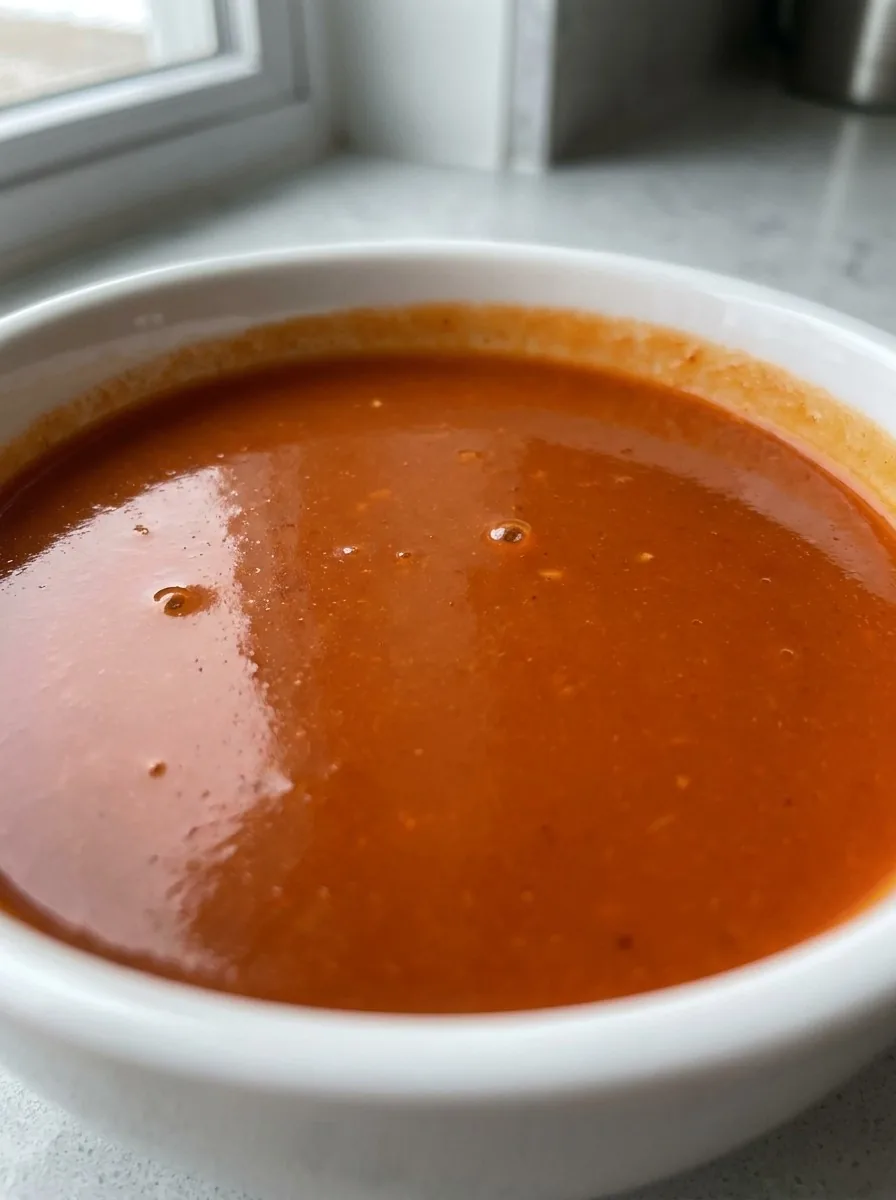
- Remove the pan from heat and let the sauce rest for a minute; resting allows the flavors to settle and makes it easier to spread warm or cold.
Recipe Variations
Swap dried oregano for fresh oregano leaves added at the end of cooking for a greener, more vibrant flavor. Incorporate 1 tbsp of pesto for an herby twist, or blend in roasted red peppers for a smoky sweetness. For a spicy version, increase the red‑pepper flakes to ½ tsp or add a dash of hot sauce after simmering.
Serving Ideas
Spread the sauce on a pre‑baked pizza crust, top with mozzarella and your favorite toppings, then bake for 10‑12 minutes. Use it as a dip for garlic knots, mozzarella sticks, or sliced baguette. Toss cooked pasta with the warm sauce and finish with grated Parmesan for a quick pasta dish. Chill the sauce and drizzle over fresh caprese salad for a cold appetizer.
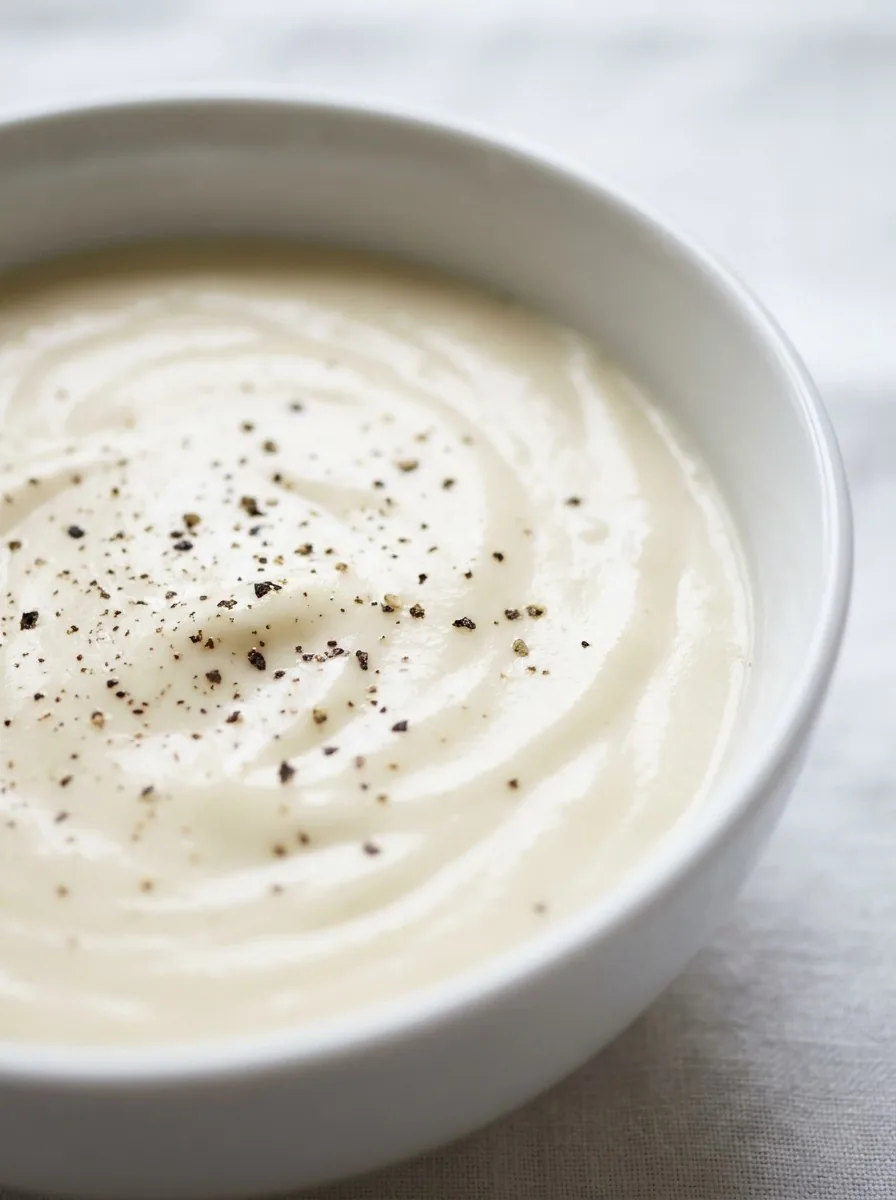
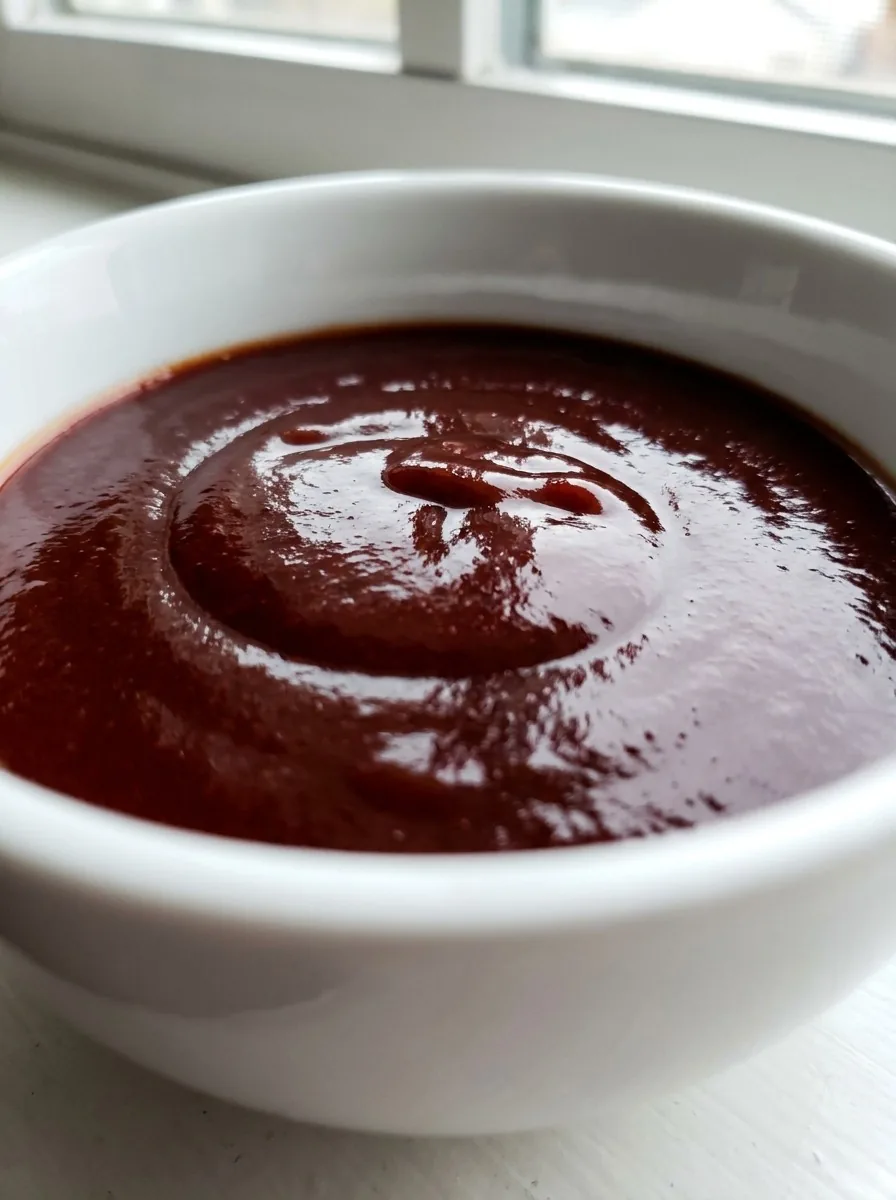
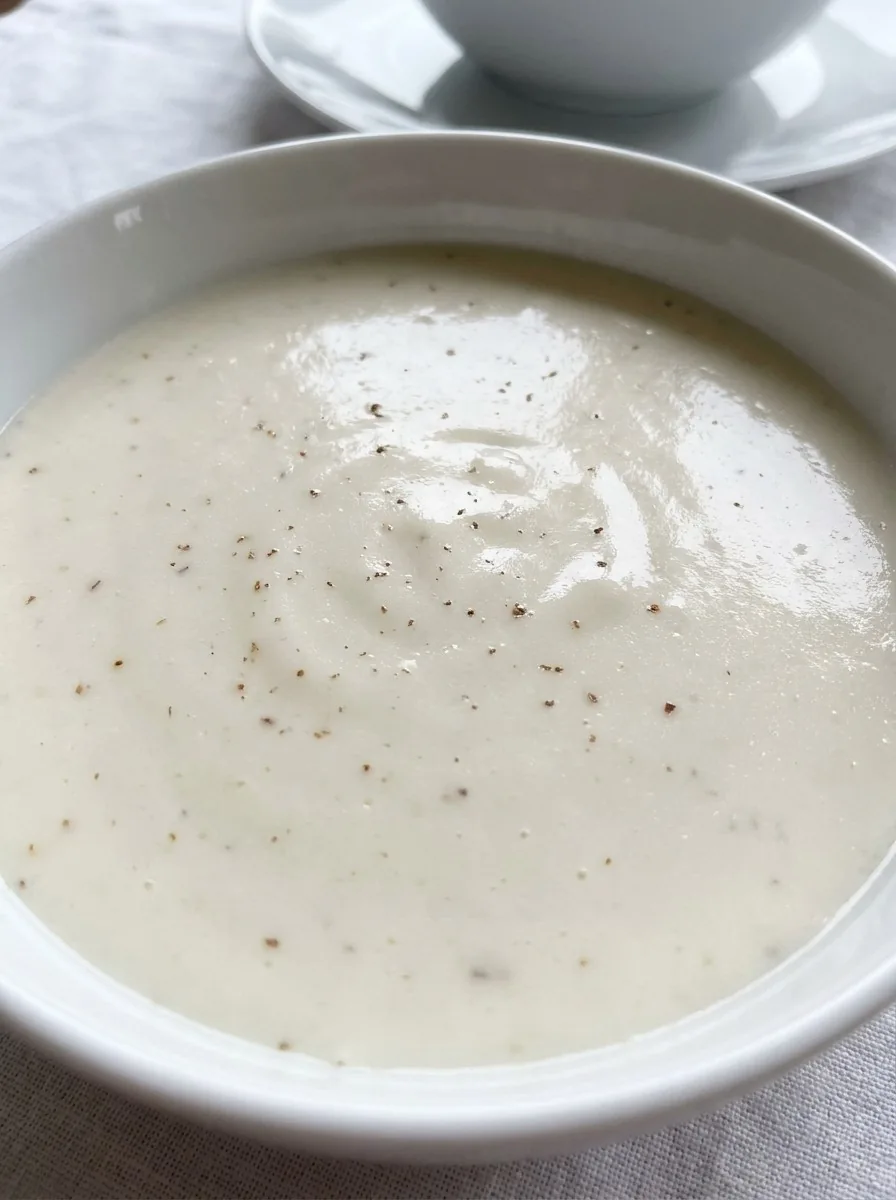
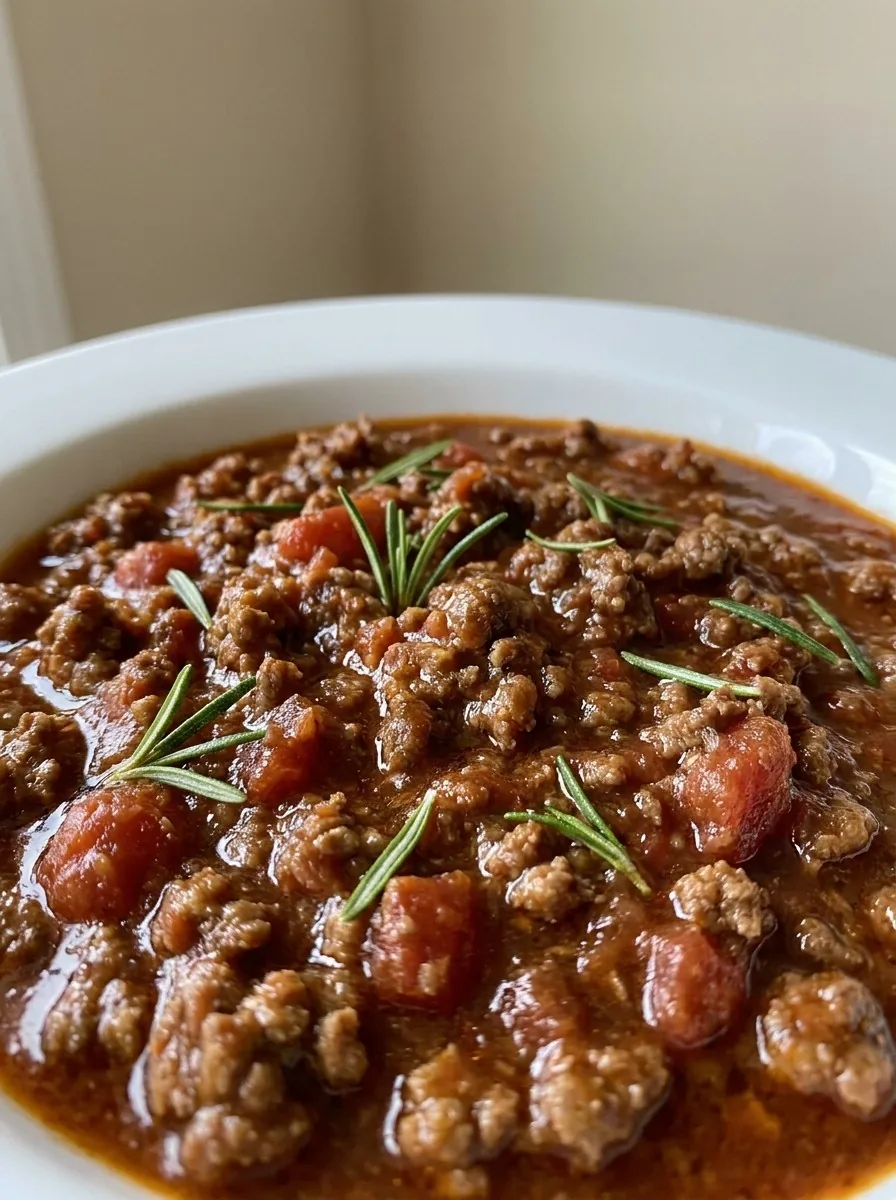
If you like making sauces from scratch, try our alfredo sauce, arrabbiata sauce, bbq sauce and bechamel white sauce next.
Keeping It Fresh
Store the sauce in an airtight glass jar in the refrigerator for up to three days; the flavor actually deepens after a night. For longer storage, portion the sauce into freezer‑safe bags, flatten, and freeze for up to three months. Thaw in the refrigerator overnight and reheat gently on the stovetop before using.
Wrapping Up
This quick pizza sauce proves that a delicious, authentic‑tasting Italian staple can be assembled from everyday pantry items in just twenty minutes. Whether you spread it on a homemade crust, dip a crusty roll, or toss it with pasta, the sauce delivers bright tomato flavor, balanced seasoning, and a texture that adapts to both hot and cold applications. Keep the basic recipe on hand, experiment with the suggested variations, and enjoy a versatile condiment that elevates any quick‑fix meal.
Frequently Asked Questions
Can I use fresh tomatoes instead of canned?
Yes, blend 2 ½ cups of peeled, seeded fresh tomatoes and substitute the same amount of tomato paste; the fresh fruit adds a brighter note but may require a slightly longer simmer to develop depth.
Is the sauce safe to store at room temperature?
No; because the sauce contains no preservatives, it should be refrigerated within two hours of cooking and used within three days, or frozen for longer storage.
How can I make the sauce less acidic?
Add an extra teaspoon of sugar or a small pinch of baking soda; both neutralize excess acidity while preserving the overall flavor profile.
Can I double the recipe for a larger pizza night?
Absolutely; just double all ingredients and increase the simmer time by a couple of minutes to ensure the flavors meld evenly.
What’s the best way to reheat leftover sauce?
Warm it gently over low heat, stirring occasionally; avoid high heat to prevent scorching and loss of fresh herb aroma.
◆ ◆ ◆
← Back to ingredientsGet new sauce recipes
One tasty homemade sauce in your inbox each week. No spam, unsubscribe anytime.
Comments (14)