Fresh Basil Pesto Sauce: Step-by-Step Instructions
On this page
Pro Tips for Better Results
Use basil leaves that are bright green and free of wilting; older leaves can introduce a bitter note. Lightly toast pine nuts just until they turn golden; watch them closely, as they can burn in seconds.
When adding olive oil, use a slow, steady stream; this creates a stable emulsion and prevents the sauce from separating. If the pesto seems too thick, thin it with a tablespoon of water or additional lemon juice, but add gradually to avoid over‑liquefying.
For a smoother texture, pulse the ingredients in short bursts rather than running the processor continuously. This gives you more control over the final consistency.
Instructions
- 1. Rinse the basil leaves under cold water, then pat dry; removing excess moisture prevents a watery pesto.
- 2. Toast the pine nuts in a dry skillet over medium heat for 2‑3 minutes, stirring frequently until golden; this enhances their nutty flavor.
- 3. In a food processor, combine the basil, toasted pine nuts, and minced garlic; pulse until coarsely chopped, preserving some texture.
- 4. Add the grated Parmesan and sea salt, then pulse again; the cheese contributes umami and helps emulsify the sauce.
- 5. While the processor is running, slowly drizzle in the olive oil; the gradual addition creates a smooth, cohesive emulsion without overheating the ingredients.
- 6. Sprinkle in the lemon juice and a pinch of black pepper, then pulse briefly; the acid brightens the green hue and balances richness.
- 7. Taste the pesto and adjust salt or lemon to preference; seasoning at this stage ensures the final flavor is well‑balanced.
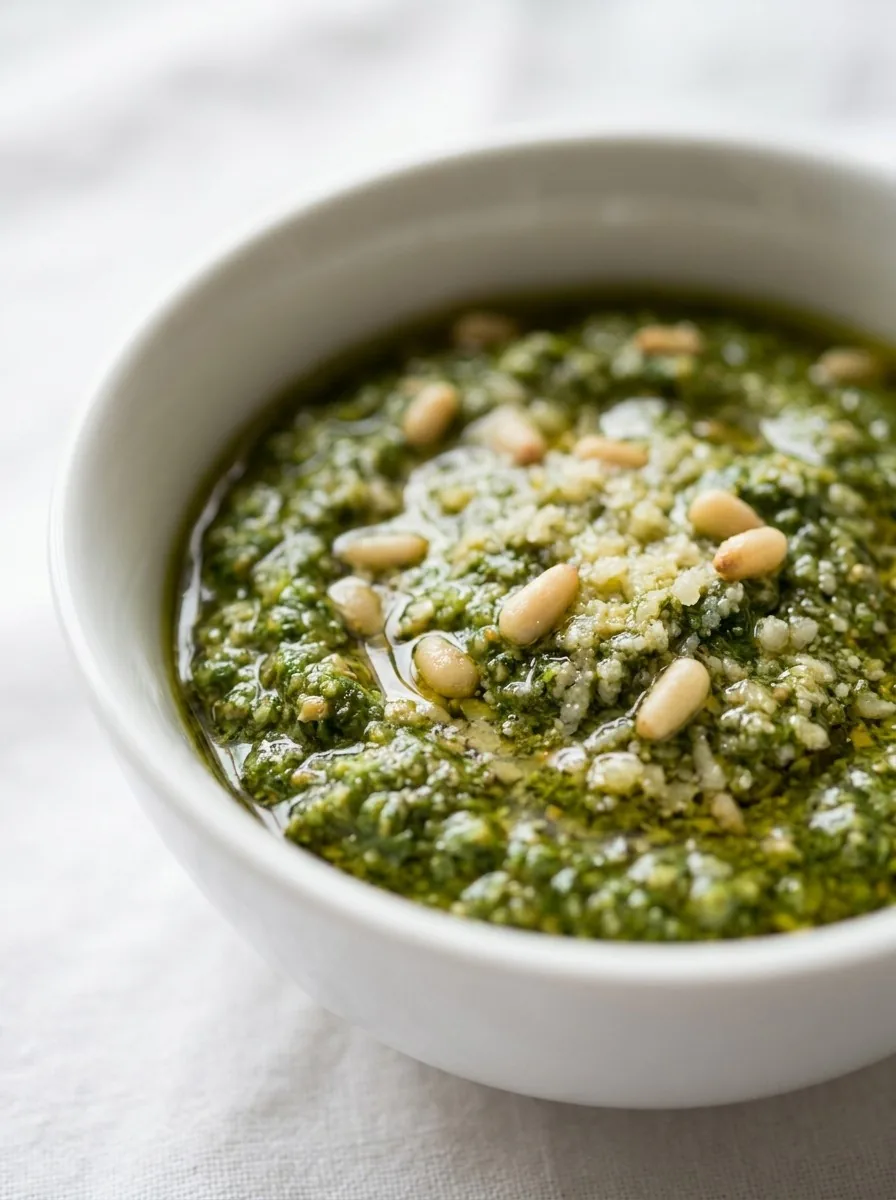
- 8. Transfer the pesto to a small bowl, drizzle a thin layer of olive oil on top, and garnish with extra Parmesan; this prevents surface oxidation and adds visual appeal.
Recipe Variations
Swap basil for spinach or arugula for a milder or peppery twist; adjust the amount of lemon juice accordingly. Replace pine nuts with almonds, cashews, or pistachios for a different nutty profile. For a dairy‑free version, omit Parmesan and stir in 2‑3 tbsp of nutritional yeast, which mimics the cheesy flavor.
To make a sun‑dried tomato pesto, blend 1/2 cup of rehydrated sun‑dried tomatoes with the basil and reduce the olive oil by a tablespoon. This creates a richer, slightly sweet sauce that pairs well with grilled chicken.
Serving Ideas
Toss the pesto with al dente spaghetti, reserving a splash of pasta water to help the sauce cling to each strand. Spread a thin layer on toasted baguette slices for a quick appetizer, then top with sliced cherry tomatoes.
Drizzle over roasted cauliflower or grilled zucchini for a vibrant vegetable side. Mix into mashed potatoes for an herb‑infused twist, or stir into a creamy soup just before serving to add depth without extra heat.
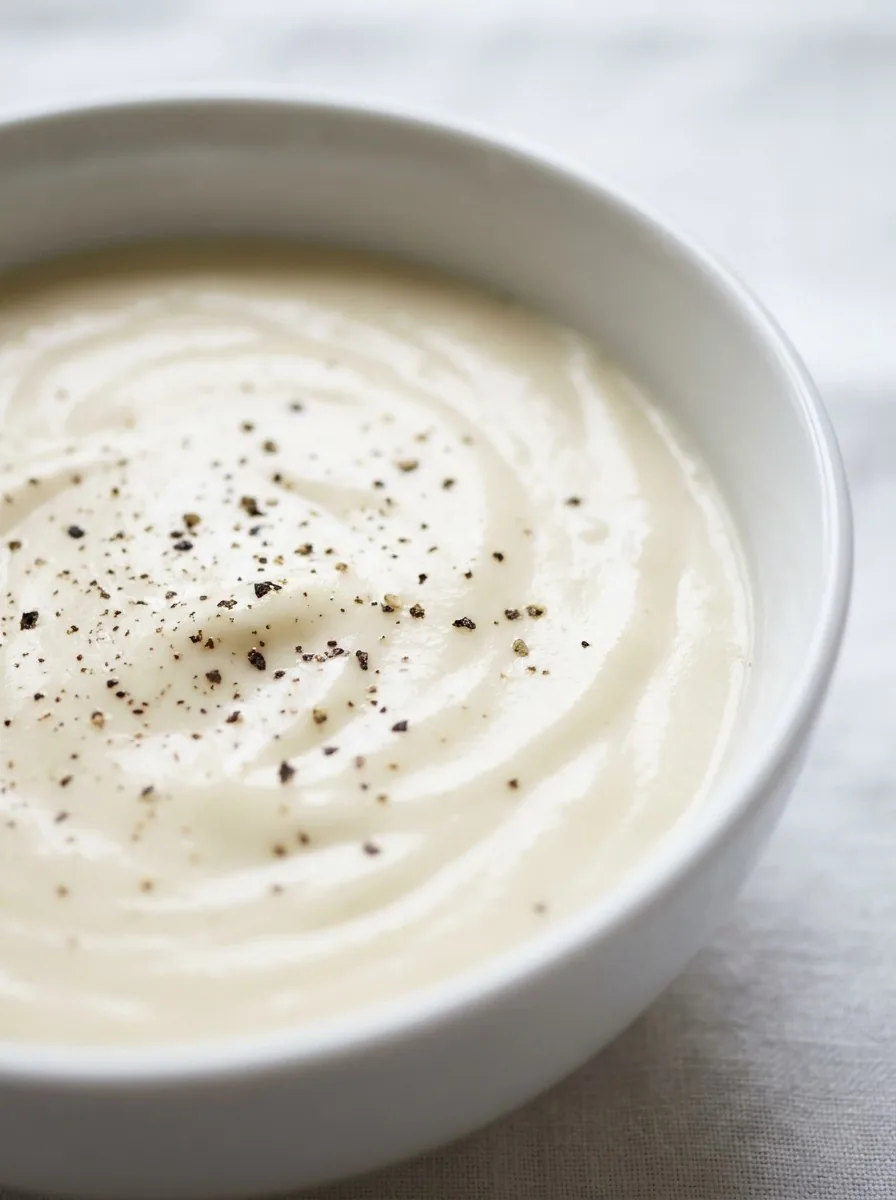
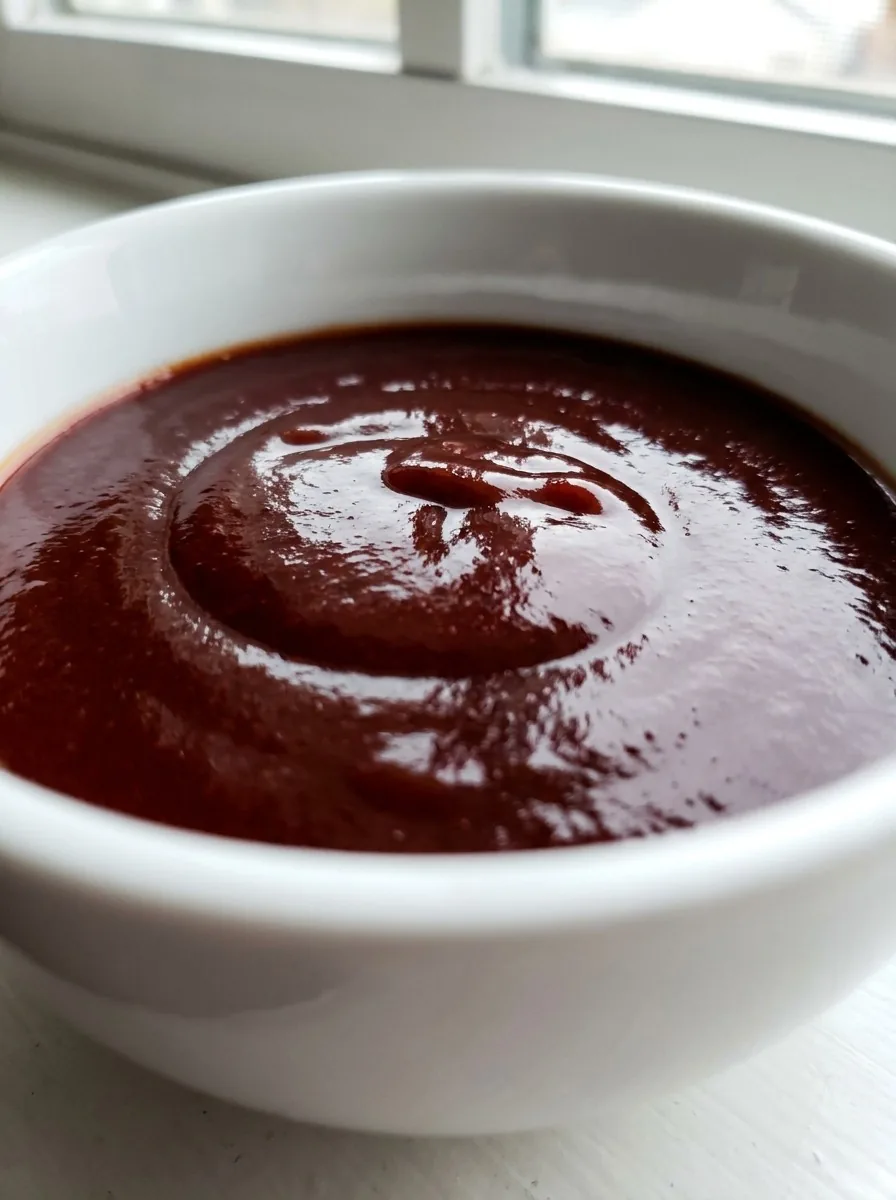
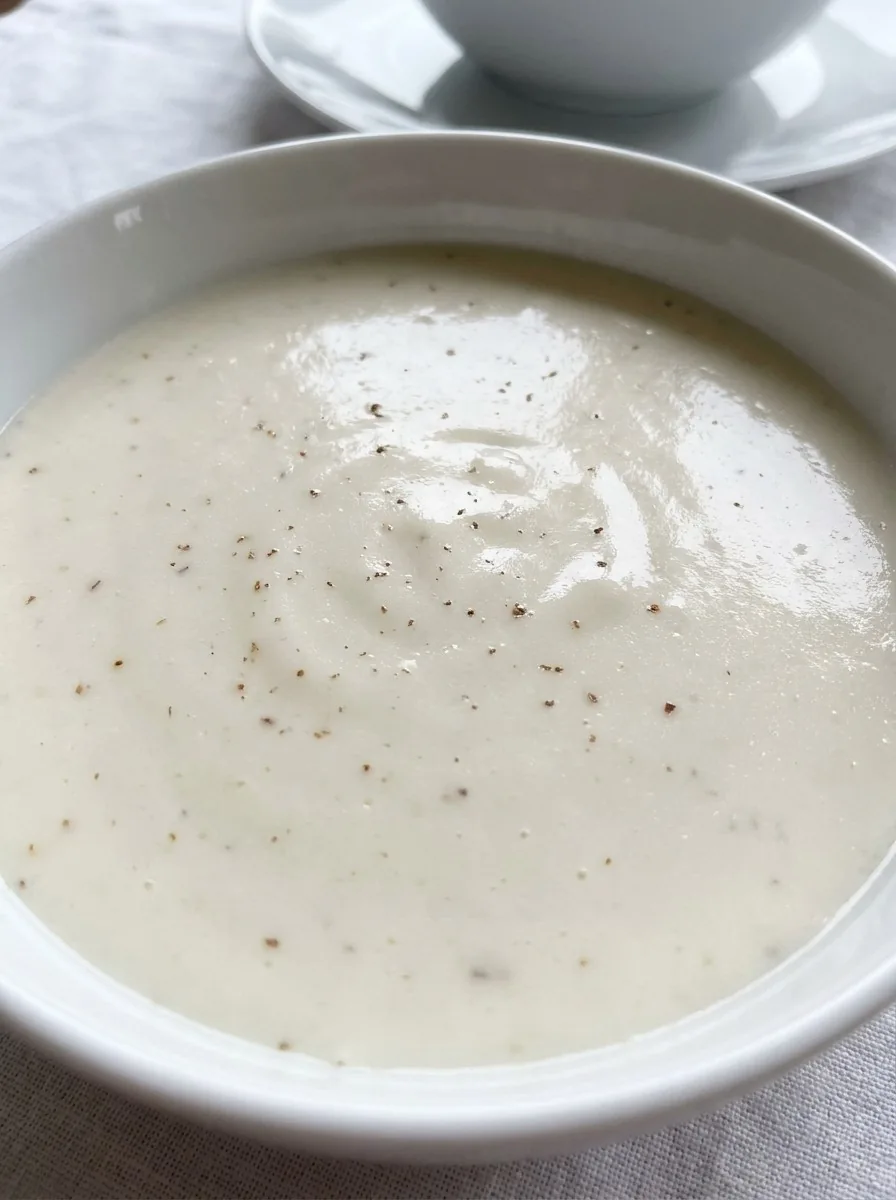
If you like making sauces from scratch, try our fresh chimichurri, sweet and sour sauce, classic marinara sauce next.
Keeping It Fresh
Store pesto in a glass jar, pressing a thin layer of olive oil on the surface to limit exposure to air, which slows oxidation. Keep the jar tightly sealed and refrigerate; the sauce will stay bright for up to five days.
If you notice any darkening, simply stir in a little fresh lemon juice and a dash more oil to revive the color and flavor. For longer storage, freeze in ice‑cube trays, then transfer the frozen cubes to a zip‑top bag; thaw in the refrigerator before use.
Wrapping Up
This fresh basil pesto embodies the simplicity and brilliance of Italian cooking—just a handful of high‑quality ingredients, a brief blend, and a burst of flavor ready in minutes. Whether you use it as a pasta sauce, a sandwich spread, or a vibrant topping for vegetables, the versatility of pesto makes it a staple in any kitchen. Remember the key steps: toast the nuts, drizzle the oil slowly, and finish with a splash of lemon to preserve color and brightness. With the tips and variations provided, you can adapt the sauce to suit dietary needs, seasonal produce, or personal taste preferences. Enjoy the fresh, herbaceous goodness of homemade pesto any time you crave a taste of Italy.
Frequently Asked Questions
Can I store pesto for later use?
Yes, place it in an airtight container, cover the surface with a thin layer of olive oil, and refrigerate for up to five days.
What can I substitute for pine nuts?
Almonds, walnuts, or cashews work well; toast them lightly to mimic the flavor depth of pine nuts.
Is it possible to make pesto vegan?
Replace Parmesan with nutritional yeast or a vegan hard cheese, and ensure the olive oil is 100 % plant‑based.
Why does my pesto turn brown after a few hours?
Oxidation causes the color shift; keeping a thin oil layer on top and storing in a dark container slows the process.
Can I freeze pesto?
Absolutely—portion it into ice‑cube trays, freeze, then transfer to a freezer bag; use within three months for best flavor.
◆ ◆ ◆
← Back to ingredientsGet new sauce recipes
One tasty homemade sauce in your inbox each week. No spam, unsubscribe anytime.
Comments (5)