Creamy Peppercorn Sauce: Step-by-Step Instructions
On this page
Pro Tips for Better Results
Always start with a dry pan for the butter to prevent burning. Burnt butter has a bitter taste that can overpower the delicate flavors of the wine and herbs. When crushing peppercorns, aim for a coarse texture rather than a fine powder. This provides occasional pops of flavor in each spoonful. If your wine tastes too acidic, you can add a tiny pinch of sugar to balance it. Do not boil the cream vigorously, as high heat can cause the proteins to coagulate and break the emulsion. Keep the heat at a gentle simmer once the dairy is added. Taste the sauce before serving, as the saltiness of the stock can vary depending on the brand.Instructions
- Melt the butter in a medium saucepan over medium heat until the foam subsides, ensuring the butter is fully melted to create a stable base for the aromatics.
- Add the minced shallot and crushed peppercorns, sautéing for two minutes until the shallot is soft and fragrant, which releases the sulfur compounds that give the sauce its depth.
- Pour in the white wine and let it simmer for three minutes to reduce by half, evaporating the raw alcohol and concentrating the acidity to balance the richness of the cream.
- Stir in the beef stock and bring the mixture to a gentle simmer, allowing the flavors to meld and the liquid to reduce slightly before adding the dairy.
- In a small bowl, whisk the cornstarch with a splash of cold water to make a slurry, ensuring no lumps form that would ruin the smooth texture of the final sauce.
- Slowly whisk the cornstarch slurry into the simmering stock mixture, stirring constantly for one minute until the liquid begins to thicken into a glossy consistency.
- Reduce the heat to low and slowly pour in the heavy cream, whisking continuously to prevent the sauce from splitting or becoming grainy.
- Stir in the fresh thyme and season with salt and ground black pepper to taste, adjusting the seasoning to ensure the peppery notes are prominent.
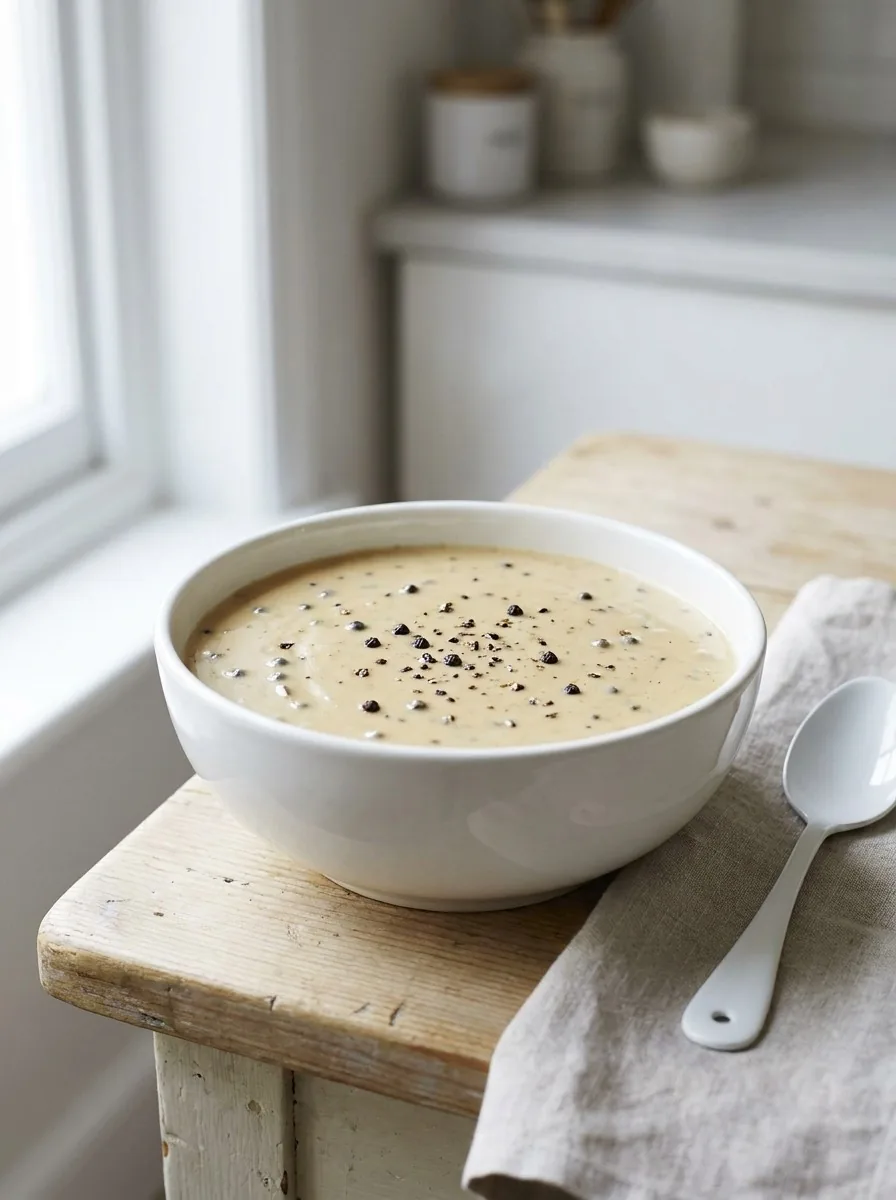
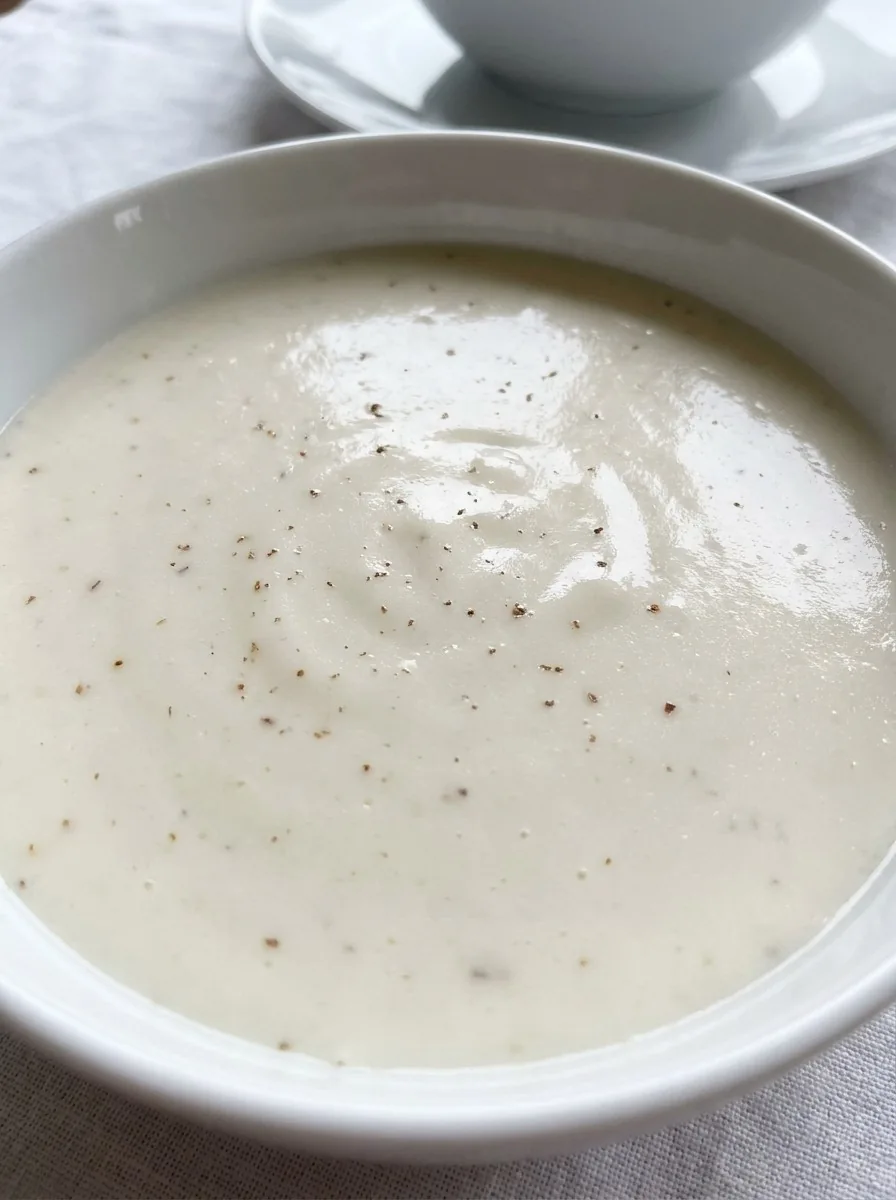
- Simmer the sauce for another two minutes to allow the starch to fully cook out, resulting in a velvety smooth finish that coats the back of a spoon.
Recipe Variations
There are several ways to tweak this base sauce to suit different proteins or dietary preferences. For a vegan version, substitute the butter with olive oil, the cream with cashew cream, and the stock with a vegetable broth. You can also use coconut milk for a tropical twist, though the flavor profile will shift significantly. To make it spicier, add a pinch of cayenne pepper or use a mix of black and white peppercorns. White peppercorns have a sharper, almost medicinal heat that pairs well with lighter meats. For a herbier variation, swap the thyme for tarragon, which adds an anise-like note that complements the pepper. You can also add a splash of soy sauce instead of some salt for a deeper umami flavor.Serving Ideas
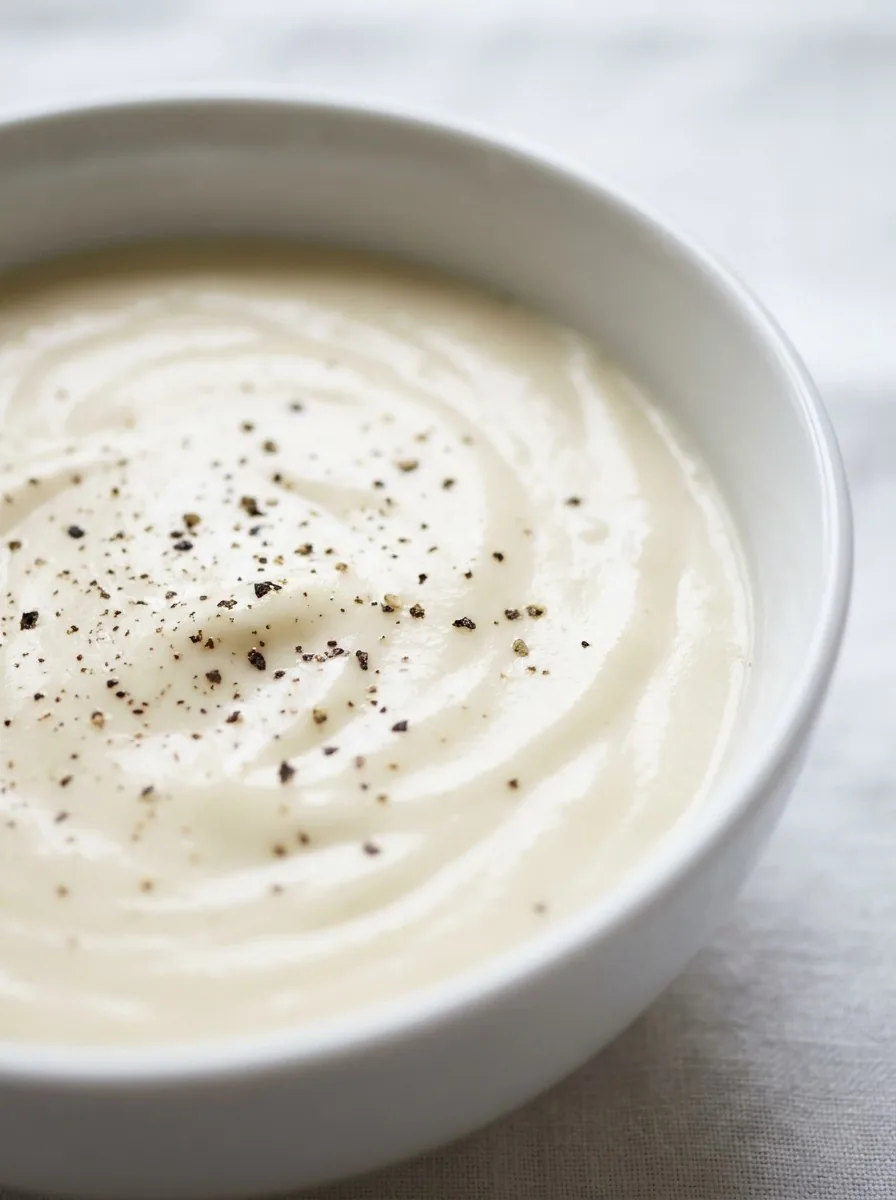
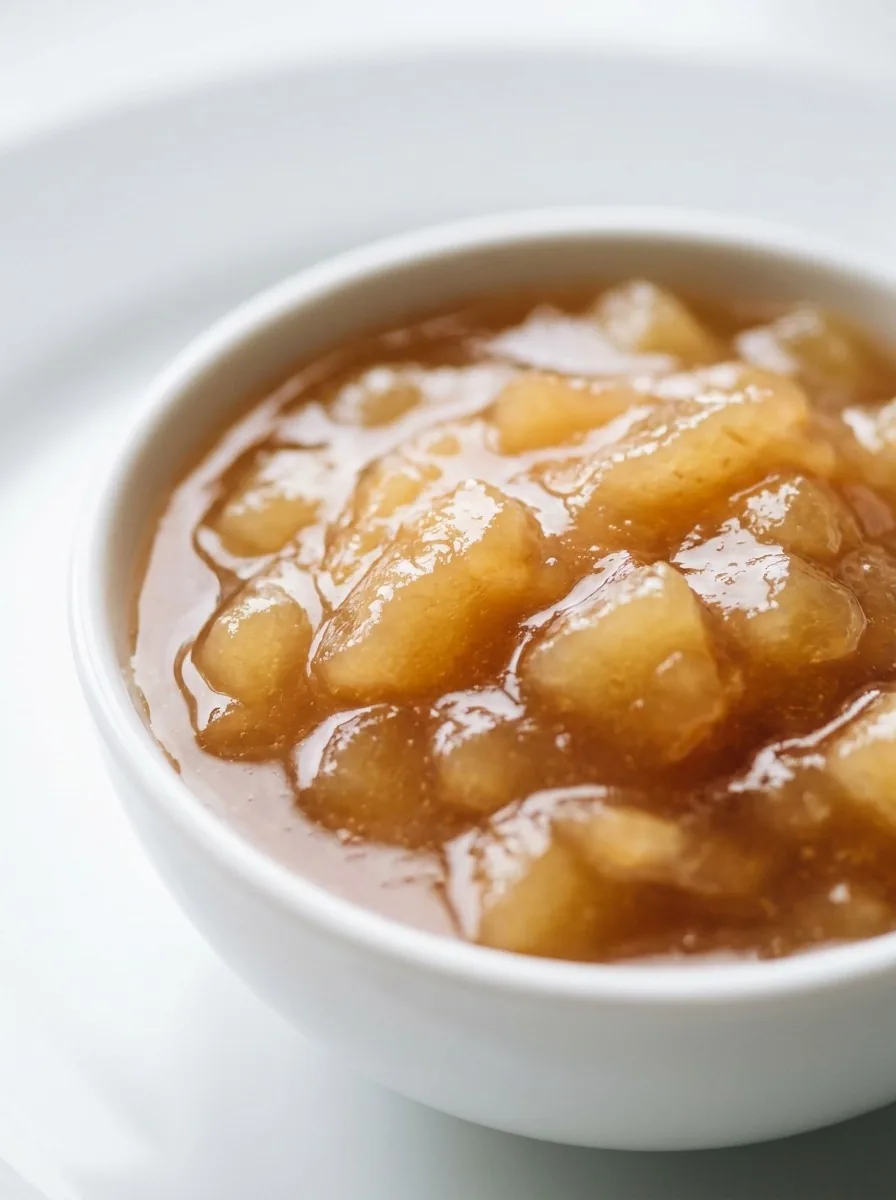
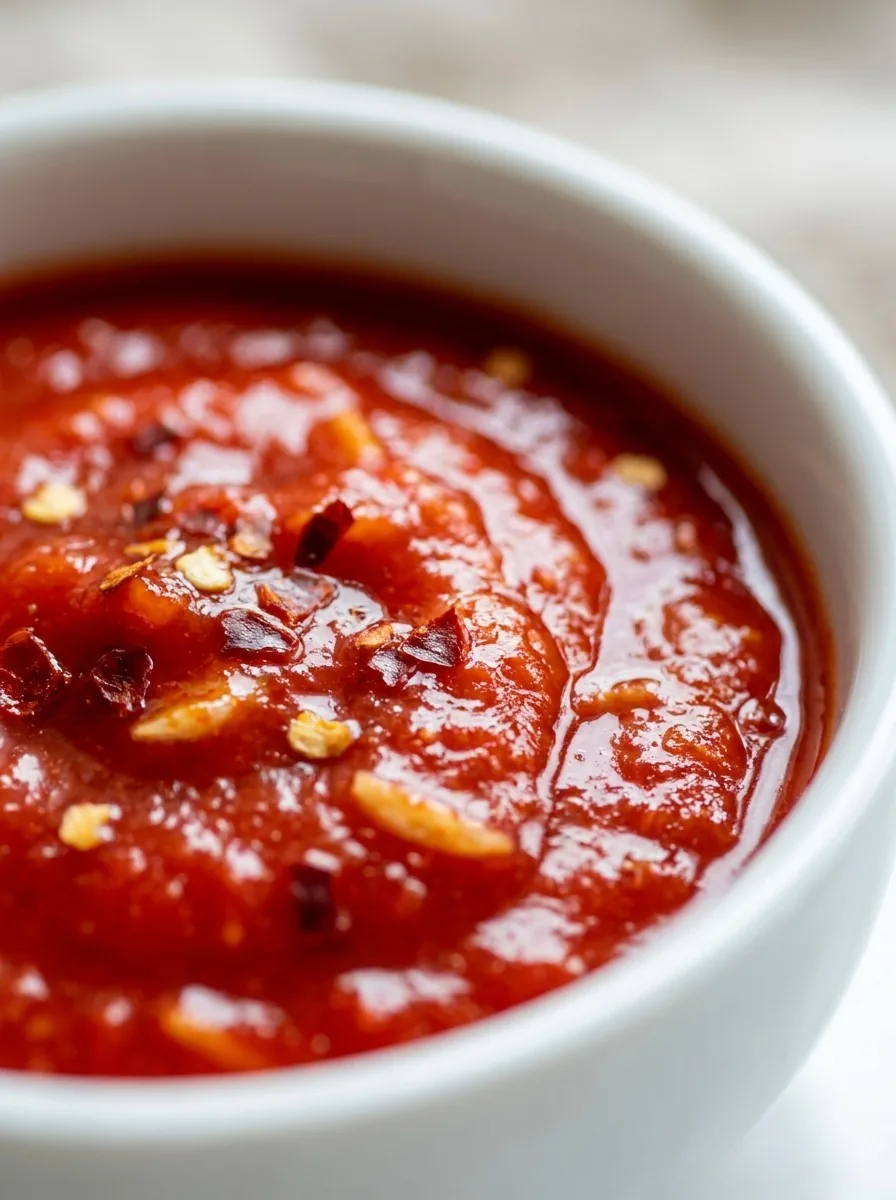
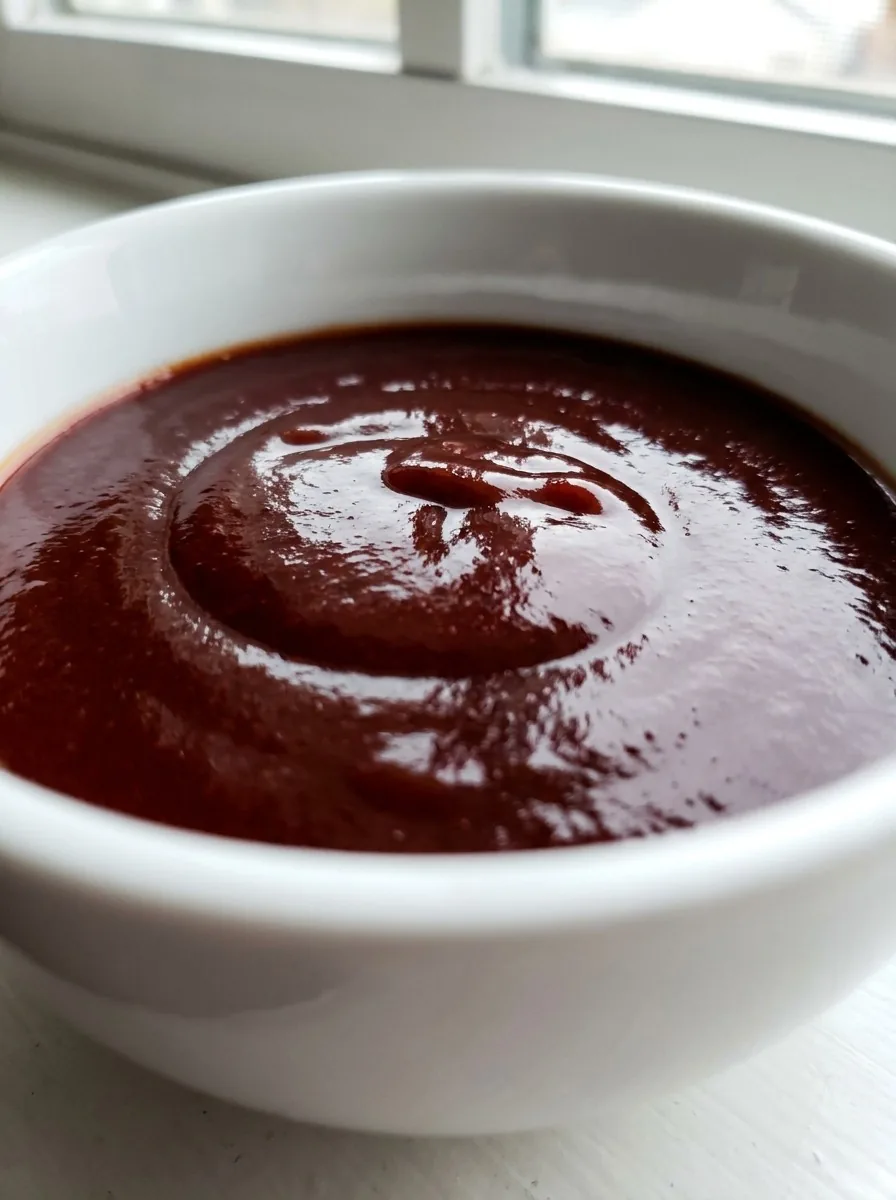
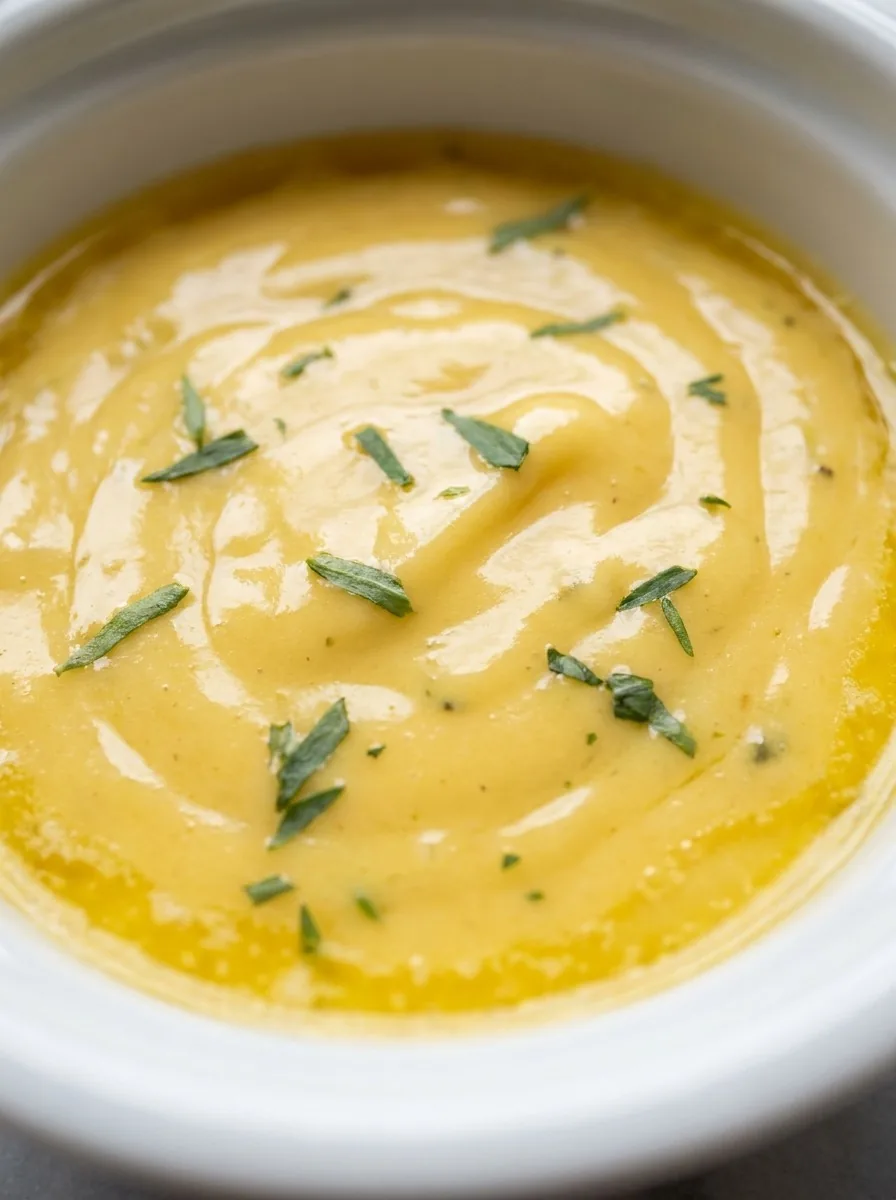
This sauce is versatile and pairs well with a variety of main courses. It is classic over a pan-seared steak or a tenderloin roast. It also works beautifully with grilled chicken breasts or roasted pork chops. For a vegetarian option, serve it over mashed potatoes or gratin dauphinois. The creamy texture makes it a great topping for risotto or polenta. You can also use it as a dip for crudités or bread, though it is best served warm. For a more elegant presentation, drizzle it over the plate rather than pouring it, allowing the diner to control the amount on their fork. It also pairs well with roasted root vegetables like carrots or parsnips.If you like making sauces from scratch, try our alfredo sauce, arrabbiata sauce, bbq sauce and bearnaise sauce next.
Keeping It Fresh
To store leftover sauce, let it cool to room temperature before transferring it to an airtight container. Refrigerate it for up to three days. The sauce may thicken as it cools, which is normal. When reheating, do so over low heat on the stovetop. Stir frequently and add a small amount of water, stock, or cream to loosen the consistency. Do not microwave the sauce in large bursts, as this can cause uneven heating and splitting. If you plan to freeze it, note that the texture might change slightly upon thawing, becoming a bit grainier. It is best used within one month if frozen. Stir it well after thawing to re-emulsify the fats.Wrapping Up
Making this creamy peppercorn sauce from scratch is a rewarding experience that elevates simple meals. The key is to take your time with the reduction steps, as they build the layers of flavor. With only a few ingredients and basic techniques, you can create a restaurant-quality sauce in your own kitchen. Experiment with different peppercorns or herbs to find your preferred balance of heat and aroma. This sauce is a staple that will become a go-to in your repertoire. It is easy to scale up or down depending on the number of guests. Enjoy the process of cooking and the satisfaction of serving a homemade condiment that adds depth to any dish.Frequently Asked Questions
Can I use chicken stock instead of beef stock?
Yes, you can use chicken stock for a lighter flavor profile. It works well with chicken or pork dishes but lacks the robust depth that beef stock provides for red meat pairings.
What if the sauce splits?
If the cream splits, remove the pan from the heat and stir in a tablespoon of cold water or heavy cream. Whisk vigorously until the sauce emulsifies back into a smooth consistency.
Can I make this sauce ahead of time?
Yes, you can make it up to two days in advance. Store it in an airtight container in the refrigerator. Reheat gently on the stovetop, adding a splash of cream or stock if it has thickened too much.
Do I need to crush the peppercorns?
Yes, crushing the peppercorns is essential. Whole peppercorns do not release their flavor easily during the short cooking time. Crush them just enough to break the skin and expose the aromatic oils.
Can I use a different type of wine?
You can use dry rosé or even a dry vermouth, but white wine is traditional. Avoid sweet wines or sparkling varieties, as they will alter the balance of the sauce and make it cloying.
◆ ◆ ◆
← Back to ingredientsGet new sauce recipes
One tasty homemade sauce in your inbox each week. No spam, unsubscribe anytime.
Comments (16)