Thai Peanut Sauce: Step-by-Step Instructions
On this page
Pro Tips for Better Results
Always use warm water when diluting the peanut butter. Cold water causes the fats to solidify, leading to a stiff and lumpy mixture. If your sauce is still too thick after mixing, do not add more water immediately; instead, let it sit for a minute and whisk again, as the mixture often loosens as it warms slightly during the process.
Taste as you go, especially after adding the fish sauce and lime juice. Fish sauce is potent, so start with the minimum amount and add more only if the sauce tastes flat. Similarly, the amount of sriracha depends on your heat tolerance. A little goes a long way, and you can always add more heat later, but you cannot remove it once it is in the bowl.
Instructions
- Place the peanut butter in a medium heatproof bowl and microwave it for 30 seconds, stirring halfway, until it becomes soft and pourable; this step reduces the friction required later and ensures a completely smooth emulsion without lumps.
- Whisk in the warm water, one tablespoon at a time, until the mixture is thin and glossy; using warm water helps break down the natural oils in the peanut butter more effectively than cold water, creating a better base for the sauce.
- Add the soy sauce, rice vinegar, and brown sugar to the bowl and whisk vigorously for about 30 seconds until the sugar is fully dissolved and the mixture turns a uniform light brown color.
- Stir in the fish sauce, lime juice, and sriracha, tasting the sauce to ensure the balance of salty, sour, and spicy notes meets your preference; the acidity from the lime and vinegar cuts through the richness of the peanuts, while the fish sauce adds depth.
- Mix in the ground cinnamon and white pepper, which provide subtle warm background notes that mimic the complexity of traditional Thai spice blends without overwhelming the primary peanut flavor.
- If the sauce is too thick for your liking, whisk in additional warm water, one teaspoon at a time, until it reaches a drizzly consistency that coats the back of a spoon evenly.
- Transfer the sauce to a small serving bowl and garnish with the crushed roasted peanuts, which add a necessary textural contrast to the creamy base and enhance the nutty aroma.
- Serve the sauce immediately while warm for a more aromatic experience, or let it cool to room temperature if you plan to use it as a dipping sauce for cold vegetables or spring rolls.
- Store any leftover sauce in an airtight container in the refrigerator, noting that it may thicken slightly as it chills due to the cooling of the peanut oils.
- Reheat the sauce gently in a small saucepan over low heat or in the microwave, adding a splash of water or lime juice to restore the original fluidity before serving.
Recipe Variations
For a vegan version, replace the fish sauce with a tablespoon of extra soy sauce or a teaspoon of nutritional yeast. This maintains the salty umami character without using animal products. You can also increase the heat by adding a fresh chile, such as a Thai bird's eye chili, minced finely and stirred in with the sriracha.
If you prefer a more complex profile, add a teaspoon of five-spice powder in place of the cinnamon. This will give the sauce a more aromatic and slightly floral note. For a creamier texture, you can substitute half of the water with coconut milk, which adds a subtle tropical flavor and a richer mouthfeel.
Serving Ideas
This sauce is incredibly versatile and pairs well with a variety of proteins and vegetables. It is excellent over stir-fried chicken, tofu, or shrimp, where the warm sauce coats the hot ingredients and enhances their flavors. It also works beautifully as a dipping sauce for fresh spring rolls, cellophane rolls, or raw vegetables like carrots and broccoli.
Consider using it as a pasta sauce for a quick weeknight dinner. Toss cooked soba or rice noodles with the warm sauce, some sliced cucumbers, and shredded carrots. For a more substantial meal, serve it over rice with a side of steamed greens. It can also be used as a marinade for grilled meats, allowing the flavors to penetrate the protein during the cooking process.
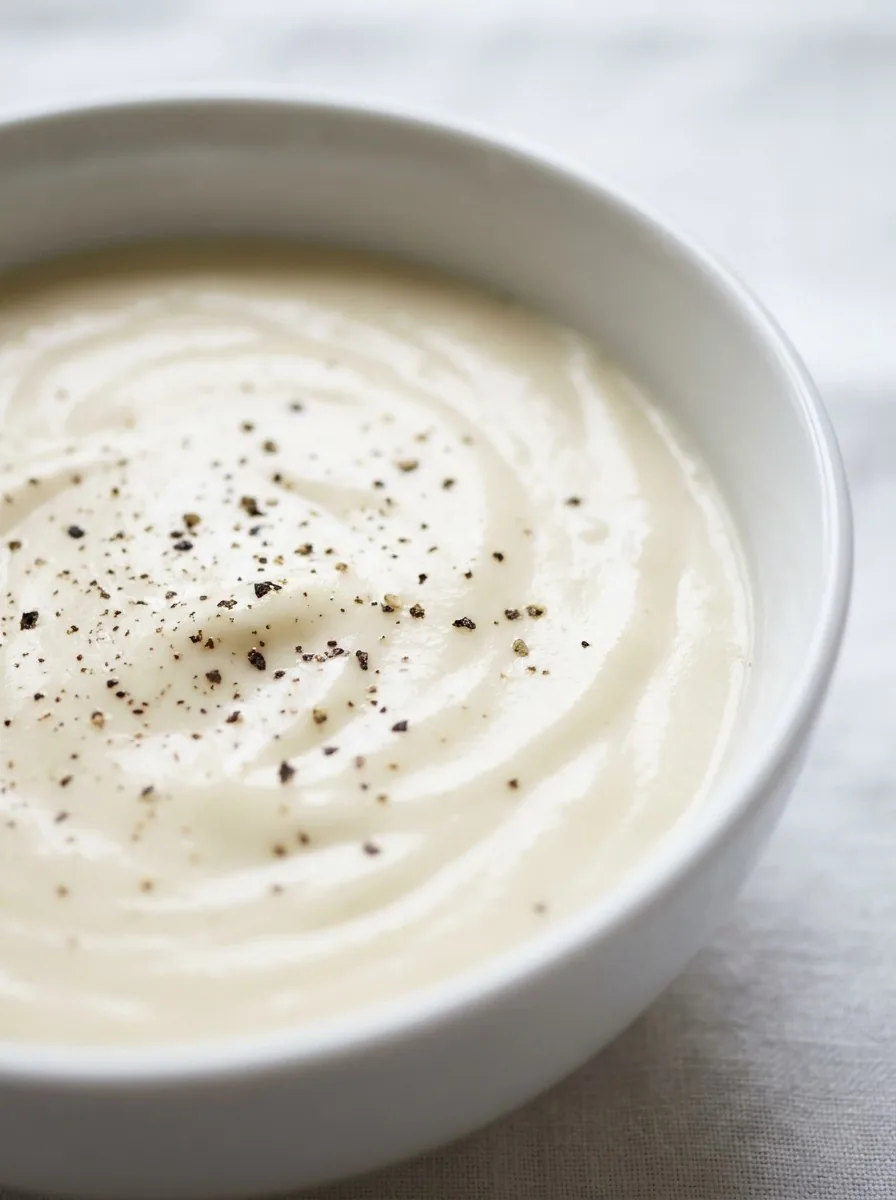
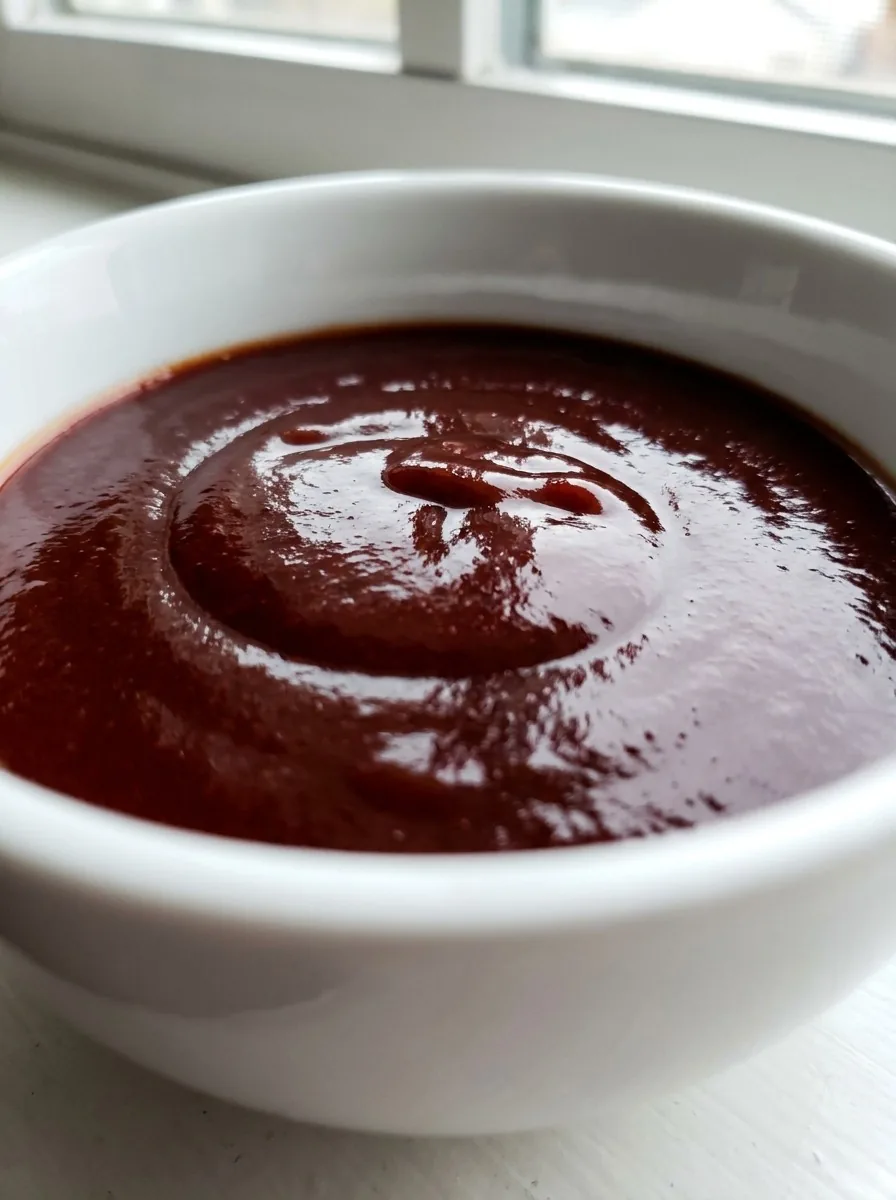
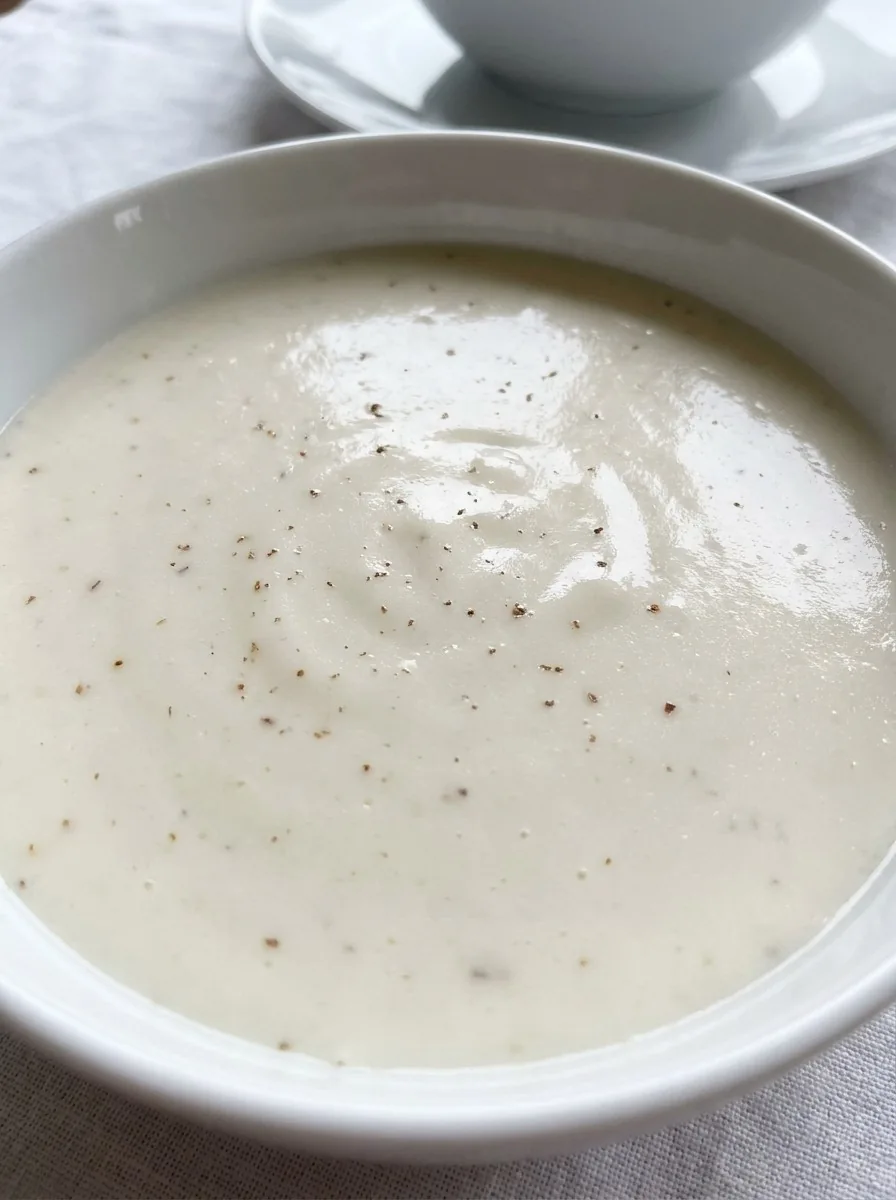
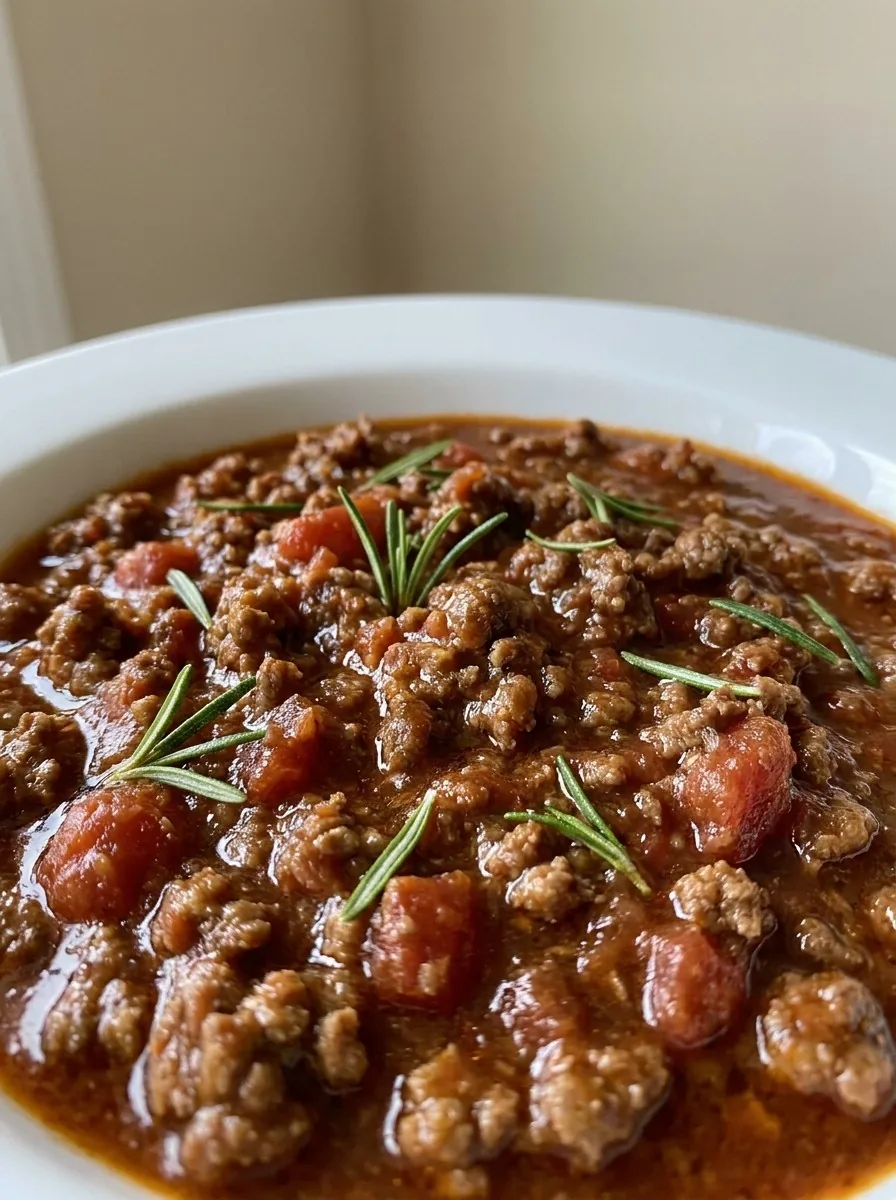
If you like making sauces from scratch, try our alfredo sauce, arrabbiata sauce, bbq sauce and bechamel white sauce next.
Keeping It Fresh
Store the sauce in a clean, airtight glass jar in the refrigerator. The peanut oil will separate from the liquid components over time, which is normal and does not indicate spoilage. Simply stir the sauce well before using it to recombine the ingredients. The sauce will keep for up to two weeks in the fridge, maintaining its flavor and texture.
Do not freeze this sauce, as the emulsion breaks down when thawed, resulting in a grainy and separated texture. If you have too much, consider using it within a few days or sharing it with friends. Ensure the jar is sealed tightly to prevent the sauce from absorbing other odors from the refrigerator.
Wrapping Up
Making your own Thai peanut sauce is a simple task that yields a significant reward in terms of flavor and freshness. By controlling the ingredients, you can adjust the sweetness, saltiness, and heat to your exact taste preferences. This sauce is a staple that can elevate simple dishes into something memorable and satisfying.
Experiment with the variations suggested to find your perfect balance. Whether you use it as a dip, a drizzle, or a marinade, this homemade sauce will become a go-to ingredient in your kitchen. Enjoy the process of creating this versatile and delicious condiment from scratch.
Frequently Asked Questions
Can I make this sauce without fish sauce?
Yes, you can substitute the fish sauce with an additional tablespoon of soy sauce for a vegan version, though you will lose some of the umami depth that fish sauce provides. Alternatively, use a teaspoon of kelp powder for a vegan umami boost.
Why is my sauce too thick?
Peanut butter varies in oil content and thickness based on the brand and temperature. If your sauce is too thick, gradually whisk in more warm water, one teaspoon at a time, until it reaches your desired consistency.
How long does this sauce last in the fridge?
This sauce will keep for up to two weeks in an airtight container in the refrigerator. The natural oils in the peanut butter separate over time, so give it a good stir before using.
Can I freeze this sauce?
Freezing is not recommended because the texture of the peanut butter becomes grainy and separates when thawed. It is best to make only the amount you need for immediate use or short-term storage.
What type of peanut butter should I use?
Use creamy peanut butter for the smoothest results. Natural peanut butter with separated oils can be used, but you must stir it thoroughly before measuring to ensure an even consistency in the final sauce.
◆ ◆ ◆
← Back to ingredientsGet new sauce recipes
One tasty homemade sauce in your inbox each week. No spam, unsubscribe anytime.
Comments (12)