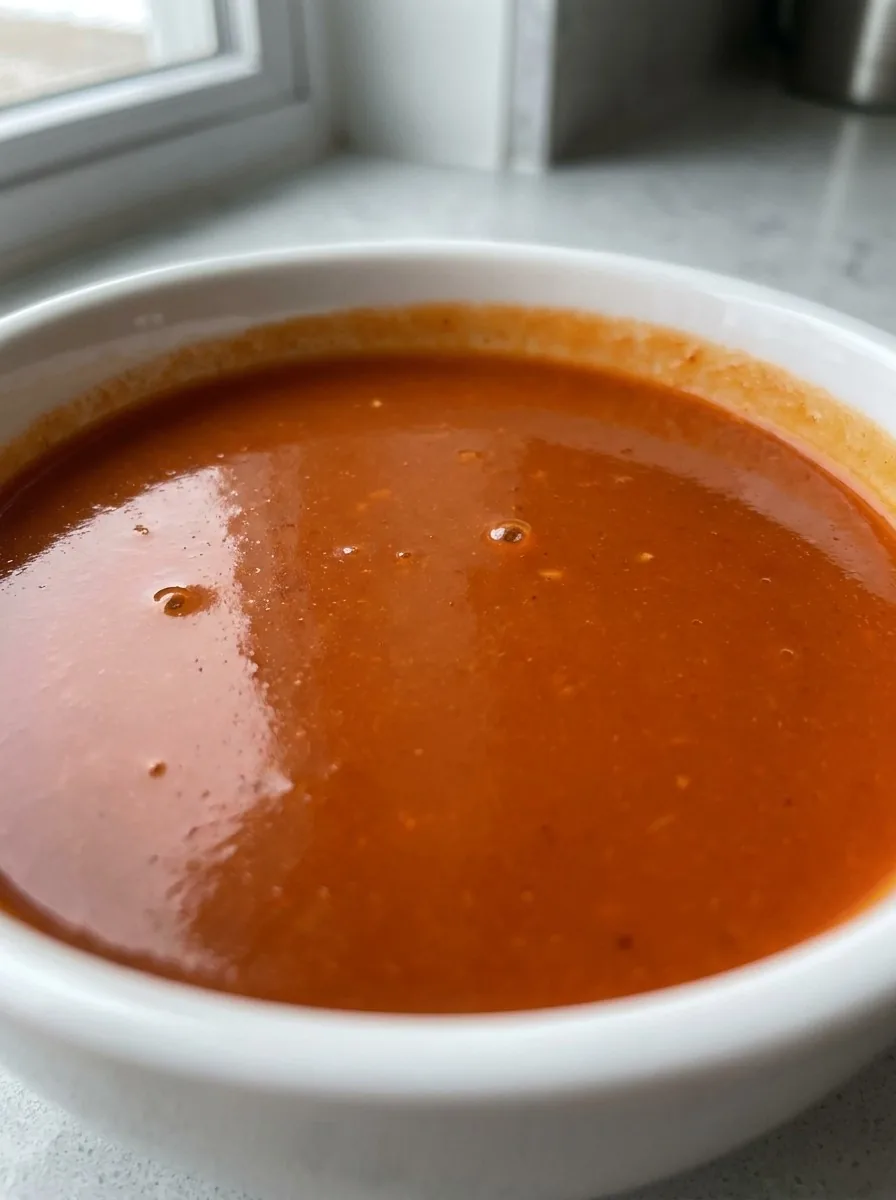
Chinese Orange Sauce: Step-by-Step Instructions
On this page
Pro Tips for Better Results
For a smoother sauce, whisk the cornstarch slurry until completely dissolved before adding it to the simmering mix. Keep the heat moderate to avoid burning the sugars; a rolling boil can caramelize the honey too quickly. If you prefer a richer glaze, let the sauce reduce for an additional minute after adding the slurry. To preserve the bright orange hue, add a touch of lemon juice or a few drops of orange zest after cooking. Lastly, use freshly sliced orange segments as a garnish to reinforce the citrus theme.
Instructions
- Combine the orange juice, rice vinegar, soy sauce, honey, sesame oil, minced garlic, grated ginger, and red pepper flakes in a small saucepan; whisk to dissolve the honey and mix the aromatics evenly.
- Heat the mixture over medium heat until it begins to simmer; this step extracts the citrus zest’s bright oils and melds the flavors together.
- In a separate bowl, mix the cornstarch with the water to create a slurry; stirring ensures no lumps and keeps the thickening agent evenly distributed.
- Pour the slurry into the simmering sauce while whisking continuously; the continuous motion prevents clumping and ensures a silky, glossy finish.
- Continue to cook for 2–3 minutes, letting the sauce reduce slightly; this reduction concentrates the sweet‑salty balance and thickens the texture to a glaze consistency.
- Taste the sauce and adjust seasoning as needed: add a splash of soy sauce if more depth is desired or a touch of honey if extra sweetness is preferred.
- Remove the saucepan from heat and let the sauce rest for 1 minute; this pause allows the cornstarch to fully set and the flavors to settle.
- Serve immediately over a stir‑fry, grilled chicken, or tofu; the sauce can also be cooled and stored in an airtight container for up to a week.
- When reheating, add a splash of water to loosen the sauce, then return it to a low simmer to restore its glossy sheen.
Recipe Variations
Swap honey for maple syrup or agave nectar for a different sweetness profile. For a smoky twist, add a small amount of smoked paprika. Use tamari or coconut aminos to make the sauce gluten‑free. If you prefer a thicker sauce, increase the cornstarch to two tablespoons, but be sure to cook the sauce for an extra minute to fully activate the thickening agent. For a fruity sauce, blend in a splash of pineapple juice or mango puree, adjusting the vinegar to keep the balance.
Serving Ideas
Drizzle the sauce over a classic orange‑soy chicken stir‑fry, a simple tofu scramble, or a crisp vegetable medley. Chill the sauce and use it as a dip for spring rolls or a glaze for grilled shrimp. Warm it and pour over a bowl of ramen for a quick, flavorful broth. Pair with steamed rice or quinoa for a wholesome meal. For an appetizer, toss sliced cucumber and carrot sticks in the sauce for a refreshing bite.
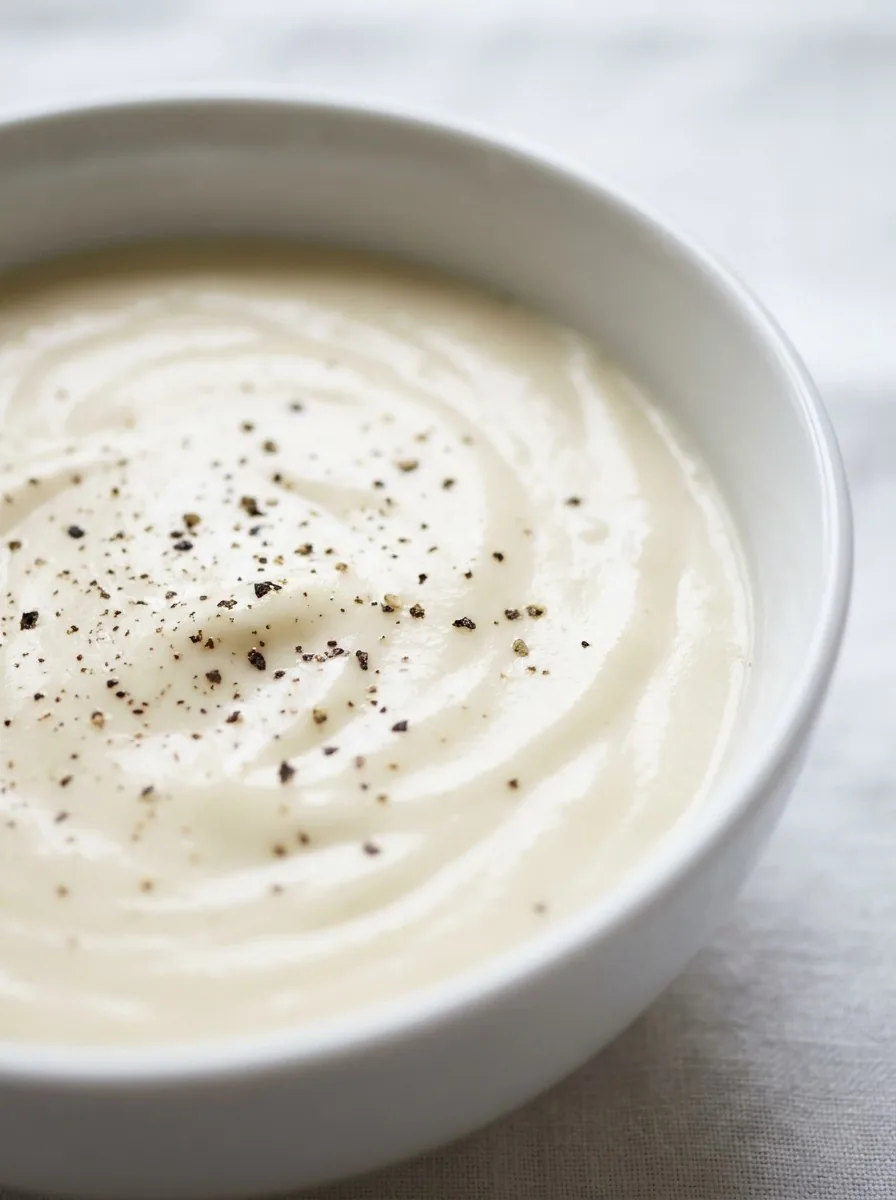
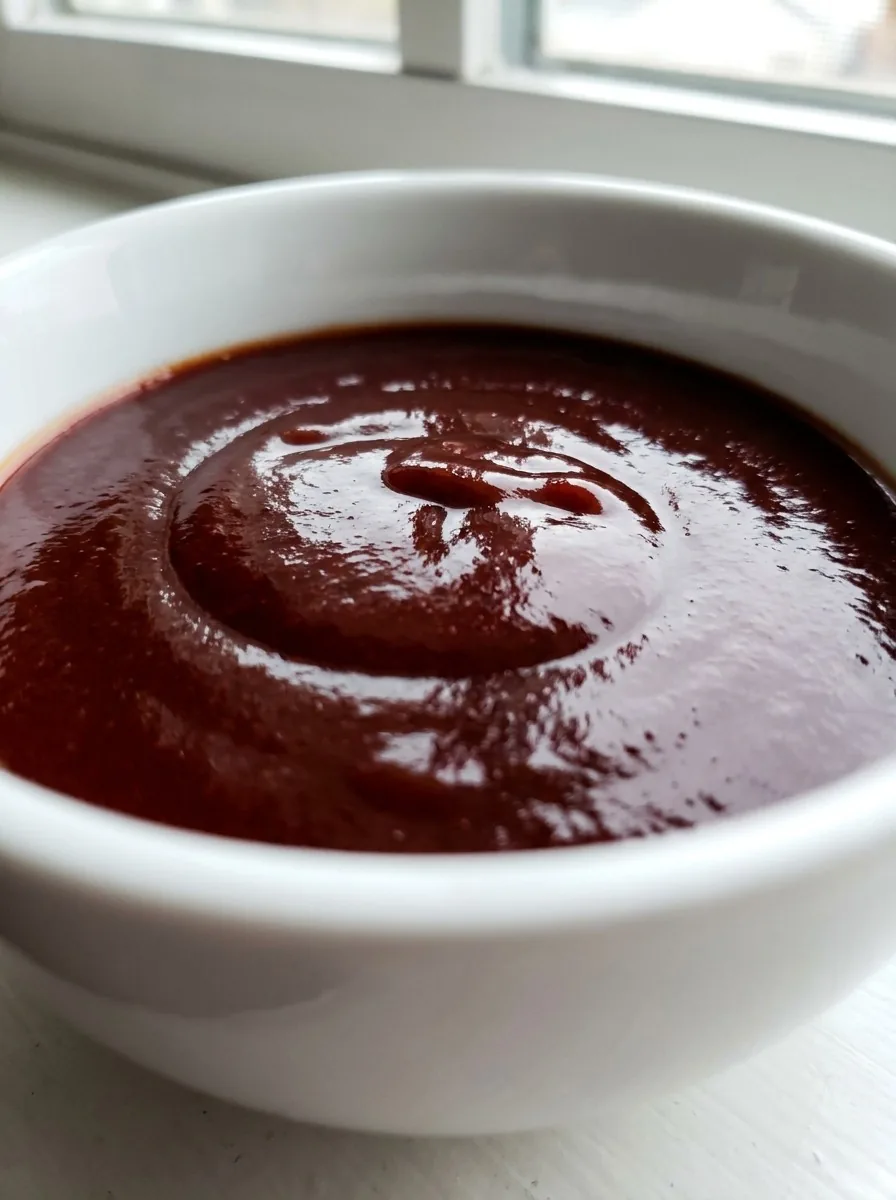
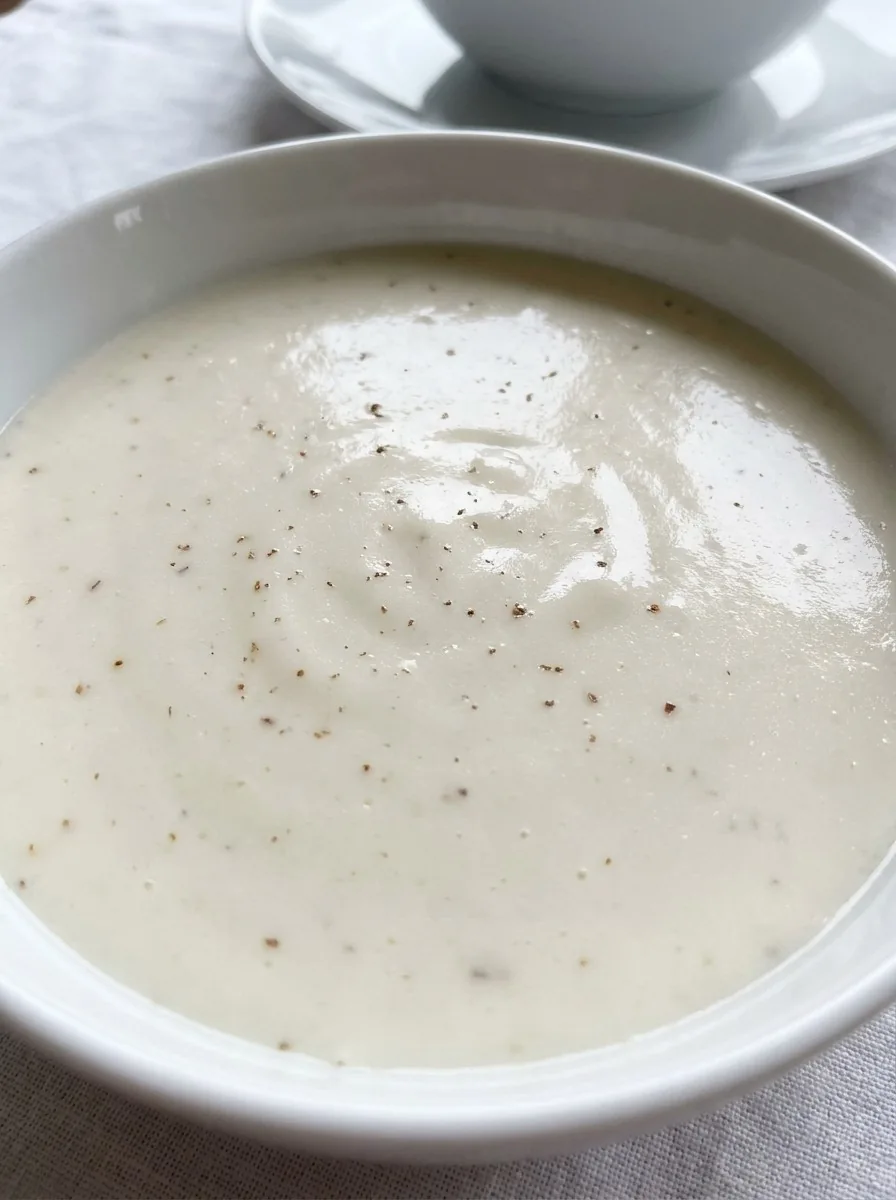
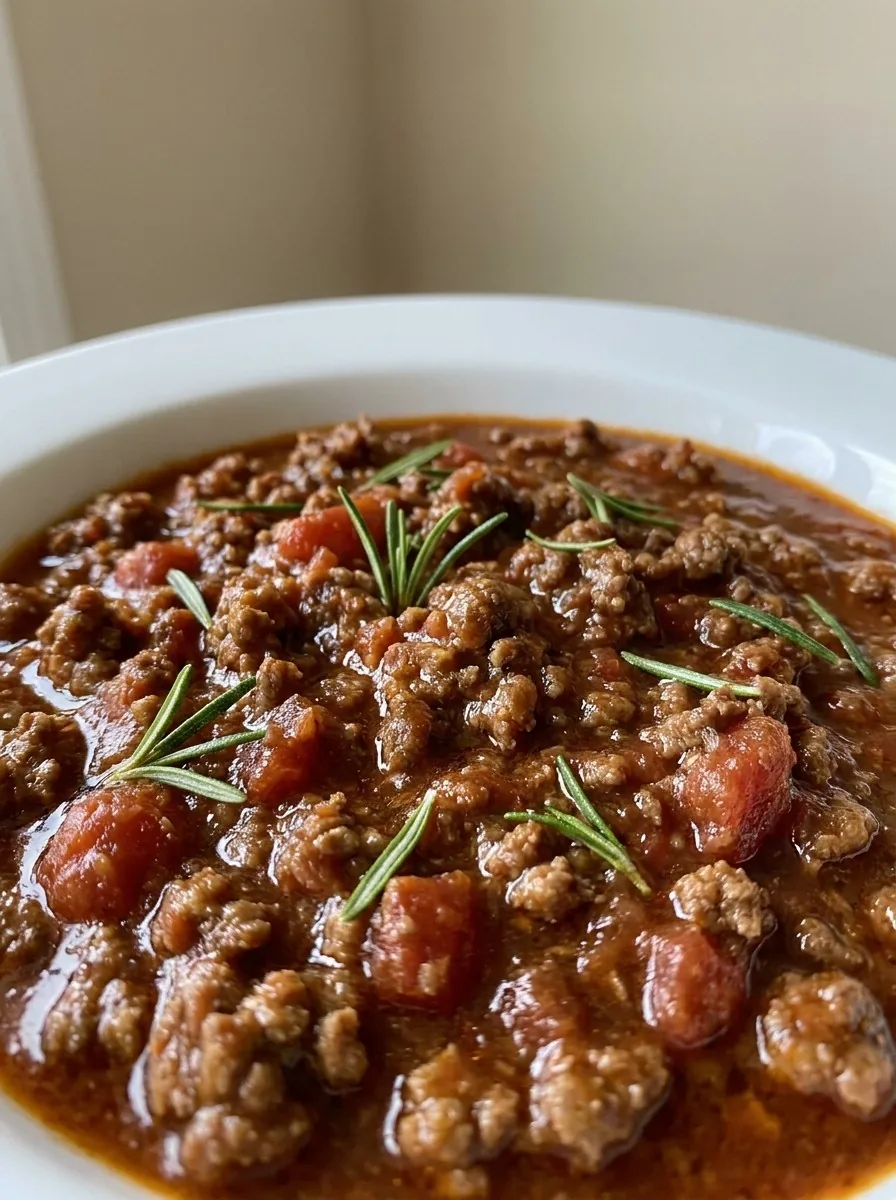
If you like making sauces from scratch, try our alfredo sauce, arrabbiata sauce, bbq sauce and bechamel white sauce next.
Keeping It Fresh
Transfer the sauce to an airtight container and refrigerate; it will keep for up to a week. When reheating, add a splash of water to loosen the viscosity and gently bring it back to a simmer. For long‑term storage, freeze the sauce in freezer‑safe portions; thaw in the refrigerator overnight and reheat gently. The vinegar and soy sauce act as preservatives, but always check for off‑odors before serving.
Wrapping Up
This homemade orange sauce is a testament to how pantry staples can create a restaurant‑style flavor on a budget. By balancing citrus, soy, and honey, it offers a sweet‑salty glaze that adapts to many dishes. Keep the sauce on hand for quick week‑night meals, knowing that it can be heated, chilled, or flavored further with your favorite tweaks. Enjoy experimenting, and let the bright orange notes bring a fresh twist to your cooking repertoire.
Frequently Asked Questions
Can I use bottled orange juice instead of fresh?
Yes, but fresh juice gives a cleaner, fresher flavor. If using bottled, choose a 100% juice with no added sugars.
What if I don’t have cornstarch?
Arrowroot or potato starch work as substitutes; use the same quantity to achieve a similar thickening effect.
How long does the sauce stay fresh?
Store it in a sealed jar in the refrigerator for up to a week; the vinegar and salt help preserve it.
Can I make it spicier?
Add more red pepper flakes or a dash of sriracha to taste; increase gradually to avoid overpowering the citrus.
Is it gluten‑free?
Use tamari or a gluten‑free soy sauce to keep the sauce gluten‑free while preserving the umami flavor.
◆ ◆ ◆
← Back to ingredientsGet new sauce recipes
One tasty homemade sauce in your inbox each week. No spam, unsubscribe anytime.