Classic Italian Marinara Sauce: Step-by-Step Instructions
On this page
Pro Tips for Better Results
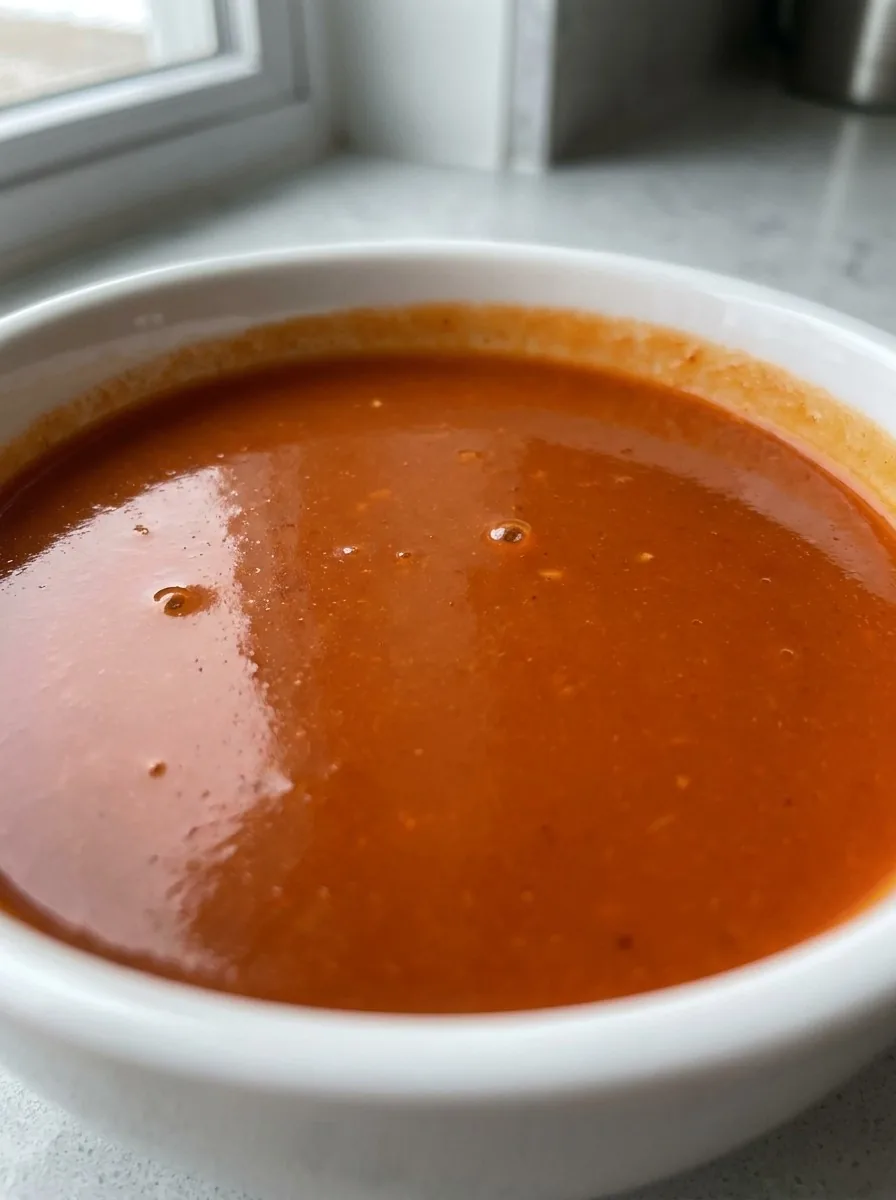
For an ultra‑smooth texture, crush the tomatoes with a potato masher after they enter the pot, then use an immersion blender for a few seconds if you prefer a puree. If you notice the sauce is too acidic, a pinch more sugar can round out the flavor without making it sweet. When the sauce looks too thick during simmering, add a splash of the reserved tomato juice or water; this helps maintain a glossy consistency. Finally, let the finished sauce rest for 10 minutes off the heat before serving—this short rest lets the flavors meld even further.
Instructions
- Heat the olive oil in a large saucepan over medium heat until it shimmers, which signals the oil is ready to carry the flavors of the aromatics.
- Add the diced onion and sauté for 3‑4 minutes, stirring occasionally, until the onion becomes translucent and begins to soften, creating a sweet foundation.
- Stir in the minced garlic and cook for another 30 seconds, being careful not to let it brown, because burnt garlic can introduce bitterness.
- If using tomato paste, add it now and let it caramelize for 1‑2 minutes; this step deepens the umami character of the sauce.
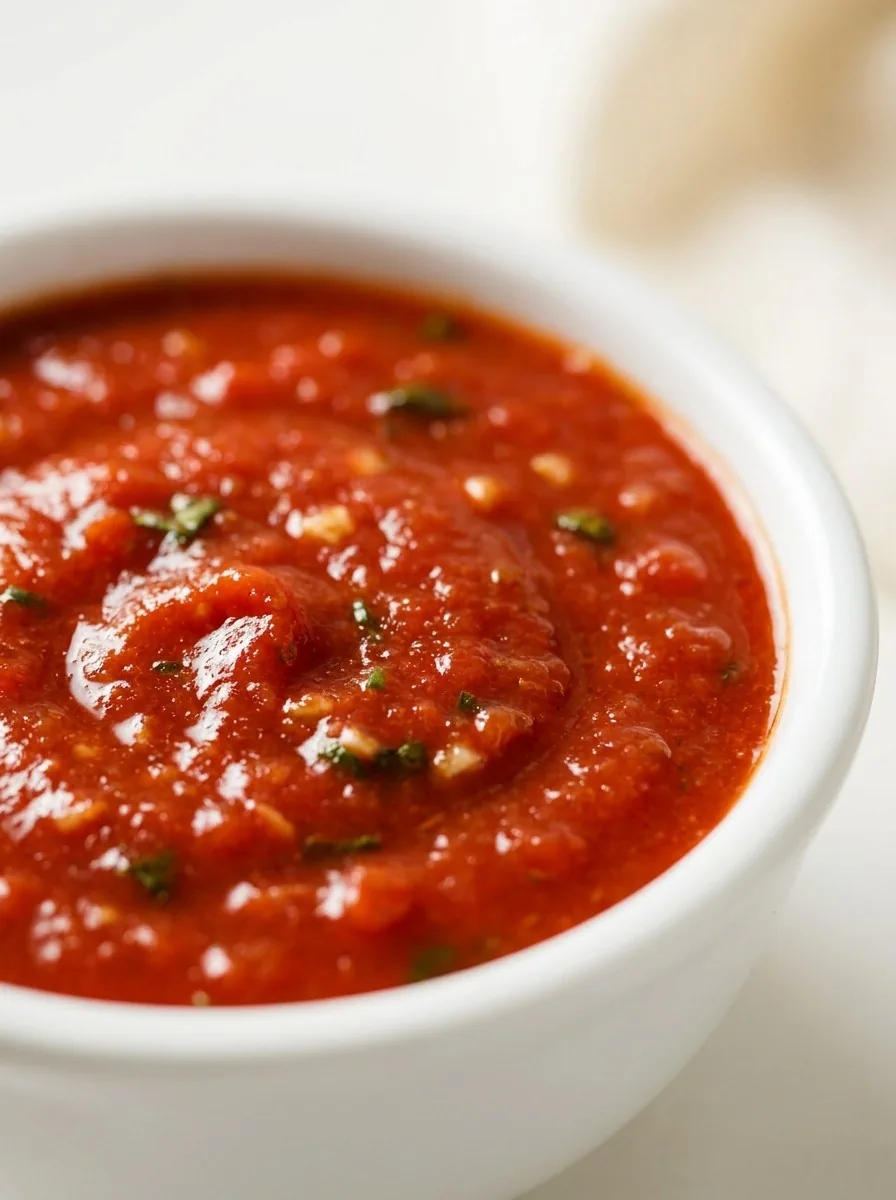
- Crush the whole San Marzano tomatoes by hand or with a spoon directly in the pot, allowing the juices to mingle with the aromatics, which ensures a chunky yet cohesive texture.
- Season with dried oregano, sea salt, a pinch of sugar, and freshly ground black pepper, then stir to distribute the seasonings evenly throughout the mixture.
- Reduce the heat to low, cover the saucepan partially, and let the sauce simmer gently for 20‑25 minutes, stirring occasionally to prevent sticking and to allow the flavors to meld.
- Taste the sauce and adjust salt or sugar as needed; then fold in the torn fresh basil leaves just before turning off the heat to preserve their bright, herbaceous aroma.
- If the sauce appears too thick, add a splash of water, then give it a final stir before ladling it into a serving bowl or tossing it with cooked pasta.
Recipe Variations
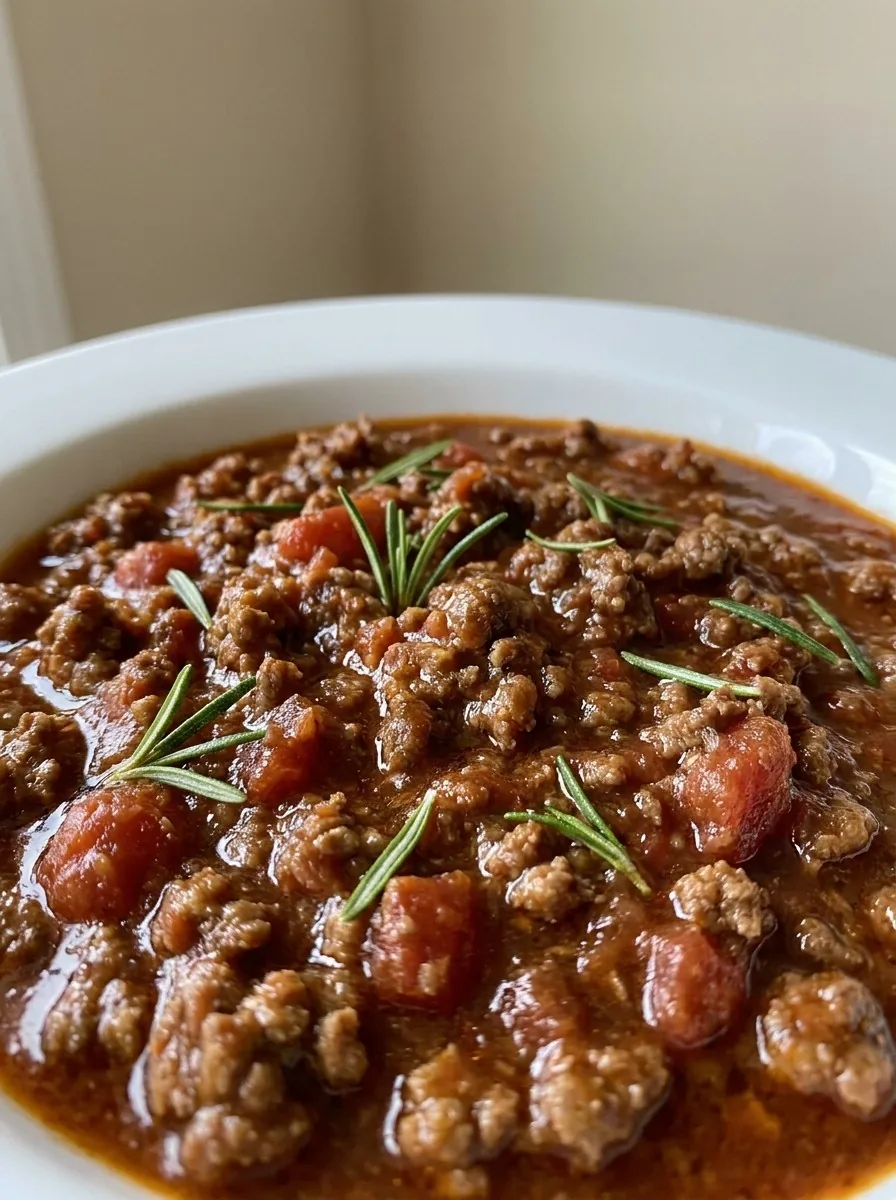
If you enjoy a richer sauce, stir in ¼ cup of heavy cream at the end of cooking for a velvety finish. For a smoky twist, add a teaspoon of smoked paprika or a splash of liquid smoke when you introduce the tomatoes. Vegetarians can boost the umami by incorporating a tablespoon of finely chopped anchovies or a dash of soy sauce, both of which dissolve into the sauce without altering its character. Finally, for a winter‑time version, swap fresh basil for a handful of chopped kale and a teaspoon of rosemary, letting the heartier greens absorb the tomato base.
Serving Ideas
Pair this marinara with al dente spaghetti and a generous sprinkle of Pecorino Romano for a classic Italian dinner. Use it as the base for a homemade pizza, spreading it thinly before adding mozzarella and your favorite toppings. It also works beautifully as a dipping sauce for fried calamari, mozzarella sticks, or garlic‑bread croutons. For a lighter option, toss the sauce with roasted vegetables and serve over quinoa or farro for a hearty grain bowl.
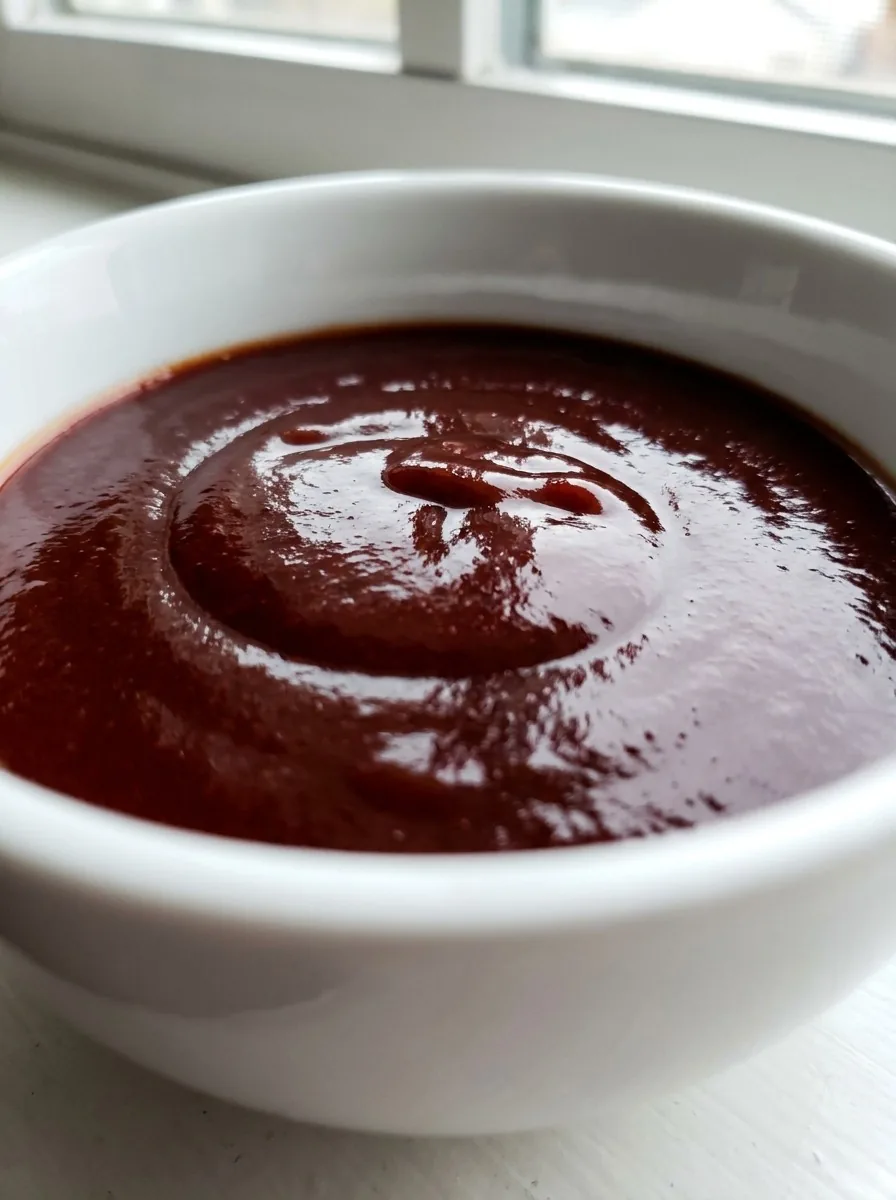
If you like making sauces from scratch, try our red enchilada sauce, fresh chimichurri, sticky honey garlic sauce next.
Keeping It Fresh
Store the sauce in a clean glass jar or airtight plastic container. In the refrigerator, it will stay flavorful for up to five days; always let it cool to room temperature before sealing to avoid condensation. For longer storage, portion the sauce into freezer‑safe bags, lay them flat, and freeze for up to three months. When reheating, do so gently over low heat, adding a splash of water or broth to restore its original consistency. Avoid rapid boiling, which can cause the fresh herbs to become bitter.
Wrapping Up
This classic Italian marinara demonstrates that a handful of high‑quality ingredients, combined with careful timing, can produce a sauce that rivals those simmered for hours. By respecting each step—from the gentle sauté of aromatics to the final addition of fresh basil—you capture the essence of Southern Italian cooking in a fraction of the time. Whether you serve it over pasta, spread it on pizza dough, or use it as a dip, the sauce offers a bright, balanced flavor that enhances any dish. Keep the tips and variations in mind to customize it to your palate, and enjoy the satisfaction of a truly authentic homemade marinara.
Frequently Asked Questions
Can I use regular canned tomatoes instead of San Marzano?
Yes, you can substitute regular plum tomatoes, but San Marzano tomatoes have a naturally sweeter flavor and lower acidity, which gives the sauce a smoother taste without extra sugar.
How long will the sauce keep in the refrigerator?
Stored in an airtight container, the marinara will stay fresh for up to 5 days in the fridge; reheat gently on the stove or in the microwave.
Is it safe to freeze this sauce?
Absolutely—freeze in portion‑size bags or containers for up to 3 months; thaw overnight in the refrigerator and reheat on low heat, adding a splash of water if needed.
Can I add red pepper flakes for heat?
Feel free to add ¼‑½ tsp of red pepper flakes when you sauté the garlic; this will give the sauce a subtle kick without overpowering the tomato base.
What pasta shape pairs best with this marinara?
Long, thin noodles like spaghetti or linguine coat well, but the sauce also shines with short shapes such as rigatoni or penne that trap the chunky pieces.
◆ ◆ ◆
← Back to ingredientsGet new sauce recipes
One tasty homemade sauce in your inbox each week. No spam, unsubscribe anytime.
Comments (17)