Lemon Butter Sauce: Step-by-Step Instructions
On this page
Pro Tips for Better Results
For an extra silky texture, let the sauce sit for a minute after removing it from heat; the residual warmth will help the butter settle. When using a non‑stick pan, keep the heat medium to avoid scorching the butter’s milk solids. If you prefer a more pronounced citrus flavor, reserve a tablespoon of lemon zest for garnish, which adds aroma and visual pop. To keep the sauce from separating, avoid reheating it on high heat; instead, warm it gently over low heat while stirring continuously. Store any leftovers in a sealed container and use them within a few days for optimal flavor.Instructions
- In a small saucepan, melt the butter over medium heat until foamy and slightly browned, which develops a nutty aroma that deepens the sauce’s flavor.
- Add the minced garlic and cook for 30 seconds, stirring constantly to prevent burning; garlic imparts a subtle heat that balances the citrus.
- Stir in the lemon zest, letting it infuse the butter for 1 minute so the oils release bright citrus oils.
- Pour in the freshly squeezed lemon juice, the chicken broth, and cold water, then bring the mixture to a gentle simmer; this dilutes the acidity and creates a smooth base.
- Whisk in the Dijon mustard and heavy cream, which thicken the sauce slightly and give it a silky mouthfeel.
- Season with sea salt and freshly ground black pepper, tasting as you go; proper seasoning ensures the sauce is bright, not flat.
- Reduce the heat to low and let the sauce thicken for 2–3 minutes, allowing the flavors to meld; low heat keeps the butter from separating.
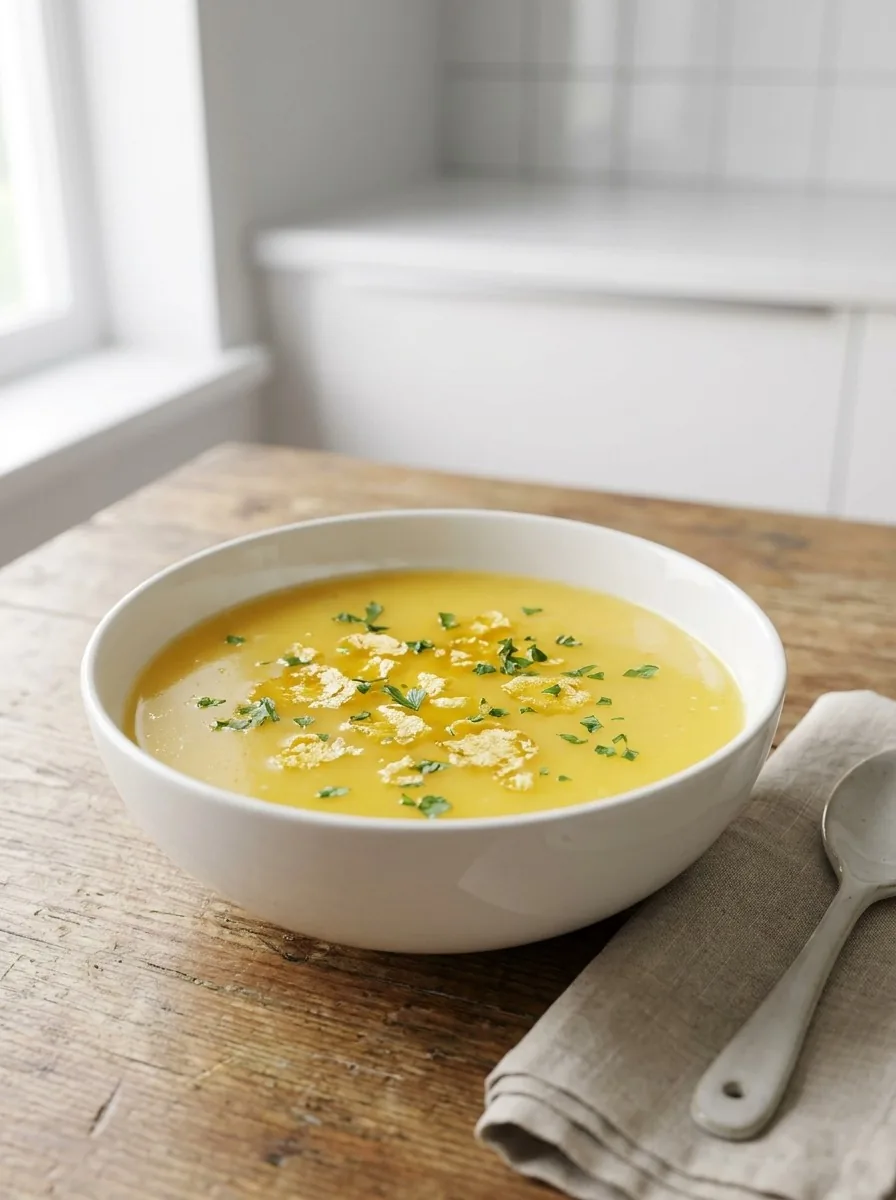
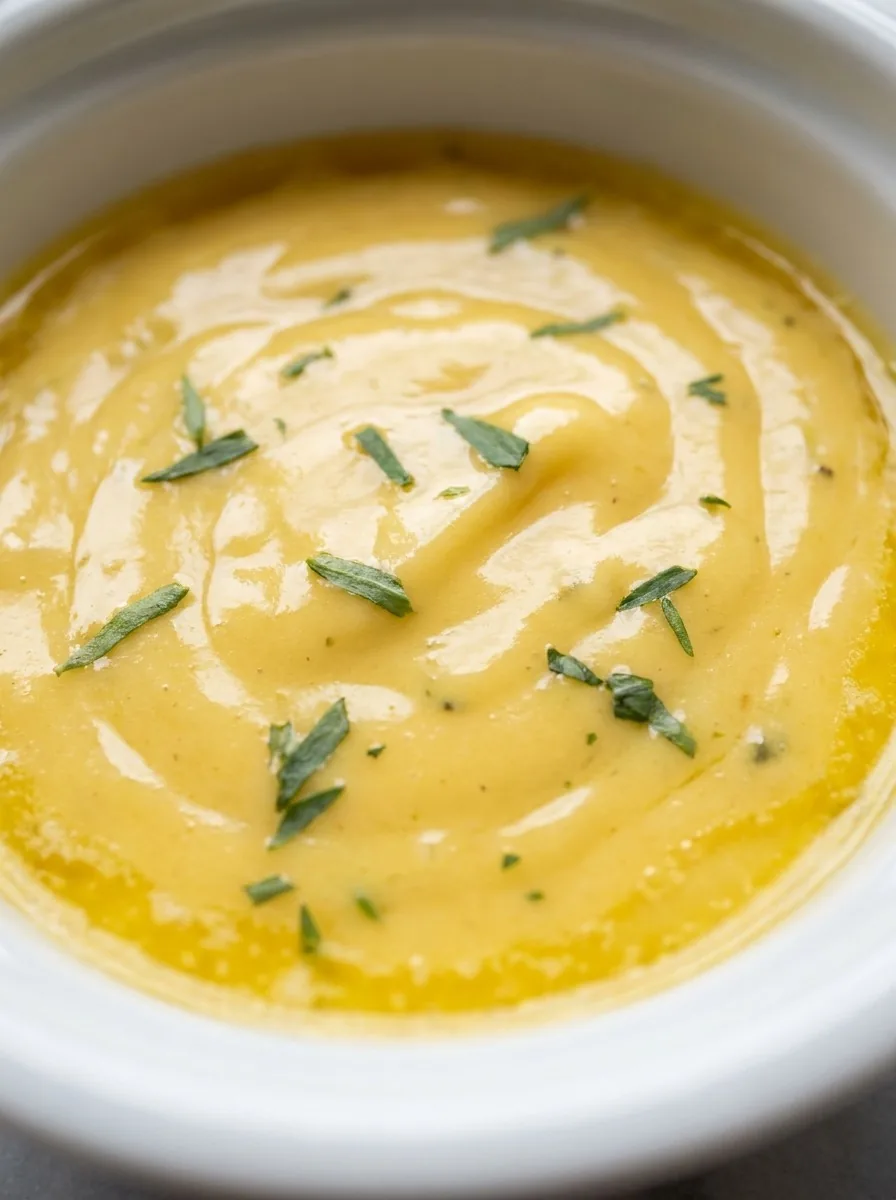
- Remove from heat and stir in chopped parsley, adding a fresh herbal note and a pop of color before serving.
- Check the consistency; if too thick, add a splash of warm water; if too thin, let it simmer a few more minutes until desired thickness.
Recipe Variations
Add a splash of white wine to the sauce for a subtle depth of flavor that pairs nicely with poultry. For a spicy kick, include a pinch of red pepper flakes when sautéing the garlic. Substitute the chicken broth with vegetable broth to keep the sauce vegetarian. If you prefer a thicker sauce, whisk in a tablespoon of flour or cornstarch dissolved in cold water before simmering; this creates a light roux that thickens the mixture. For a richer, creamier sauce, replace the heavy cream with coconut milk, which adds a faint tropical note.Serving Ideas
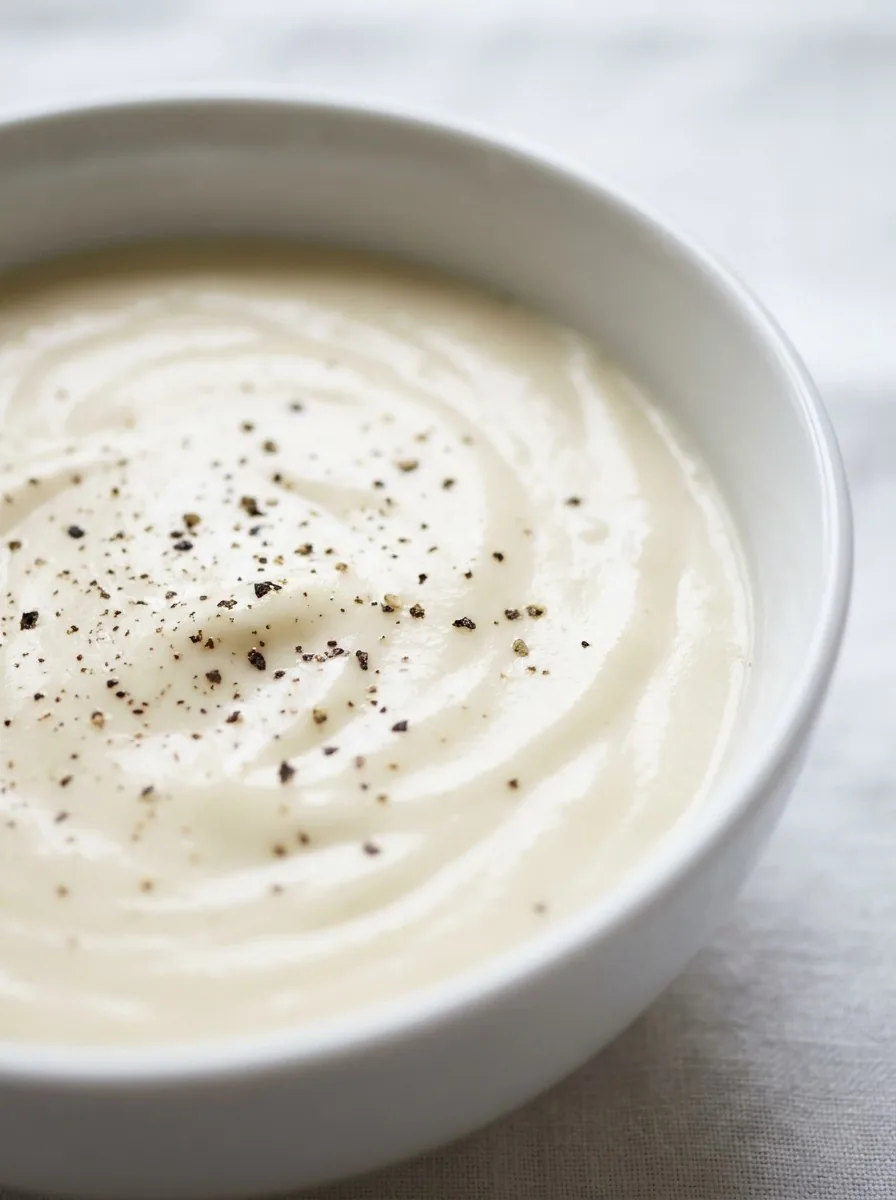
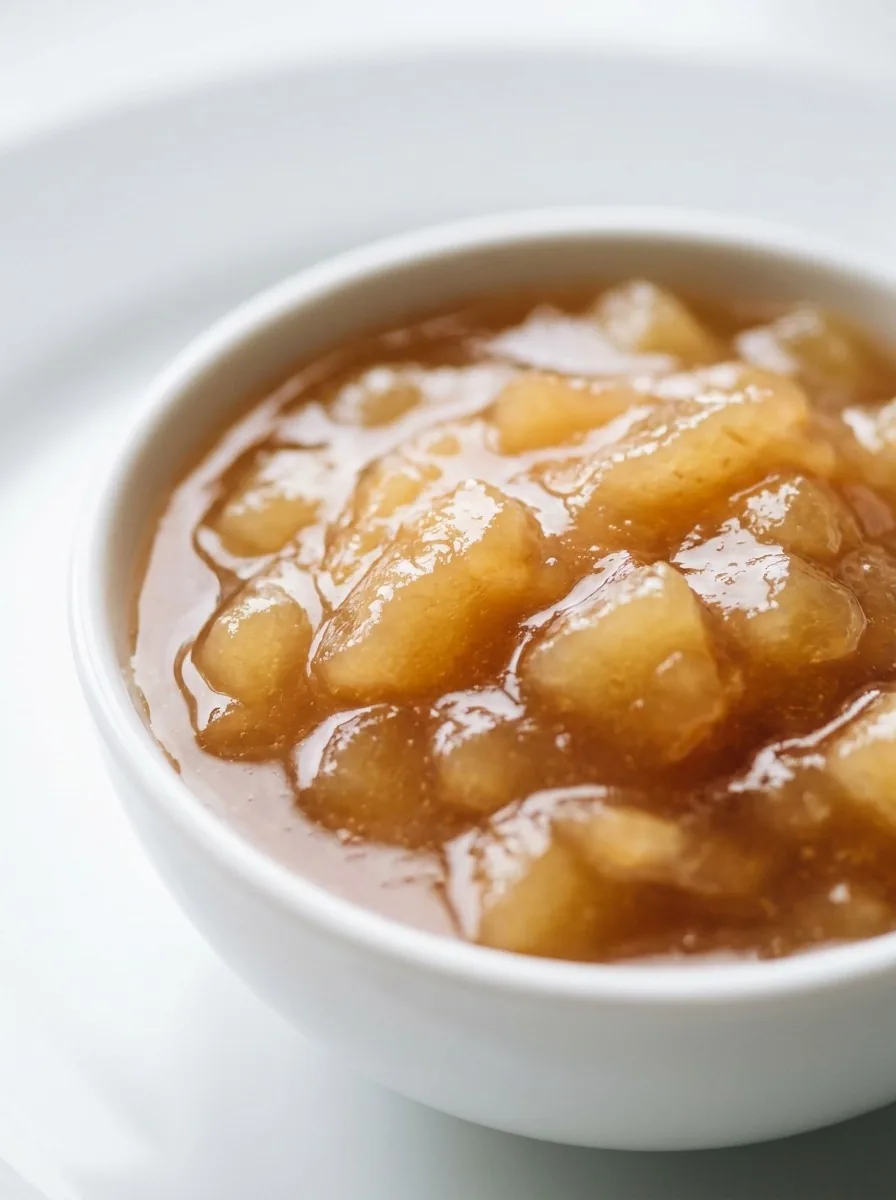
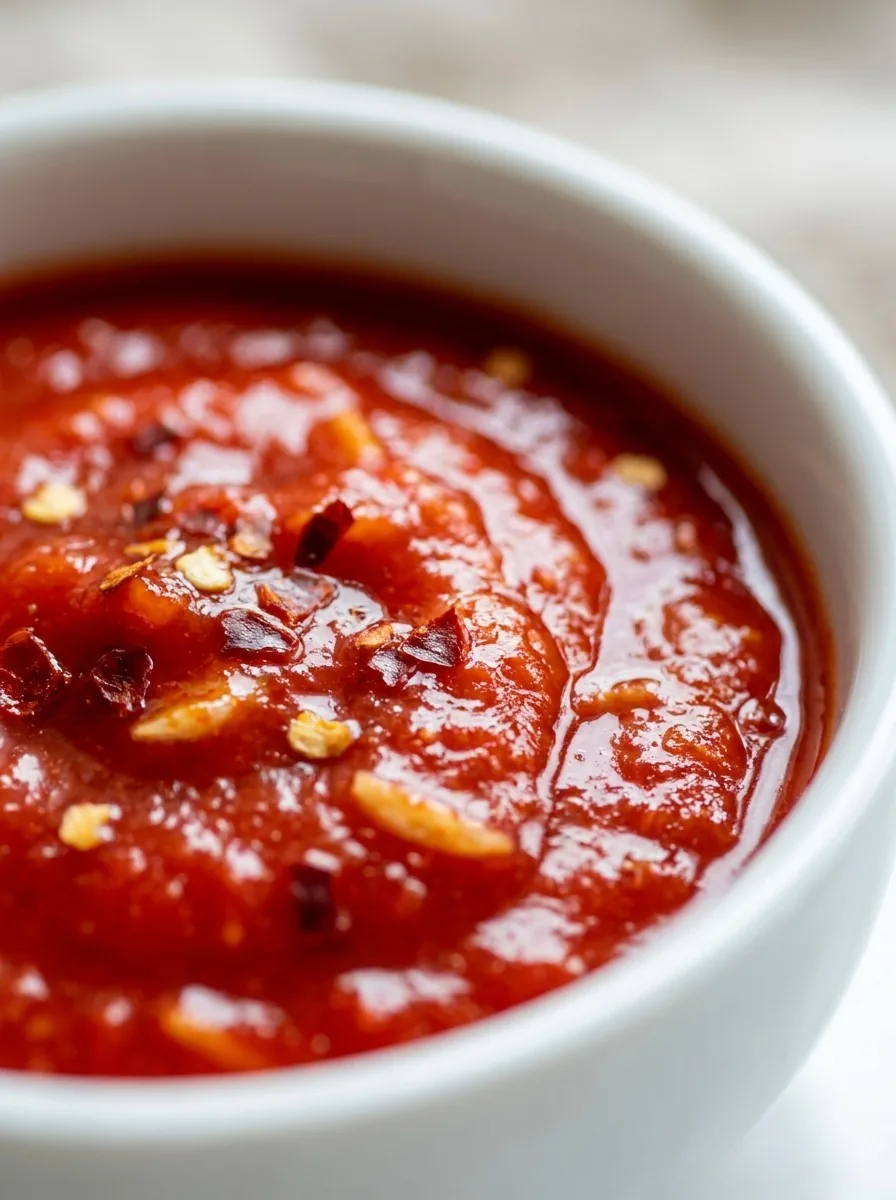
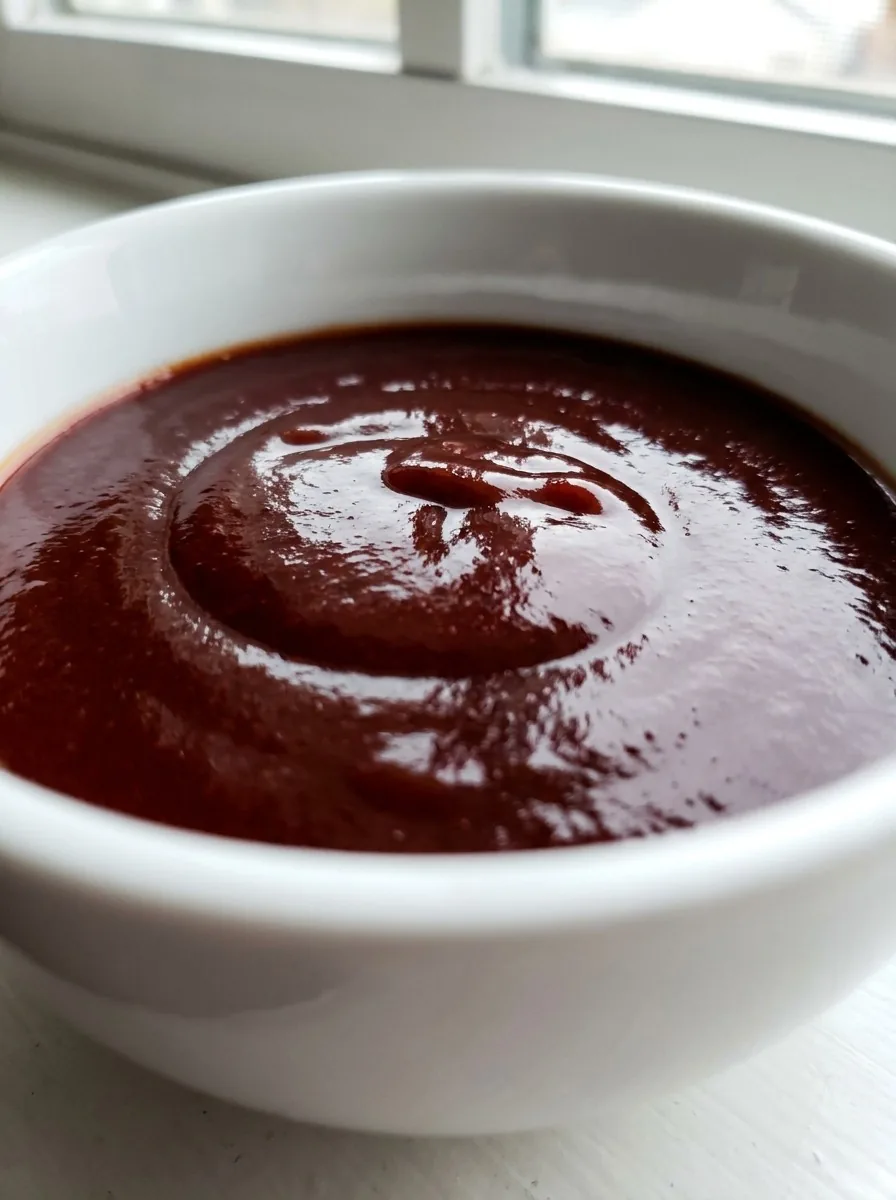
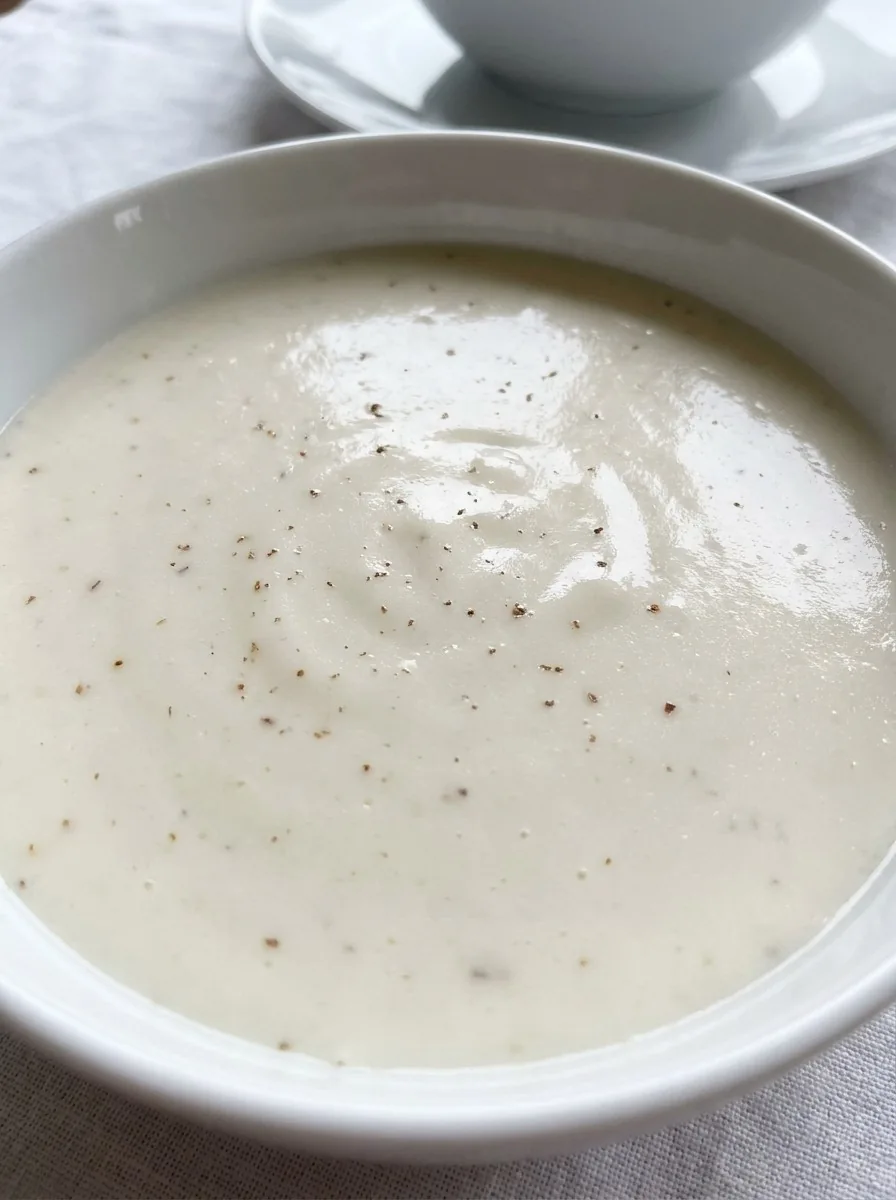
Drizzle the lemon butter sauce over grilled or roasted chicken breast for a quick dinner. A gentle pour over fresh salmon fillets brings out the fish’s natural oils while the citrus adds brightness. Toss cooked pasta with the sauce for a simple yet elegant side dish that can be served warm or at room temperature. Use the sauce as a finishing dip for steamed asparagus or roasted brussels sprouts. For a dessert twist, swirl a small amount under a drizzle of honey and top with toasted almonds for a sweet‑savory treat.If you like making sauces from scratch, try our alfredo sauce, apple sauce, arrabbiata sauce and bbq sauce next.
Keeping It Fresh
Store the sauce in a sealed container in the refrigerator; it will stay good for 2–3 days. To reheat, place the sauce in a small saucepan over low heat, whisking constantly until warmed through; avoid high heat to preserve the butter’s emulsion. If the sauce separates after refrigeration, whisk vigorously or blend briefly with a hand blender to restore its silky consistency. For longer storage, freeze the sauce in airtight freezer bags; thaw overnight in the refrigerator and reheat gently before serving. Always use a clean utensil to stir after each use to keep the sauce fresh.Wrapping Up
This lemon butter sauce demonstrates how a few simple pantry staples can create a versatile, flavorful condiment that enhances a wide range of dishes. Its quick preparation time and straightforward technique make it ideal for busy week‑night meals or for adding a gourmet touch to a weekend gathering. By following the steps and tips outlined, you’ll achieve a smooth, bright sauce that balances richness with citrus. Store leftovers properly and enjoy the sauce with your favorite proteins or vegetables. Your next meal will benefit from the fresh, homemade touch of this classic sauce.Frequently Asked Questions
Can I use bottled lemon juice instead of fresh?
Using fresh juice gives a brighter, cleaner flavor and less sugar; bottled is acceptable if you choose a non‑iced variety.
Is it okay to double the recipe?
Yes, simply double all ingredients and combine in a larger saucepan, watching the heat to avoid burning the butter.
Can this sauce be frozen?
It can be frozen in an airtight container for up to 2 months; thaw and gently reheat over low heat, whisking to restore consistency.
What proteins pair best with this sauce?
It complements grilled chicken, salmon, shrimp, or even roasted vegetables; the citrus cuts through richness.
How long does it keep at room temperature?
Keep it refrigerated; it is safe for 2–3 days when stored in a sealed container.
◆ ◆ ◆
← Back to ingredientsGet new sauce recipes
One tasty homemade sauce in your inbox each week. No spam, unsubscribe anytime.
Comments (8)