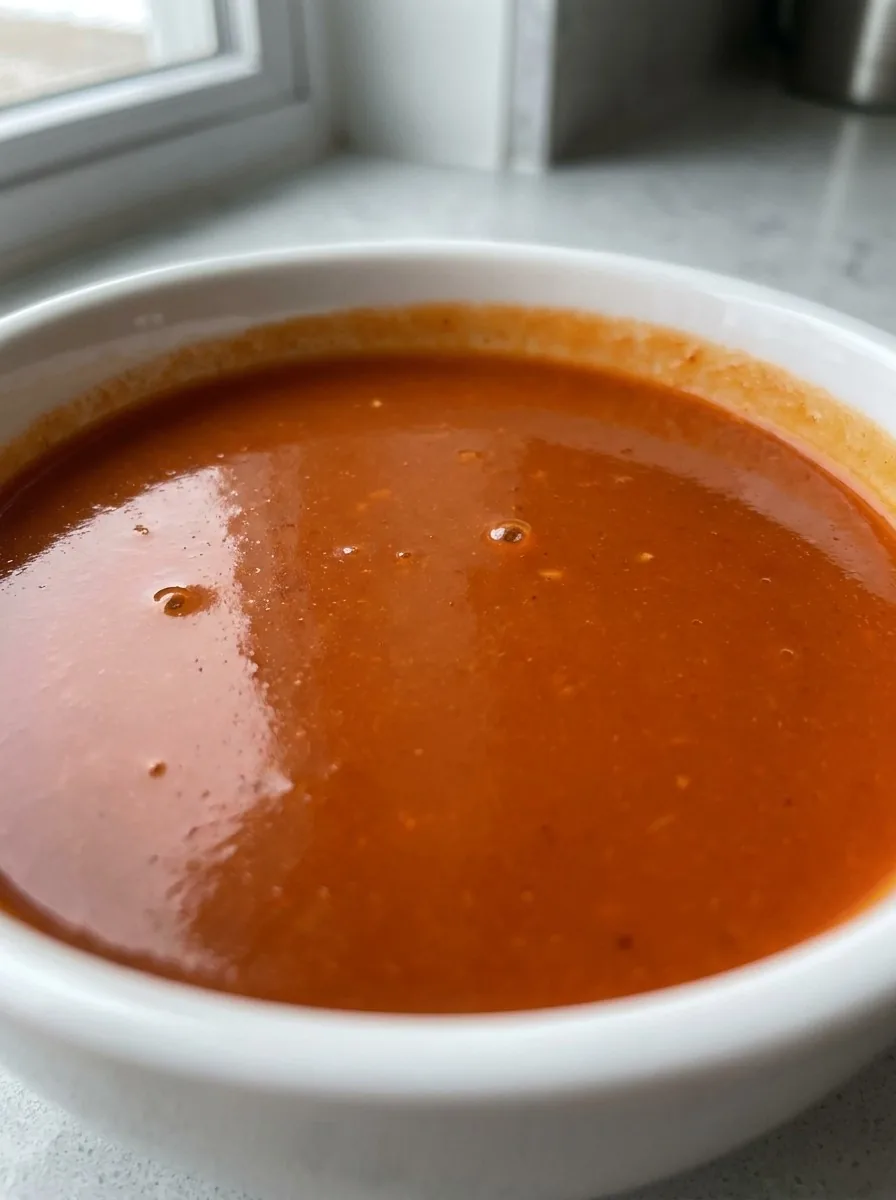
Kung Pao Sauce: Step-by-Step Instructions
On this page
Pro Tips for Better Results
For a silkier texture, whisk the cornstarch with a little cold water before adding it to the hot mixture; this slurry prevents clumping. Toast the Sichuan peppercorns lightly in a dry pan before grinding to unlock deeper citrusy notes. If you prefer a glossy finish, finish the sauce with a drizzle of extra sesame oil right after removing it from heat. Lastly, let the sauce cool to room temperature before sealing the jar; this reduces condensation and keeps the flavor profile stable.
Instructions
- Gather all ingredients and measure them precisely; accurate ratios keep the sauce balanced between salty, sweet, and sour.
- In a small bowl, whisk together soy sauce, black vinegar, rice wine, hoisin sauce, and water until the mixture is uniform.
- Add sugar, cornstarch, and sesame oil to the liquid mixture, whisking again to dissolve the sugar and prevent lumps from the starch.
- Stir in the ground Sichuan peppercorns, dried chili flakes, minced garlic, and minced ginger, allowing their aromatics to begin releasing flavor.
- Place a medium saucepan over medium‑high heat and pour the combined mixture in, bringing it to a gentle boil while stirring continuously.
- Once the sauce reaches a boil, reduce the heat to low and let it simmer for 2‑3 minutes; this activates the cornstarch, thickening the sauce to a glossy consistency.
- Taste the sauce and adjust seasoning if needed—add a pinch more sugar for sweetness or a splash more vinegar for brightness, remembering that flavors intensify as the sauce cools.
- Remove the pan from heat and let the sauce rest for a minute; this allows the peppercorns and chilies to fully infuse the liquid.
- Transfer the sauce to a clean jar, seal tightly, and let it cool to room temperature before refrigerating or using immediately.
Recipe Variations
If you enjoy a sweeter profile, increase the sugar by half a teaspoon and add a splash of honey for natural depth. For a more savory version, swap half the soy sauce with tamari and add a teaspoon of mushroom‑soy sauce. Vegetarians can incorporate a tablespoon of miso paste for umami richness, while meat‑eaters might finish the sauce with a dash of oyster sauce for additional brine. Feel free to experiment with toasted peanuts or cashews added at the end for crunch, or replace them with toasted sesame seeds for a lighter texture.
Serving Ideas
Stir the sauce into a hot wok with diced chicken, shrimp, or tofu, then toss with roasted peanuts, diced bell peppers, and scallions for a classic Kung Pao dish. Use the sauce cold as a dip for steamed dumplings, spring rolls, or fresh vegetable crudités. Drizzle it over a grain bowl of quinoa, roasted sweet potatoes, and sautéed greens for a quick lunch. It also works as a glaze for grilled salmon or pork tenderloin, adding a bold Asian flair without overwhelming the protein.
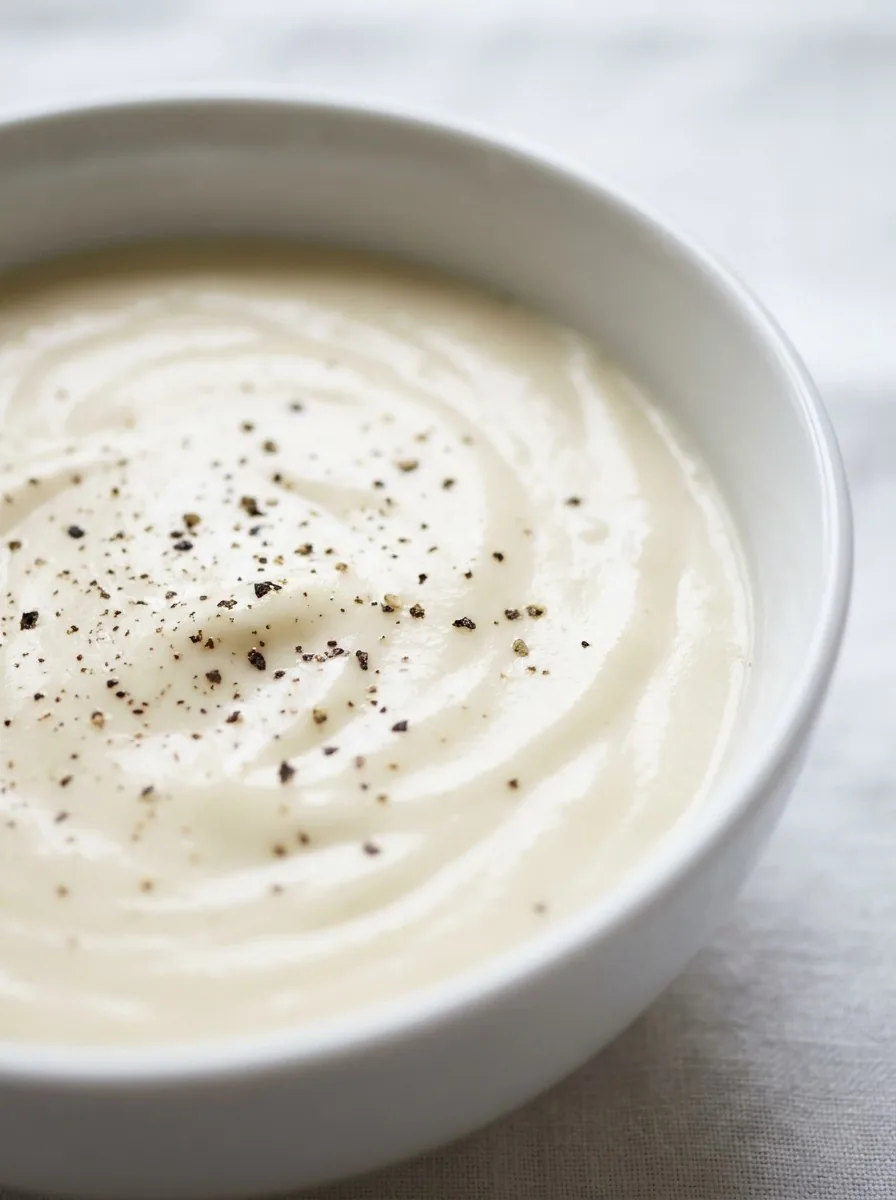
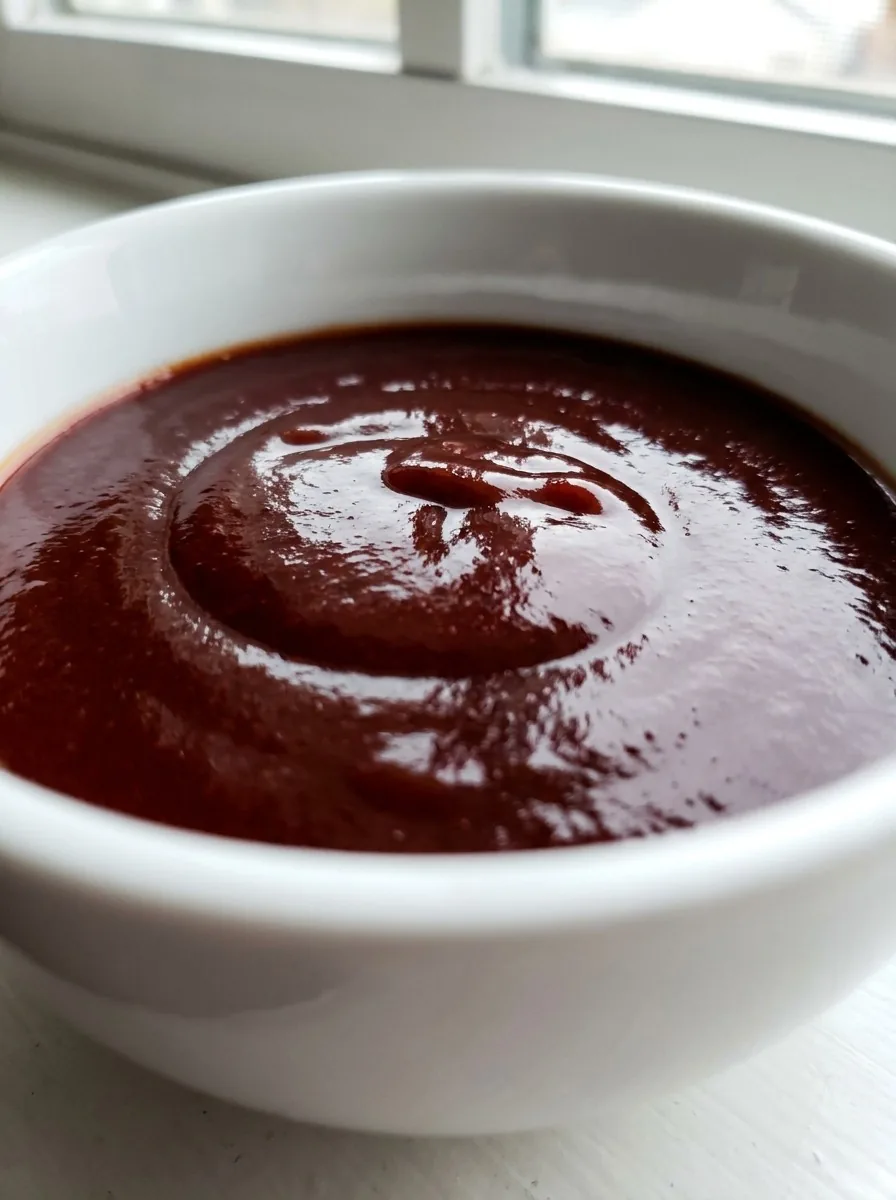
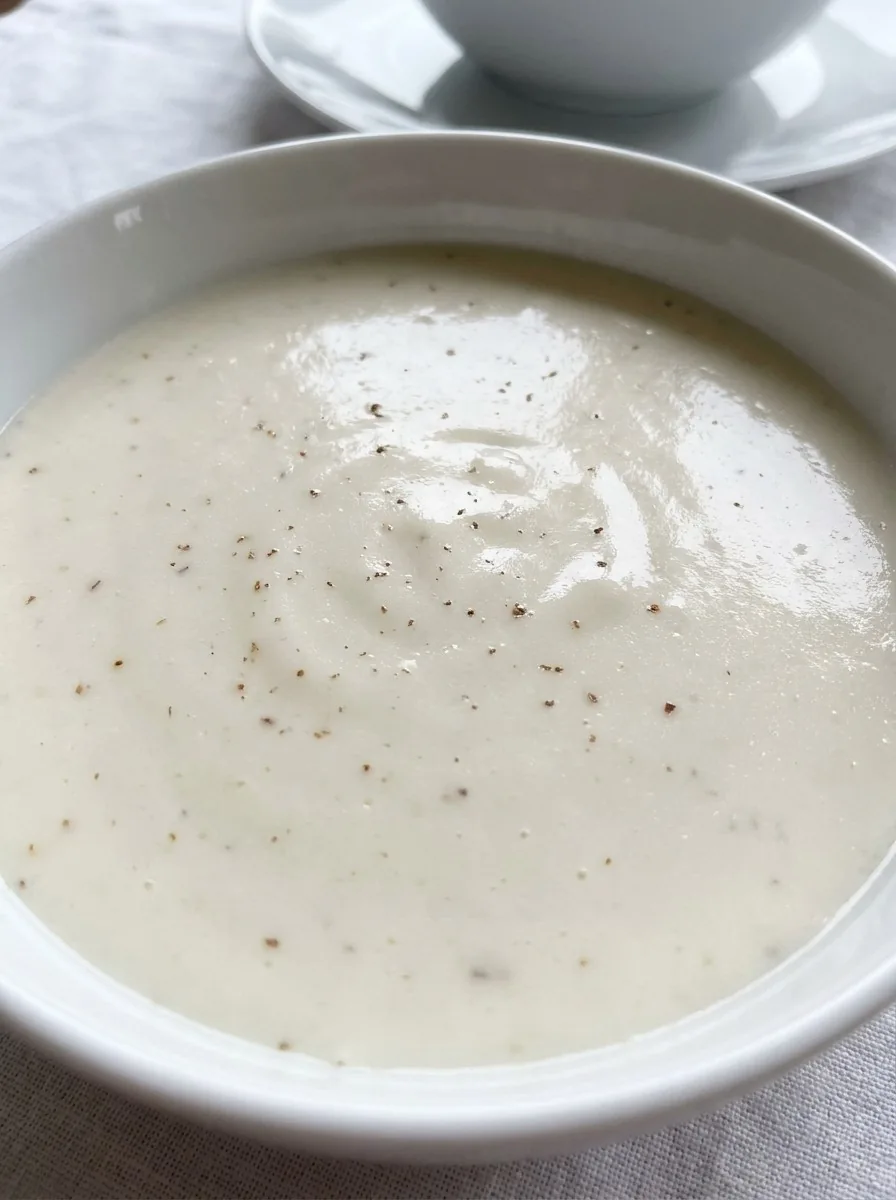
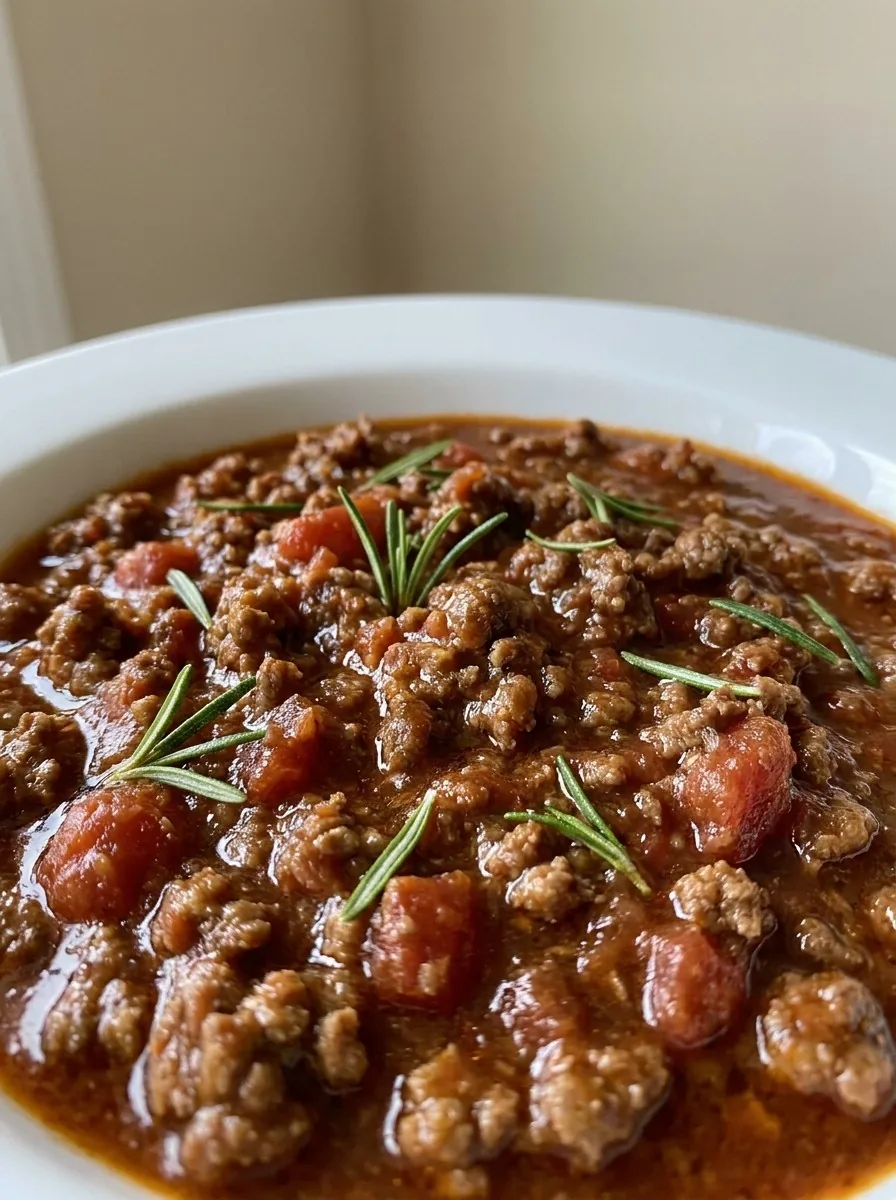
If you like making sauces from scratch, try our alfredo sauce, arrabbiata sauce, bbq sauce and bechamel white sauce next.
Keeping It Fresh
Store the sauce in a sterilized glass jar with a tight‑fitting lid in the refrigerator; it will keep for up to seven days. For longer storage, portion the sauce into ice‑cube trays, freeze solid, then transfer the frozen cubes to a freezer bag for up to three months. When reheating, use low heat and stir constantly to prevent the cornstarch from breaking down and becoming grainy. If the sauce separates after refrigeration, simply whisk in a teaspoon of warm water until the texture smooths out.
Wrapping Up
This homemade Kung Pao sauce demonstrates that a complex, restaurant‑quality flavor can be achieved with everyday pantry items and a little attention to technique. By following the steps, you’ll end up with a versatile condiment that enhances stir‑fries, salads, and even cold appetizers. Remember that the key to mastering this sauce is balance—adjusting sweet, sour, salty, and heat to suit your palate while respecting the traditional flavor pillars. Keep the sauce refrigerated, use it within a week, or freeze for future meals, and enjoy the authentic taste of Sichuan cooking right at home.
Frequently Asked Questions
Can I make this sauce gluten‑free?
Yes, substitute regular soy sauce with a certified gluten‑free tamari; the rest of the ingredients are naturally gluten‑free.
How spicy is the sauce?
The heat level is moderate; you can reduce the dried chili flakes for milder flavor or increase them for a more intense kick.
Will the sauce thicken more after refrigeration?
It will firm up slightly as the cornstarch continues to set; simply whisk in a teaspoon of warm water before using if you need a looser consistency.
Can I use fresh Sichuan peppercorns instead of ground?
Fresh peppercorns can be toasted and ground in a spice grinder; they will provide a brighter, more floral numbing sensation.
Is this sauce suitable for vegetarian dishes?
Absolutely—just ensure the soy sauce you choose is vegetarian and omit any animal‑based additives; it pairs well with tofu, tempeh, and a variety of vegetables.
◆ ◆ ◆
← Back to ingredientsGet new sauce recipes
One tasty homemade sauce in your inbox each week. No spam, unsubscribe anytime.