Honey Mustard Sauce: Step-by-Step Instructions
On this page
Pro Tips for Better Results
1. Use a stainless steel or glass bowl; non‑reactive surfaces prevent any metallic taste from developing during whisking.
2. Add the olive oil in a thin, steady stream rather than all at once; this promotes a stable emulsion and prevents the sauce from separating.
3. If the sauce looks too thick after emulsifying, thin it with a teaspoon of warm water or extra lemon juice to reach your desired consistency.
4. For a deeper flavor, toast the smoked paprika lightly in a dry skillet for 30 seconds before adding it; this releases its aromatic oils.
5. When serving warm, reheat the sauce over the lowest heat setting, stirring constantly; overheating can cause the honey to caramelize too quickly, resulting in a bitter aftertaste.
Instructions
- In a medium bowl, whisk together Dijon mustard and whole‑grain mustard; the combination gives depth and texture while ensuring the sauce emulsifies smoothly.
- Add honey to the mustard mixture and whisk until fully incorporated; the honey’s viscosity helps balance the sharpness of the mustard and adds a glossy finish.
- Stir in apple cider vinegar and lemon juice; the acidity brightens the flavor profile and prevents the sauce from becoming overly sweet.
- Slowly drizzle olive oil while continuing to whisk; the oil creates a stable emulsion that gives the sauce a velvety mouthfeel.
- Season with garlic powder, smoked paprika, salt, and black pepper; each spice contributes a layer of complexity—garlic for warmth, paprika for subtle smokiness, and pepper for gentle heat.
- If you enjoy a hint of heat, fold in hot sauce at this stage; it integrates without overpowering the primary sweet‑tangy balance.
- Taste the sauce and adjust seasoning if needed, adding a touch more salt or honey to suit personal preference.
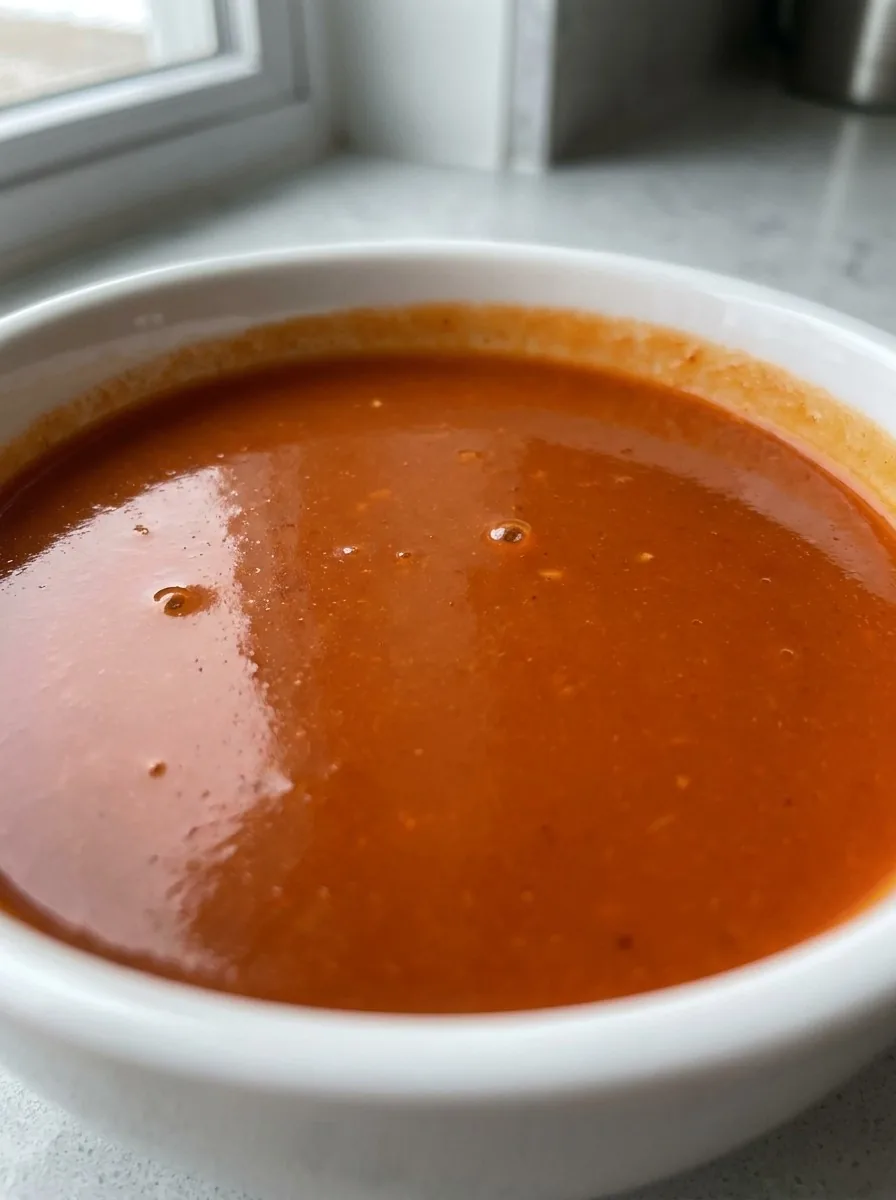
- Transfer the finished honey mustard to a serving bowl; it can be served immediately at room temperature or gently warmed over low heat for a silky dip on hot foods.
- Store any leftovers in an airtight container in the refrigerator; the sauce will keep for up to one week and may thicken slightly, which can be remedied by a quick stir or a splash of water before use.
Recipe Variations
If you prefer a creamier dip, stir in 2 Tbsp (30 ml) of plain Greek yogurt or mayonnaise after the oil has been fully incorporated. For a spicy kick, increase the hot sauce to 2 tsp or add a pinch of cayenne pepper. To make the sauce vegan, replace honey with maple syrup or agave nectar and use a plant‑based oil such as avocado oil. A herbaceous twist can be achieved by adding 1 tsp (5 ml) of finely minced fresh dill or tarragon, which pairs beautifully with fish or roasted potatoes.
Serving Ideas
This honey mustard sauce shines as a dip for chicken tenders, pretzel bites, or fresh vegetable crudités. Drizzle it over a warm quinoa salad with roasted carrots and kale for a quick lunch, or use it as a glaze on grilled pork chops during the last few minutes of cooking. It also works as a sandwich spread—layer it on a turkey club or a veggie wrap for added moisture and flavor. For a festive touch, toss it with a mix of roasted Brussels sprouts and sweet potatoes just before serving.
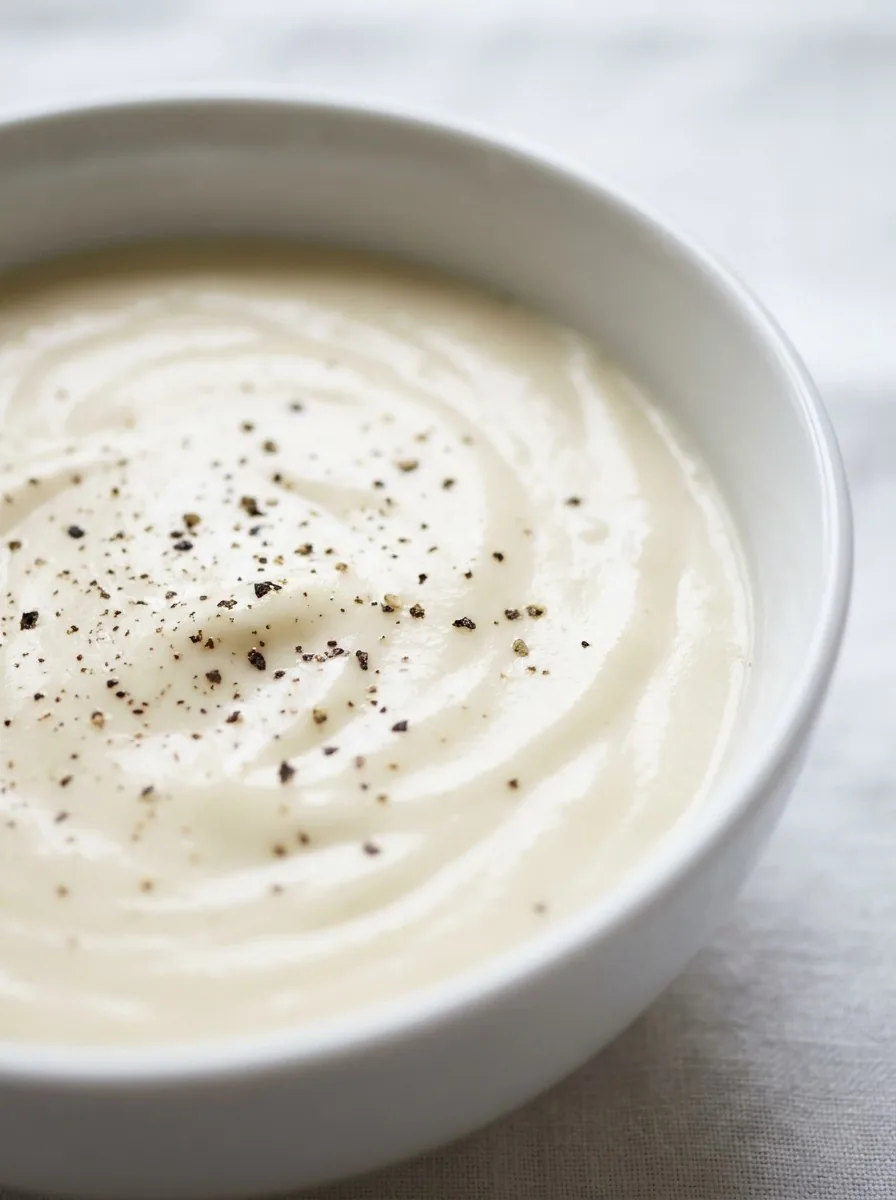
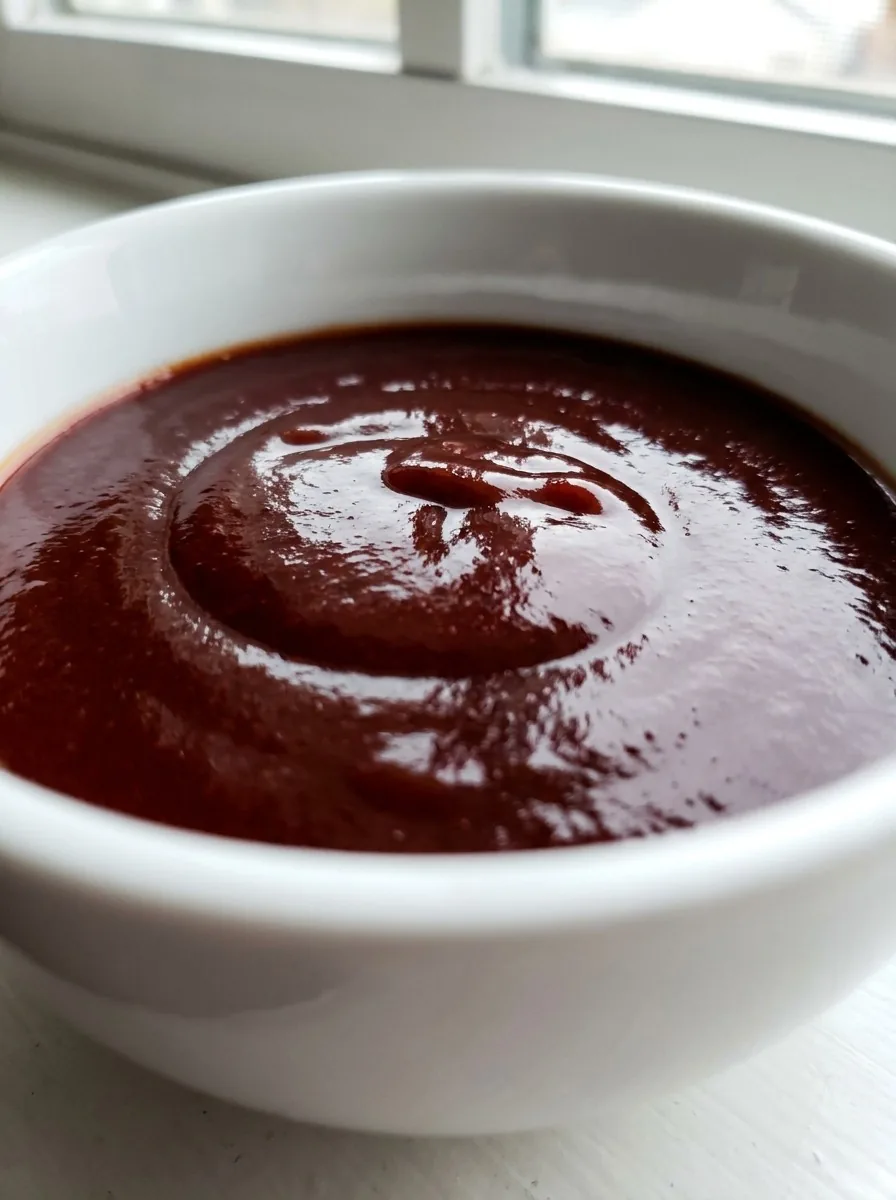
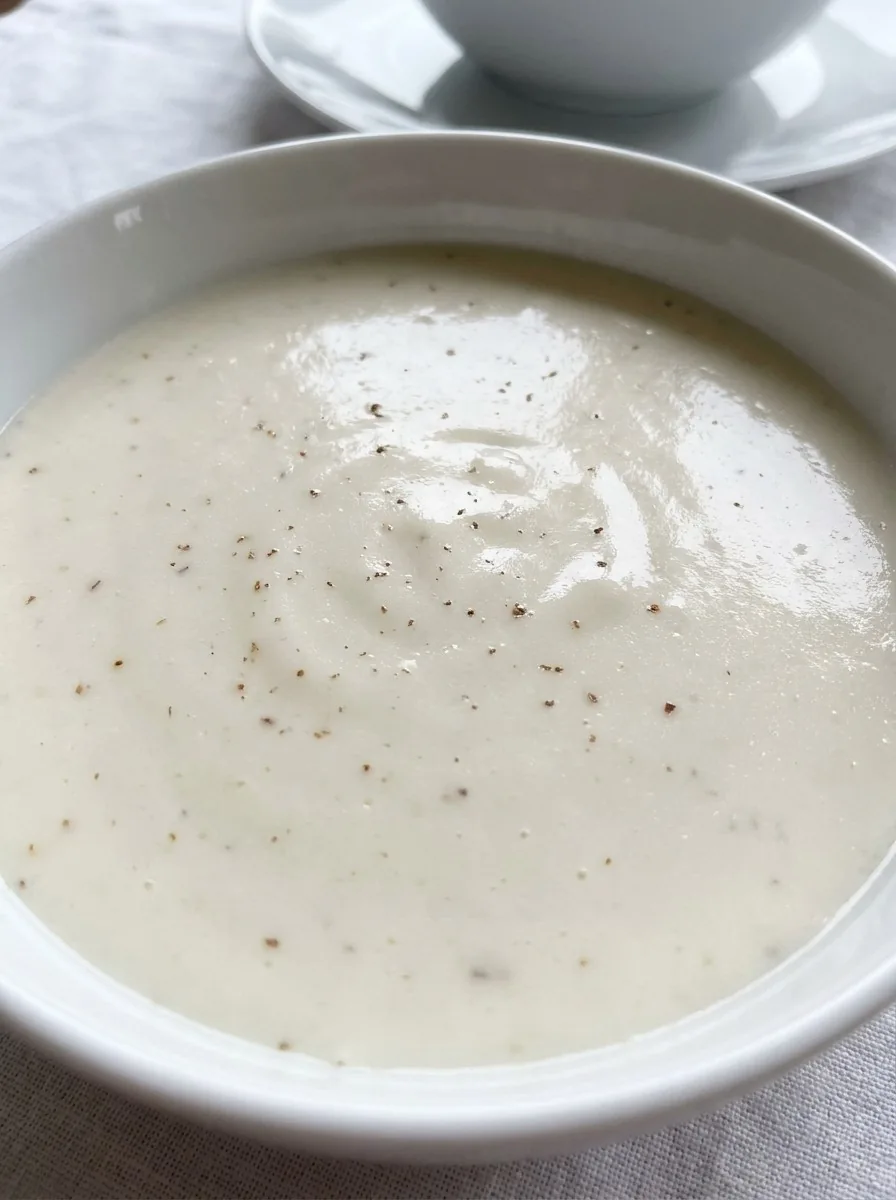
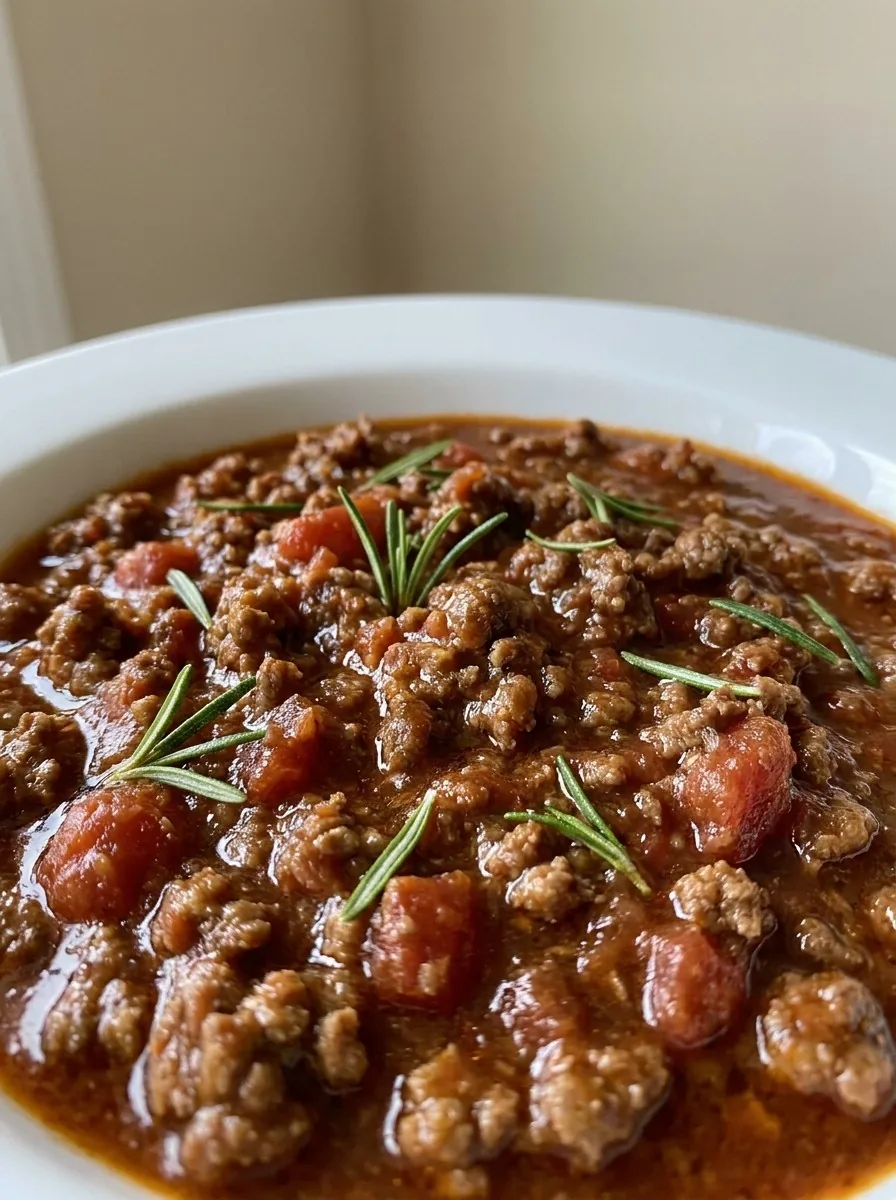
If you like making sauces from scratch, try our alfredo sauce, arrabbiata sauce, bbq sauce and bechamel white sauce next.
Keeping It Fresh
Store the sauce in a clean, airtight glass jar to minimize exposure to air, which can cause oxidation and flavor loss. Keep it refrigerated and give the jar a gentle shake before each use; this redistributes any settled ingredients and restores the original texture. If the sauce separates after a few days, simply whisk in a splash of warm water or a few drops of lemon juice until it smooths out again. Avoid leaving the sauce at room temperature for extended periods, as the honey component can ferment over time.
Wrapping Up
Homemade honey mustard is a testament to how a handful of pantry staples can be transformed into a versatile, restaurant‑quality condiment. By respecting the balance of sweet, tangy, and savory elements, and by mastering the simple emulsification technique, you can produce a sauce that elevates everything from simple snacks to main‑course dishes. Keep this recipe on hand; it’s quick, adaptable, and free from any processed shortcuts, embodying the spirit of honest American home cooking.
Frequently Asked Questions
Can I make this sauce dairy‑free?
Yes, the recipe contains no dairy ingredients. Just ensure any optional hot sauce you add is also dairy‑free.
How long does the sauce stay fresh in the fridge?
Stored in a sealed container, it remains safe and flavorful for about seven days.
Can I substitute the olive oil with another oil?
A neutral oil such as canola or grapeseed works fine; it will slightly change the flavor but not the texture.
Is this sauce suitable for grilling?
Absolutely—brush it on chicken, pork, or vegetables during the last few minutes of grilling for a caramelized glaze.
What can I use instead of Dijon mustard?
If Dijon is unavailable, use a blend of yellow mustard and a pinch of mustard seeds for a comparable bite.
◆ ◆ ◆
← Back to ingredientsGet new sauce recipes
One tasty homemade sauce in your inbox each week. No spam, unsubscribe anytime.