Sticky Honey Garlic Sauce: Step-by-Step Instructions
On this page
Pro Tips for Better Results
To achieve the best texture, always prepare your cornstarch slurry just before adding it to the pot. If you mix it too early, the starch can settle and become difficult to whisk back in smoothly. Use low-sodium soy sauce if you are sensitive to salt, as honey is already sweet and the sauce will rely on the soy for salinity. For a deeper flavor, you can add a small piece of star anise or a strip of dried chili during the simmering process and remove it before serving. If you prefer a smoother sauce without visible garlic bits, press the garlic through a fine-mesh sieve after cooking. Remember that the sauce will thicken significantly as it cools, so do not over-thicken it while it is hot. A splash of water can be added to adjust the consistency if it becomes too thick after cooling. These small adjustments ensure a professional-quality result every time you make this sauce.Instructions
- Combine the honey, soy sauce, rice vinegar, and water in a small saucepan over medium heat, stirring frequently until the mixture just begins to simmer and the honey dissolves completely, ensuring a smooth base for the sauce.
- Add the minced garlic (and ginger, if using) to the simmering liquid, allowing it to cook for two to three minutes until fragrant, which mellows the raw sharpness of the garlic while infusing the liquid with its deep savory notes.
- In a small separate bowl, whisk the cornstarch with the additional tablespoon of water to create a smooth slurry, making sure there are no lumps that could result in a grainy texture in the final sauce.
- Reduce the heat to low and slowly pour the cornstarch slurry into the saucepan while stirring continuously with a wooden spoon or silicone spatula, preventing the starch from clumping and seizing.
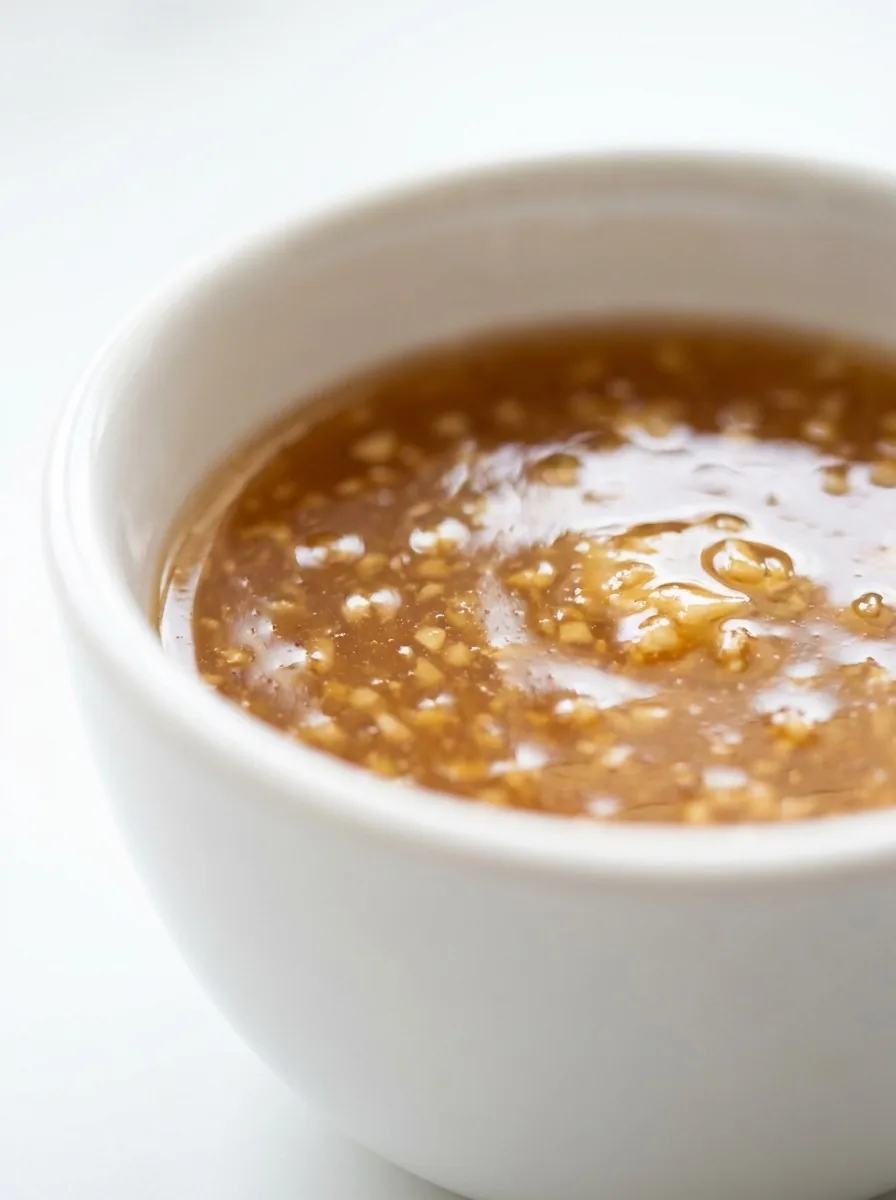
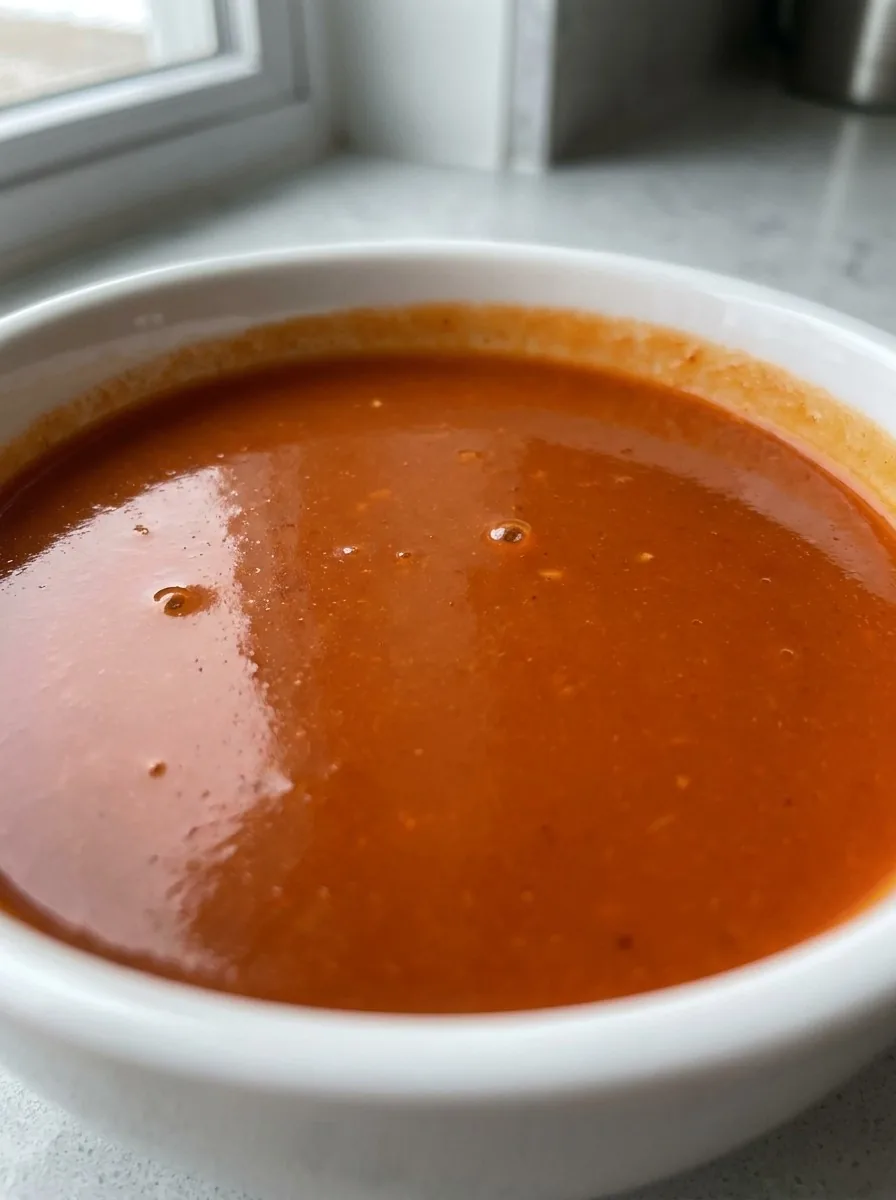
- Continue to simmer the mixture for two to three minutes, stirring constantly, until the sauce thickens significantly and coats the back of a spoon, indicating that the cornstarch has fully gelatinized.
- Remove the saucepan from the heat and stir in the sesame oil and red pepper flakes, if using, at this stage to preserve the delicate nutty aroma of the oil and the heat of the peppers.
- Let the sauce cool for five minutes to reach room temperature, as it will continue to thicken slightly as it cools, allowing you to adjust the consistency if needed by adding a splash of water.
- Transfer the finished sauce to a clean, airtight glass jar or container, smooth the top with a spoon, and let it cool completely before sealing, which helps preserve the flavor and texture for later use.
Recipe Variations
You can easily tailor this sauce to suit different dietary needs or flavor preferences. For a spicy kick, increase the red pepper flakes or add a small amount of sriracha sauce. If you want a deeper, smokier flavor, try adding a teaspoon of liquid smoke or a small amount of miso paste. For those avoiding gluten, replace the soy sauce with tamari, which is a gluten-free fermented soybean sauce with a similar umami profile. You can also swap the rice vinegar for apple cider vinegar for a slightly fruitier acidity. Adding a tablespoon of peanut butter creates a creamy, nutty variation that pairs well with noodle dishes. For a vegan option, ensure all ingredients are plant-based, such as using agave instead of honey and checking for allergen-free soy sauce. These variations allow you to explore different flavor dimensions while maintaining the core structure of the recipe.Serving Ideas
This sauce is incredibly versatile and can be used in numerous ways. Brush it over chicken thighs or drumsticks during the last ten minutes of roasting for a caramelized glaze. Use it as a marinade for tofu or tempeh before air-frying or pan-frying. Serve it as a dipping sauce for spring rolls, dumplings, or fresh vegetables. Drizzle it over steamed edamame or roasted broccoli for a quick side dish enhancement. It also works well as a condiment for burgers, adding a sweet and savory punch. Try it on grilled pork chops or steak for a fusion twist. You can also use it to top fried rice or noodle bowls, stirring it through to coat the grains evenly. The glossy texture makes it visually appealing, adding a pop of color to any plate.If you like making sauces from scratch, try our homemade buffalo sauce, fresh chimichurri, classic marinara sauce next.
Keeping It Fresh
To maintain the quality of your honey garlic sauce, store it in an airtight glass container in the refrigerator. Glass is preferred over plastic as it does not absorb odors or retain stains. The sauce should keep well for up to two weeks when stored properly. Always use a clean, dry spoon to scoop out portions to prevent bacterial growth. If the sauce separates slightly upon standing, simply give it a good stir or a quick microwave burst to recombine the ingredients. Do not freeze this sauce, as the cornstarch may break down and the texture may become grainy upon thawing. If you notice any off smells or discoloration, discard the sauce immediately. Proper storage ensures that the flavor remains vibrant and the consistency stays smooth for future use.Wrapping Up
This sticky honey garlic sauce is a testament to how simple ingredients can create a complex and satisfying flavor profile. With only a handful of pantry staples and minimal prep time, you can elevate your home cooking with a versatile condiment that complements a wide range of dishes. The balance of sweet, savory, and tangy notes makes it a crowd-pleaser, suitable for both casual weeknight meals and more formal dinner parties. Whether you use it as a glaze, a marinade, or a dip, the result is always a glossy, flavorful coating that enhances the natural taste of the main ingredient. Store the leftovers in the fridge for quick access to a delicious sauce that saves time and adds depth to your meals. Experiment with the optional add-ins to find your preferred flavor profile, and don't hesitate to adjust the sweetness or heat to your liking. This recipe is a staple in our kitchen, and we hope it becomes a go-to in yours as well.Frequently Asked Questions
Can I use maple syrup instead of honey?
Yes, maple syrup works well as a substitute, but it will impart a distinct caramel and earthy flavor profile that differs from the floral notes of honey. The consistency should remain similar, but taste as you go.
Why did my sauce turn out too thin?
If the sauce did not thicken properly, you may have added the cornstarch too quickly or the heat was too high. To fix it, mix another teaspoon of cornstarch with a teaspoon of water and whisk it into the simmering sauce until it thickens.
How long does this sauce last in the fridge?
Stored in an airtight container in the refrigerator, this sauce will keep for up to two weeks. Always use a clean spoon when scooping out portions to extend its shelf life.
Can I make this sauce vegan?
Yes, this recipe is naturally vegan as long as you use a plant-based honey substitute like agave or maple syrup and ensure your soy sauce is not tamari made with wheat if you are also avoiding gluten.
Why does the garlic taste bitter?
Bitterness usually results from burning the garlic. Ensure you are stirring constantly once the garlic is added and keep the heat at a gentle simmer rather than a rolling boil to prevent scorching.
◆ ◆ ◆
← Back to ingredientsGet new sauce recipes
One tasty homemade sauce in your inbox each week. No spam, unsubscribe anytime.
Comments (19)