Classic Hollandaise Sauce: Step-by-Step Instructions
On this page
Pro Tips for Better Results
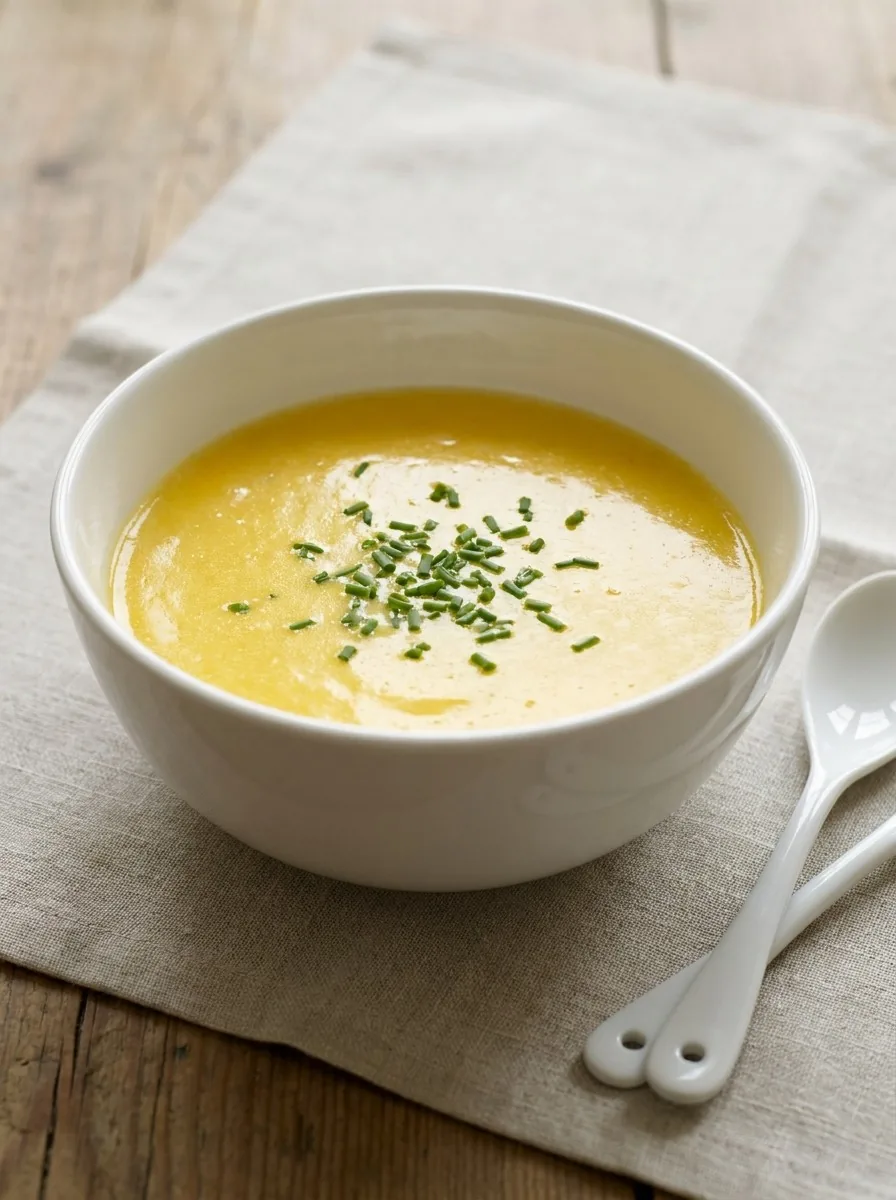
Use clarified butter rather than whole butter if you want a clearer sauce; the milk solids can brown and affect flavor. Keep the water in the double boiler at a barely‑simmering level—bubbles should be small and infrequent—to avoid shocking the yolks with sudden heat spikes. If the sauce becomes too thick, whisk in a teaspoon of warm water to loosen it without diluting flavor. For a subtle herbaceous lift, add freshly chopped tarragon or chives at the very end, after removing the sauce from heat.
Instructions
- 1. Set up a double boiler by filling a saucepan with a few centimeters of water, bringing it to a gentle simmer, and placing a heat‑proof stainless steel bowl on top, ensuring the bowl does not touch the water.
- 2. Whisk the egg yolks, lemon juice, mustard, and warm water together in the bowl until the mixture becomes thick, pale, and slightly frothy, which indicates the yolks are beginning to emulsify.
- 3. Reduce the heat to low and continue whisking constantly; this gentle heat prevents the yolks from scrambling while allowing the proteins to unfold and trap air for a light texture.
- 4. Begin adding the hot melted butter in a slow, steady stream, a few drops at a time, while whisking vigorously; this slow incorporation is crucial for forming a stable emulsion.
- 5. As the sauce thickens and the butter is fully incorporated, increase the pour to a thin stream, still whisking, until the sauce reaches a glossy, velvety consistency that coats the back of a spoon.
- 6. Remove the bowl from the heat and immediately whisk in the sea salt, white pepper, cayenne, and optional vinegar, tasting as you go to balance acidity and heat.
- 7. If desired, stir in fresh tarragon or chives for a subtle herbaceous note, which also adds visual appeal when serving.
- 8. Transfer the sauce to a warm serving dish or a heat‑proof container; if the sauce needs to stay warm for up to 30 minutes, keep it over a very low simmer or in a thermos, stirring occasionally to maintain a uniform texture.
- 9. Serve immediately over poached eggs, steamed vegetables, or grilled fish, or allow it to cool and refrigerate for up to two days; re‑heat gently over low heat, adding a splash of water if it thickens too much.
Recipe Variations
For a richer, more aromatic version, substitute half of the butter with clarified duck fat and add a pinch of smoked paprika. If you need a lower‑fat alternative, blend half the butter with a light olive oil and increase the lemon juice by a half tablespoon to keep the acidity bright. A spicy twist can be achieved by whisking in a teaspoon of harissa paste after the sauce is removed from heat, which adds depth without overwhelming the delicate base.
Serving Ideas
Classic Hollandaise shines over poached eggs Benedict, but it also pairs beautifully with steamed asparagus spears, grilled salmon, or a simple cauliflower steak. Drizzle a thin ribbon over a warm baked potato for a luxurious breakfast, or use it as a dipping sauce for lightly fried artichoke hearts. The sauce can be chilled and served as a cold accompaniment to chilled shrimp cocktail, where the lemony tang cuts through the sweetness of the shellfish.
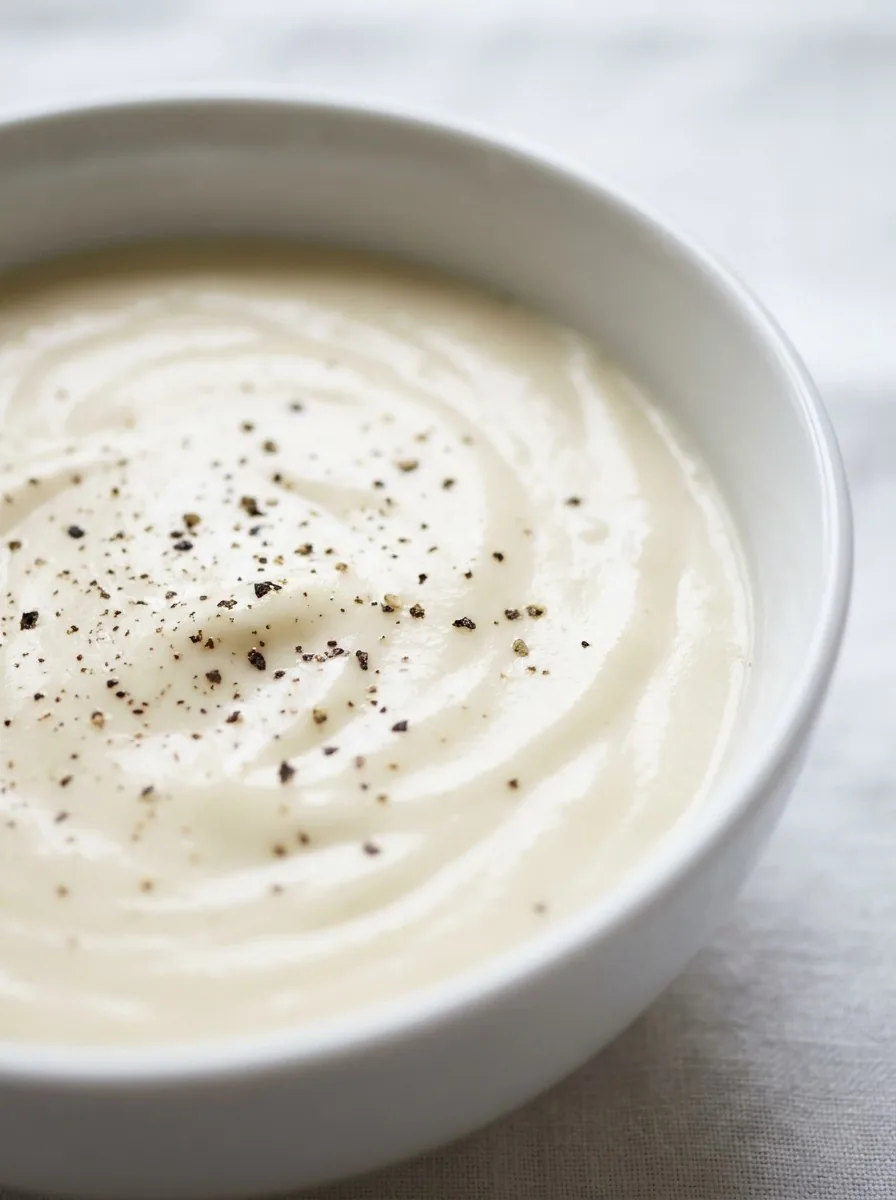
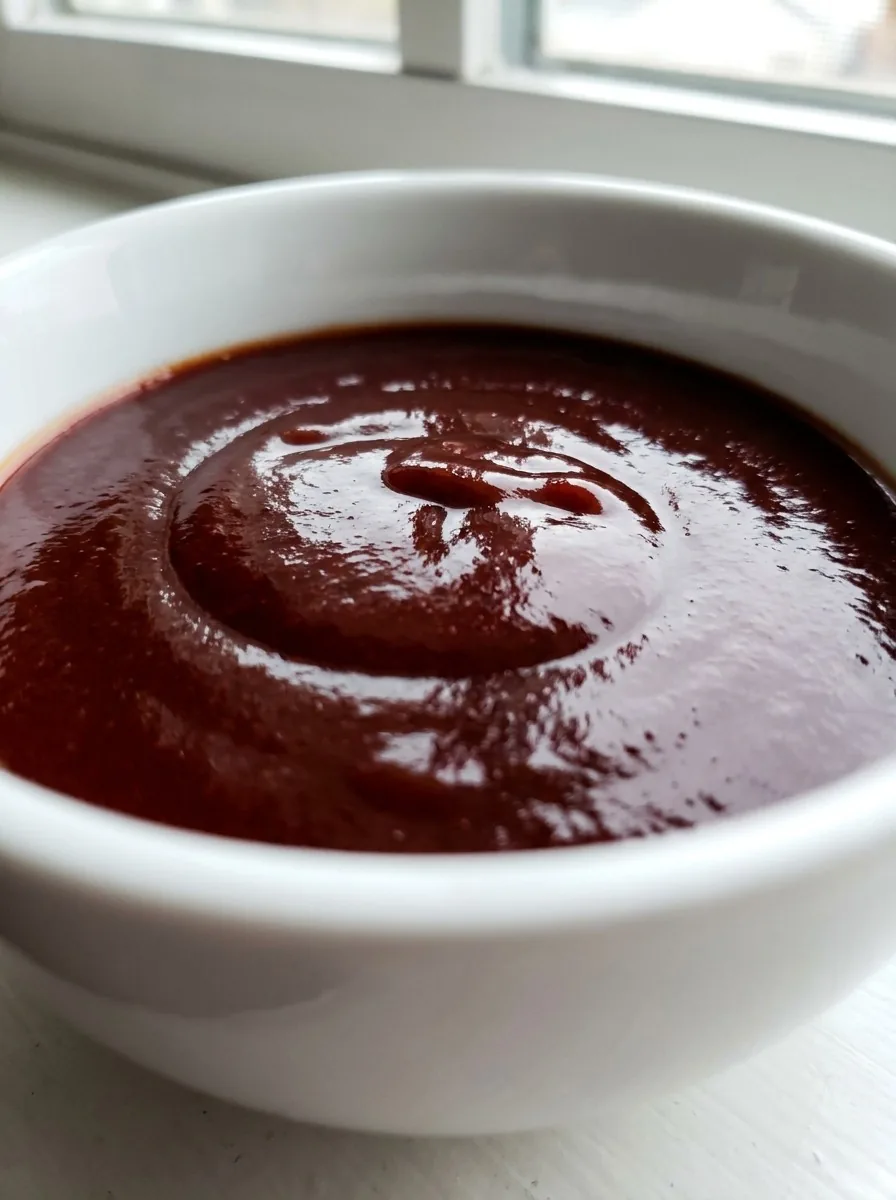
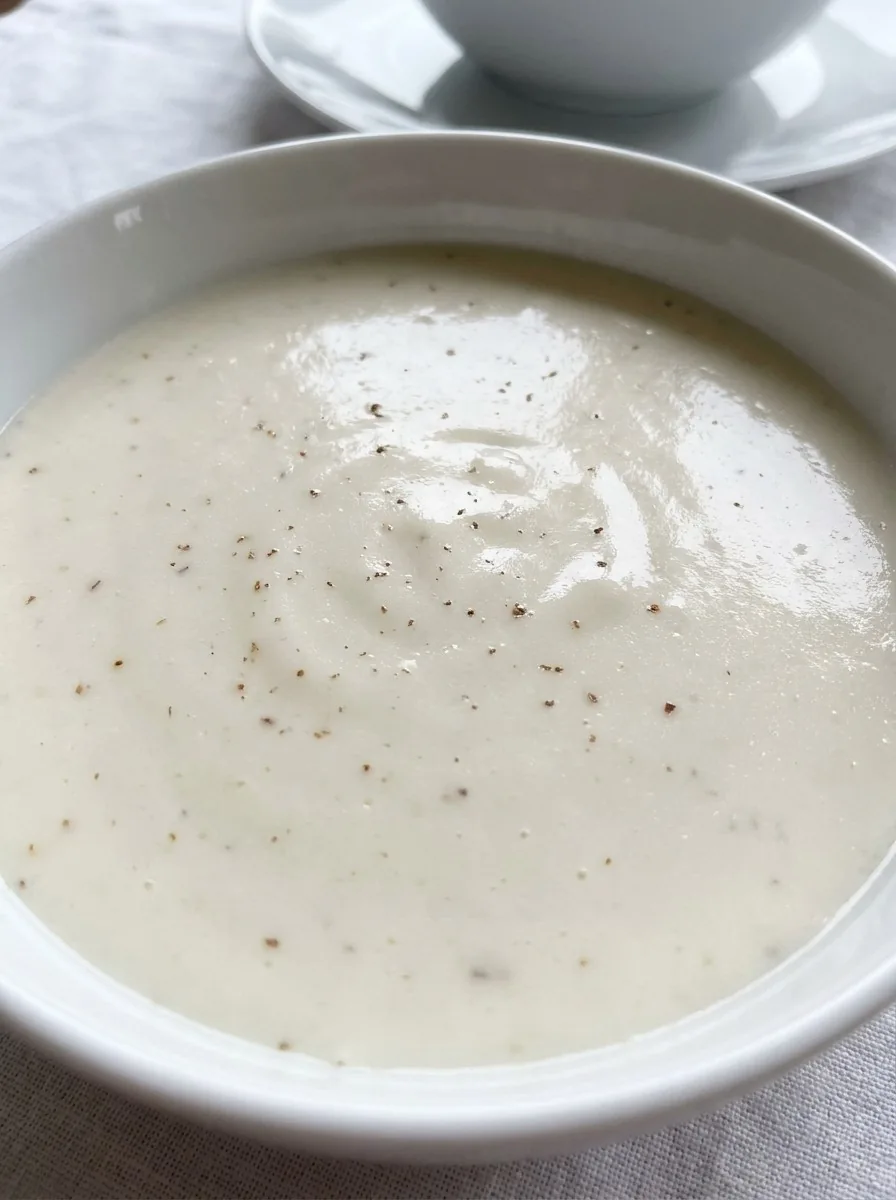
If you like making sauces from scratch, try our alfredo sauce, bbq sauce, bechamel white sauce and buffalo sauce next.
Keeping It Fresh
If you need to store leftover sauce, transfer it to an airtight container and refrigerate within two hours. The sauce will thicken as it cools; gently re‑heat over a low simmer, whisking in a tablespoon of warm water to restore fluidity. Do not microwave, as rapid heating can cause the emulsion to break. For longer storage, freeze the sauce in a silicone ice‑cube tray, then transfer the frozen cubes to a zip‑top bag; re‑heat gently and whisk before serving.
Wrapping Up
Mastering Hollandaise is a rewarding exercise in patience and technique, and once you’ve conquered it, the sauce becomes a versatile tool in your culinary arsenal. By respecting the temperature, whisking continuously, and adding butter slowly, you’ll consistently produce a glossy, buttery sauce that elevates any dish. Keep the essential tools on hand, experiment with herbs or spices, and enjoy the timeless elegance of a sauce that has been a staple of French cuisine for centuries.
Frequently Asked Questions
Why does my Hollandaise sometimes curdle?
Curdling occurs when the temperature is too high or the butter is added too quickly, causing the egg proteins to coagulate. Keep the heat low and add butter in a thin stream while whisking constantly.
Can I make Hollandaise ahead of time?
Yes, you can prepare it up to two hours in advance, then keep it warm in a double boiler or a thermos. Stir gently before serving to restore its smooth texture.
What’s the best substitute for lemon juice?
If you’re out of fresh lemon, use white wine vinegar or a mixture of equal parts apple cider vinegar and water; add a tiny pinch of sugar to mimic the citrus sweetness.
Is it safe to use raw egg yolks?
The gentle heat of a double boiler brings the yolks to a safe temperature (around 150°F / 65°C) that eliminates most bacteria while preserving the sauce’s delicate texture.
How can I fix a broken Hollandaise?
If the sauce separates, whisk a fresh egg yolk with a teaspoon of warm water in a clean bowl, then slowly whisk the broken sauce into this base over low heat until it recombines.
◆ ◆ ◆
← Back to ingredientsGet new sauce recipes
One tasty homemade sauce in your inbox each week. No spam, unsubscribe anytime.
Comments (14)