Korean Gochujang Sauce: Step-by-Step Instructions
On this page
Pro Tips for Better Results
Use a thermometer when heating the sauce; keeping the temperature below 80 °C prevents scorching and preserves delicate flavors. If you prefer a thicker sauce, add a touch more rice flour during the blending stage. For an extra layer of complexity, lightly toast the gochugaru before mixing. When storing, seal the jar tightly to prevent oxidation; the sauce’s natural acidity will keep it safe for weeks. And if you’re in a hurry, you can skip the final heating step and use the sauce straight from the jar—just give it a quick stir to recombine any settled ingredients.
Instructions
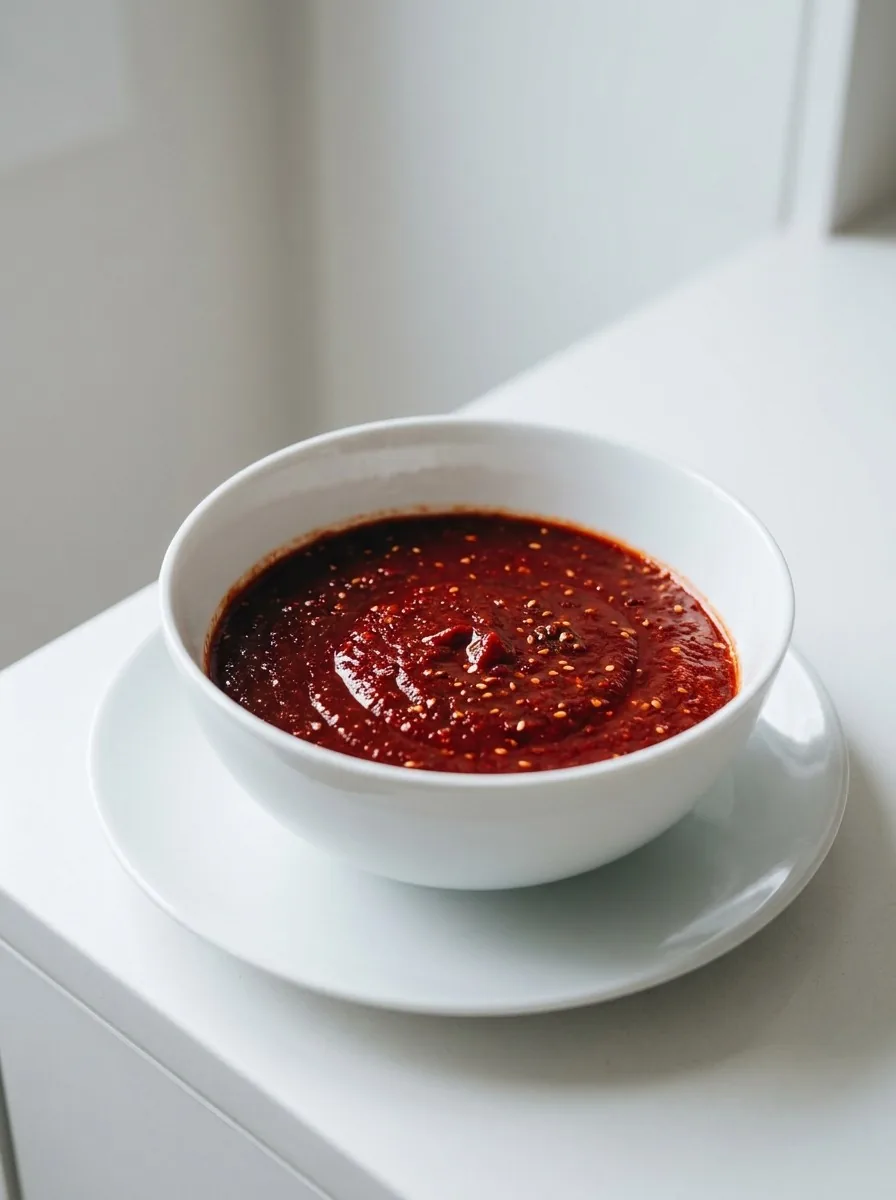
- Cook the glutinous rice in 1 cup of water until fully soft, about 15 minutes, then let it cool to room temperature.
- Blend the cooked rice with toasted sesame seeds, brown rice flour, and white rice flour until you achieve a smooth, sticky paste.
- Whisk in the sea salt, sugar, fermented soybean paste, rice vinegar, and gochugaru, ensuring all components are fully incorporated.
- Add black pepper and ground ginger, stirring until the mixture is uniform and the spices are evenly distributed.
- Transfer the sauce to a small saucepan and gently heat over low heat for 5 minutes, stirring constantly to meld flavors.
- Remove from heat, let cool, then transfer to a sterilized jar; the sauce can be used immediately or stored in the refrigerator.
- If you prefer a smoother texture, strain the sauce through a fine sieve, but this is optional and depends on personal preference.
- Taste and adjust seasoning; add more salt if needed or a splash of vinegar for extra brightness.
- Serve warm over rice or stir‑fries, or chill for a cooler, more mellow flavor that’s great in dressings.
Recipe Variations
If you love a smoky twist, add a teaspoon of Korean smoked paprika or a splash of liquid smoke. For a fruitier kick, stir in a tablespoon of apple or pear puree before heating. Those who prefer a milder sauce can reduce the gochugaru to 1/2 teaspoon and increase the rice vinegar to 2 tablespoons for extra brightness. You can also experiment with different flours—swap the rice flours for chickpea or oat flour to create a gluten‑free version while maintaining thickness.
Serving Ideas
Use the sauce as a dipping condiment for Korean pancakes (jeon) or dumplings. Drizzle it over grilled meats or tofu for a quick glaze. Stir a spoonful into a bowl of warm rice for a comforting meal. Toss it into a vegetable stir‑fry to add depth and heat. Finally, mix it with a little sesame oil and soy sauce to create a quick, savory dressing for salads or noodle bowls.
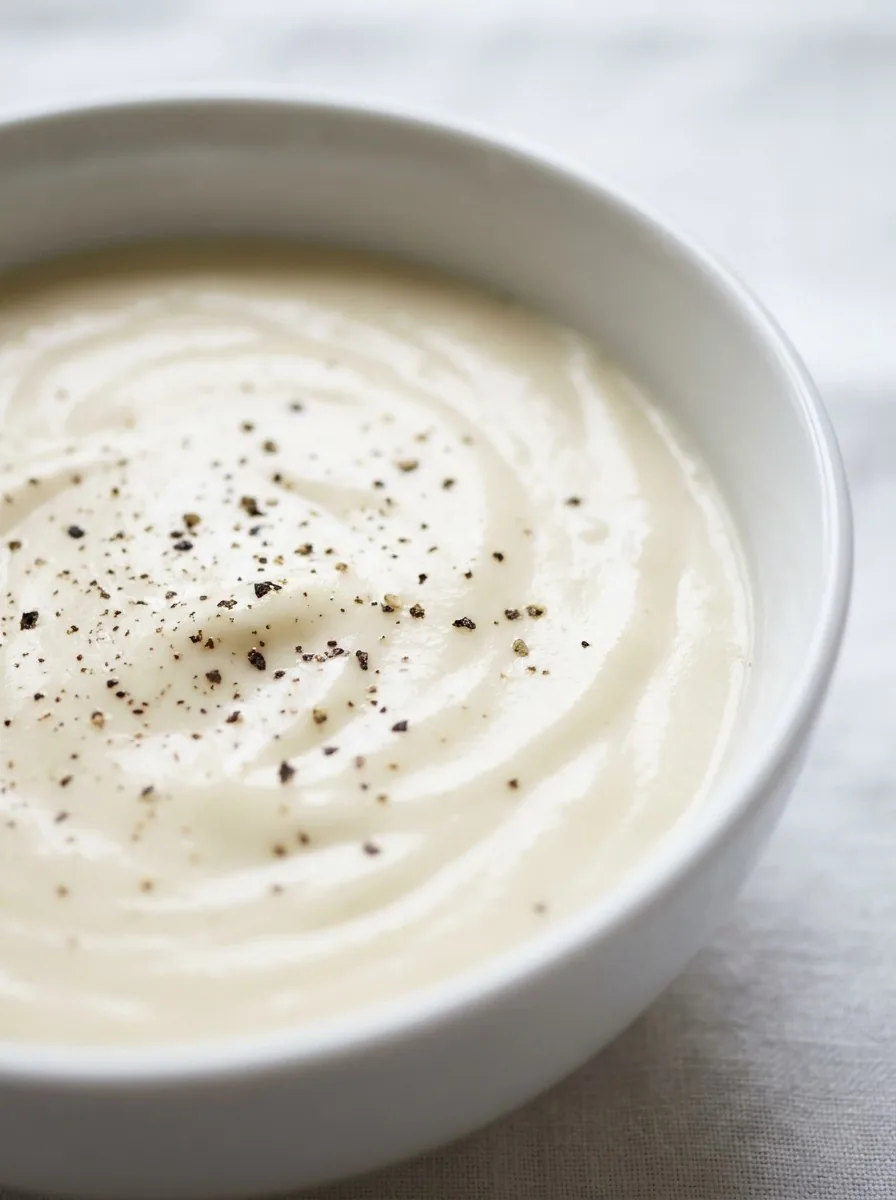
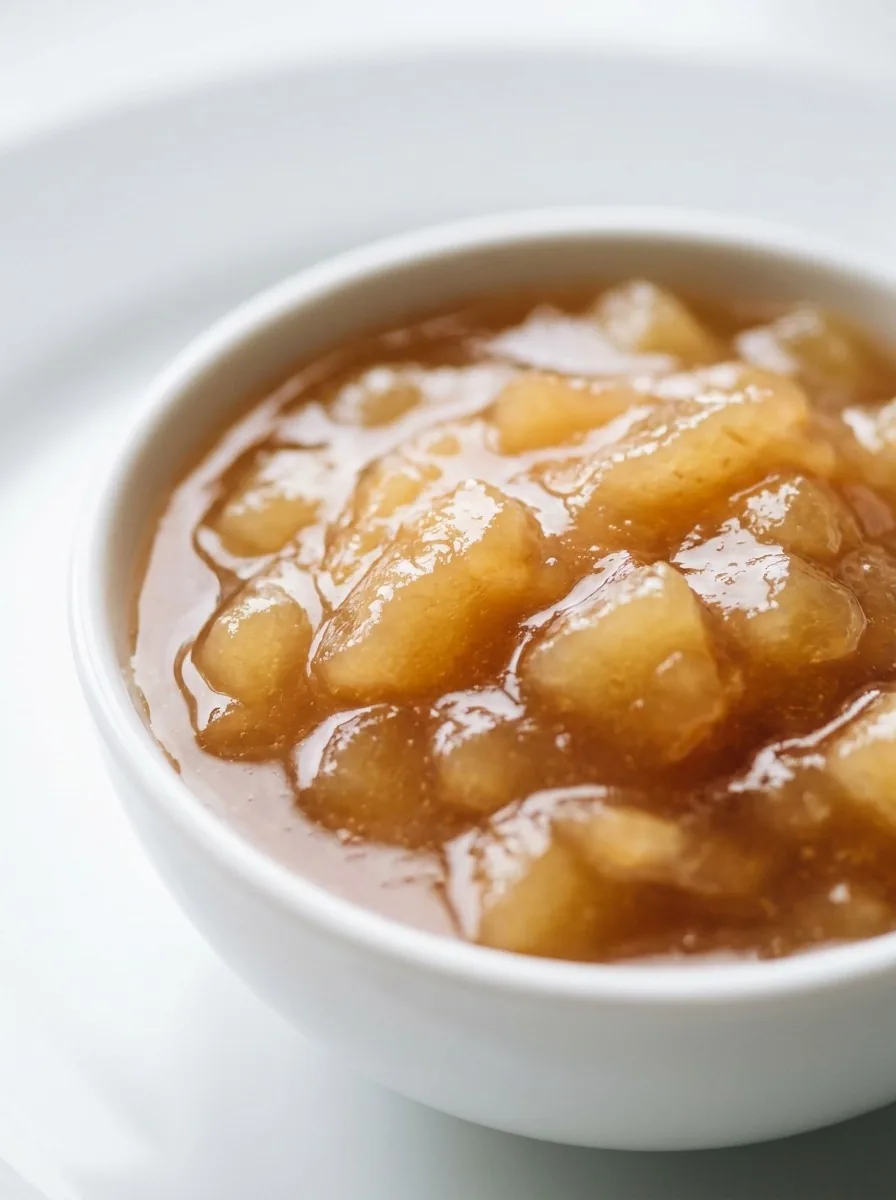
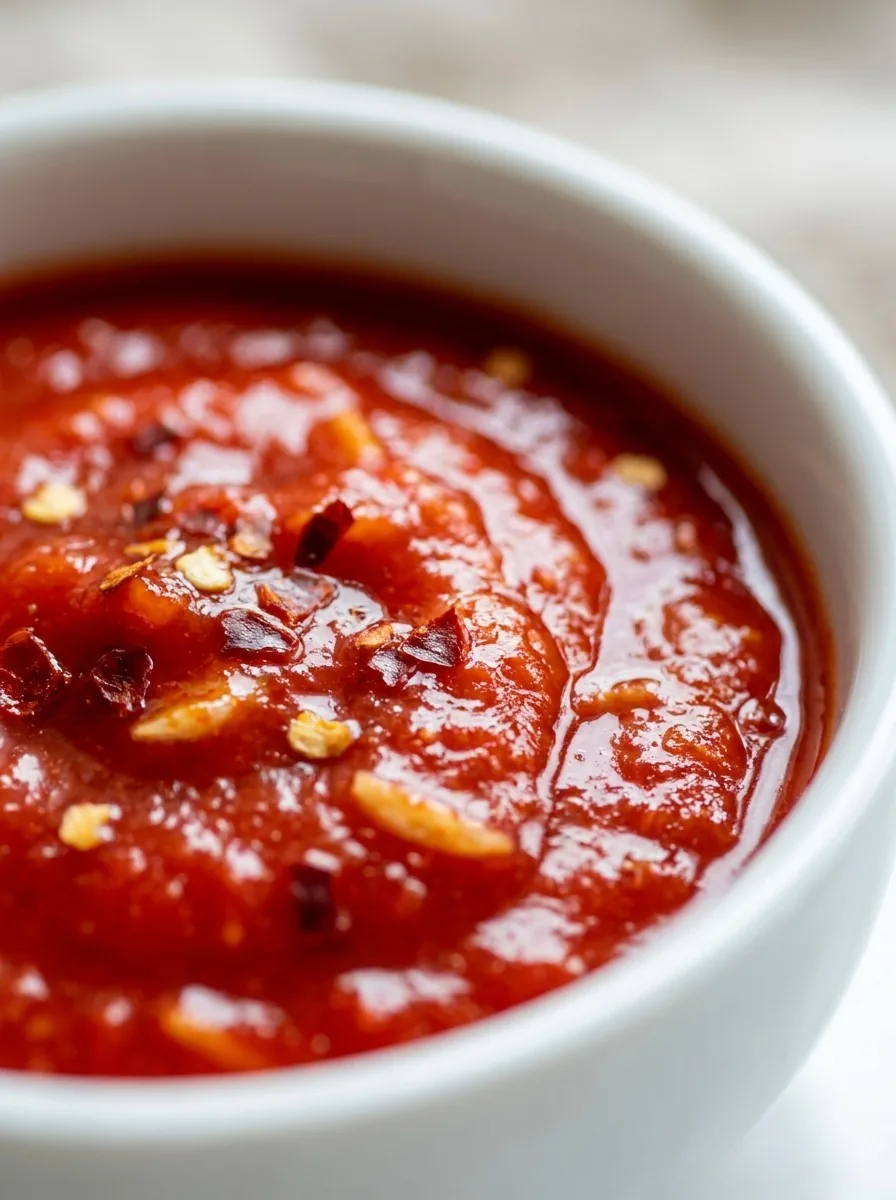
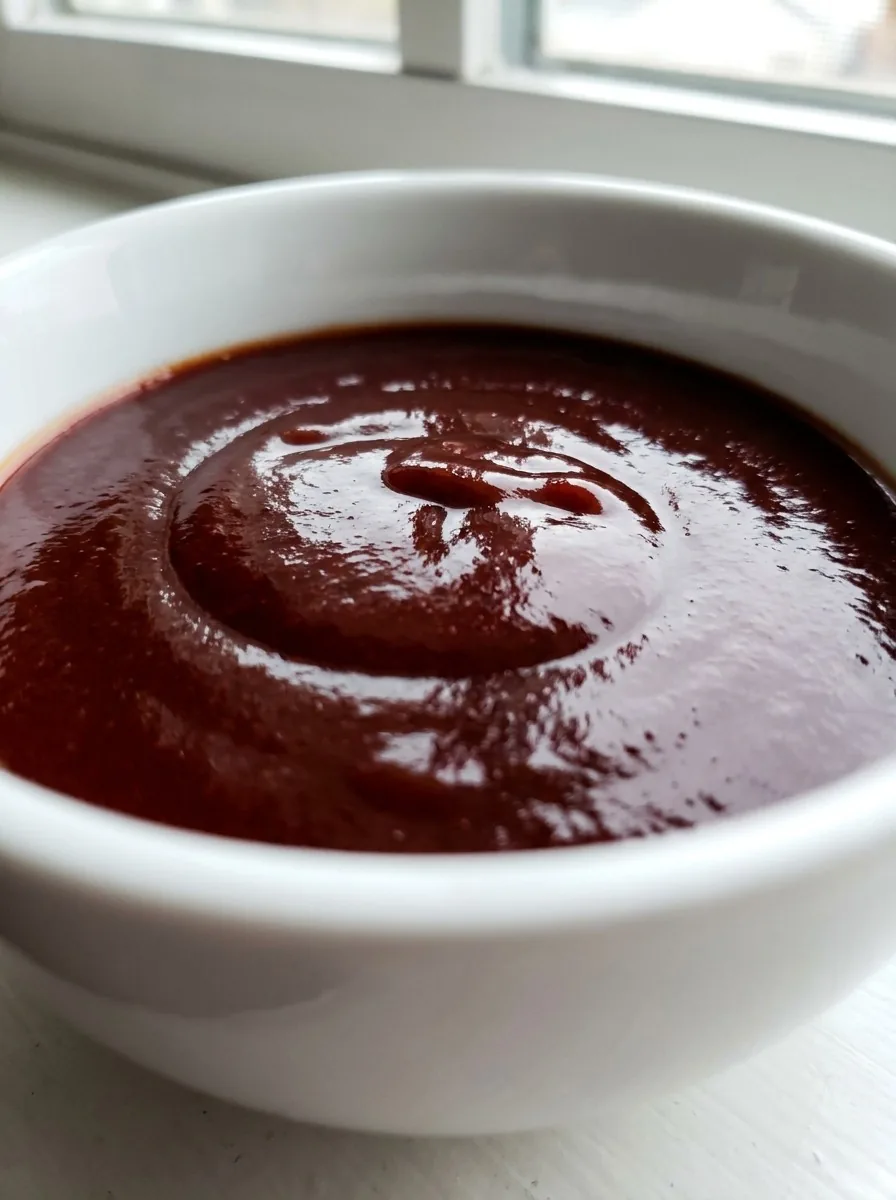
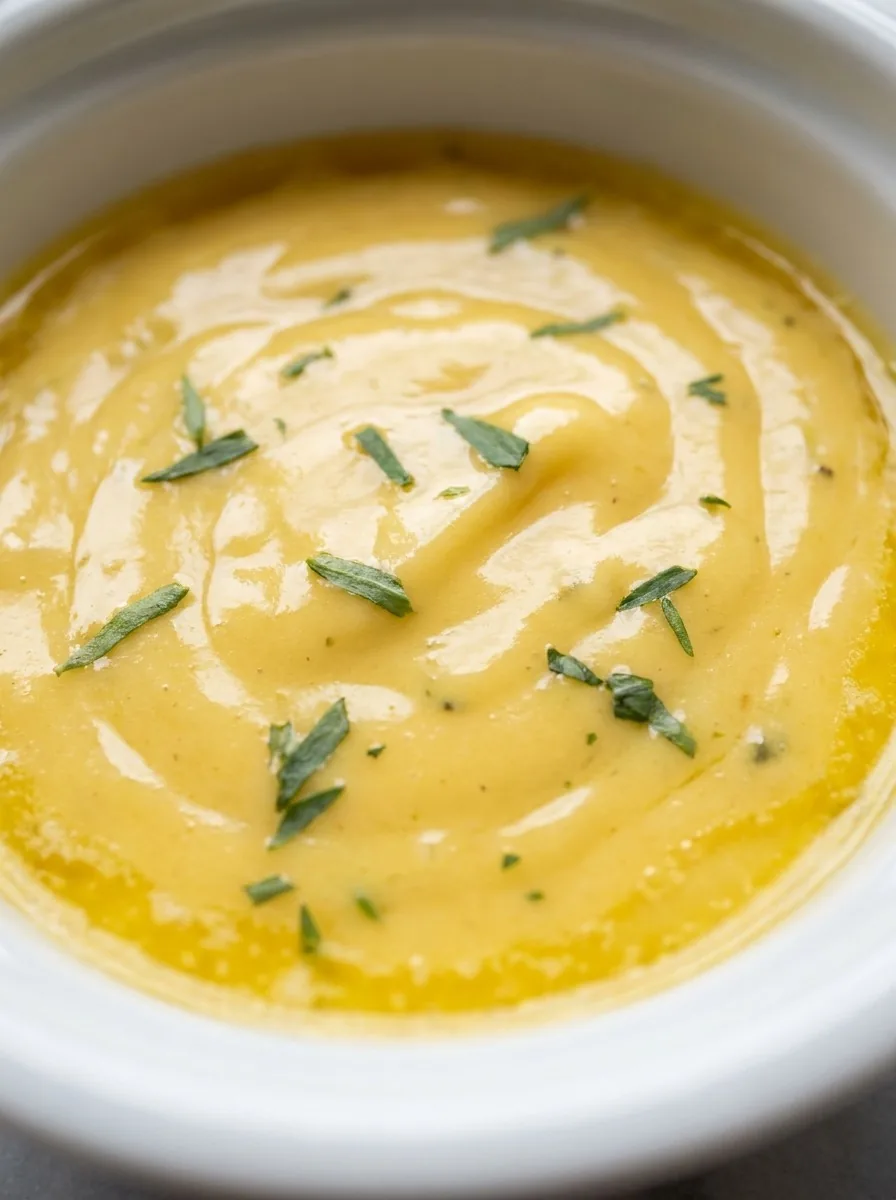
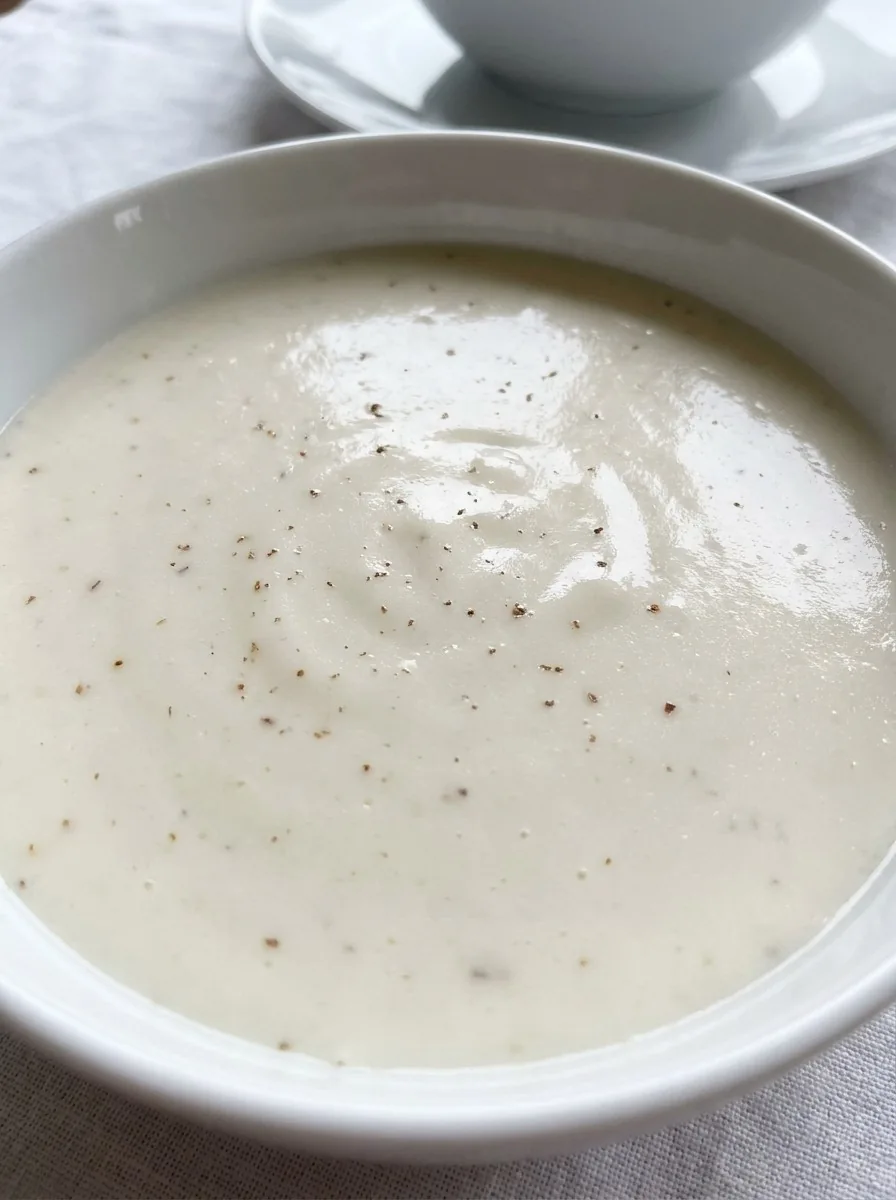
If you like making sauces from scratch, try our alfredo sauce, arrabbiata sauce, bbq sauce and bechamel white sauce next.
Keeping It Fresh
Store the sauce in a clean, airtight jar in the refrigerator; it will keep for up to three weeks. If you notice a slight separation, give the jar a good shake or stir before using. For longer storage, freeze the sauce in ice‑cube trays; thaw individual cubes as needed for quick flavor bursts. Avoid using metal utensils that can react with the acidity, opting instead for wooden or silicone tools to preserve the sauce’s taste.
Wrapping Up
Homemade gochujang is a testament to the power of simple pantry ingredients and a little culinary patience. By following this streamlined process, you’ll enjoy a sauce that’s fresher, more vibrant, and free from additives. Whether you’re a seasoned Korean cooking enthusiast or a newcomer to spicy sauces, this recipe offers a practical, flavorful entry point. Keep experimenting with variations and serving suggestions to make the sauce your own, and enjoy the authentic taste of Korea right at home.
Frequently Asked Questions
Can I use regular rice instead of glutinous rice?
Regular rice will work but may result in a less sticky consistency; glutinous rice provides the ideal texture for fermentation.
How long can I store the sauce?
When refrigerated, the sauce stays fresh for up to 3 weeks; it can also be frozen for several months.
Is it safe to use store‑bought doenjang?
Yes, any fermented soybean paste works, but traditional doenjang offers a deeper, more authentic umami profile.
Can I make this sauce vegan?
The recipe is already vegan; just ensure the soybean paste contains no animal products.
What if I don’t have gochugaru?
You can substitute with a mild chili powder or blend a small amount of cayenne pepper, adjusting heat to taste.
◆ ◆ ◆
← Back to ingredientsGet new sauce recipes
One tasty homemade sauce in your inbox each week. No spam, unsubscribe anytime.
Comments (12)