General Tso Sauce: Step-by-Step Instructions
On this page
Pro Tips for Better Results
To achieve the best texture, ensure your cornstarch slurry is completely smooth before adding it to the pot. Any lumps in the slurry will remain in the final sauce, creating an unpleasant grainy texture. Use a fine mesh strainer if your garlic or ginger is not minced extremely finely, as large pieces can burn quickly and become bitter. If you prefer a deeper color, you can add a teaspoon of dark soy sauce, but be mindful of the increased salt content. For a more traditional flavor, you can grill the ginger and garlic briefly before mincing them, which adds a smoky note that pairs well with the fatty richness of fried chicken. Avoid overcooking the sauce after it thickens, as prolonged heat can cause the cornstarch to break down, making the sauce thin again. Taste the sauce before adding the final pinch of white pepper, as some people are more sensitive to its distinct flavor. Adjust the heat level by increasing or decreasing the crushed red pepper flakes to your personal preference. Let the sauce cool slightly before serving to allow the flavors to meld, though it is best served warm to maintain its viscosity.Instructions
- Combine half of the soy sauce, water, rice vinegar, and sugar in a small saucepan over medium heat.
- Stir continuously until the sugar dissolves completely and the liquid begins to simmer gently.
- Add the minced ginger and garlic to the simmering liquid and cook for two minutes to release their aromatics.
- Whisk the remaining soy sauce with the cornstarch and water in a separate bowl to create a smooth slurry.
- Pour the cornstarch slurry into the saucepan while stirring constantly with a wooden spoon.
- Continue stirring the mixture for one to two minutes until it thickens to a glossy, syrupy consistency.
- Remove the saucepan from the heat and stir in the sesame oil and crushed red pepper flakes.
- Add the white pepper and give the sauce a final stir to ensure even distribution of spices.
- Pour the sauce into a heat-safe bowl and allow it to cool to room temperature before storing.
- Serve the sauce warm over hot fried chicken or vegetables for the best texture and flavor integration.
Recipe Variations
You can modify this sauce to suit different dietary needs or flavor preferences. For a vegan version, ensure your soy sauce is certified vegan, as some brands contain fish sauce or other animal-derived ingredients. If you want a spicier kick, add a tablespoon of chili oil or increase the red pepper flakes to one teaspoon. A mild variation can be achieved by omitting the red pepper flakes entirely and adding a splash of lime juice for brightness. For a richer, creamier texture, you can stir in a tablespoon of peanut butter after the sauce has thickened, creating a peanut-sweet glaze. If you do not have rice vinegar, apple cider vinegar is a suitable substitute, though it will impart a slightly fruitier note. You can also experiment with adding a small amount of oyster sauce for extra umami depth, but reduce the soy sauce slightly to compensate for the salt. These variations allow you to customize the sauce to pair with different proteins or vegetables while maintaining the core flavor profile of the original recipe.Serving Ideas
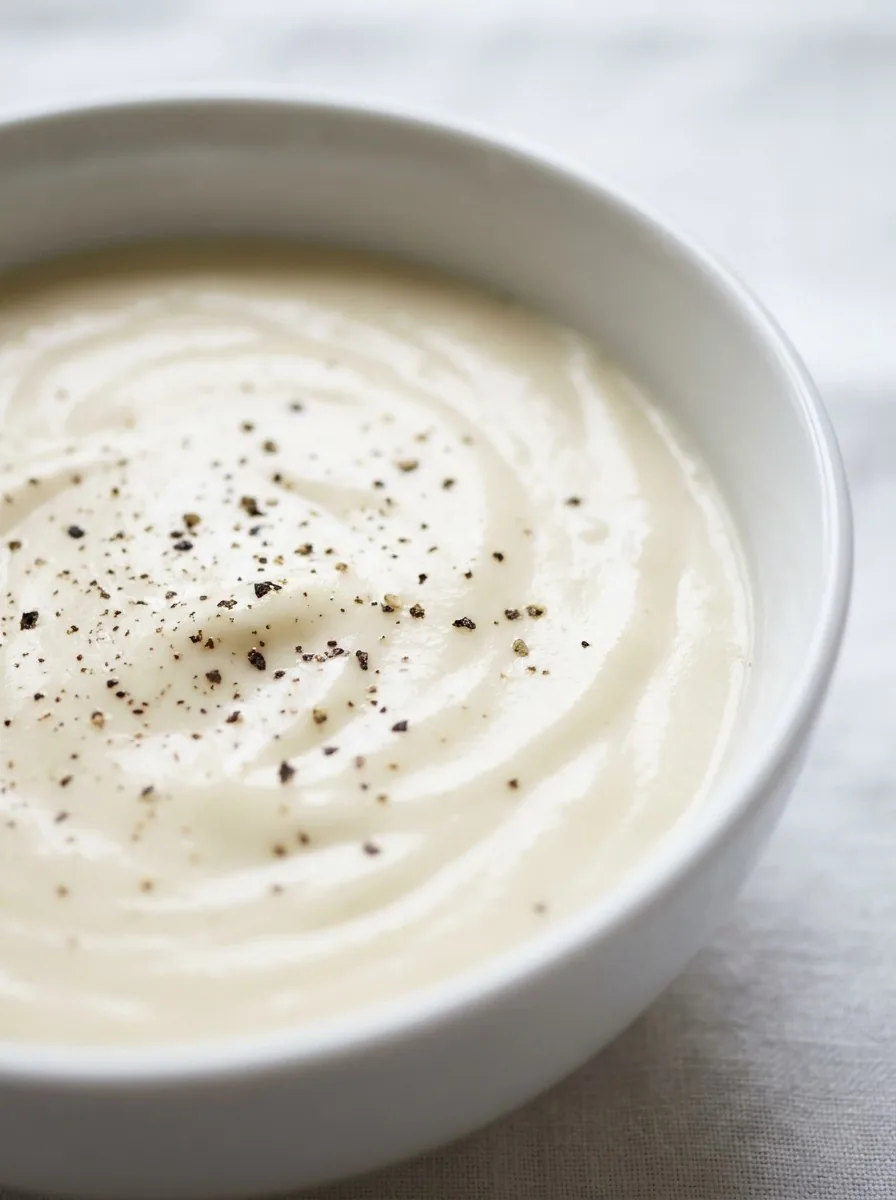
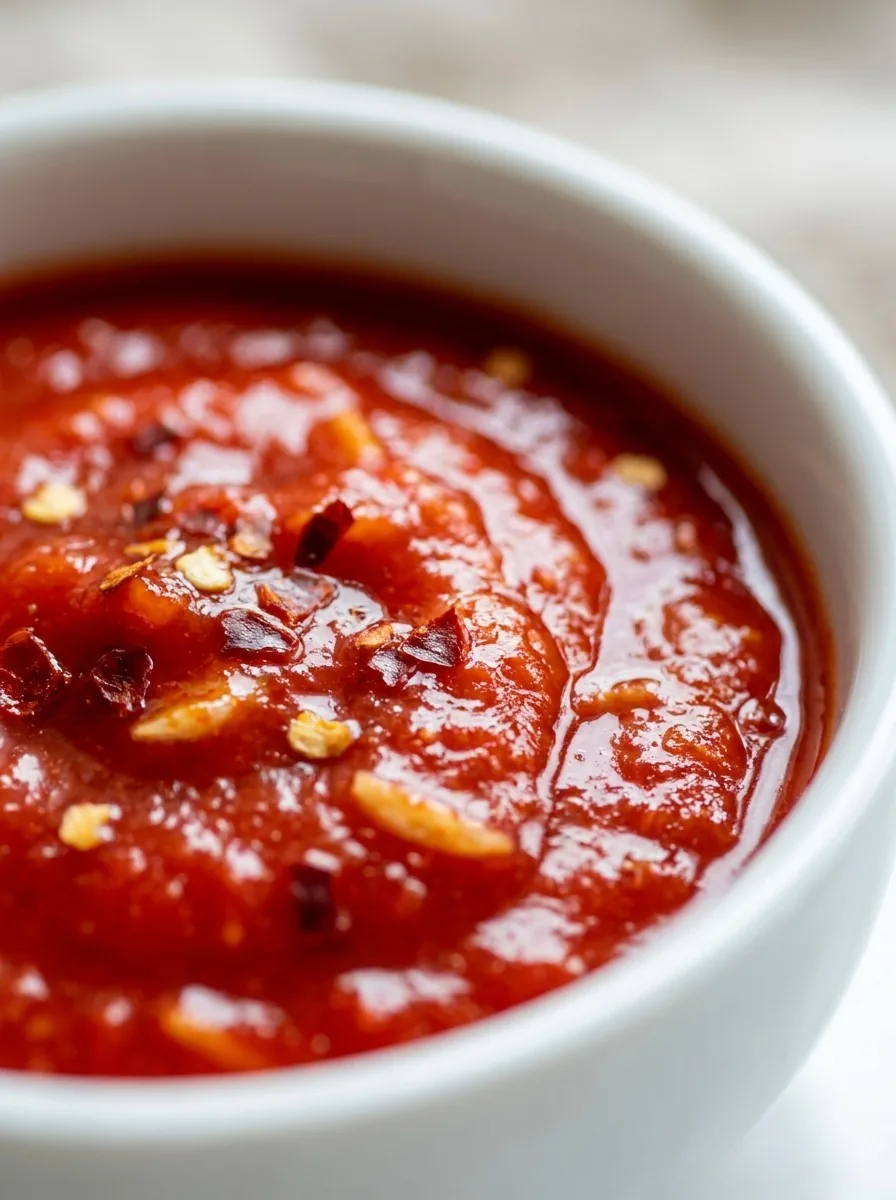
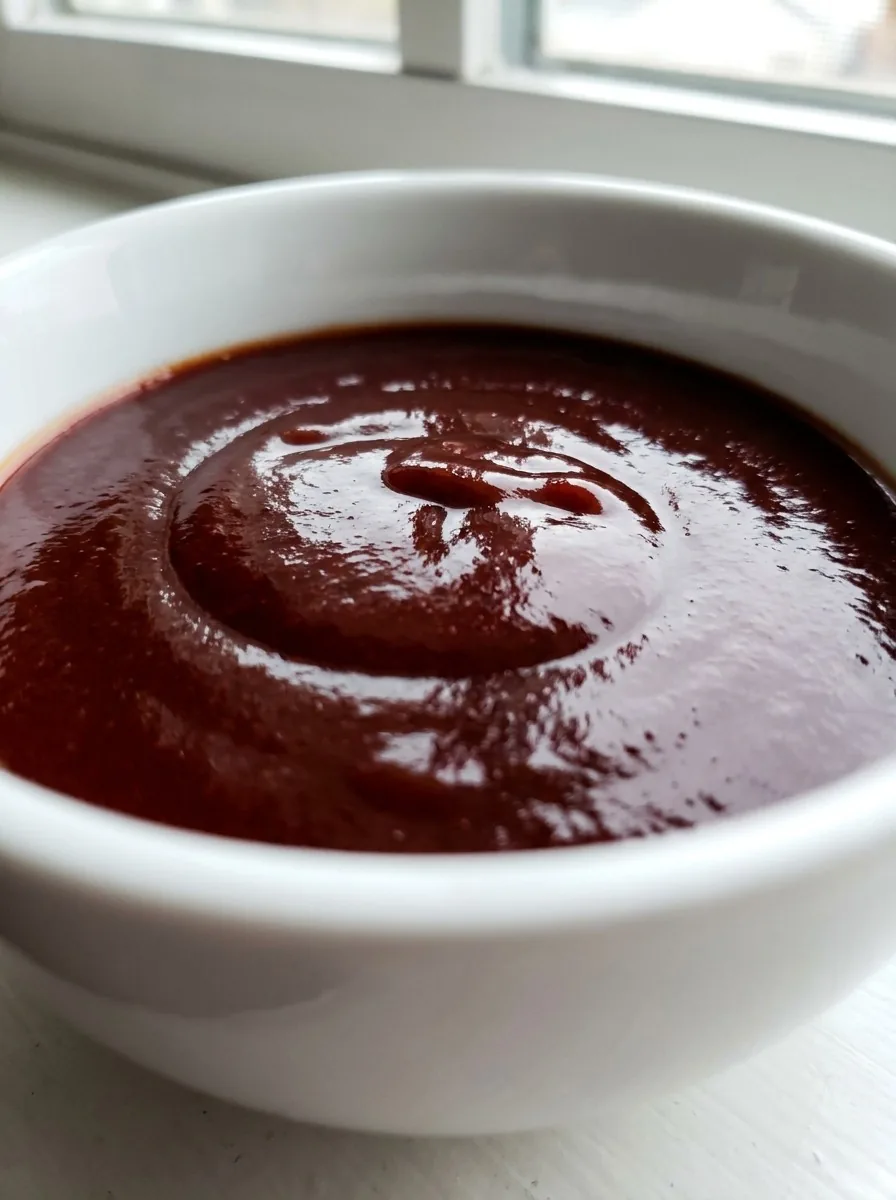
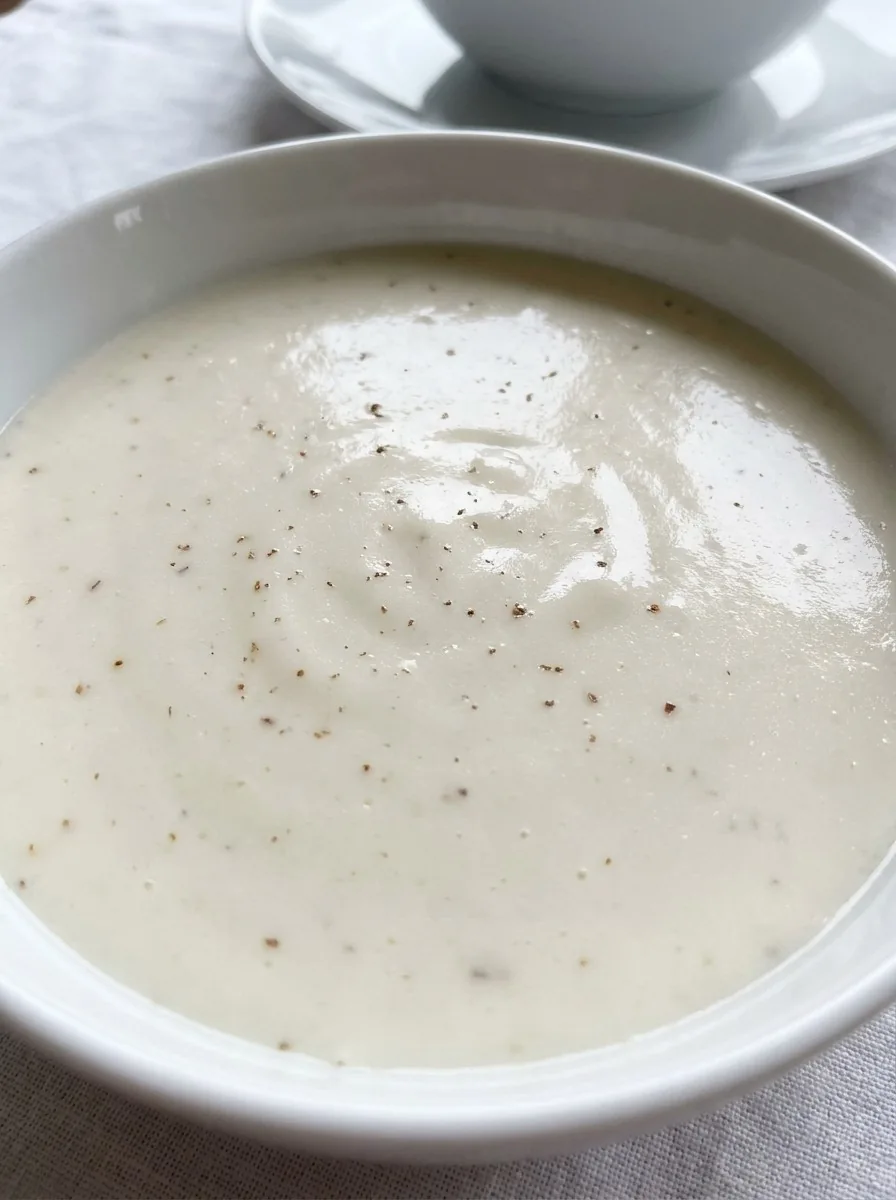
This sauce is incredibly versatile and can be used in many ways beyond the classic General Tso chicken. Drizzle it over crispy tofu or eggplant for a vegetarian option that is equally satisfying. Use it as a glaze for grilled chicken thighs or pork chops, brushing it on during the last few minutes of cooking. Toss cold noodles with a small amount of the sauce, along with some shredded carrots and cucumber, for a quick and easy lunch. It also works well as a dipping sauce for spring rolls or fried dumplings. You can use it to top a bowl of steamed rice with some stir-fried vegetables and edamame. For a breakfast twist, sprinkle it over pancakes or waffles with a side of fried egg. The sweet and savory profile makes it a great companion for roasted potatoes or cauliflower. You can also use it as a marinade for meat, allowing the flavors to penetrate the protein before cooking. These diverse applications make this sauce a valuable addition to your culinary repertoire.If you like making sauces from scratch, try our alfredo sauce, arrabbiata sauce, bbq sauce and bechamel white sauce next.
Keeping It Fresh
To maintain the quality of your homemade General Tso sauce, store it properly in an airtight container in the refrigerator. The sauce will thicken as it cools, which is normal due to the cornstarch. When you are ready to use it again, you can reheat it gently in a saucepan with a splash of water to loosen the consistency. Do not microwave it on high power, as this can cause uneven heating and potential separation. If you notice any color changes or off odors, discard the sauce, as it is better to be safe. The sauce does not require freezing for short-term storage, as the high sugar and salt content acts as a preservative. However, if you make a large batch, freezing is a good option for long-term storage. Label the container with the date of preparation to keep track of its freshness. When reheating, stir frequently to ensure the sauce heats evenly and regains its glossy appearance. Proper storage ensures that the flavors remain vibrant and the texture remains smooth for future meals.Wrapping Up
Making your own General Tso sauce is a simple task that yields significant rewards in terms of flavor and quality. By using fresh ingredients and following a straightforward process, you avoid the excess sodium and preservatives found in many commercial versions. This sauce is a testament to how few ingredients can create a complex and satisfying flavor profile. It is a great way to elevate simple home-cooked meals into something that feels special and restaurant-quality. Whether you are feeding a family or preparing for a dinner party, this sauce will be a hit. It is quick to make, easy to store, and infinitely versatile. Try making a batch today and experiment with different protein and vegetable pairings. You will likely find yourself using it in ways you did not originally anticipate. The satisfaction of creating a sauce from scratch is unparalleled, and this recipe is a perfect starting point for anyone interested in home cooking. Enjoy the process and the delicious results it brings to your table.Frequently Asked Questions
Can I use brown sugar instead of white sugar?
Yes, but the flavor will be slightly more molasses-like. For a traditional Sino-American profile, white sugar is preferred for its clean sweetness.
Is this sauce gluten-free if I use regular soy sauce?
No, regular soy sauce contains wheat. To make this gluten-free, substitute tamari or a certified gluten-free soy sauce for the standard soy sauce.
How long does this sauce last in the refrigerator?
Stored in an airtight container, this sauce will keep for up to two weeks in the refrigerator. It may thicken further as it cools.
Can I freeze this sauce?
Yes, you can freeze the sauce for up to three months. Thaw it in the refrigerator overnight and stir well before reheating.
Why is my sauce too thin?
If the sauce does not thicken properly, whisk in an additional teaspoon of cornstarch mixed with a teaspoon of water and cook for another minute.
◆ ◆ ◆
← Back to ingredientsGet new sauce recipes
One tasty homemade sauce in your inbox each week. No spam, unsubscribe anytime.