Creamy Garlic Aioli: Step-by-Step Instructions
On this page
Pro Tips for Better Results
First, use room‑temperature ingredients; cold mayo or yogurt can cause the emulsion to break. Second, avoid over‑whisking once the oil is fully incorporated; vigorous stirring can introduce air and lead to a frothy, less silky finish. Third, if the sauce feels too thick, add a splash of warm water or milk to loosen it without diluting the flavor. Fourth, keep the garlic finely minced or use a press; large pieces create uneven bites and a harsher bite. Finally, if you prefer a milder garlic presence, sauté the garlic lightly in olive oil before adding it to the mixture; this mellows the sharpness while retaining aroma.
Instructions
- In a medium bowl, whisk the mayonnaise and Greek yogurt together until the mixture is smooth and the two emulsions are fully blended; this creates a stable base that prevents separation during the cooking process.
- Add the finely minced garlic to the bowl, stirring immediately to distribute the flavor evenly; garlic begins to release its aroma as soon as it contacts the liquid, so early incorporation maximizes its impact.
- Pour in the fresh lemon juice while whisking; the acidity cuts through the richness of the mayo and yogurt, brightening the overall taste and helping to preserve the sauce.
- Stir in the honey, Dijon mustard, salt, and pepper; the mustard adds a subtle depth of flavor and acts as an additional emulsifier, while the honey balances the tartness of the lemon.
- Drizzle the extra‑virgin olive oil slowly, in a steady stream, while continuously whisking; a slow addition keeps the emulsion stable and gives the sauce a silky texture.
- If you prefer a slightly thinner consistency, add a tablespoon of warm water or milk and whisk until the desired thickness is reached; this step is optional and depends on personal preference.
- Fold in the chopped parsley and smoked paprika if using, then taste and adjust seasoning with more salt or pepper as needed; fresh herbs add brightness, and paprika gives a subtle smoky undertone.
- Cover the bowl, chill the aioli in the refrigerator for at least 10 minutes to allow the flavors to meld; chilling also thickens the sauce slightly.
- Serve immediately, or keep chilled for up to 3 days; if serving warm over grilled meats, warm it gently in a microwave for 15–20 seconds just before serving to bring out the garlic aroma.
Recipe Variations
Swap the Greek yogurt for sour cream or buttermilk to tweak the acidity and texture. For a smoky twist, blend in chipotle pepper or a dash of smoked paprika during the oil incorporation step. If you’re looking for a lower‑fat version, replace half the mayo with avocado mash for a creamy, buttery flavor. For a citrusy kick, substitute the lemon juice with lime or orange zest for a brighter profile. Finally, infuse the oil with herbs—rosemary or thyme—by gently heating the oil before adding it, then strain to keep the sauce clear.
Serving Ideas
Warm the aioli in a microwave for 15–20 seconds before drizzling it over seared steak or grilled shrimp; the heat releases the garlic aroma and creates a silky coating. Cool the sauce to room temperature and use it as a spread on ciabatta or focaccia for a Mediterranean sandwich. Toss it with roasted vegetables—carrots, zucchini, bell peppers—for a creamy dip that elevates the dish. Serve it chilled as a dip alongside fresh sliced cucumbers, cherry tomatoes, or a platter of olives and pickles. For a brunch twist, spoon it over poached eggs or use it as a base for a creamy salad dressing.
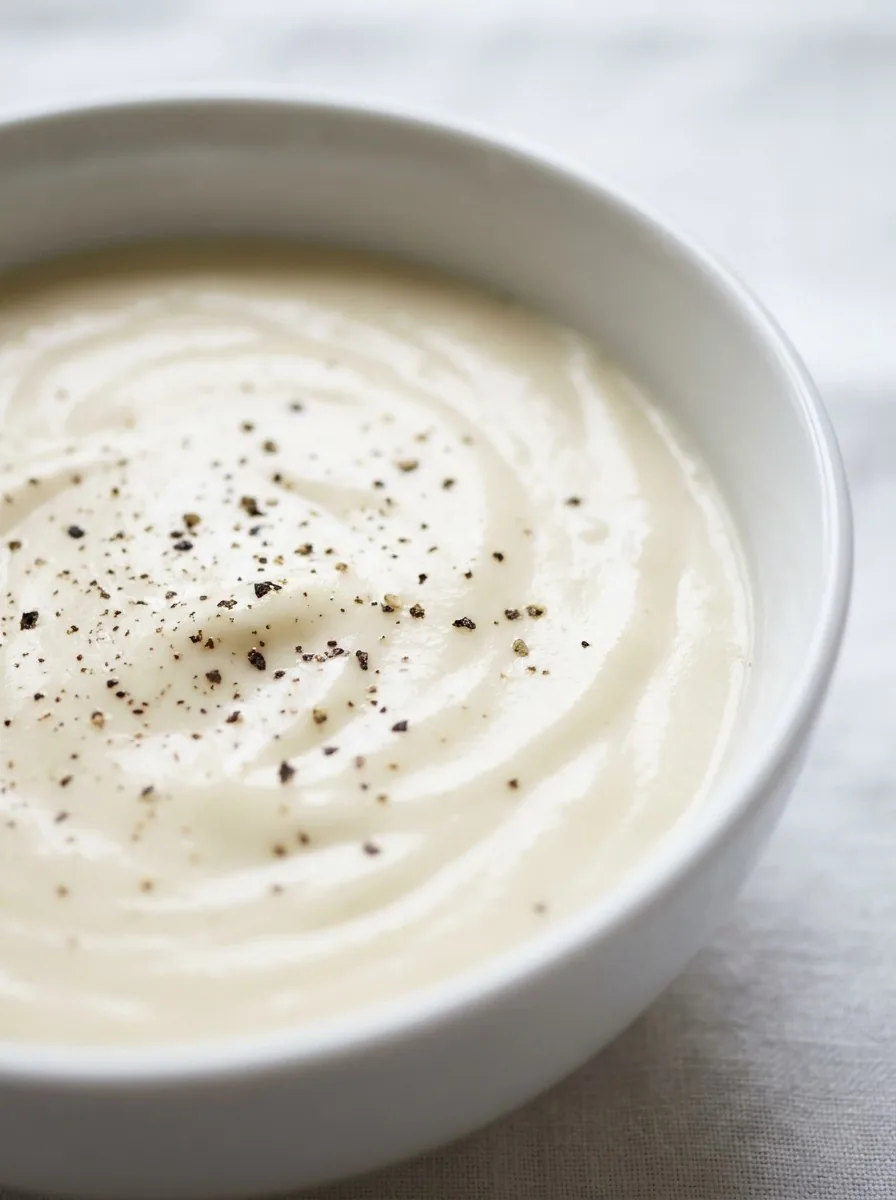
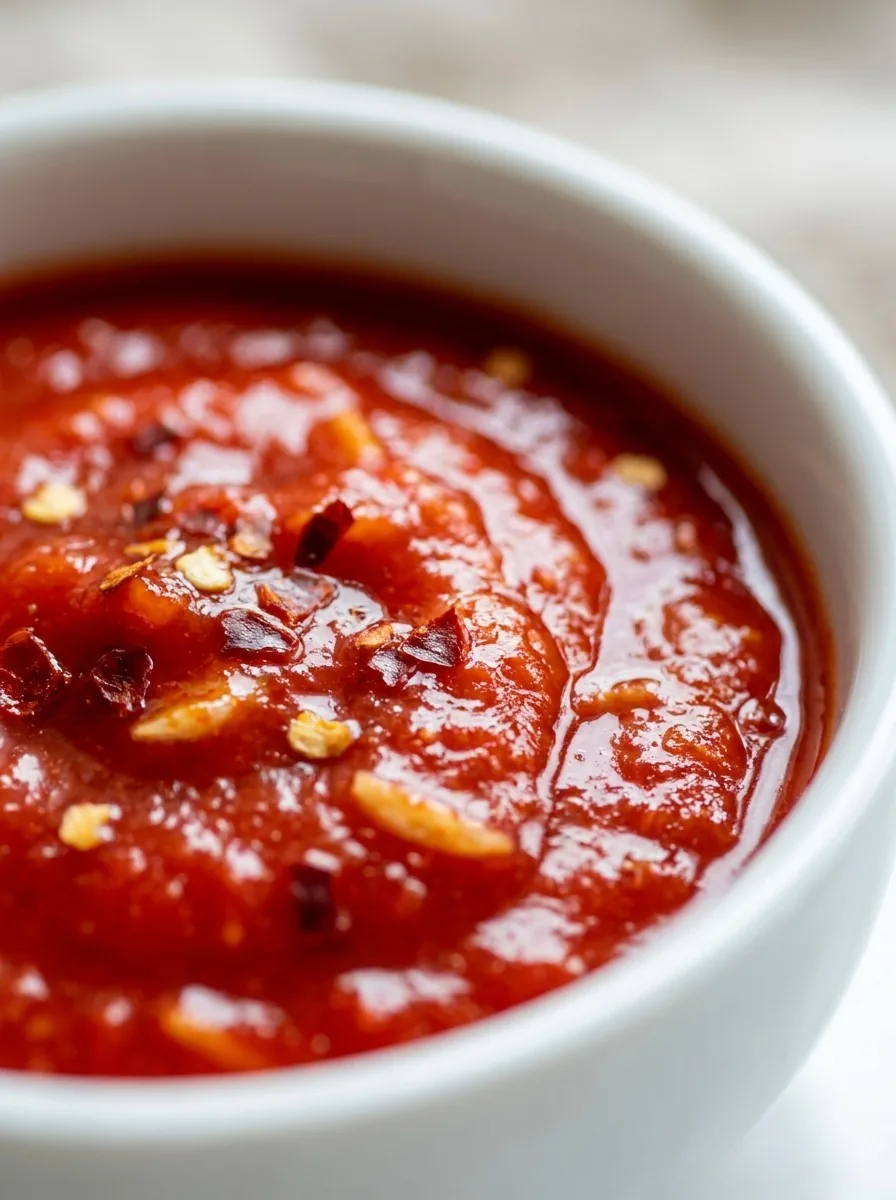
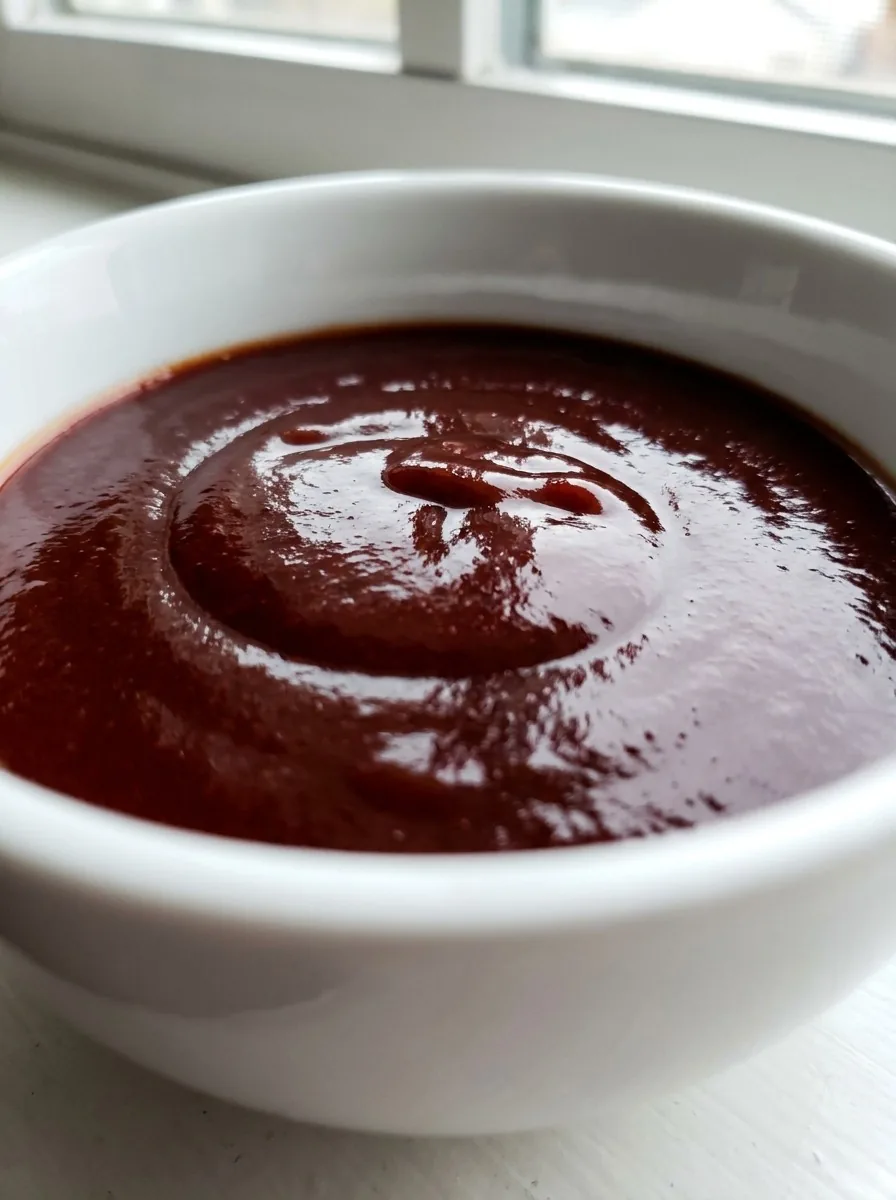
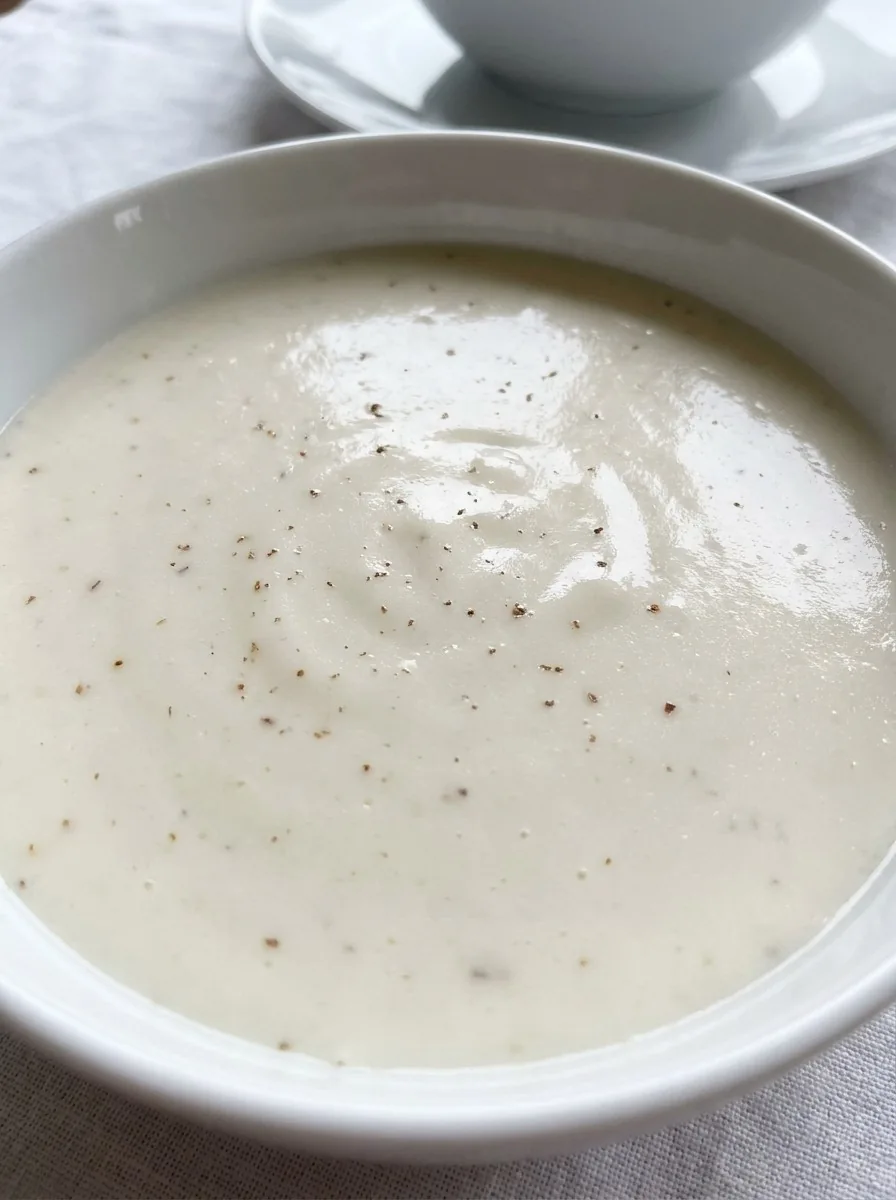
If you like making sauces from scratch, try our alfredo sauce, arrabbiata sauce, bbq sauce and bechamel white sauce next.
Keeping It Fresh
Store the aioli in a tightly sealed container in the refrigerator; it will keep for up to three days. If you notice separation, give it a quick whisk to recombine the emulsion. For extended storage, freeze the sauce in an airtight container for up to a month; thaw in the refrigerator overnight and stir well before using. Avoid leaving the sauce at room temperature for more than two hours to prevent bacterial growth. If the sauce has thickened during refrigeration, simply whisk in a tablespoon of warm milk or water to restore its original consistency.
Wrapping Up
This homemade garlic aioli blends classic Mediterranean flavors with the convenience of pantry staples, offering a versatile condiment that can adapt to any meal. By paying attention to ingredient temperature, gradual oil addition, and balanced seasoning, you’ll achieve a silky, stable sauce that can be served warm or cold. Whether you’re drizzling it over a steak, using it as a dip, or incorporating it into a salad dressing, this aioli adds depth and richness that elevates everyday dishes. Experiment with the suggested variations and serving ideas to tailor the sauce to your taste, and enjoy the comforting, aromatic experience that only a fresh, homemade aioli can provide.
Frequently Asked Questions
Can I use regular mayonnaise instead of Greek yogurt?
Yes, you can replace Greek yogurt with regular mayonnaise, but the sauce will be richer and slightly less tangy. The yogurt adds lightness and a subtle sour note that balances the garlic.
How long can I store the aioli?
Store the aioli in an airtight container in the refrigerator for up to three days. For longer storage, you can freeze it for up to a month, though the texture may become slightly grainy when thawed.
Is it safe to use raw garlic in this sauce?
Raw garlic is safe in the aioli, as the acid from lemon juice and the oil help preserve it. If you are concerned about pungency, you can lightly sauté the garlic before adding it to mellow the flavor.
Can I make this aioli ahead of time?
Yes, preparing the aioli a day ahead allows the flavors to develop fully. Just keep it refrigerated and stir gently before serving.
What can I use instead of extra‑virgin olive oil?
Any neutral‑flavored oil, such as canola or grapeseed oil, will work if you prefer a milder taste, but olive oil contributes a classic Mediterranean character to the sauce.
◆ ◆ ◆
← Back to ingredientsGet new sauce recipes
One tasty homemade sauce in your inbox each week. No spam, unsubscribe anytime.
Comments (10)