Red Enchilada Sauce: Step-by-Step Instructions
On this page
Pro Tips for Better Results
1. Use fresh spices: Over time, ground chilies and cumin lose potency; toast them lightly before adding for a brighter punch.
2. Whisk constantly when adding broth: This prevents the dreaded lumps that can form when a roux meets liquid too quickly.
3. Adjust consistency with broth: If the sauce thickens beyond your liking, stir in a tablespoon of broth at a time until you reach the desired pourability.
4. Finish with acid: A squeeze of lime juice right before serving brightens the flavors and balances the richness.
5. Blend for ultra‑smooth texture: For a velvety finish, run the sauce through an immersion blender after simmering.
Instructions
- Heat the vegetable oil in a medium saucepan over medium heat until it shimmers, which signals the right temperature for the roux.
- Whisk in the flour and cook for 1‑2 minutes, stirring constantly, to eliminate raw flour taste and develop a light golden color.
- Add the chili powder, cumin, garlic powder, and oregano, and stir for another 30 seconds; the spices release their essential oils, intensifying flavor.
- Stir in the tomato paste, letting it caramelize briefly; this step deepens the sauce’s color and adds a subtle sweetness.
- Slowly pour in the broth while whisking vigorously to prevent lumps, creating a smooth, glossy base.
- Bring the mixture to a gentle boil, then reduce heat to a simmer; cook for 10‑12 minutes, allowing the sauce to thicken and the flavors to meld.
- Season with salt and pepper, tasting and adjusting as needed; the salt balances the acidity of the tomato paste.
- If using, stir in smoked paprika for a hint of wood‑smoked complexity, then remove from heat.
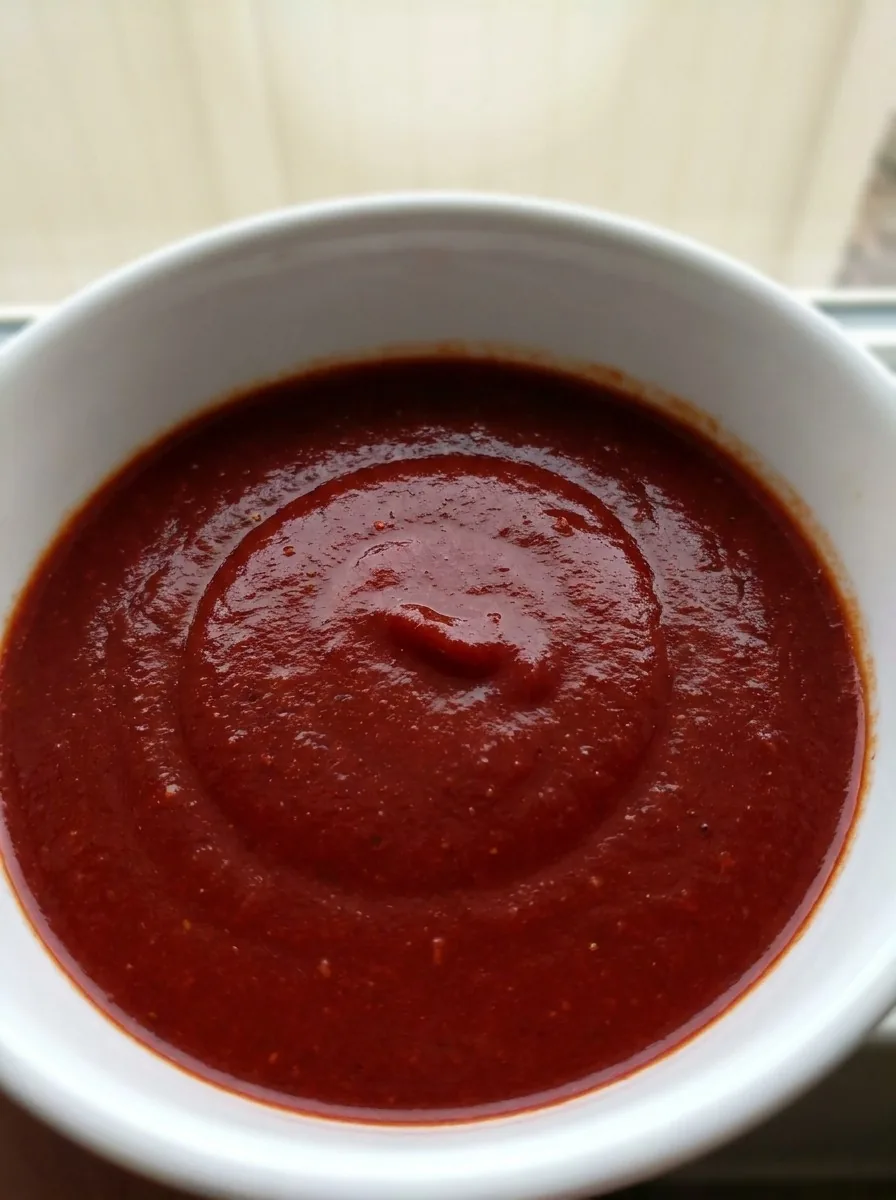
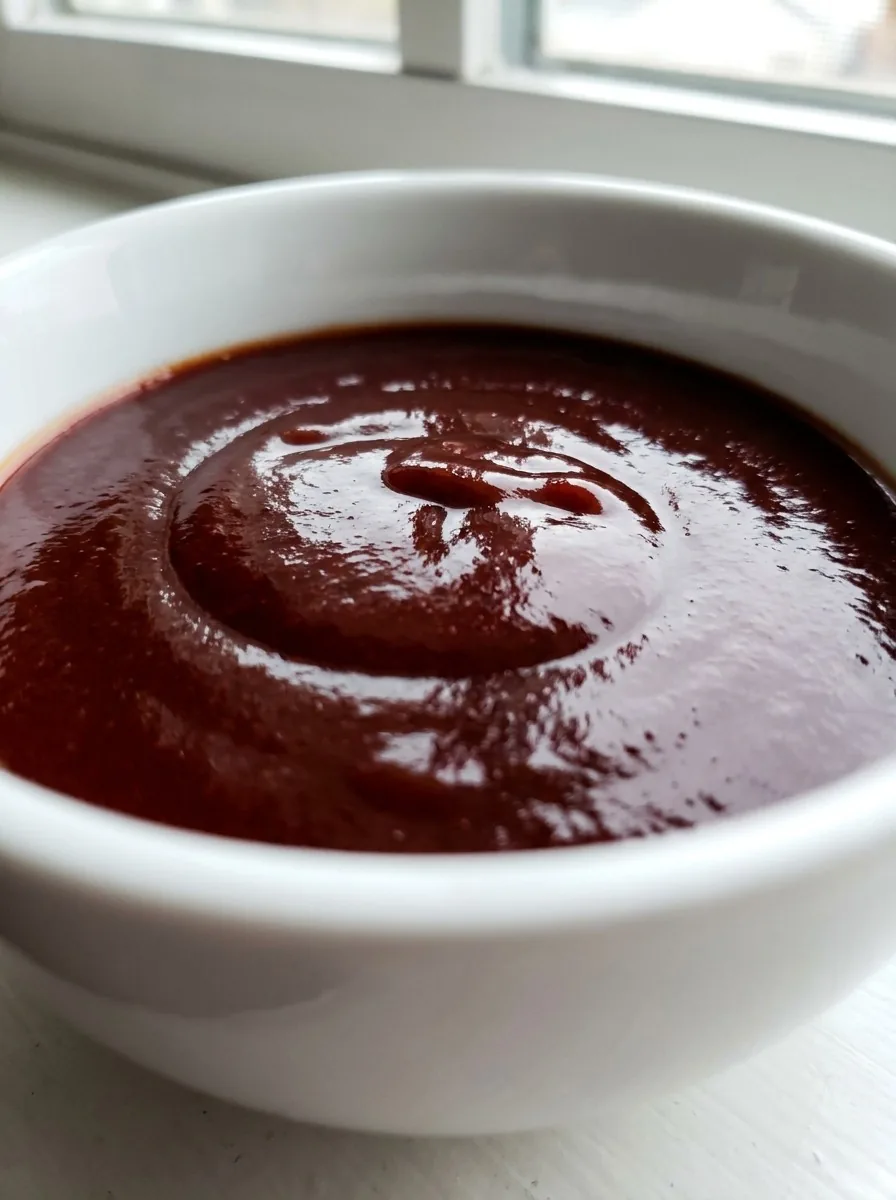
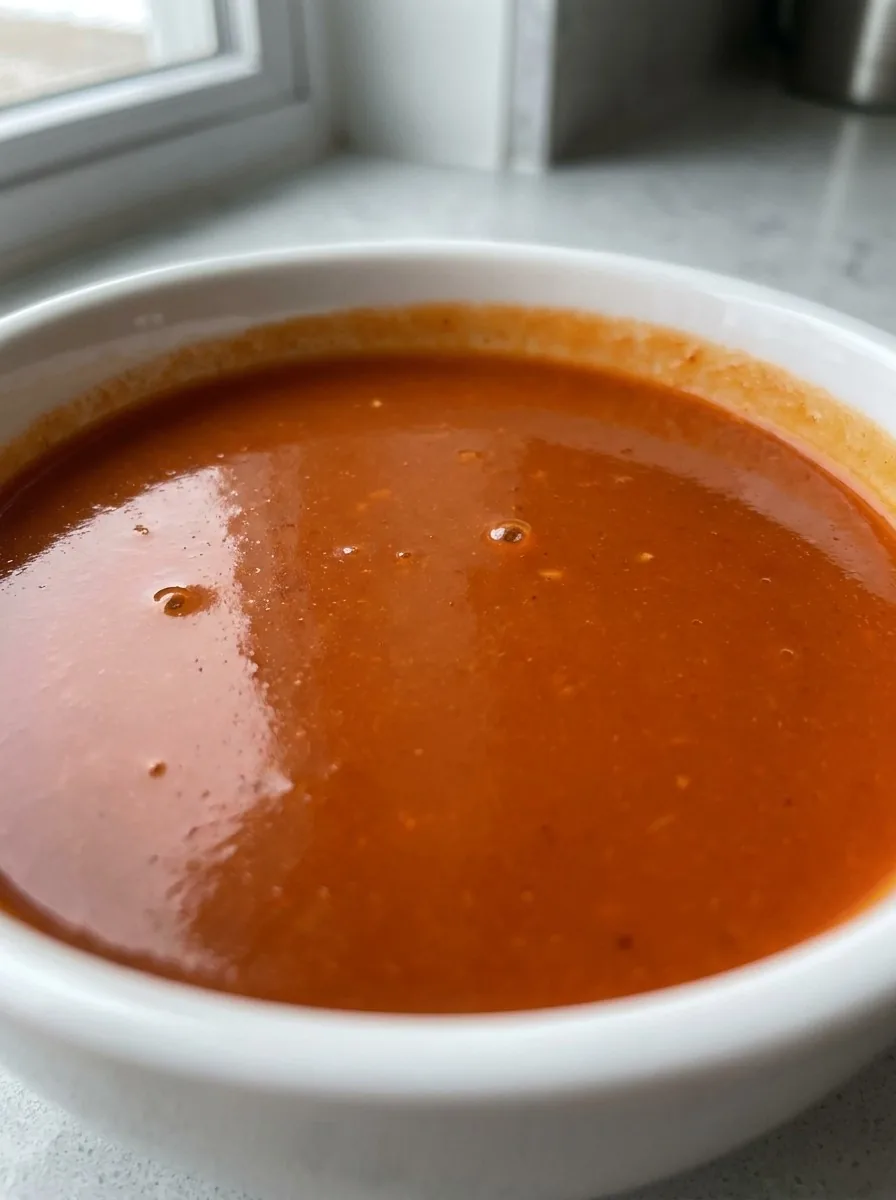
- Transfer the sauce to a heat‑proof container, let it rest for a couple of minutes, and garnish with cilantro if desired.
- Serve warm over enchiladas, tacos, or use as a dipping sauce for fried appetizers.
Recipe Variations
Swap the chili powder for ancho chile powder for a deeper, earthier flavor, or add a tablespoon of adobo sauce from canned chipotle peppers for smoky heat. For a creamier version, stir in a half‑cup of sour cream or Greek yogurt after the sauce is removed from heat; this works well with chicken enchiladas. Vegetarian cooks can incorporate roasted poblano peppers blended into the sauce for extra depth without meat‑based broth.
Serving Ideas
Drizzle the sauce over baked enchiladas filled with shredded chicken, cheese, and black beans for a classic dinner. Use it as a base for a Mexican‑style casserole, layering with corn tortillas, sautéed vegetables, and a blend of cheddar and Monterey Jack. It also makes an excellent dip for tortilla chips, especially when warmed and topped with a sprinkle of cotija cheese and chopped cilantro.
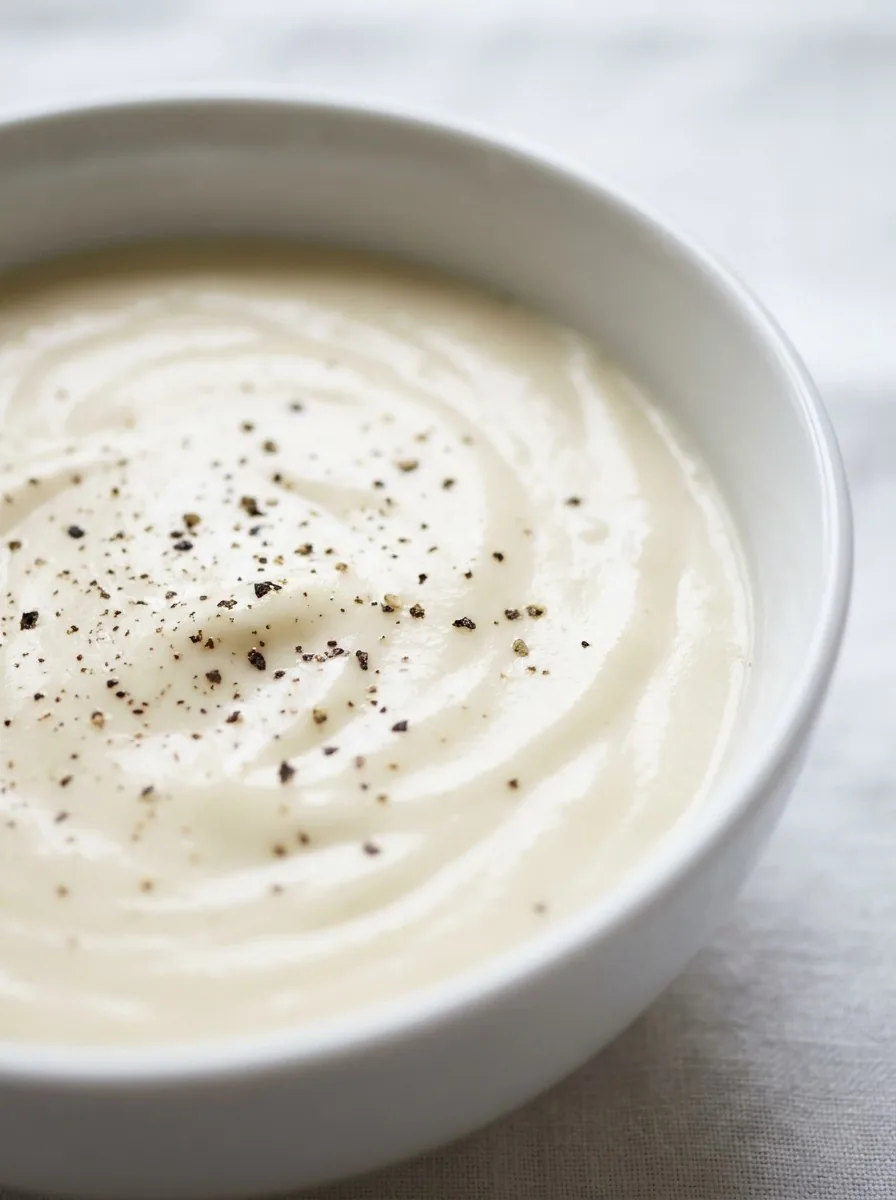
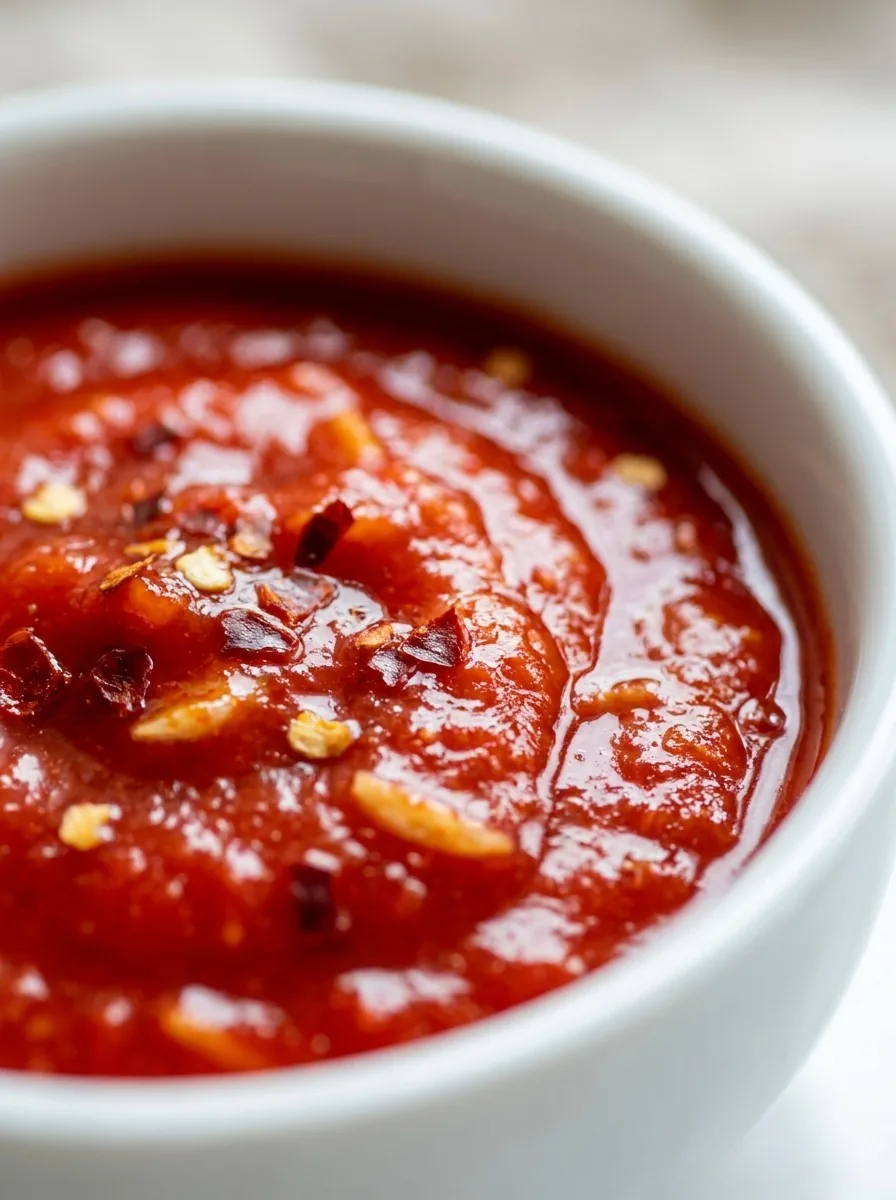
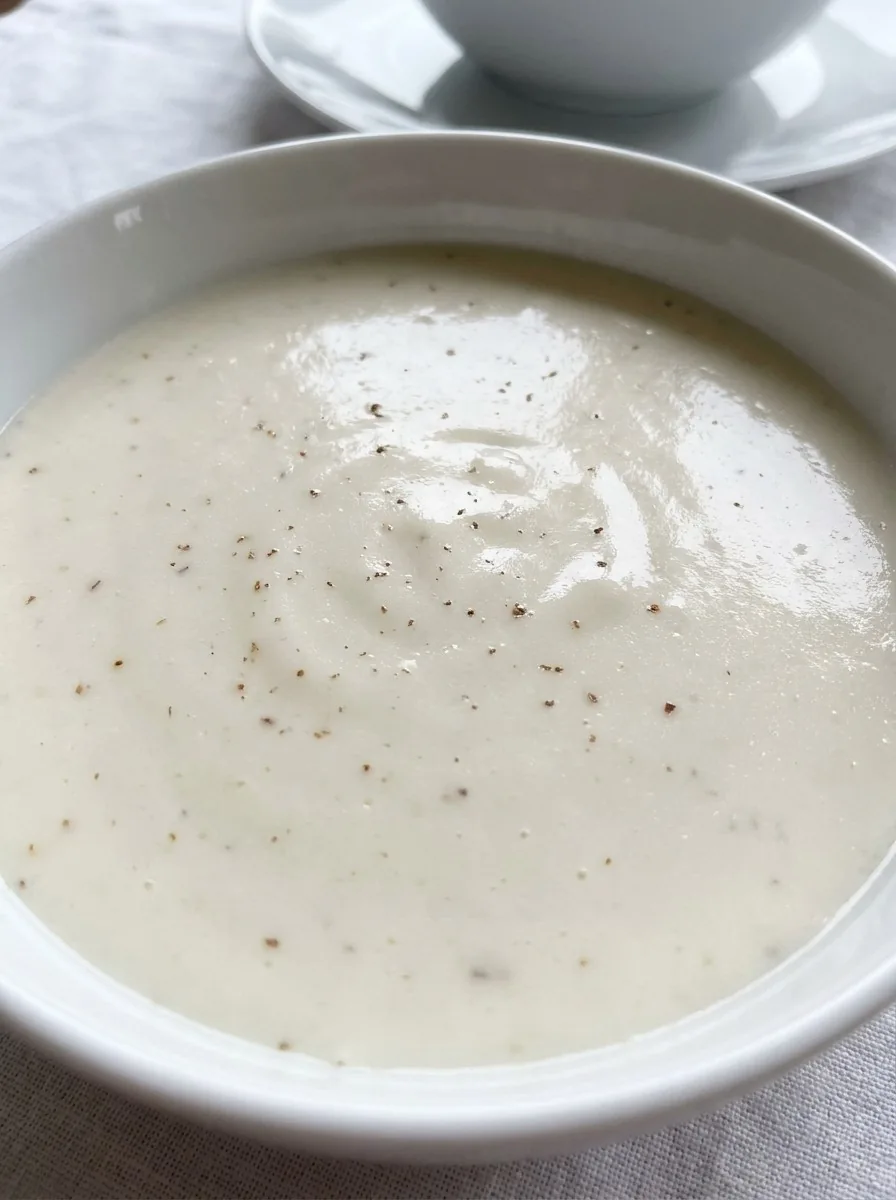
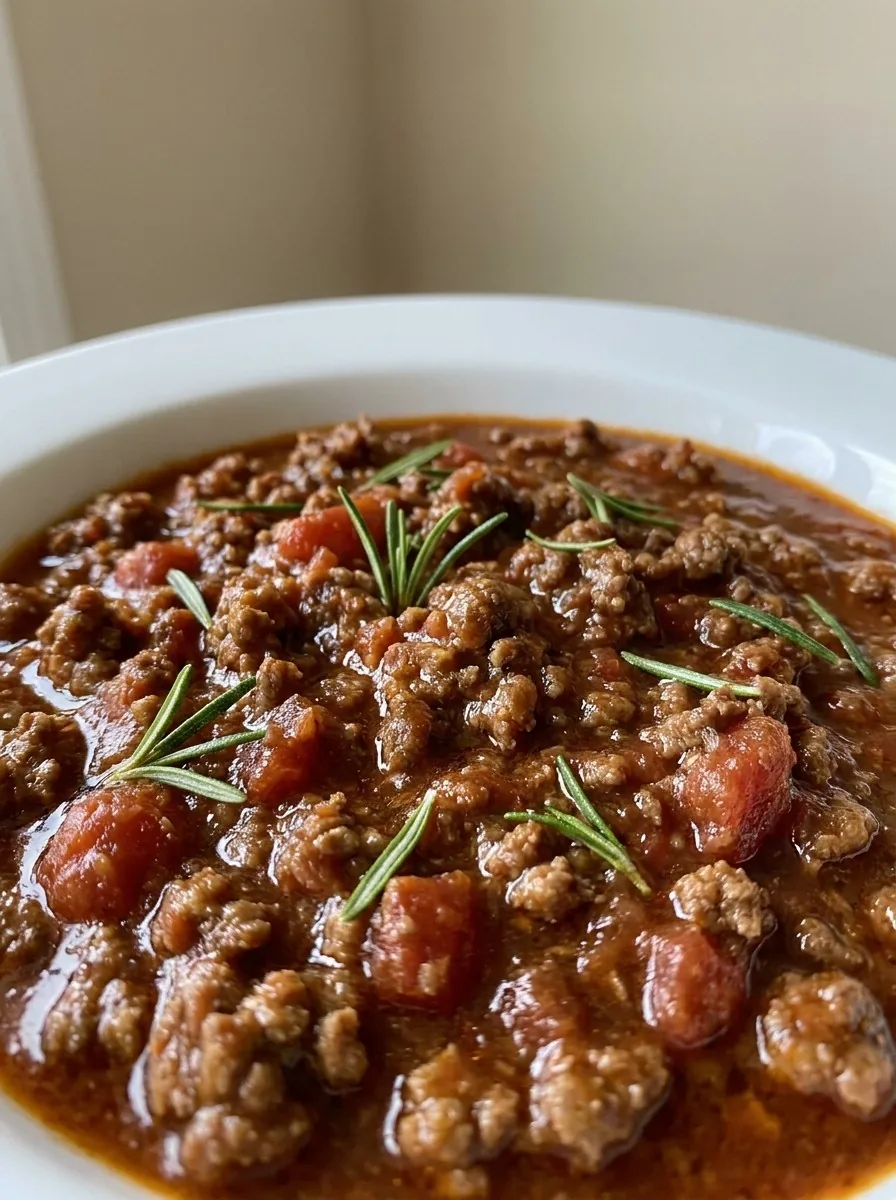
If you like making sauces from scratch, try our classic bechamel, classic marinara sauce, fresh basil pesto next.
Keeping It Fresh
Store the sauce in a glass jar with a tight‑fitting lid; refrigeration slows bacterial growth and keeps flavors vibrant for up to five days. If the sauce separates, simply whisk in a splash of broth or warm water to re‑emulsify. For longer storage, portion the sauce into freezer‑safe bags, lay them flat to freeze, and label with the date. Thaw overnight in the fridge and reheat gently on the stove, adding a little liquid if needed.
Wrapping Up
This red enchilada sauce proves that a handful of pantry ingredients can produce restaurant‑quality flavor at home. By mastering the roux technique and respecting the balance of spices, you gain a versatile condiment that elevates any Mexican‑inspired dish. Keep the sauce on hand; it’s a time‑saving hero for quick weeknight meals, a crowd‑pleasing dip, and a foundation for creative culinary experiments. Enjoy the process, taste as you go, and let the sauce become a staple in your kitchen repertoire.
Frequently Asked Questions
Can I make this sauce dairy‑free?
Yes, the recipe already excludes dairy; just ensure you use vegetable broth if you want a fully plant‑based version.
How long will the sauce keep in the refrigerator?
Store it in an airtight container for up to 5 days; reheat gently on the stovetop, adding a splash of broth if it thickens too much.
Can I freeze the sauce?
Absolutely; freeze in portion‑size bags for up to 3 months, then thaw in the refrigerator overnight before reheating.
What if I don’t have chicken broth?
Replace it with vegetable broth, water with a bouillon cube, or even a splash of beer for a different flavor profile.
Is this sauce spicy enough for heat lovers?
Adjust the heat by adding more chili powder, a pinch of cayenne, or a diced chipotle pepper during cooking.
◆ ◆ ◆
← Back to ingredientsGet new sauce recipes
One tasty homemade sauce in your inbox each week. No spam, unsubscribe anytime.
Comments (6)