Dijon Cream Sauce: Step-by-Step Instructions
On this page
Pro Tips for Better Results
Always start with cold milk when adding it to the hot roux. The temperature shock helps prevent the starch from clumping instantly, giving you more control over the consistency. If you do encounter small lumps, pass the sauce through a fine-mesh sieve before adding the cream and mustard to ensure a perfectly smooth finish.
Taste the sauce before adding the final salt. Dijon mustard is already salty, so you may need less salt than you think. Adjust the seasoning at the end, as flavors intensify as the sauce cools. If the sauce becomes too thick upon standing, loosen it with a tablespoon of warm milk or cream. Conversely, if it is too thin, simmer it for a few extra minutes to reduce the liquid content.
Instructions
- Melt the butter in a medium saucepan over medium heat until it foams and the foam subsides, which renders the milk solids and prevents a grainy texture in the final sauce.
- Whisk in the flour immediately and cook for one minute to remove the raw flour taste, ensuring the roux is pale golden rather than brown to maintain a light color.
- Slowly stream in the cold milk while whisking constantly to prevent lumps, as the temperature difference helps create a smooth emulsion.
- Simmer the mixture gently for five minutes, stirring frequently, to thicken the sauce and fully cook out the starch, which stabilizes the emulsion.
- Reduce the heat to low and whisk in the heavy cream, which adds richness and body without making the sauce too thick.
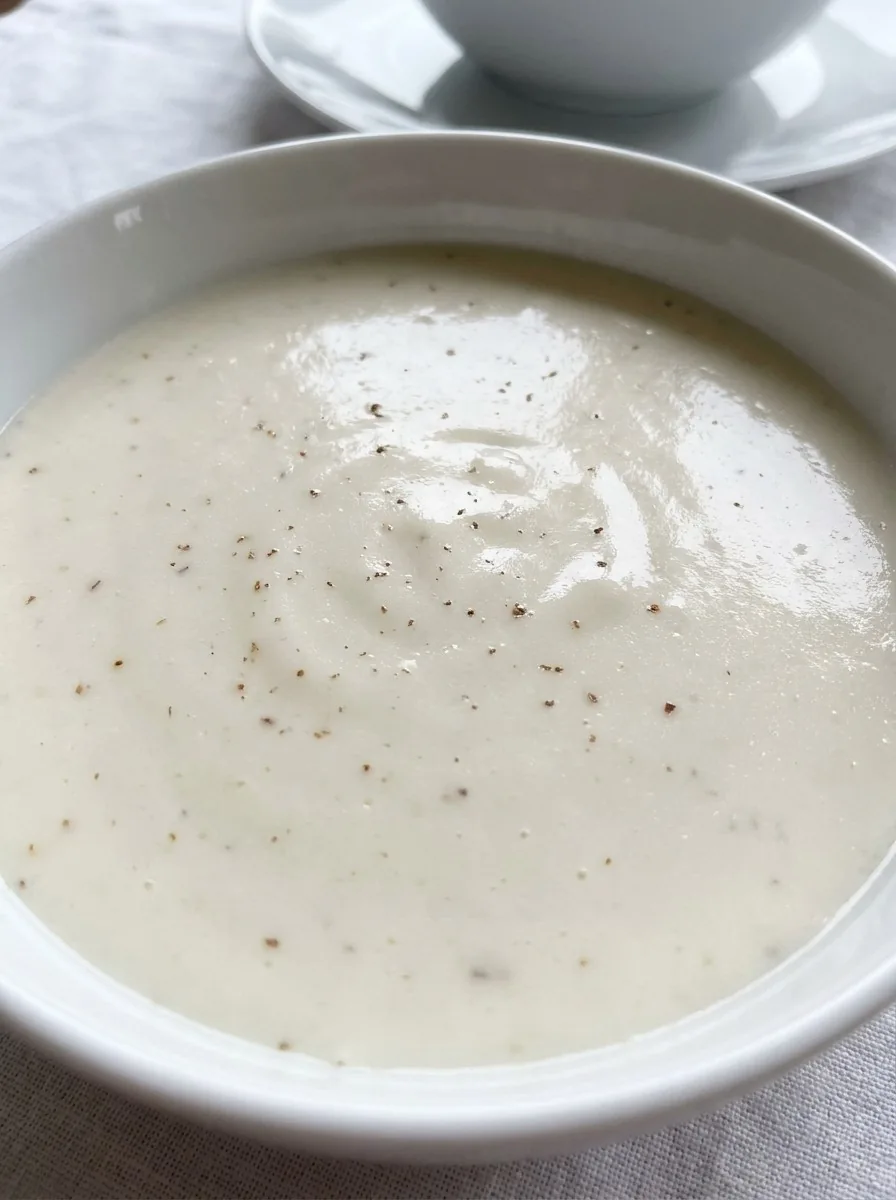
- Stir in the Dijon mustard, salt, and black pepper, tasting the sauce to ensure the tang of the mustard balances the sweetness of the cream.
- Add the white wine vinegar if the sauce tastes too rich, as the acid cuts through the fat and brightens the overall profile.
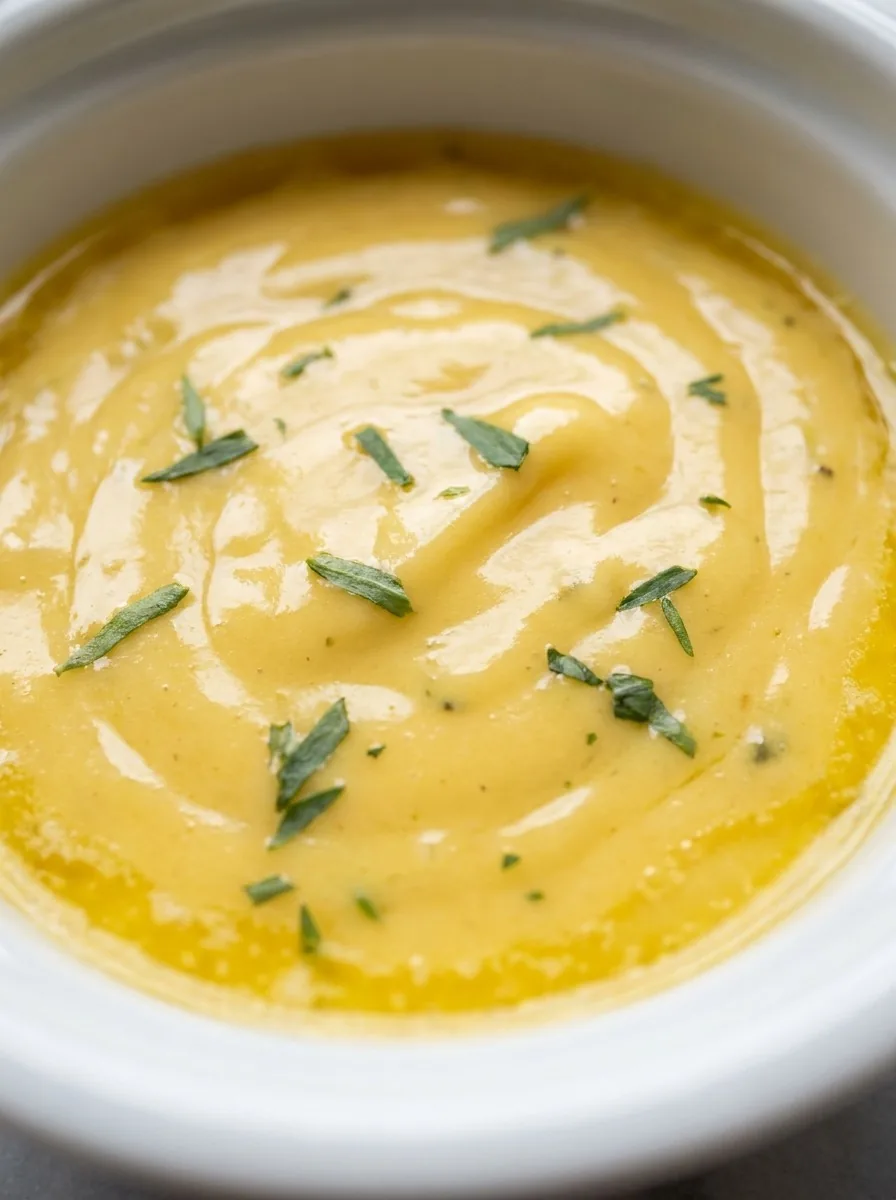
- Remove from heat and stir in the fresh chives, which release their flavor when folded in off the heat to preserve their vibrant green color.
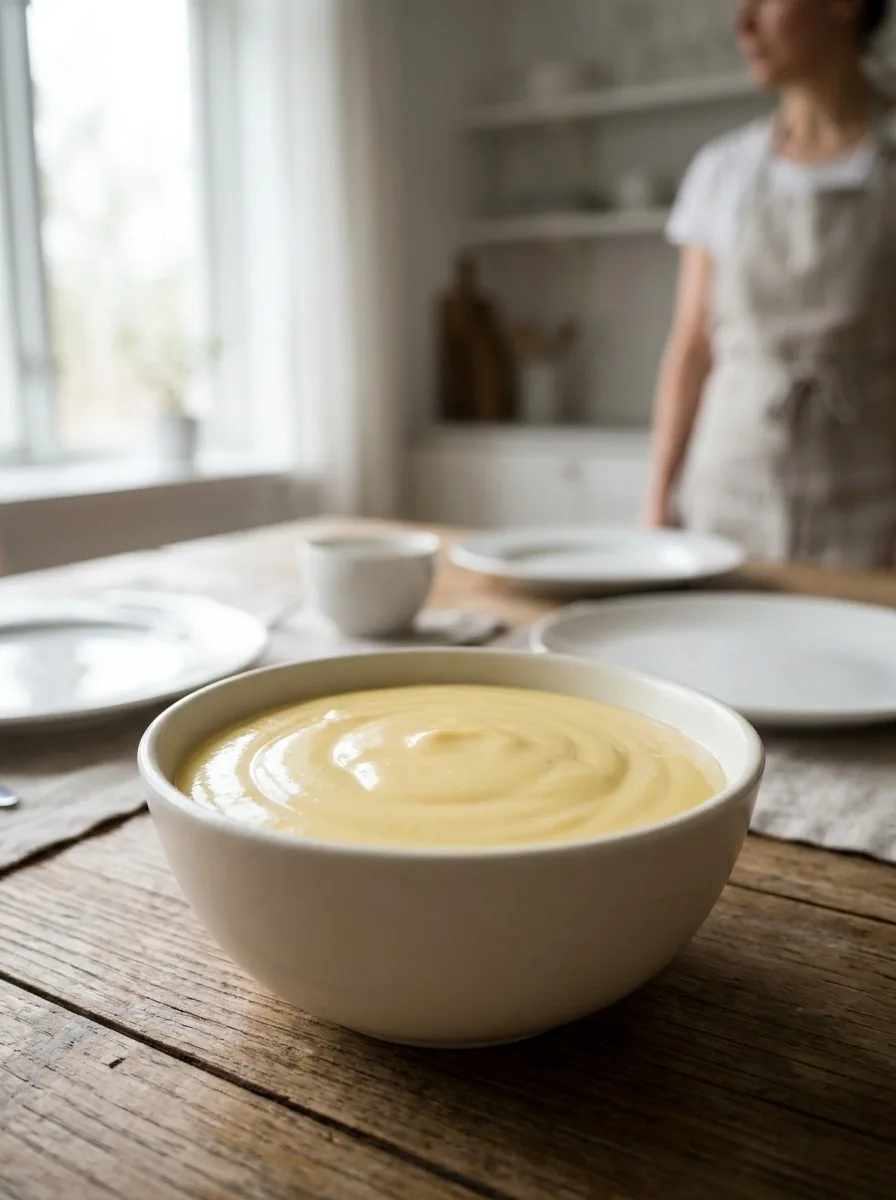
- Let the sauce cool to room temperature if serving cold, or keep it warm over very low heat if serving immediately with hot dishes.
Recipe Variations
For a herbal twist, stir in a tablespoon of fresh tarragon or thyme along with the chives. These herbs pair well with the mustard and add a floral note that enhances the complexity of the sauce. Another popular variation is adding a splash of brandy or cognac to the roux before adding the milk, which deepens the flavor profile and adds a subtle warmth.
If you prefer a lighter version, you can replace half of the heavy cream with more whole milk, though the sauce will be less velvety. For a vegan option, use a plant-based butter substitute and oat milk, but be aware that the emulsion may be less stable. You can also add a teaspoon of lemon juice instead of vinegar for a fresher, citrusy brightness that complements the mustard well.
Serving Ideas
This sauce is exceptional with grilled or pan-seared steaks, particularly ribeye or sirloin, where the richness of the meat is balanced by the tangy cream. It also pairs beautifully with roasted chicken or turkey, especially during holiday meals when you need a sauce that complements the dryness of the white meat. For seafood, it works well with scallops or salmon, though you may want to reduce the amount of mustard to avoid overpowering the delicate fish.
Vegetables can also benefit from this sauce. Broiled asparagus, roasted Brussels sprouts, or steamed green beans tossed in the warm sauce create a simple and elegant side dish. It can also be used as a dip for fresh vegetables or served over mashed potatoes for a comfort food meal. The sauce is best enjoyed warm, but it is also delicious cold as a topping for cold cuts or sandwiches.
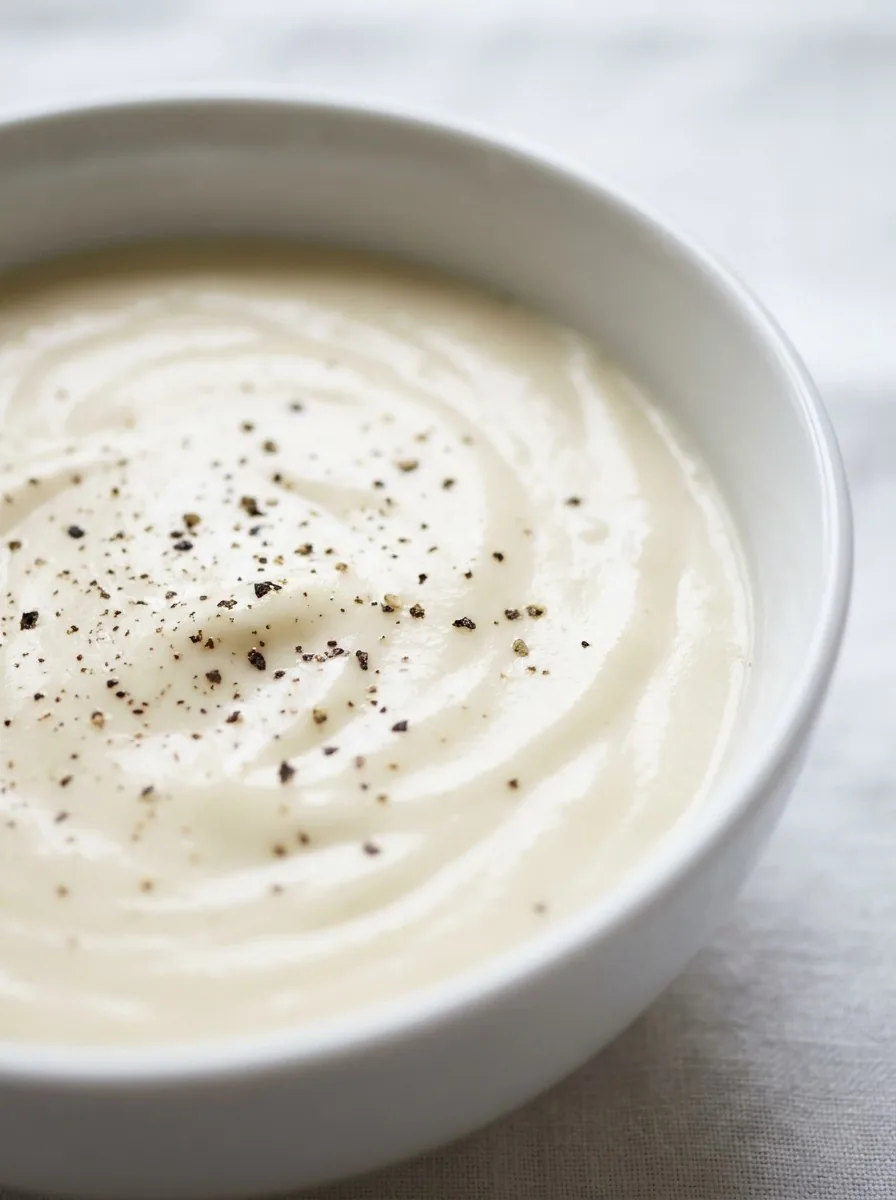
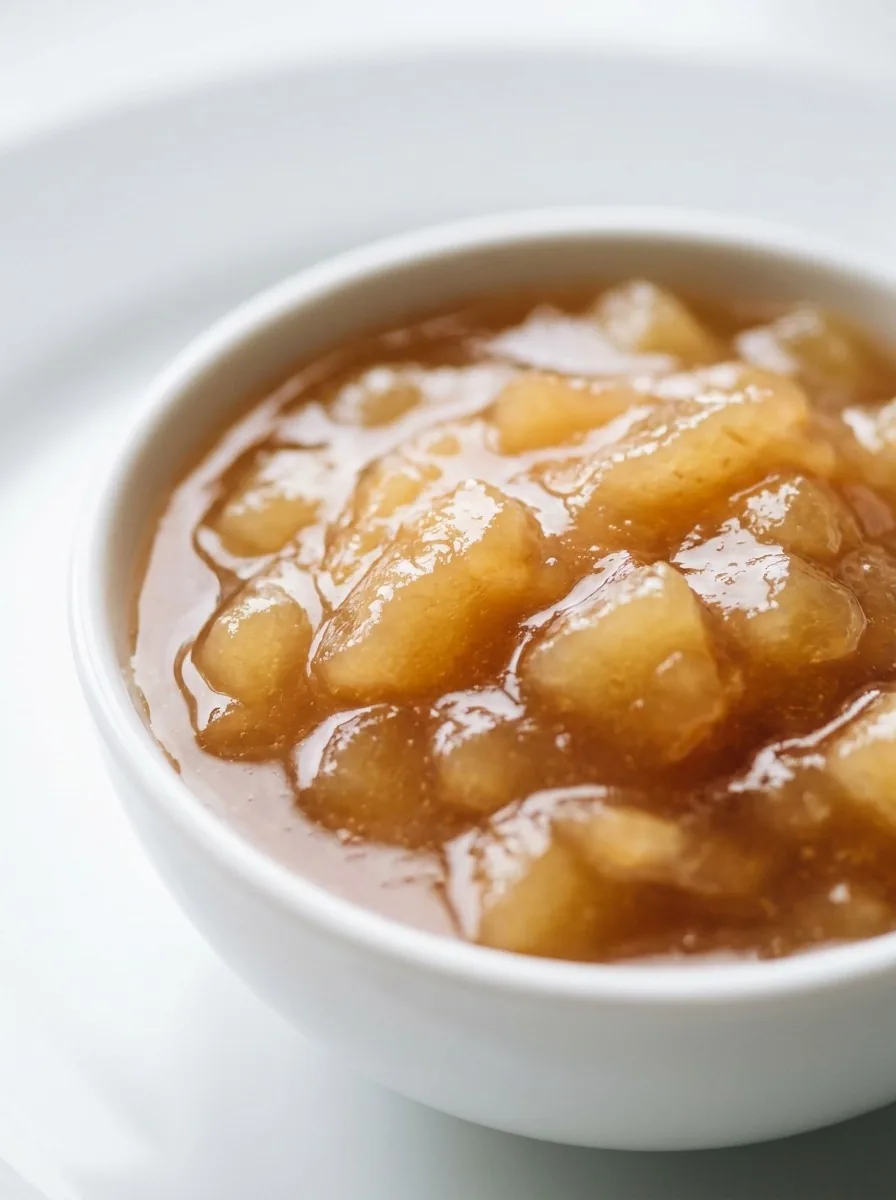
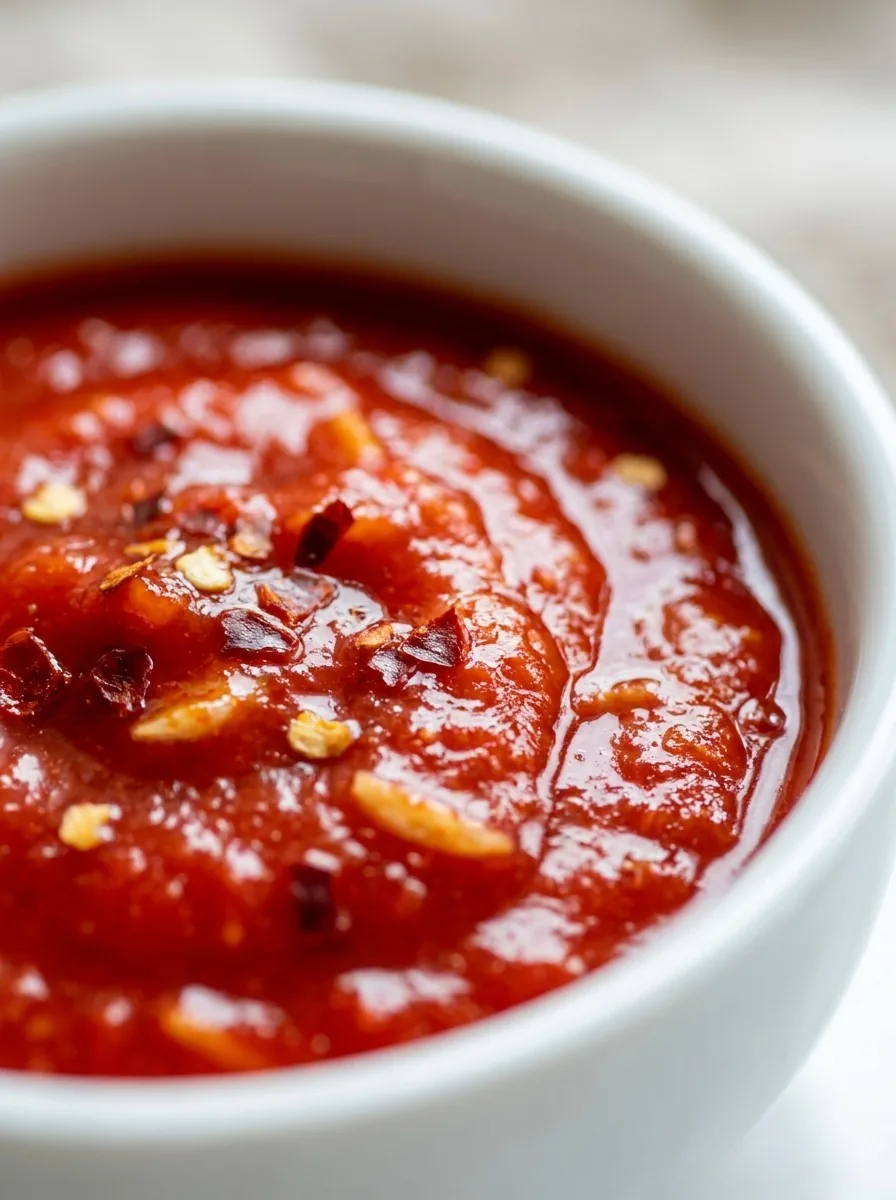
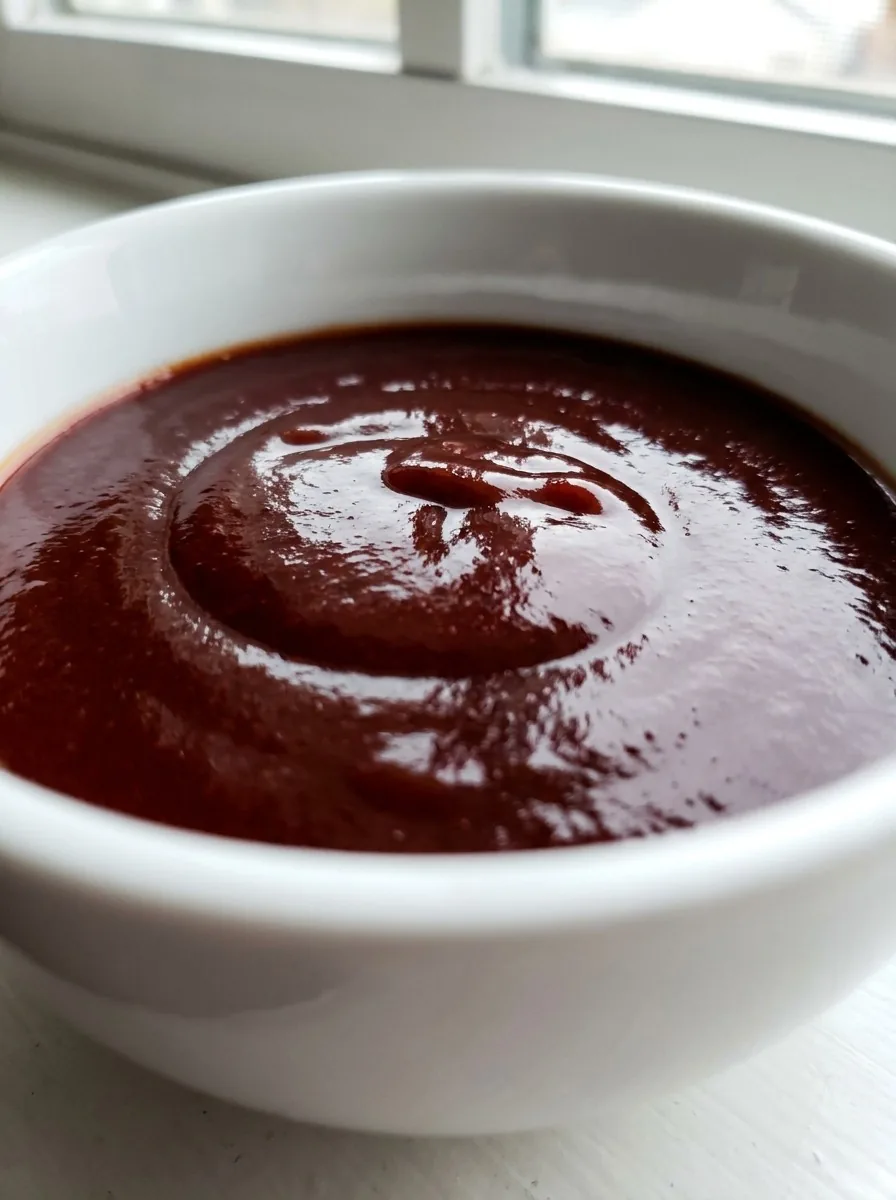
If you like making sauces from scratch, try our alfredo sauce, arrabbiata sauce, bbq sauce and bearnaise sauce next.
Keeping It Fresh
To store the sauce, transfer it to a clean, airtight container and press a piece of plastic wrap directly onto the surface of the sauce before sealing the lid. This prevents a skin from forming on top, which can happen when dairy sauces are exposed to air. Refrigerate the sauce for up to four days. It will thicken as it cools, so stir it well before reheating.
When reheating, do so gently over low heat, stirring constantly to prevent the sauce from splitting. If the sauce does separate, whisk in a small amount of cold cream or milk to re-emulsify it. Avoid boiling the sauce, as high heat can cause the dairy proteins to curdle, resulting in a grainy texture. For best results, make the sauce fresh on the day you intend to serve it.
Wrapping Up
Making this Dijon cream sauce from scratch is a rewarding experience that yields a result far superior to store-bought alternatives. The process is straightforward, requiring only basic techniques and common ingredients. The key to success lies in patience, allowing the roux to cook properly and the sauce to simmer until it reaches the desired consistency.
Whether you are serving it with a hearty dinner or using it as a dip for afternoon snacks, this sauce adds a professional touch to any meal. Experiment with the herbs and acid levels to customize it to your taste. With practice, you will be able to adjust the thickness and flavor on the fly, making it a versatile addition to your culinary repertoire. Enjoy the process and the delicious result.
Frequently Asked Questions
Can I use low-fat milk instead of whole milk?
Yes, but the sauce will be less rich and may separate more easily if not kept moving. For best results, use whole milk or cream.
Why does my sauce turn out lumpy?
Lumps occur when flour is added to butter without constant whisking or when liquid is added too quickly. Always whisk the roux thoroughly and add milk gradually.
Is this sauce suitable for gluten-free diets?
Standard flour contains gluten. You can substitute with a gluten-free flour blend, though the texture may be slightly thinner and require extra cooking time.
How long does the sauce last in the refrigerator?
Stored in an airtight container, the sauce keeps for up to four days. Stir well before reheating, as the cream may separate slightly.
Can I freeze this sauce?
Freezing is not recommended because the cream and emulsion may break upon thawing, resulting in a grainy texture. Make it fresh each time.
◆ ◆ ◆
← Back to ingredientsGet new sauce recipes
One tasty homemade sauce in your inbox each week. No spam, unsubscribe anytime.
Comments (8)