Shrimp Cocktail Sauce: Step-by-Step Instructions
On this page
Pro Tips for Better Results
Use a microplane to grate fresh horseradish if you have it; the finer texture integrates more fully and yields a cleaner heat. When sautéing shrimp, avoid overcrowding the pan—work in batches if necessary—to ensure each piece gets a proper sear and stays juicy.
For a smoother sauce, blend the mixture with an immersion blender for 10 seconds; this creates a velvety mouthfeel that mimics commercial emulsifiers. Finally, let the sauce rest for at least 10 minutes after mixing; this short resting period allows the flavors to marry, resulting in a more cohesive taste.
Instructions
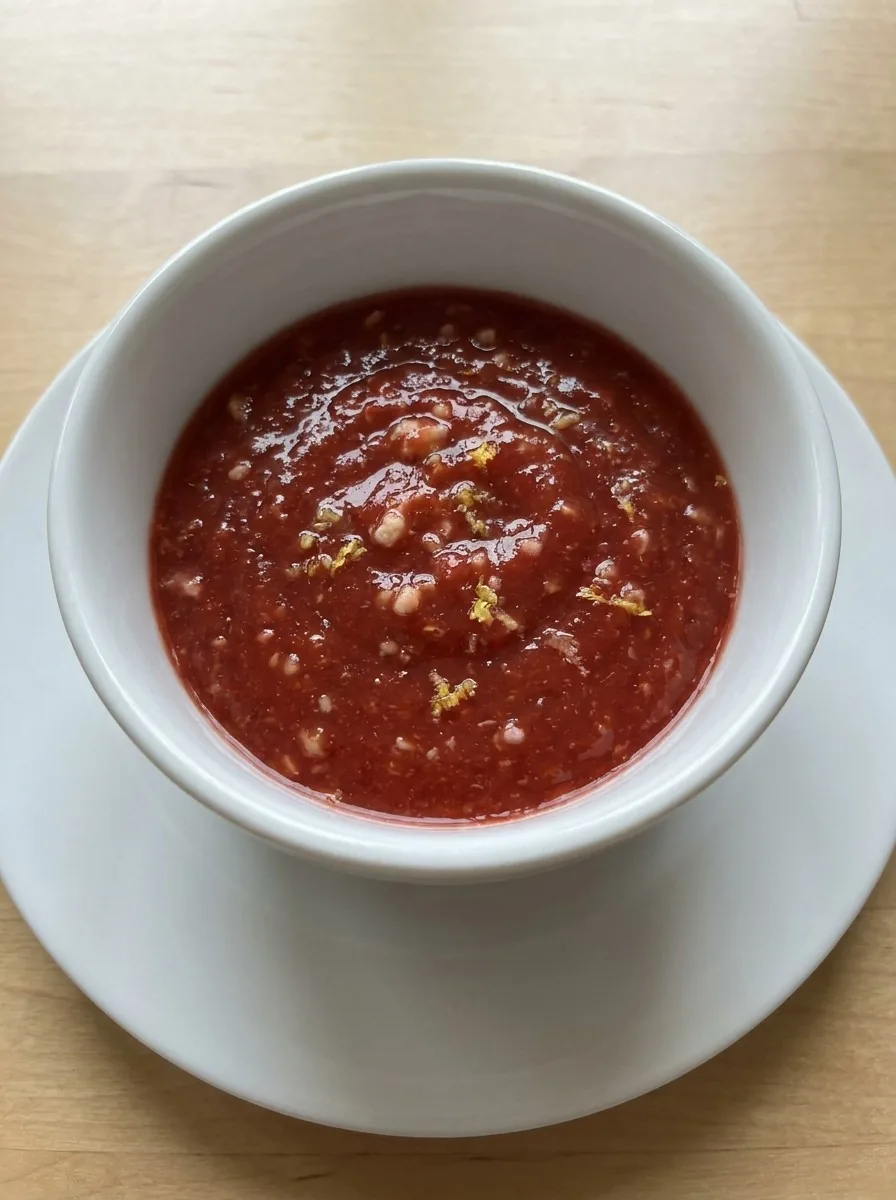
- Combine ketchup, horseradish, lemon juice, Worcestershire sauce, hot sauce, smoked paprika, garlic powder, onion powder, salt, and pepper in a medium bowl; whisk until the mixture is uniform and glossy, which helps the flavors meld quickly.
- Taste the sauce and adjust seasoning by adding a few more drops of lemon juice for brightness or a pinch more salt for depth, remembering that the shrimp will add a subtle briny note later.
- Pat the shrimp dry with paper towels; removing excess moisture ensures a quick sear and prevents the sauce from becoming watery when mixed later.
- Heat olive oil in a skillet over medium‑high heat; the oil should shimmer but not smoke, which indicates the right temperature for a rapid sauté.
- Add the shrimp to the hot pan in a single layer, cooking for about 1½ minutes per side until they turn pink and opaque, which signals they are fully cooked yet still tender.
- Transfer the cooked shrimp to a plate and let them rest for a minute; this pause allows the juices to redistribute, keeping the shrimp juicy when tossed with the sauce.
- If you prefer a warm presentation, gently reheat the sauce over low heat for 2‑3 minutes, stirring constantly to avoid scorching; otherwise, chill the sauce in the refrigerator for at least 10 minutes for a refreshing cold dip.
- Combine the shrimp and sauce in a serving bowl, tossing lightly to coat each piece evenly; serve immediately, allowing guests to enjoy the contrast of warm shrimp with cool sauce or vice versa.
Recipe Variations
If you prefer a milder sauce, halve the horseradish and increase the ketchup by a tablespoon; the result is sweeter and less pungent, ideal for children. For a smoky twist, substitute smoked paprika with chipotle powder and add a splash of liquid smoke, but be careful not to overpower the shrimp.
Vegetarian? Swap the shrimp for firm tofu cubes or large cooked shrimp‑size mushrooms, and the sauce works just as well. You can also turn the sauce into a spread for sandwiches by adding a tablespoon of cream cheese, which mellows the heat and creates a creamy texture.
Serving Ideas
Serve the sauce in a chilled glass bowl with a garnish of lemon wedges and a sprinkle of chopped fresh parsley for visual appeal. Pair it with a simple mixed greens salad dressed in a light vinaigrette to balance the richness of the sauce.
For a party platter, arrange the shrimp on a bed of crushed ice and place the sauce in a small ramekin beside it; guests can dip each piece individually. If you enjoy a warm presentation, drizzle the warm sauce over the shrimp on a serving plate and garnish with a dash of smoked paprika for a pop of color.
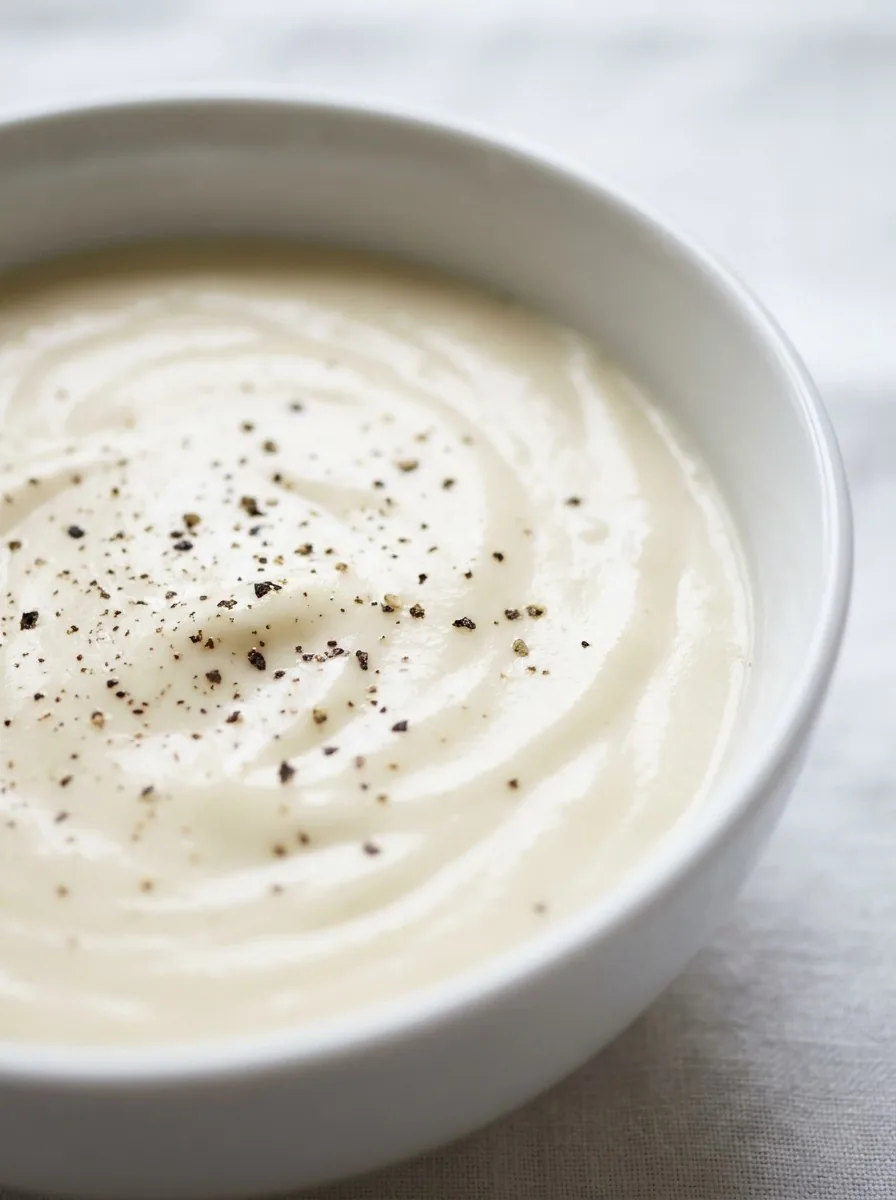
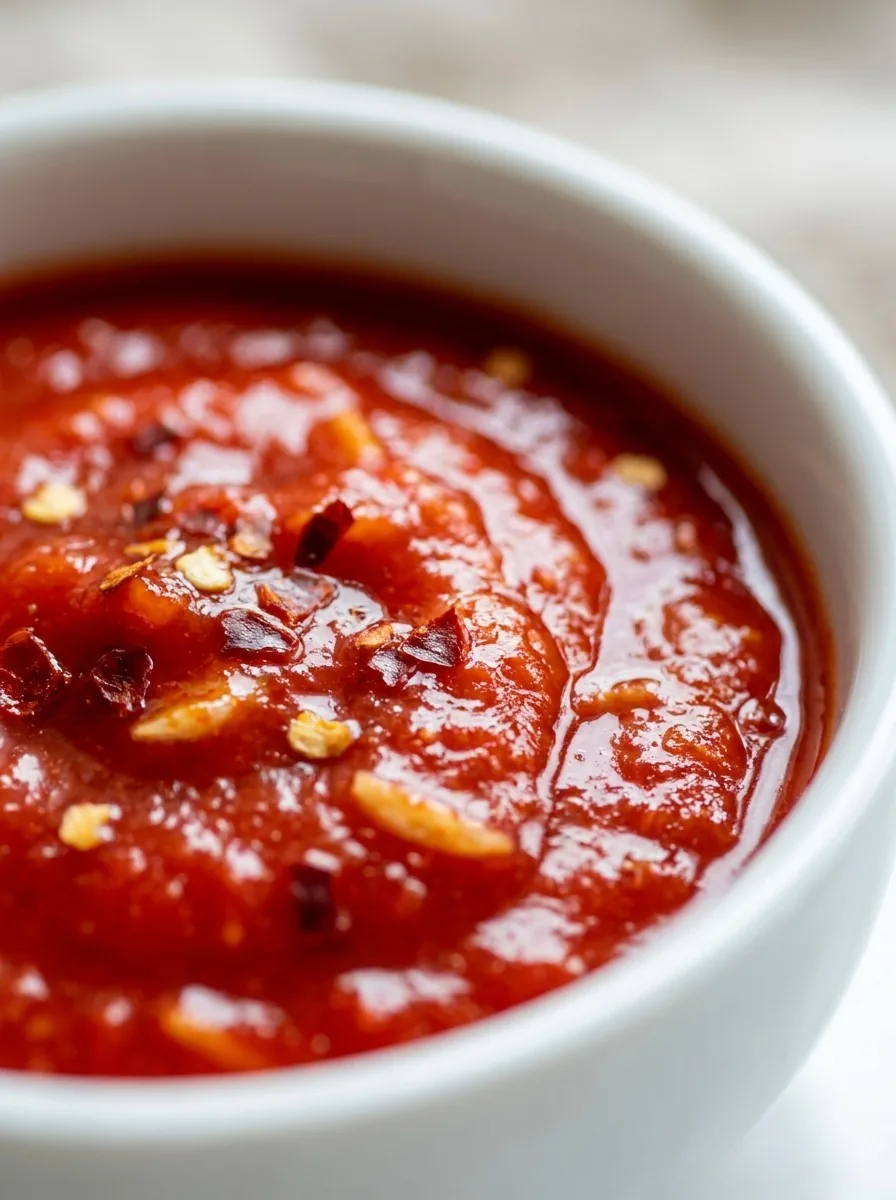
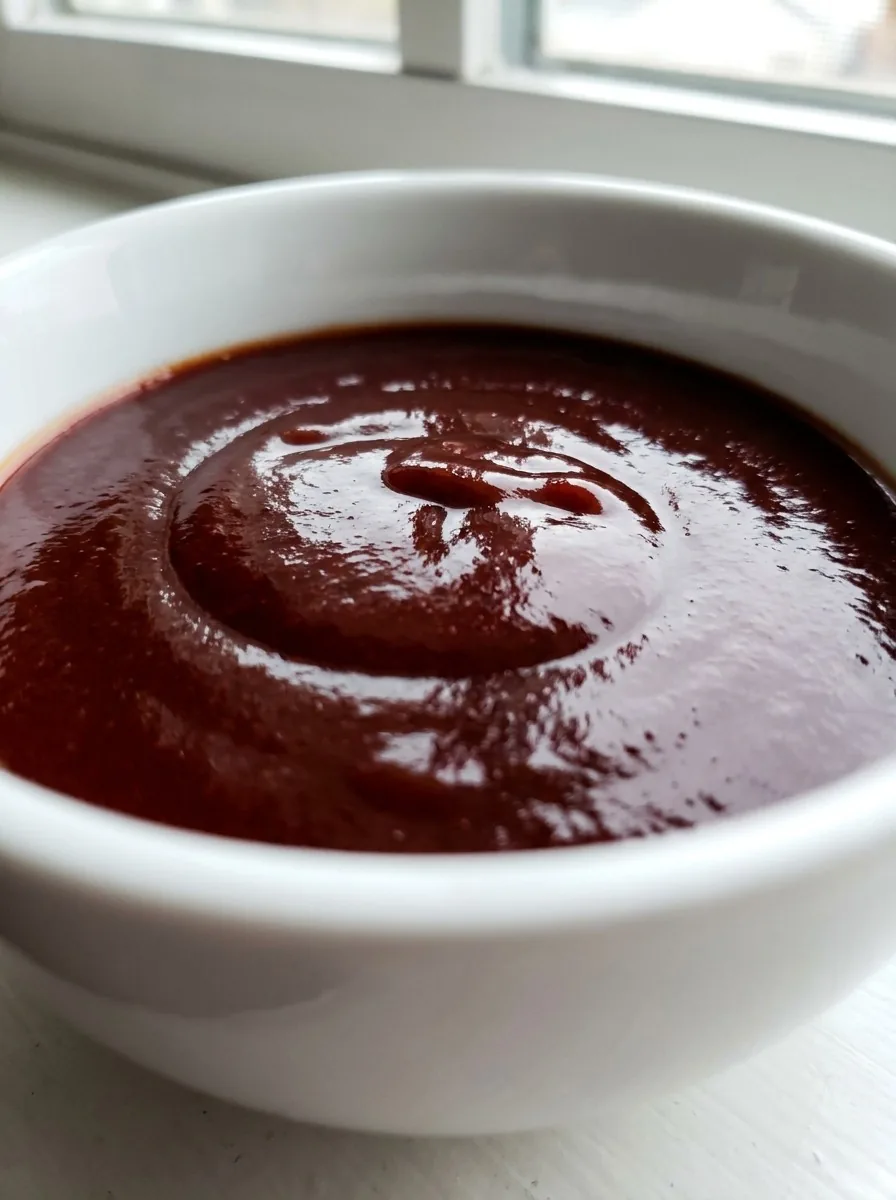
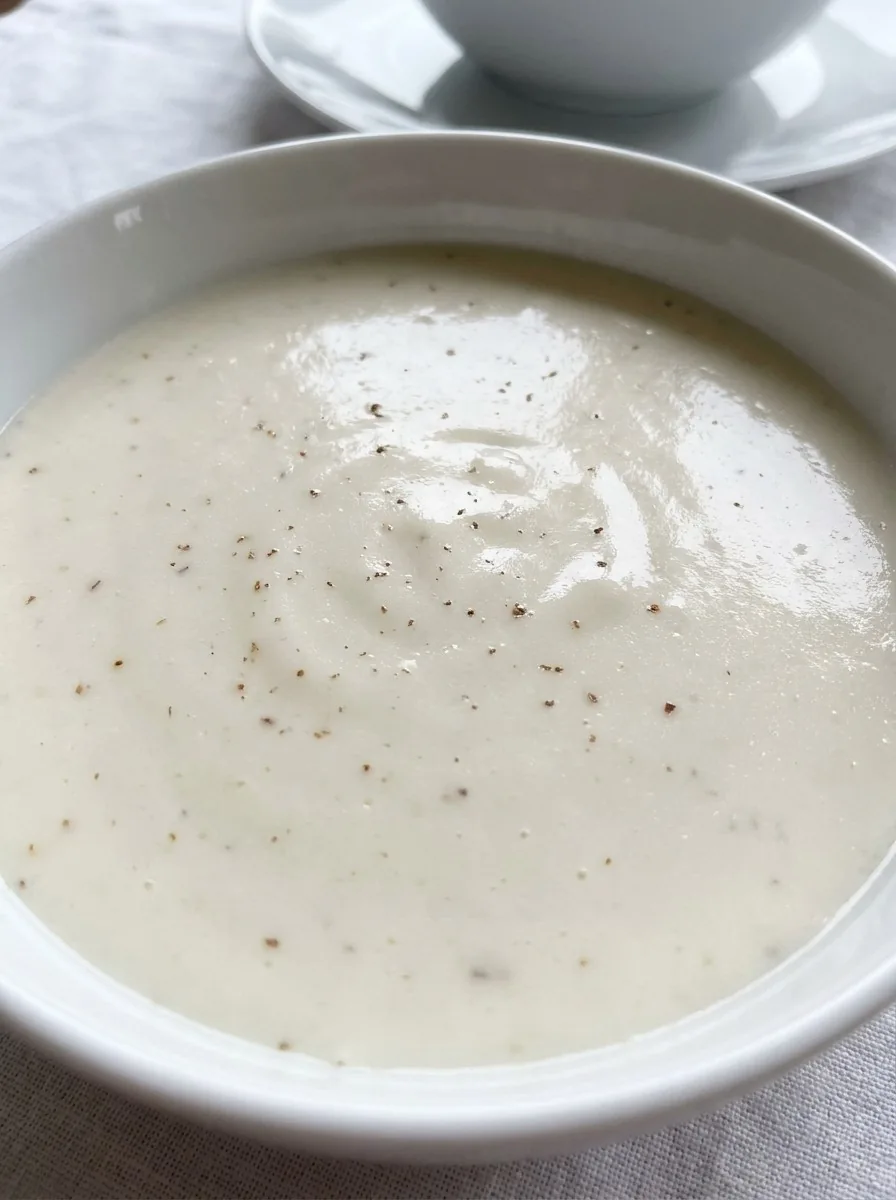
If you like making sauces from scratch, try our alfredo sauce, arrabbiata sauce, bbq sauce and bechamel white sauce next.
Keeping It Fresh
Store any leftover sauce in a sealed container in the refrigerator for up to three days; the flavors will continue to develop, becoming slightly more mellow. If the sauce appears to separate after storage, simply whisk it vigorously or give it a quick blend before serving.
Cooked shrimp can be kept refrigerated for 24 hours; reheat gently in a skillet with a splash of water to prevent drying out, or serve cold directly from the fridge for a classic chilled cocktail experience.
Wrapping Up
By using everyday pantry ingredients and a straightforward technique, this shrimp cocktail sauce brings a beloved classic to your table without the need for store‑bought shortcuts. The recipe’s flexibility lets you adjust heat, sweetness, and even the protein component to suit any palate or dietary need. Whether you serve it warm for a comforting appetizer or chilled for a refreshing summer bite, the sauce’s bright, balanced flavor profile shines every time.
Take a moment to enjoy the simple pleasure of creating a restaurant‑quality dish in your own kitchen, and feel free to experiment with the variations suggested. Happy cooking, and may your next gathering be flavored with the perfect blend of tang, spice, and succulent shrimp.
Frequently Asked Questions
Can I make this sauce ahead of time?
Yes, the sauce can be prepared up to 24 hours in advance; store it in an airtight container in the refrigerator and give it a quick stir before serving.
What type of shrimp works best?
Large, peeled, and deveined shrimp (about 21–25 count per pound) provide the ideal texture and flavor; smaller shrimp can be used but may require a shorter cooking time.
Is fresh horseradish necessary?
Prepared horseradish works fine, but if you have fresh root, grate about 1 tsp and you’ll get a brighter, more pungent kick.
Can I substitute the ketchup with another base?
Tomato puree or a blend of tomato sauce and a touch of sugar can replace ketchup; adjust the sweetness to maintain balance with the acidic lemon.
How do I keep the sauce from separating when warmed?
Warm the sauce gently over low heat while stirring constantly; avoid boiling, which can cause the oil in the ketchup to separate.
◆ ◆ ◆
← Back to ingredientsGet new sauce recipes
One tasty homemade sauce in your inbox each week. No spam, unsubscribe anytime.
Comments (6)