Creamy Chipotle Sauce: Step-by-Step Instructions
On this page
Pro Tips for Better Results
To achieve a smoother texture, blend the peppers with the hot soaking liquid first. The heat helps break down the fibers more effectively than cold water would. If you do not have a high-powered blender, consider straining the blended mixture through a fine-mesh sieve to remove any remaining skin fragments, ensuring a completely silky finish.
Do not skip the step of adding the acid off the heat or at the very end of the simmer. Adding acidic liquids like vinegar or lime juice to hot dairy can cause it to curdle instantly. By adding them after the sauce has been removed from the direct heat, you preserve the creamy integrity of the base while still incorporating the necessary bright, tangy notes that cut through the richness.
Instructions
- Rehydrate the dried chipotle peppers in hot water for ten minutes to soften them, which allows the blender to break them down into a smooth paste without straining the motor.
- Drain the rehydrated peppers, reserving the soaking liquid, and remove the stems and seeds if you prefer a milder heat profile, as the seeds contain much of the capsaicin.
- Combine the softened peppers, adobo sauce, chicken broth, and half of the milk in a high-powered blender, blending on high until the mixture is completely smooth, ensuring no fibrous bits remain for a professional texture.
- Add the heavy cream, remaining milk, lime juice, and vinegar to the blender, pulsing briefly to incorporate the acidity and fat, which helps emulsify the sauce and prevent it from separating later.
- Transfer the blended mixture to a saucepan and place it over medium-low heat, stirring occasionally, to gently warm the sauce without bringing it to a boil, which would cause the dairy to curdle.
- Stir in the sugar, salt, cumin, garlic powder, white pepper, and smoked paprika, allowing the spices to simmer for three to five minutes so their flavors fully infuse the liquid base.
- Taste the sauce and adjust the seasoning with additional salt or lime juice, as the natural sweetness of the adobo varies by brand, ensuring a balanced interplay of heat, acid, and savory notes.
- Remove the sauce from the heat and let it cool slightly, then stir in a splash of the reserved soaking liquid if the sauce is too thick, achieving a pourable consistency that coats food evenly.
- Transfer the finished sauce to a clean, airtight glass jar, ensuring it is completely sealed, to prepare for immediate use or refrigeration, where it will thicken slightly as it cools.
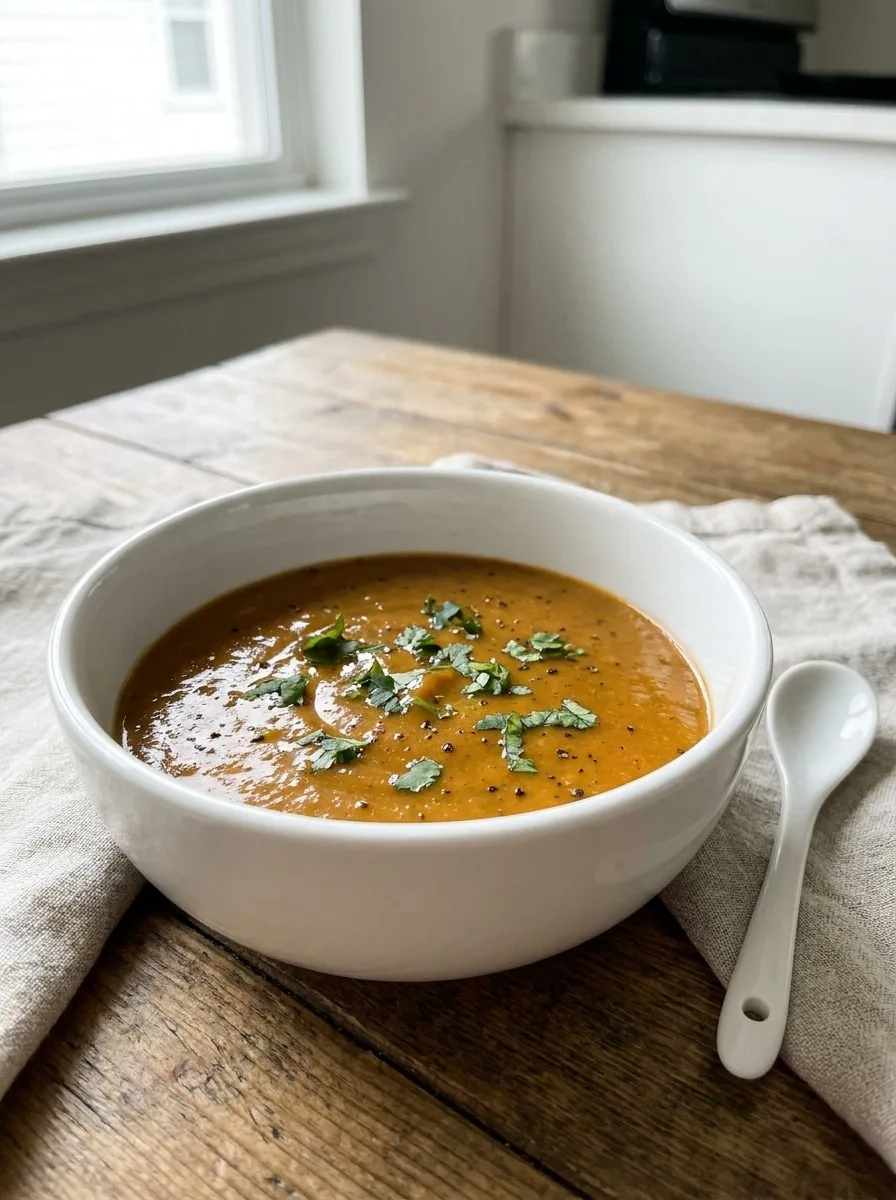
Recipe Variations
For a vegan version, substitute the chicken broth with vegetable broth and replace the heavy cream and milk with a high-fat coconut milk or cashew cream. The coconut milk adds a subtle sweetness that pairs well with the smoky chiles, while the cashew cream offers a neutral, creamy base that mimics the texture of dairy without the animal products.
If you prefer a tangier profile, add a tablespoon of diced pickled jalapeños to the blender. This introduces a fresh, sharp heat that contrasts with the slow-burning smokiness of the dried chipotles. You can also experiment with adding a small amount of roasted garlic instead of garlic powder to give the sauce a deeper, caramelized savory note that enhances the overall complexity.
Serving Ideas
This sauce is incredibly versatile and can be served warm or cold. Drizzle it over chicken enchiladas or burritos just before serving to add a rich, smoky layer. It also pairs exceptionally well with eggs, such as huevos rancheros or a simple omelet, where the creaminess complements the richness of the yolks.
For a cold application, use it as a dip for tortilla chips or fresh vegetables. It works beautifully as a marinade for grilled chicken or fish, where the acid helps tenderize the meat while the spices infuse flavor. You can also use it as a topping for loaded baked potatoes or as a creamy dressing for grilled vegetable salads.
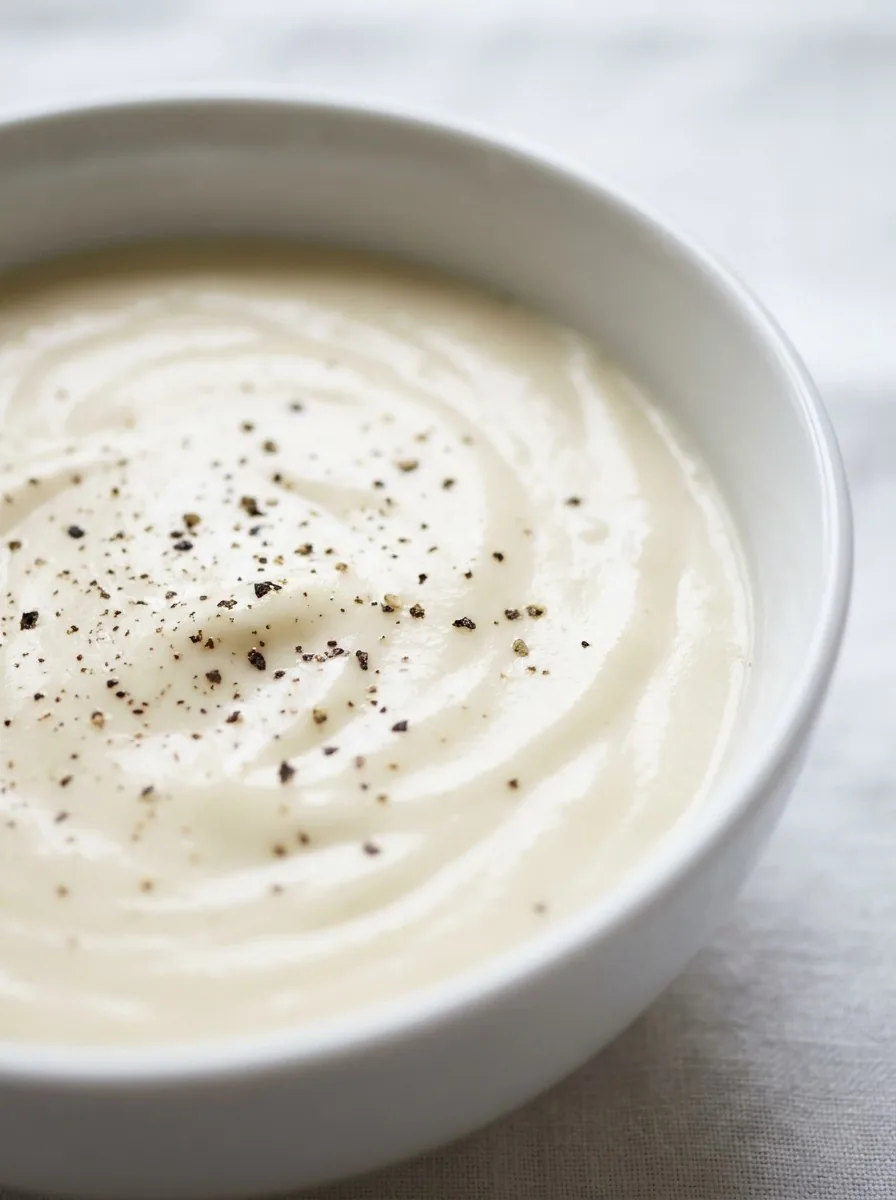
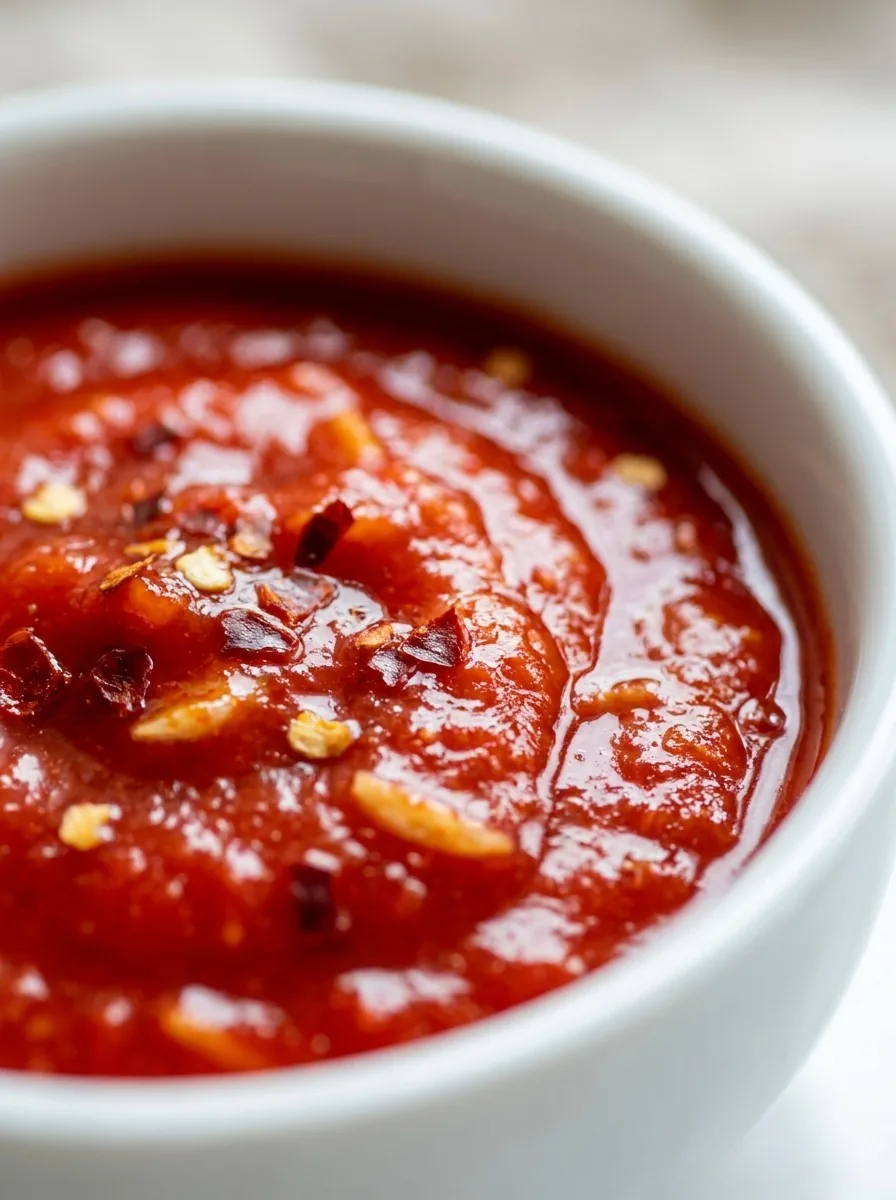
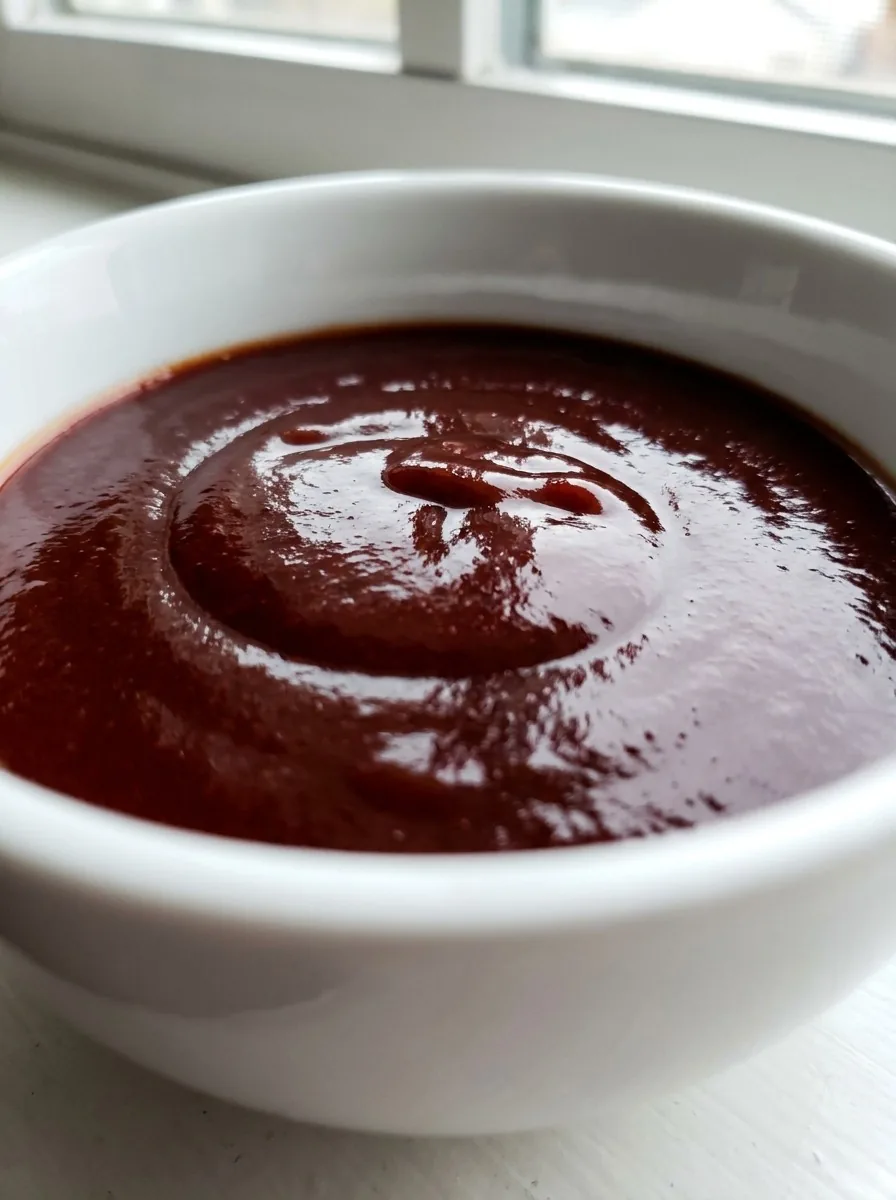
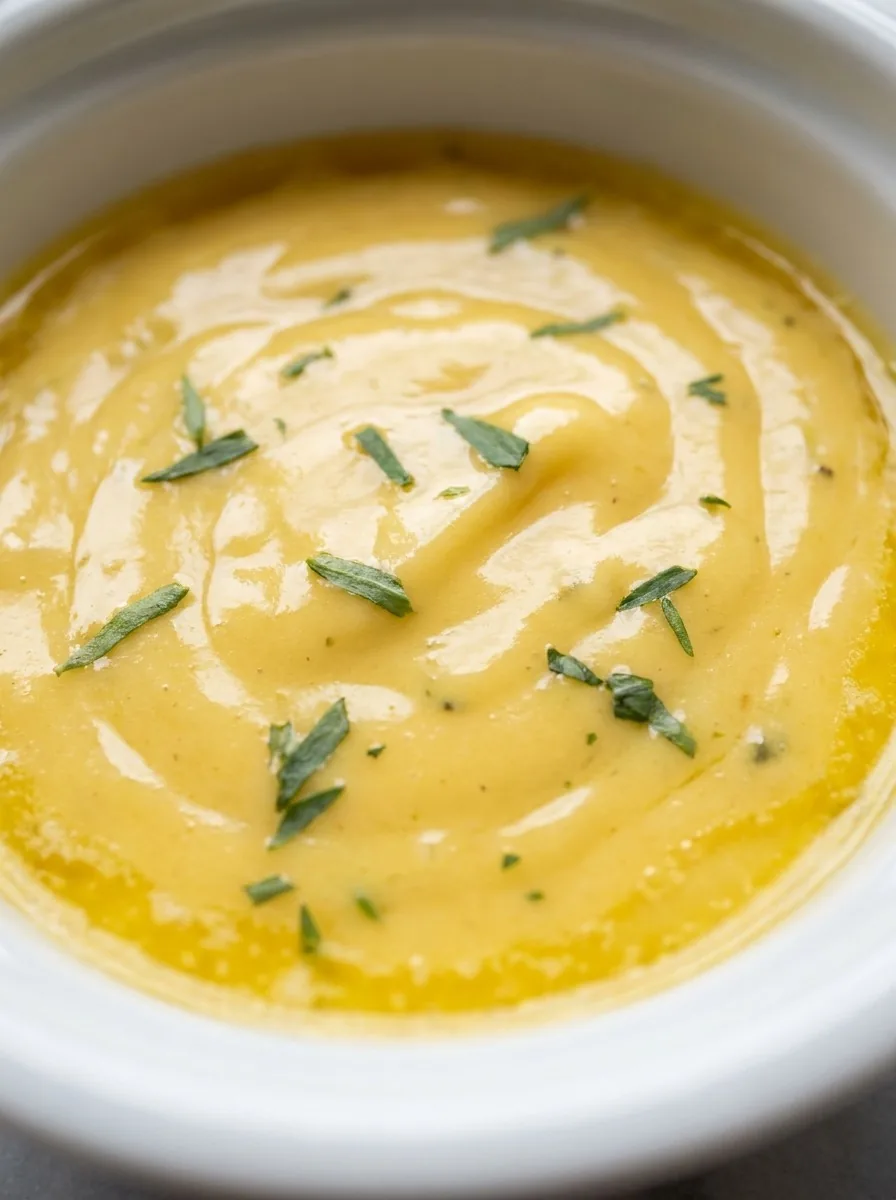
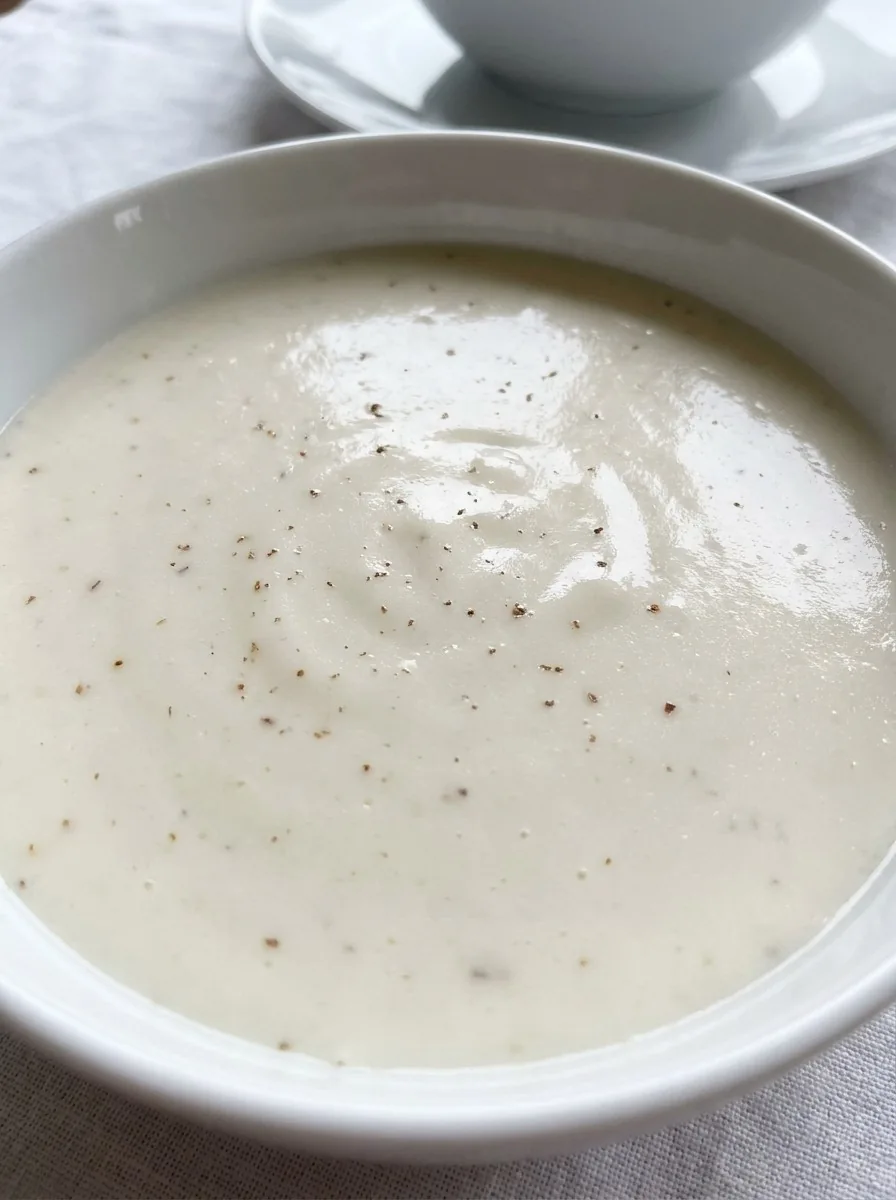
If you like making sauces from scratch, try our alfredo sauce, arrabbiata sauce, bbq sauce and bechamel white sauce next.
Keeping It Fresh
To maximize the shelf life of your homemade chipotle sauce, store it in a clean, glass jar with a tight-fitting lid. Glass is preferred over plastic because it does not absorb odors or flavors, keeping the sauce pure. Ensure the sauce has cooled to room temperature before sealing the jar to prevent condensation from forming inside the lid, which can lead to spoilage.
When storing in the refrigerator, place the jar in the coldest part of the fridge, usually the back of the middle shelf. Avoid storing it in the door, as the temperature fluctuates there can affect the consistency and safety of the dairy-based sauce. Check the sauce periodically for any signs of mold or off-odors, and discard it if you notice any separation that does not re-incorporate with stirring.
Wrapping Up
Crafting your own chipotle sauce allows you to control the heat level and the depth of flavor, something that is difficult to achieve with commercial products. The process is straightforward and quick, requiring only basic pantry staples and a blender. The result is a rich, smoky, and tangy condiment that elevates simple dishes to new heights.
Once you have mastered this base, feel free to experiment with different spices or add-ins to tailor it to your specific taste preferences. Whether you are serving it with a hearty dinner or using it as a quick dip for snacks, this homemade sauce is a reliable and flavorful addition to any meal. Enjoy the smoky, creamy goodness you created from scratch.
Frequently Asked Questions
Can I use fresh chipotle peppers instead of dried?
Yes, but the flavor profile will be lighter. Fresh chipotles are simply smoked jalapeños, so they lack the deep, concentrated smokiness of the dried version. If using fresh, you may need to add a pinch of smoked paprika to compensate for the lost depth.
Why does my sauce turn out too spicy?
The heat comes from the capsaicin in the peppers and seeds. To reduce heat, remove the seeds and membranes from the peppers before blending. You can also increase the amount of cream or milk to dilute the intensity without altering the flavor base.
How long does this sauce last in the fridge?
When stored in an airtight container in the refrigerator, this sauce will keep for up to two weeks. Always use a clean spoon when serving to prevent bacterial growth from introducing moisture and contaminants.
Can I freeze this sauce?
Yes, freezing works well for up to three months. Allow the sauce to thaw in the refrigerator overnight and stir it well before serving, as the texture may become slightly grainy due to the dairy separation, though the flavor remains intact.
Is this sauce suitable for vegetarians?
To make it vegetarian, substitute the chicken broth with vegetable broth. The rest of the ingredients are plant-based or dairy, making it fully compatible with a vegetarian diet as long as you use the appropriate stock.
◆ ◆ ◆
← Back to ingredientsGet new sauce recipes
One tasty homemade sauce in your inbox each week. No spam, unsubscribe anytime.
Comments (6)