Easy Cheddar Cheese Sauce: Step-by-Step Instructions
On this page
Pro Tips for Better Results
For an ultra‑smooth sauce, strain the mixture through a fine sieve after adding the cheese; this removes any lumps and yields a silkier texture. If you prefer a thicker sauce, add a teaspoon of cornstarch dissolved in a tablespoon of cold milk before heating; it will set the sauce without altering flavor. To keep the sauce from drying out on the stovetop, cover the saucepan loosely with a lid; this traps steam and maintains moisture. When reheating, do so over low heat and stir frequently; this prevents the sauce from scorching on the bottom. Finally, taste as you go—adding a pinch of salt or a dash of cayenne pepper can personalize the flavor to your palate.
Instructions
- 1. In a medium saucepan, melt the butter over medium heat until foamy, but not browned; this prevents a bitter taste and keeps the base smooth.
- 2. Sprinkle the flour over the butter and whisk constantly for 1 minute; the roux thickens the sauce without developing a nutty flavor.
- 3. Gradually pour in the milk and cream while whisking; this gradual addition avoids lumps and ensures a silky texture.
- 4. Add the garlic and onion powders, stirring to distribute the spices evenly; they provide depth without overpowering the cheese.
- 5. Bring the mixture to a gentle simmer, then reduce heat to low and stir in the cheddar and Parmesan; low heat prevents the cheese from separating.
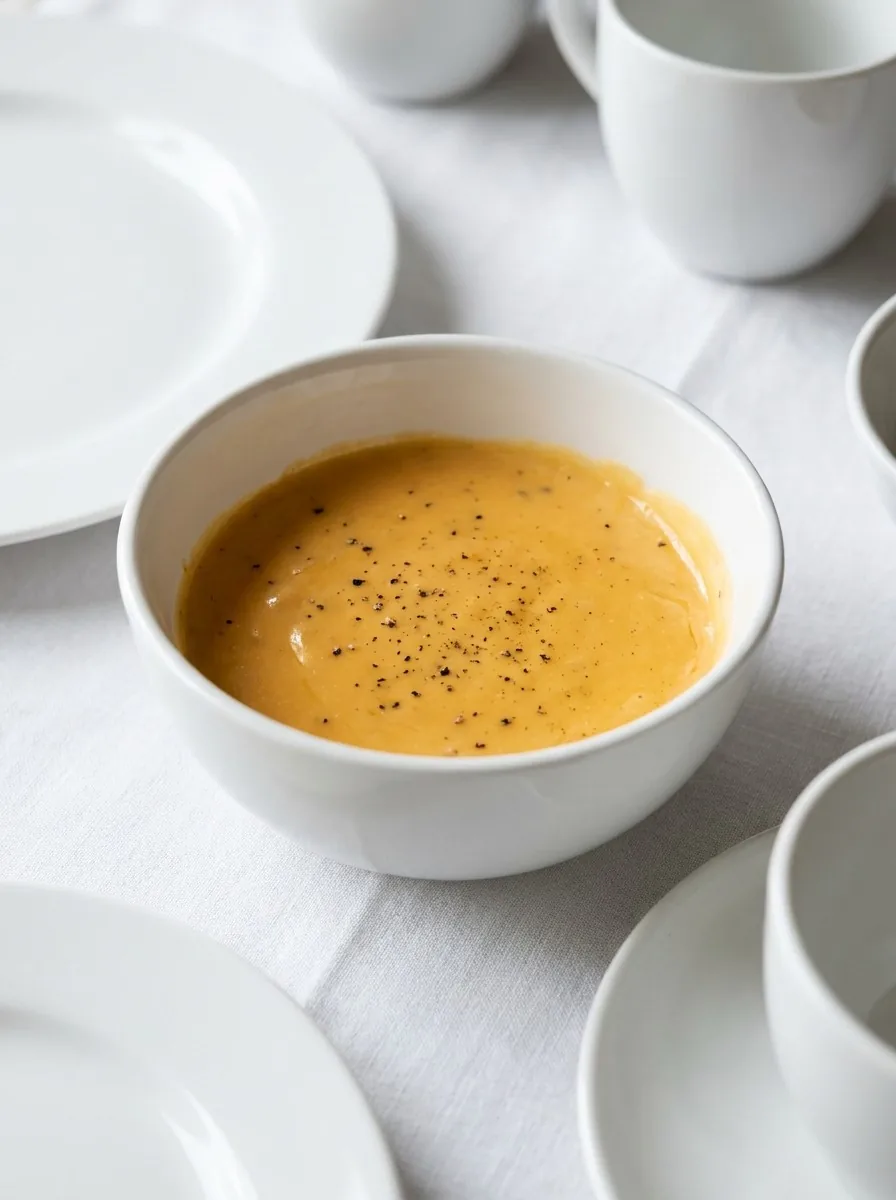
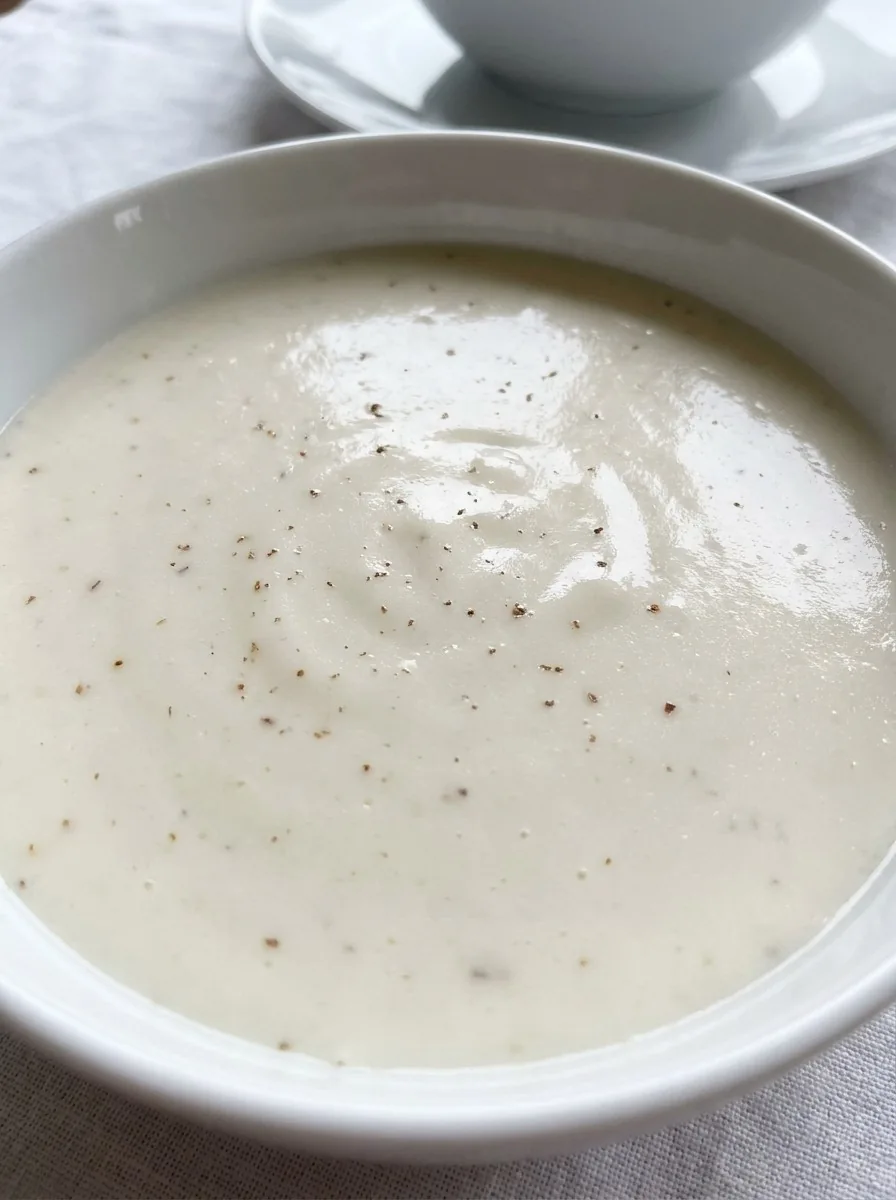
- 6. Cook for 3 to 4 minutes, stirring frequently, until the cheese melts completely; the sauce should be glossy and smooth.
- 7. Season with black pepper, paprika, and lemon juice; the pepper adds bite, paprika a hint of smokiness, and lemon juice brightens the richness.
- 8. Remove from heat and stir in fresh chives; this adds a fresh, herbal note that cuts through the creaminess.
- 9. Let the sauce sit for 1 minute before serving; this allows the flavors to meld and the sauce to thicken slightly.
Recipe Variations
Swap the cheddar for a smoked cheese blend to add a subtle barbecue flavor that pairs beautifully with grilled meats. For a dairy‑free version, replace the milk and cream with a plant‑based milk such as oat or soy, and use a vegan cheese alternative; keep the roux the same for consistency. If you’re craving a spicy kick, stir in a tablespoon of salsa or a pinch of chipotle powder during the final heat‑off stage. For a Mediterranean twist, add a tablespoon of sun‑dried tomato paste and finish with fresh basil. Finally, experiment with adding a splash of white wine before the cheese to introduce a subtle acidity that brightens the sauce.
Serving Ideas
Pour the sauce over al dente spaghetti, then top with a sprinkle of grated Parmesan and fresh parsley for a classic comfort dish. Use it as a creamy coating for baked potato wedges, drizzling it over the top just before serving. For a quick taco fix, spoon the sauce into soft tortillas with shredded chicken, black beans, and a dash of lime. Dip roasted vegetables or crispy tortilla chips into the sauce for a satisfying snack. Finally, pour it over steamed broccoli or cauliflower for a low‑calorie, high‑protein side that’s both creamy and nutritious.
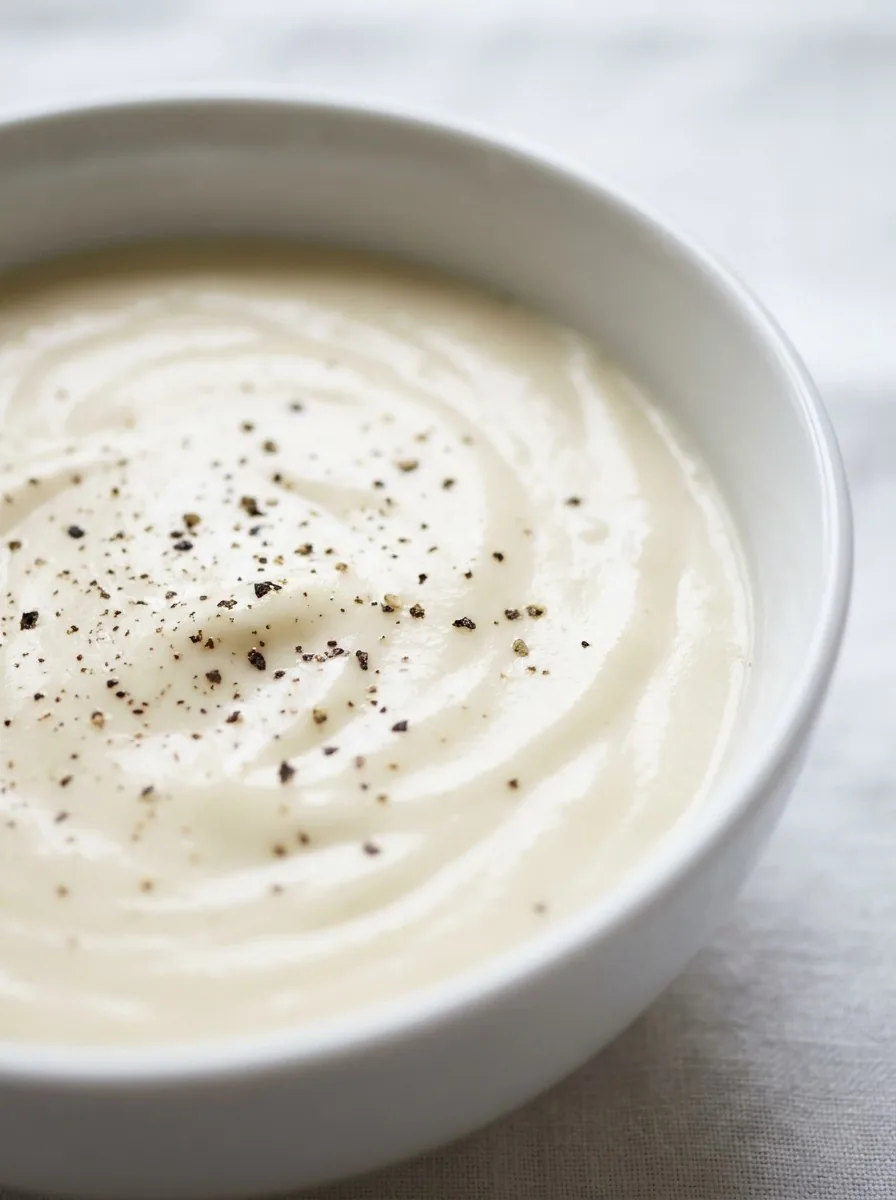
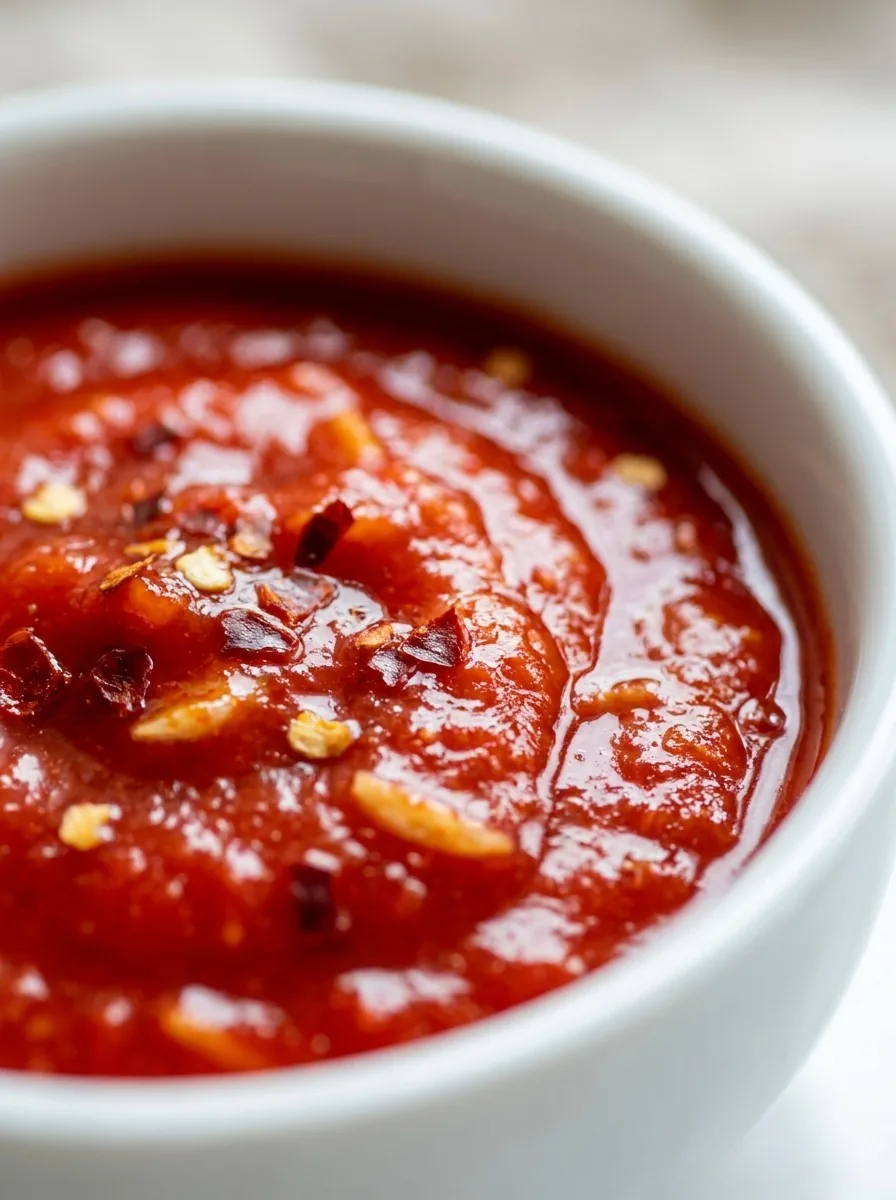
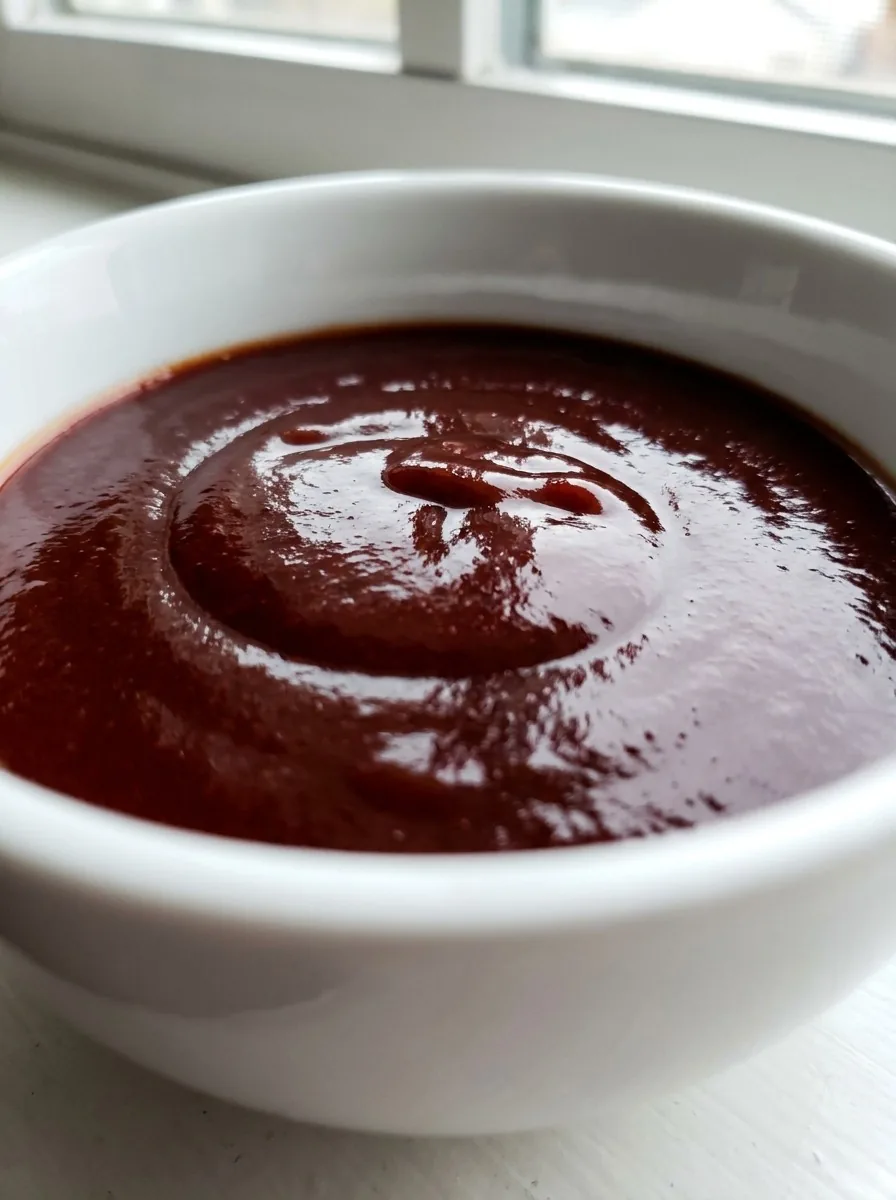
If you like making sauces from scratch, try our alfredo sauce, arrabbiata sauce, bbq sauce and bechamel white sauce next.
Keeping It Fresh
Store the sauce in a sealed container in the refrigerator for up to two days. When reheating, add a splash of milk or cream and stir gently over low heat to restore the original consistency. For longer storage, freeze the sauce in an airtight container for up to three months; thaw overnight in the refrigerator and gently reheat, whisking to break any ice crystals. Always use a clean utensil to scoop out portions, preventing bacterial growth and extending shelf life.
Wrapping Up
This easy cheddar cheese sauce proves that you can create restaurant‑quality flavor with just a handful of pantry staples and a little technique. The roux foundation, careful heat management, and the blend of sharp cheddar with Parmesan deliver a sauce that’s both creamy and complex. Whether you serve it warm over pasta, drizzle it over roasted vegetables, or let it chill for a dip, the sauce remains versatile and dependable. Remember to whisk constantly and keep the heat low to avoid separation, and feel free to experiment with variations to suit your taste. With this recipe in your culinary toolkit, you’ll have a go‑to sauce that impresses guests and satisfies cravings in minutes.
Frequently Asked Questions
Can I use a different type of cheese?
Yes, try a blend of Monterey Jack and mozzarella for a milder, melty sauce, or use aged Gouda for a richer flavor.
What if I don’t have heavy cream?
Replace it with an equal volume of whole milk; the sauce will be slightly lighter but still creamy.
How do I prevent the sauce from separating?
Whisk continuously, keep the heat low, and avoid boiling; adding the cheese gradually also helps maintain emulsification.
Can I make this sauce ahead of time?
Yes, refrigerate in an airtight container for up to 2 days; reheat gently over low heat, adding a splash of milk if needed.
Is this sauce gluten‑free?
If you use a gluten‑free flour for the roux, the sauce is naturally gluten‑free.
◆ ◆ ◆
← Back to ingredientsGet new sauce recipes
One tasty homemade sauce in your inbox each week. No spam, unsubscribe anytime.
Comments (16)