Authentic Carbonara Sauce: Step-by-Step Instructions
On this page
Pro Tips for Better Results
1. Use freshly grated cheese rather than pre‑grated; the larger particles melt more evenly and release flavor more fully.
2. Keep the skillet warm, not hot, when adding the egg mixture; a gentle heat prevents scrambling.
3. Reserve at least ½ cup of pasta water; the starches are crucial for emulsification and will help you adjust sauce thickness.
4. Toss continuously with tongs; constant motion distributes heat and prevents the sauce from sticking to the pan.
5. Finish with a final crack of black pepper; its volatile oils add a bright, aromatic finish that balances the richness.
Instructions
- 1. Bring a large pot of salted water to a rolling boil; this creates the right environment for al dente pasta, which is essential for the sauce to cling properly.
- 2. While the water heats, combine the diced pancetta and sliced guanciale in a cold skillet with olive oil, then place over medium heat to render the fat slowly and develop a deep, savory base.
- 3. Add the whole garlic clove to the skillet; it infuses the fat with subtle aromatics, and you’ll remove it later so it doesn’t overwhelm the sauce.
- 4. When the pancetta is crisp and the fat is rendered, turn off the heat and set the skillet aside to keep the fat warm without continuing to cook the meat.
- 5. In a mixing bowl, whisk together the eggs, Pecorino, Parmigiano, and a generous amount of freshly ground black pepper, creating a thick, homogeneous custard that will later emulsify with the pasta water.
- 6. Drop the spaghetti into the boiling water and cook until just shy of al dente (about 8‑9 minutes); the residual heat will finish the cooking when tossed with the sauce.
- 7. Reserve 120 ml (½ cup) of the starchy pasta cooking water, then drain the pasta, leaving it slightly wet to help the sauce adhere.
- 8. Quickly transfer the hot pasta to the warm skillet with rendered fat, discarding the garlic, and toss to coat; the heat will gently begin to thicken the egg mixture when added.
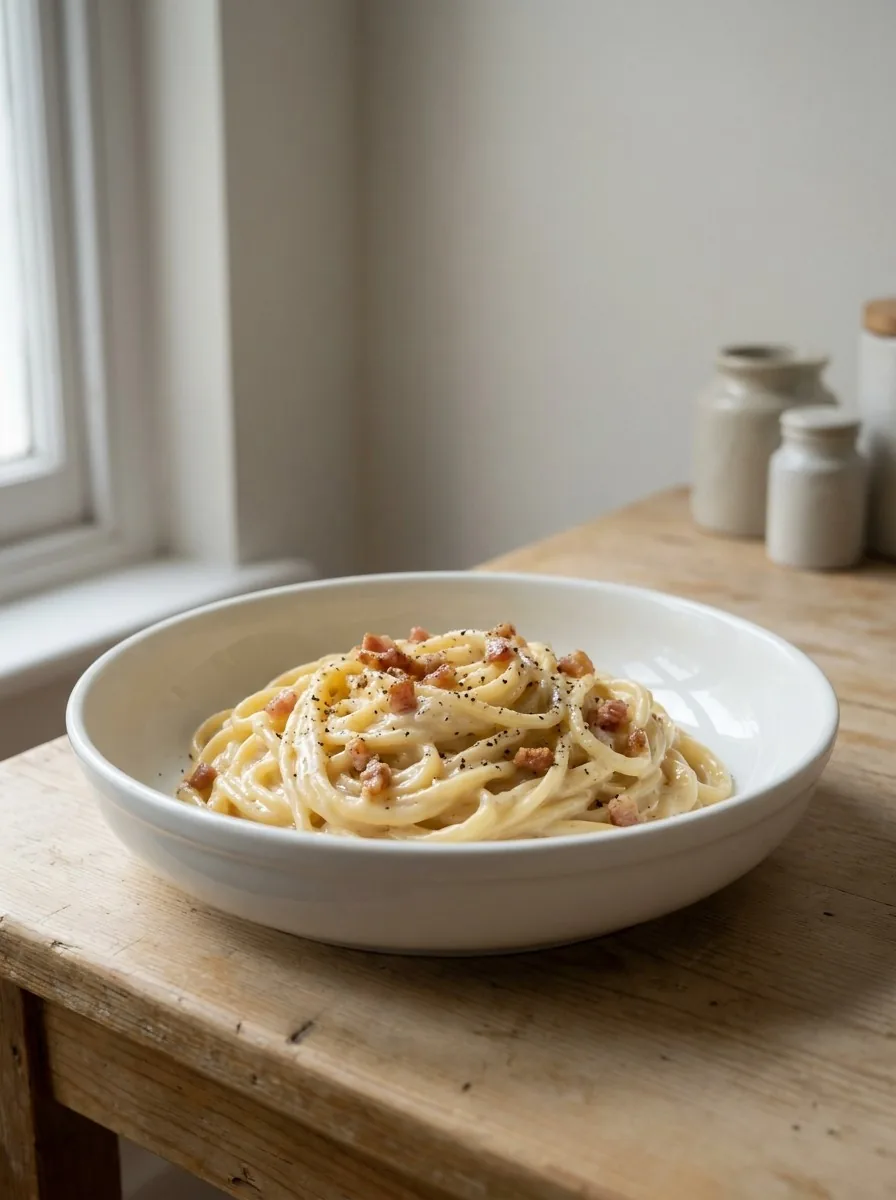
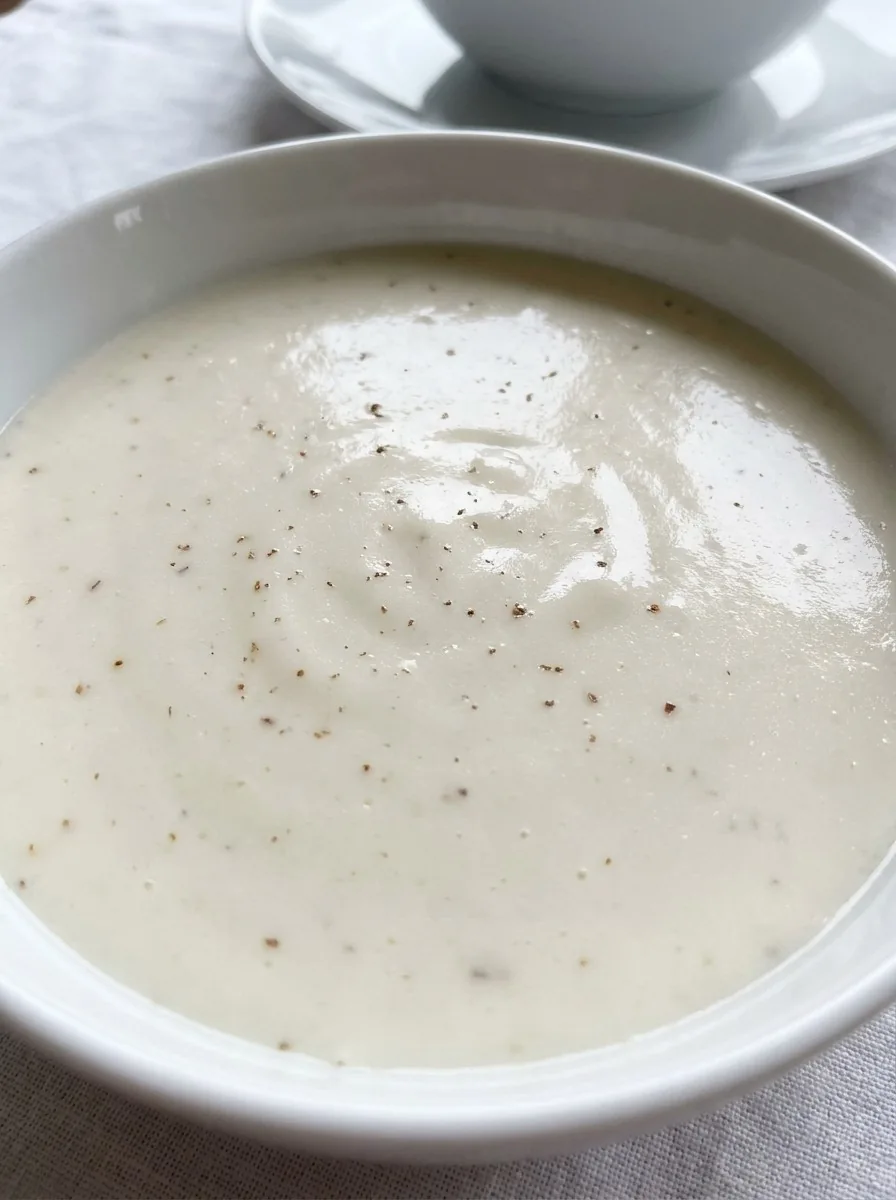
- 9. Pour the egg‑cheese custard over the pasta while stirring vigorously; add the reserved pasta water a tablespoon at a time until the sauce reaches a silky, glossy consistency without scrambling the eggs.
Recipe Variations
If you’re looking to adapt the sauce for dietary preferences, consider swapping the pork with smoked turkey or even sautéed mushrooms for a vegetarian version. For a richer mouthfeel, a splash of truffle oil added at the end can elevate the flavor profile without compromising the core technique. You can also experiment with different pasta shapes—ribbed rigatoni or short orecchiette will trap the sauce in their grooves, offering a textural twist while still honoring the traditional method.
Serving Ideas
Serve the carbonara hot over al dente spaghetti for the classic experience, topping each plate with an extra sprinkle of Pecorino and a twist of black pepper. For a chilled option, toss the sauce with cold pasta, allow it to set, and serve as a refreshing summer salad drizzled with a light lemon vinaigrette. It also works beautifully as a topping for roasted vegetables, such as cauliflower or broccoli, adding a creamy, savory layer that transforms simple sides into a main‑course‑worthy dish.
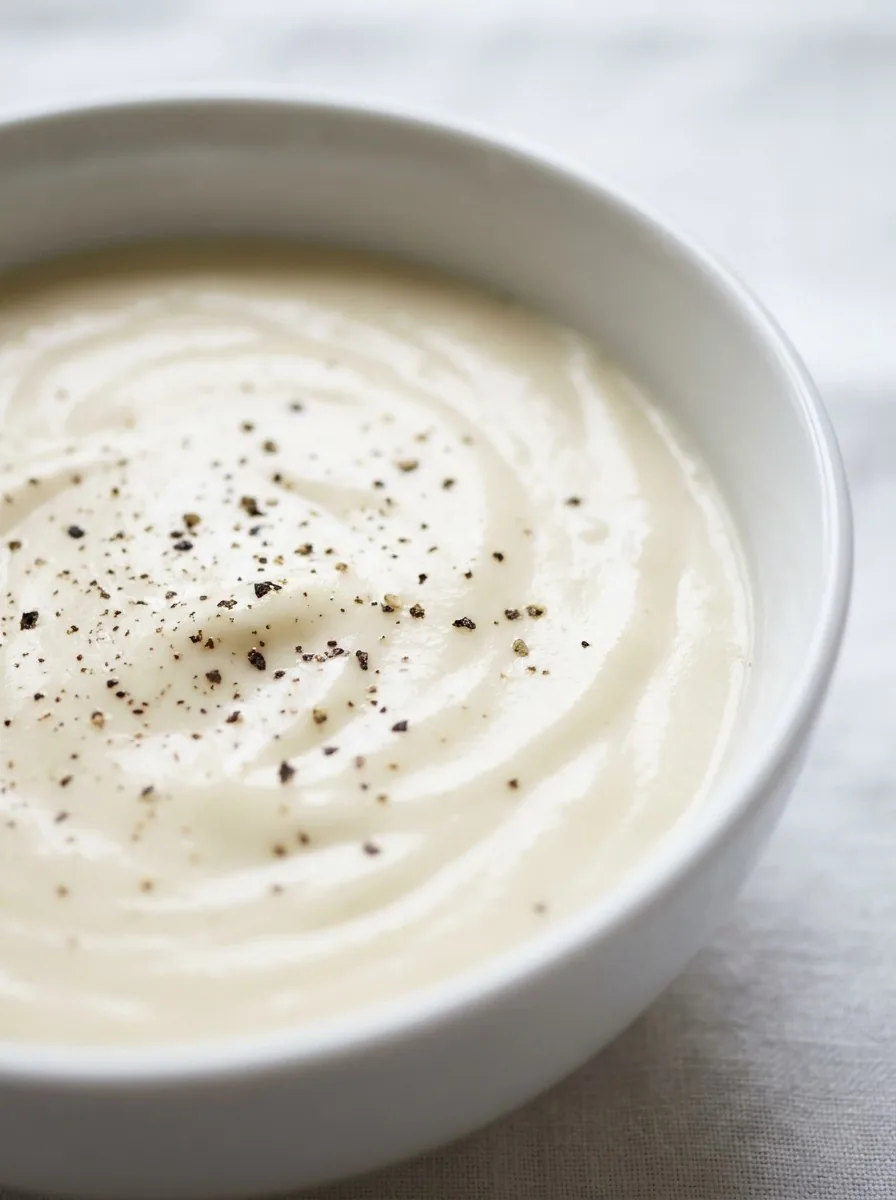
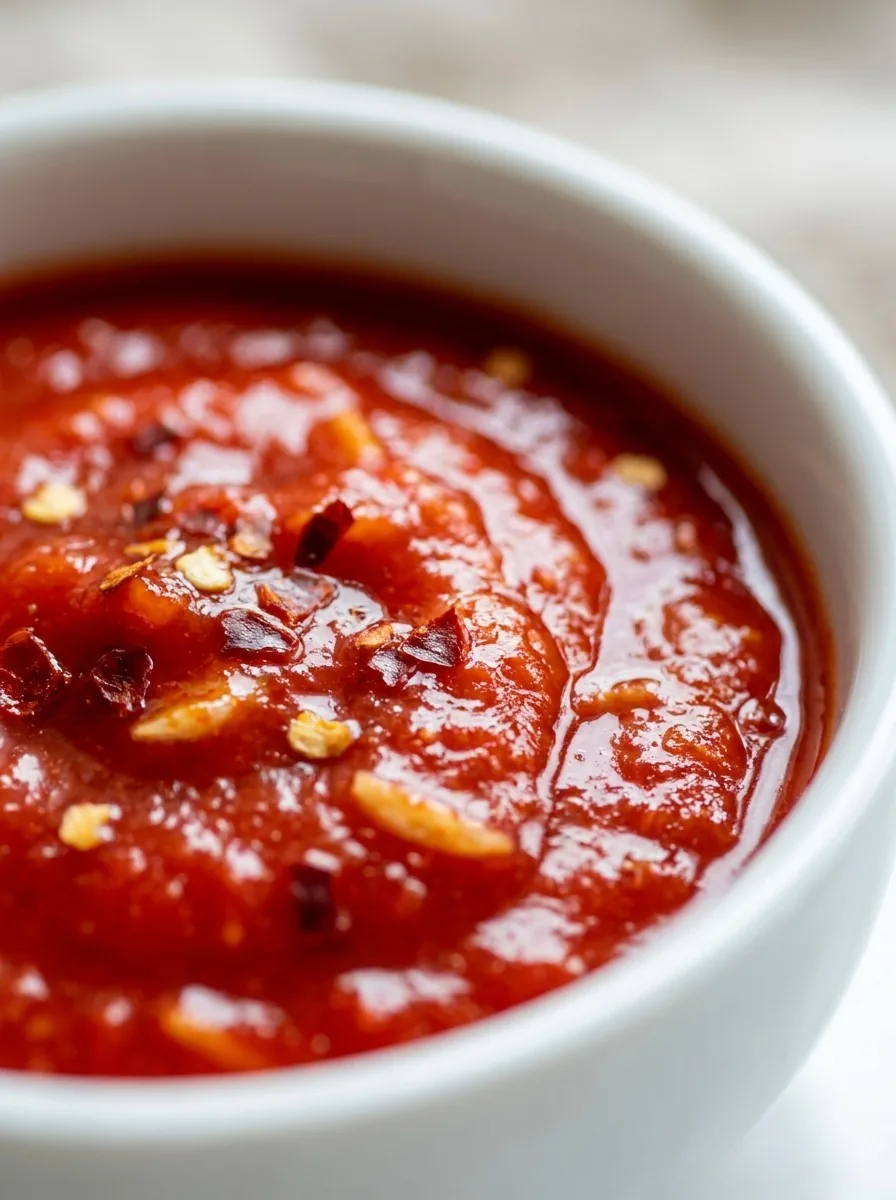
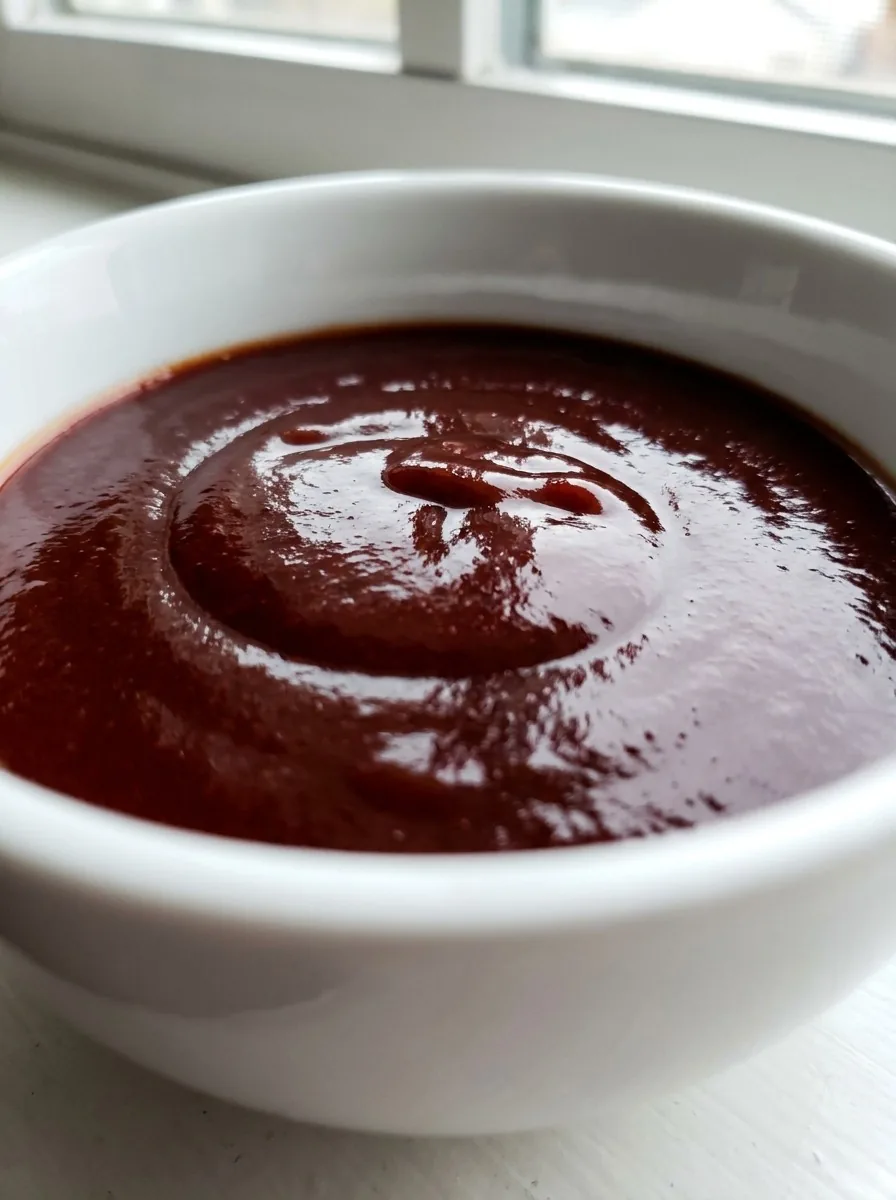
If you like making sauces from scratch, try our alfredo sauce, bbq sauce, bechamel white sauce and bolognese meat sauce next.
Keeping It Fresh
Store any leftover sauce in an airtight container in the refrigerator for up to two days. Reheat gently over low heat, adding a splash of warm pasta water to revive the emulsion; avoid high heat, which can cause the eggs to scramble. For longer storage, freeze the sauce in portion‑size bags for up to three months; thaw in the refrigerator overnight and reheat as described, stirring constantly to restore its silky texture.
Wrapping Up
Mastering authentic carbonara is less about exotic ingredients and more about respecting timing, temperature, and technique. By following the steps outlined above, you’ll achieve a sauce that feels luxurious yet is built from pantry staples you likely already have. Whether you serve it steaming hot over pasta or let it cool for a creative cold‑plate presentation, the result is a comforting, flavorful dish that honors its Roman roots while fitting seamlessly into a modern American kitchen.
Frequently Asked Questions
Can I use bacon instead of pancetta or guanciale?
Yes, thick‑cut smoked bacon works in a pinch, but it adds a smoky flavor that differs from the traditional pork cheek or belly. Rinse off excess salt if the bacon is heavily cured.
Why does the sauce sometimes turn into scrambled eggs?
If the pan is too hot when you add the egg mixture, the proteins coagulate too quickly, creating curds. Remove the pan from direct heat and add pasta water gradually while whisking to control temperature.
Is it okay to add cream for extra richness?
Traditional carbonara does not contain cream; the creaminess comes from the emulsified egg‑cheese mixture. Adding cream changes the flavor profile and texture, moving it away from authenticity.
Can I make this sauce ahead of time?
The sauce is best served immediately because the emulsion is delicate. If you must prepare ahead, keep the components separate and combine just before serving, adding a splash of warm pasta water to re‑emulsify.
What pasta shape works best with carbonara?
Long, thin shapes like spaghetti, linguine, or bucatini are classic because their surface area allows the sauce to cling evenly, delivering the characteristic creamy coating.
◆ ◆ ◆
← Back to ingredientsGet new sauce recipes
One tasty homemade sauce in your inbox each week. No spam, unsubscribe anytime.
Comments (12)