Classic Caesar Dressing: Step-by-Step Instructions
On this page
Pro Tips for Better Results
Always use room temperature egg yolk for the best emulsion stability. Cold yolks can make it harder for the oil to incorporate smoothly. If you prefer a smoother texture, pass the minced anchovies and garlic through a fine sieve before adding them to the bowl. This ensures that there are no gritty particles in the final dressing, which is particularly important if you are serving it to guests who may be sensitive to texture.
Do not over-whisk the final mixture. Once the emulsion is formed and the cheese is incorporated, excessive whisking can cause the sauce to become too thick or even break. A gentle fold is sufficient to combine the final ingredients. Taste the dressing after it has rested for a few minutes, as the flavors tend to intensify and meld together as it sits.
Instructions
- Combine the egg yolk, Dijon mustard, Worcestershire sauce, garlic, anchovies, salt, and pepper in a medium-sized glass mixing bowl. Whisk these ingredients together vigorously until they form a uniform, slightly thick paste, which ensures the emulsion has a stable base to bind the oil.
- Begin adding the olive oil in a slow, steady stream, whisking constantly and vigorously. This gradual addition allows the fat to emulsify properly with the egg yolk, preventing the sauce from separating and becoming greasy.
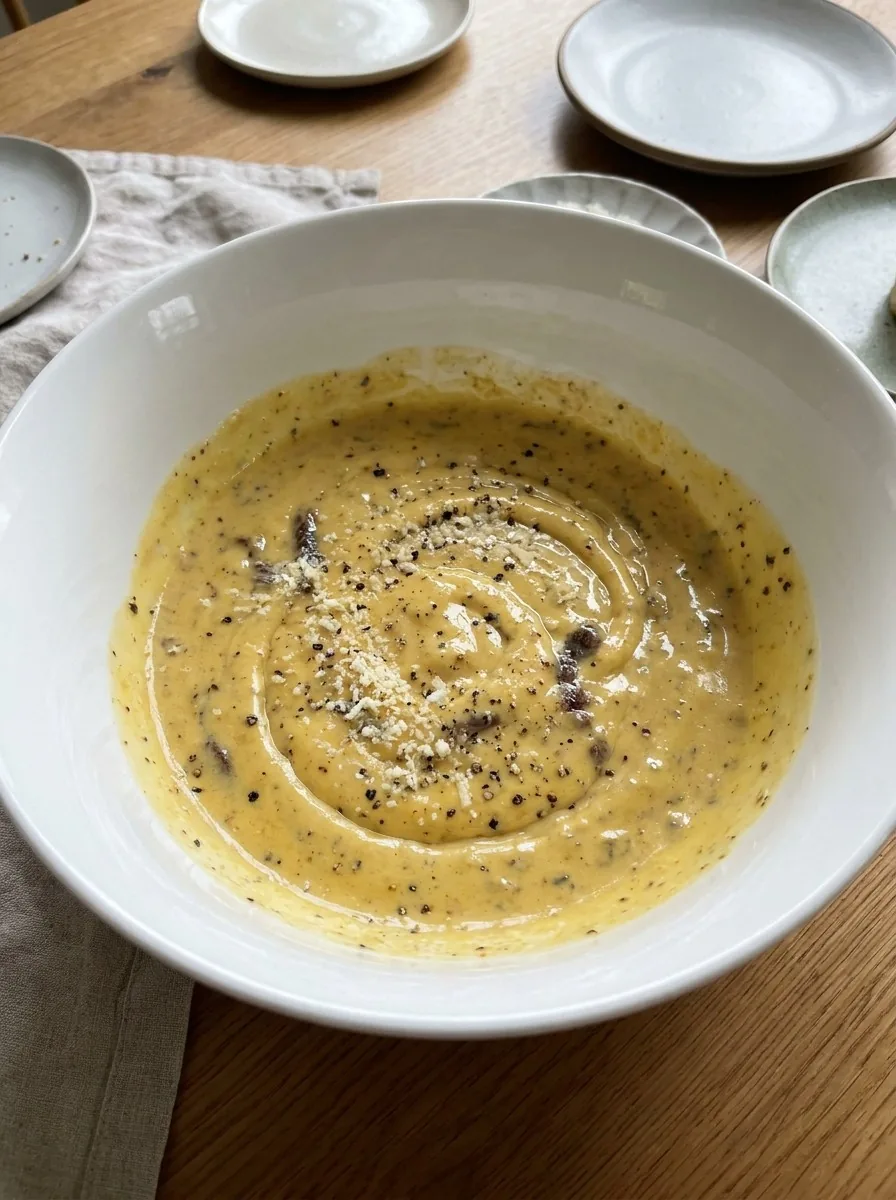
- Continue whisking as you add the remaining olive oil, increasing the speed of your whisking to maintain the emulsion. The mixture will start to thicken significantly and turn a pale yellow color, indicating that the emulsion is forming correctly.
- Once the oil is fully incorporated, add the fresh lemon juice and red wine vinegar while continuing to whisk. The acid helps to brighten the flavor profile and further stabilizes the emulsion, giving the dressing its characteristic tang.
- Stir in the grated Parmesan cheese until it is completely dissolved into the dressing. The cheese adds a salty, umami layer that complements the sharpness of the lemon and the depth of the anchovies.
- Taste the dressing and adjust the seasoning with additional salt or lemon juice if necessary. This step is crucial because the intensity of the anchovies and the acidity of the lemon can vary slightly depending on the specific ingredients used.
- If you are serving the dressing cold, cover the bowl with plastic wrap pressed directly against the surface and refrigerate for at least thirty minutes. Chilling allows the flavors to meld together and the texture to firm up slightly for a better coating on crisp greens.
- If you prefer a warmer sauce, gently heat the dressing in a small saucepan over low heat, stirring constantly, until it is just warm to the touch. Warming it helps the flavors expand and makes it ideal for drizzling over hot roasted vegetables or grilled proteins.
Recipe Variations
For a vegan version, replace the egg yolk with a tablespoon of tahini and use plant-based milk to adjust the consistency. The tahini provides a similar creamy texture and nutty flavor that pairs well with the acidity of the lemon. You can also add a teaspoon of nutritional yeast to mimic the savory notes of the Parmesan cheese and anchovies, creating a fully plant-based alternative.
If you prefer a spicier dressing, add a pinch of cayenne pepper or a few drops of hot sauce to the base mixture. For a lighter version, you can reduce the amount of olive oil by half and add a tablespoon of buttermilk to maintain the creamy texture without the extra calories. These variations allow you to customize the dressing to fit different dietary needs and flavor preferences while keeping the core structure intact.
Serving Ideas
The most traditional way to serve this dressing is with a fresh Caesar salad, using crisp romaine lettuce, homemade croutons, and shaved Parmesan. The creamy texture of the dressing coats the leaves evenly, ensuring every bite is flavorful. You can also serve it as a dip for raw vegetables like carrots, celery, and bell peppers, providing a rich contrast to the crunch of the veggies.
Consider using the dressing as a marinade for chicken or steak before grilling. The acidity in the lemon and vinegar helps to tenderize the meat, while the olive oil keeps it moist during the cooking process. It also works well as a drizzle over roasted potatoes or as a topping for grilled fish, adding a savory, tangy element that elevates simple side dishes into more complex meals.
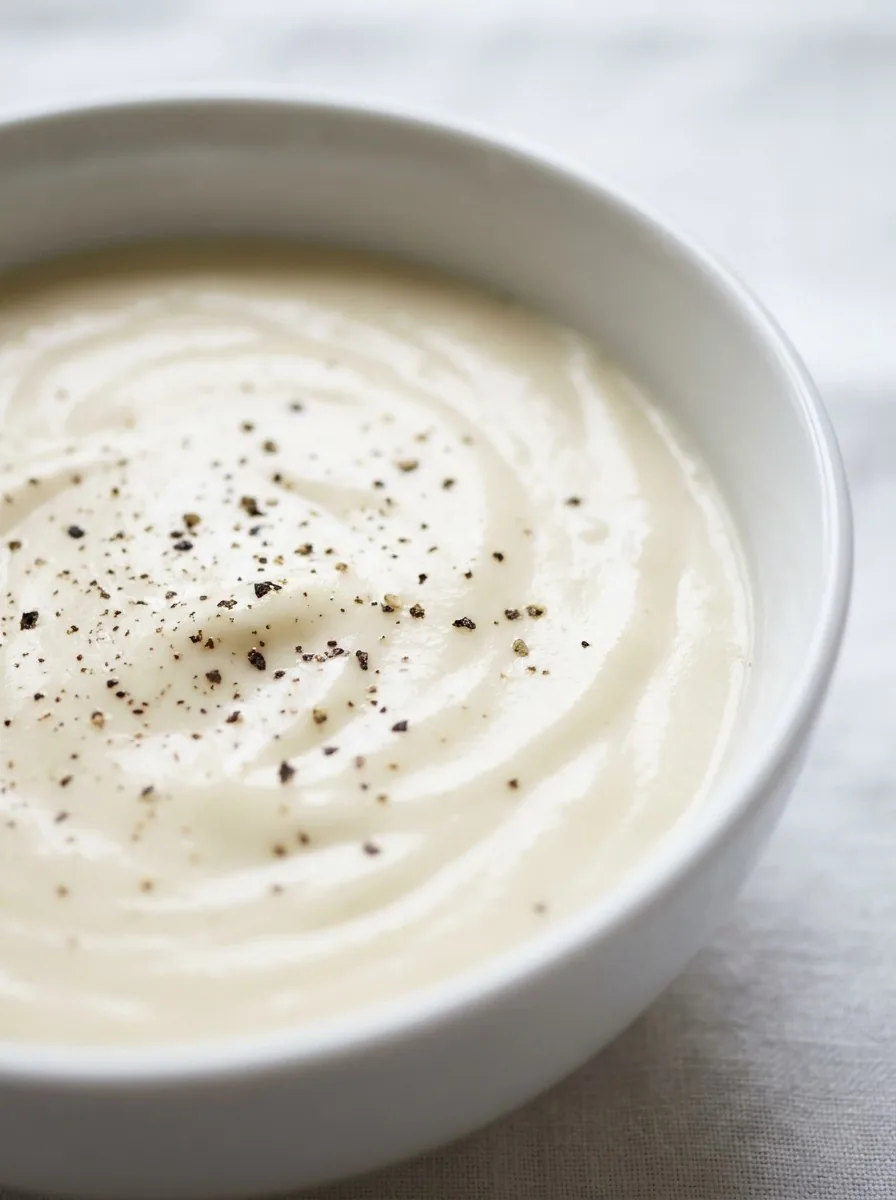
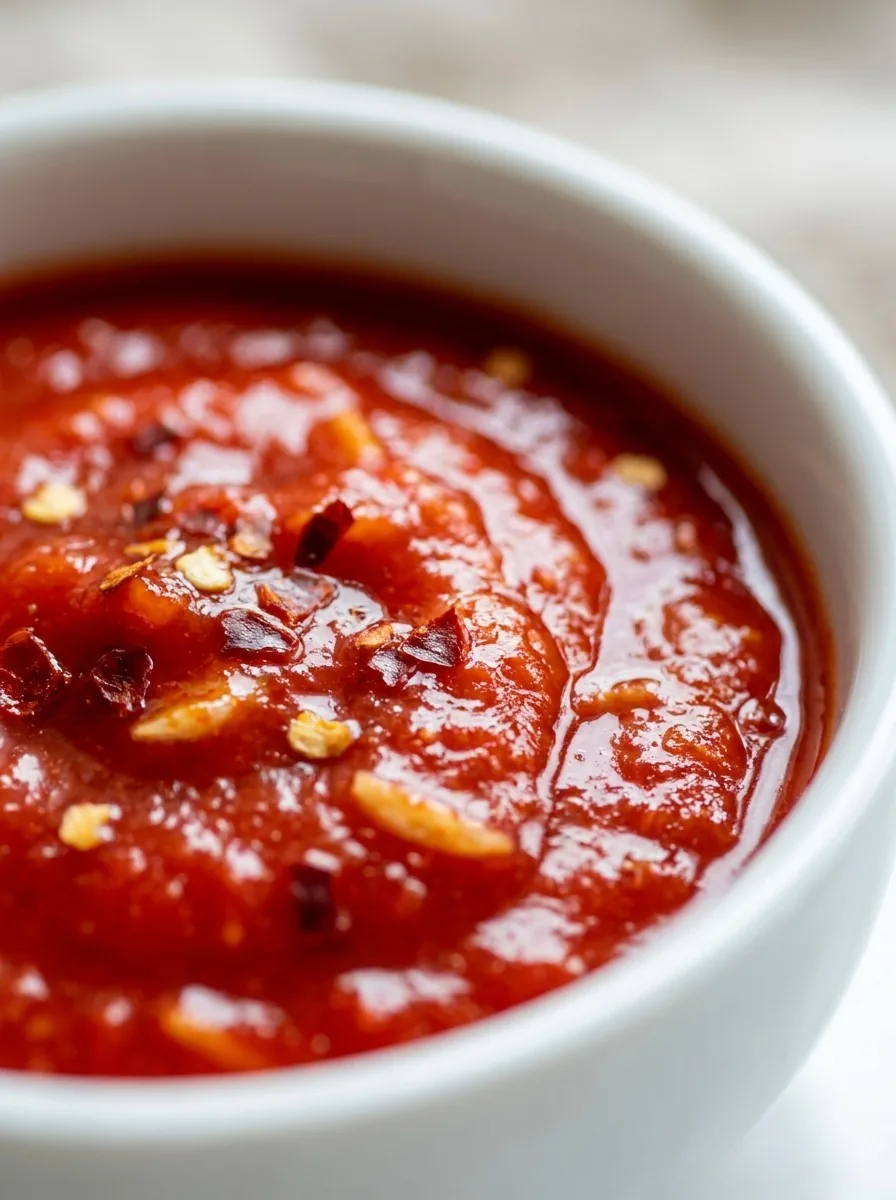
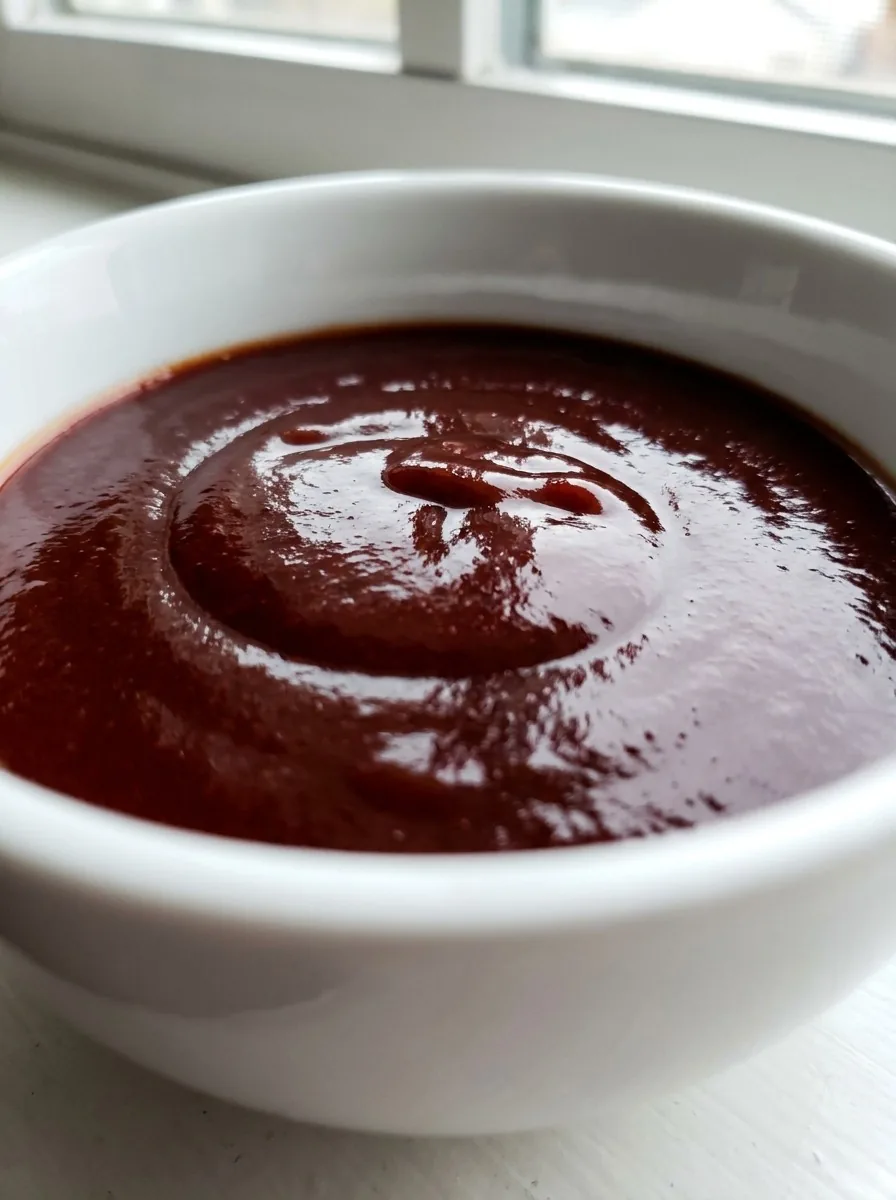
If you like making sauces from scratch, try our alfredo sauce, arrabbiata sauce, bbq sauce and bechamel white sauce next.
Keeping It Fresh
Store the dressing in an airtight glass container in the refrigerator. The air-tight seal is important to prevent the dressing from absorbing other odors from the fridge and to keep the olive oil from oxidizing. The dressing will keep for up to five days, during which time the flavors will continue to develop and mellow out.
Before serving, allow the dressing to sit at room temperature for about ten minutes. This helps the oil to loosen up if it has solidified in the cold, making it easier to pour or toss with salad greens. If you notice any separation, simply whisk it again vigorously to re-emulsify the mixture. Always use a clean spoon when serving to prevent bacterial growth and extend the shelf life of the sauce.
Wrapping Up
Making your own Caesar dressing is a straightforward process that yields a superior product compared to store-bought versions. The control you have over the ingredients allows you to adjust the saltiness, acidity, and richness to your exact liking. This recipe is versatile enough to be used in salads, marinades, and dipping sauces, making it a useful staple in your kitchen repertoire.
The key to success lies in the proper technique of emulsification and the use of fresh, high-quality ingredients. By following the steps outlined here, you can create a dressing that is creamy, tangy, and deeply savory. Whether you are hosting a dinner party or simply enjoying a quick meal at home, this homemade sauce adds a professional touch to your cooking. Give it a try and enjoy the satisfaction of making a classic from scratch.
Frequently Asked Questions
Can I use regular yellow mustard instead of Dijon?
Yes, but Dijon provides a sharper, more complex flavor profile that complements the anchovies better. If you only have yellow mustard, use it, but be aware the dressing will taste milder and less nuanced.
What if my dressing separates after refrigeration?
This is common with emulsions. Simply whisk the dressing vigorously again at room temperature, or add a teaspoon of warm water while whisking to help re-emulsify the mixture.
Is it safe to use raw egg yolks?
Using pasteurized eggs is the safest option, especially if you are serving pregnant women or individuals with compromised immune systems. Alternatively, you can make a quick meringue base with the yolk to cook it gently.
Can I substitute the anchovies?
You can omit them, but the dressing will lack the deep savory 'umami' note that defines a classic Caesar. Fish sauce is a close alternative if you want that depth without the visible fish texture.
How long does this dressing last in the fridge?
Stored in an airtight container, this dressing will keep for up to five days. The olive oil may separate slightly over time, so give it a good stir before serving.
◆ ◆ ◆
← Back to ingredientsGet new sauce recipes
One tasty homemade sauce in your inbox each week. No spam, unsubscribe anytime.
Comments (7)