Homemade Buffalo Sauce: Step-by-Step Instructions
On this page
Pro Tips for Better Results
1. Keep the heat low when melting butter; high heat can cause the milk solids to brown, introducing a nutty flavor that isn’t traditional for Buffalo sauce.
2. Whisk continuously once the acidic ingredients are added; this prevents the butter from separating and ensures a glossy finish.
3. If you like extra heat, add a pinch of cayenne at the end of cooking; the residual heat will preserve its sharpness.
4. For a smoother texture, strain the sauce through a fine‑mesh sieve before storing.
5. Let the sauce rest a minute after cooking; this allows the flavors to meld and the sauce to thicken slightly, making it cling better to wings.
Instructions
- Melt the butter in a small saucepan over medium‑low heat, taking care not to let it brown, because a browned butter changes the flavor profile.
- Stir in the white vinegar and Worcestershire sauce, whisking until the mixture is uniform; the acidity begins to break down the butter, creating a smooth emulsion.
- Add the garlic powder, cayenne pepper, smoked paprika, salt, black pepper, and oregano, then whisk again; these spices provide the classic tang and heat of Buffalo sauce.
- If you prefer a milder, slightly sweeter sauce, drizzle in the honey or sugar now, allowing it to dissolve fully.
- Continue to simmer the sauce for 2–3 minutes, stirring constantly, so the flavors meld without separating.
- Taste the sauce and adjust the cayenne level or salt as needed; this step ensures the heat matches your personal preference.
- Remove the pan from heat and let the sauce sit for a minute to thicken slightly, which helps it cling to wings later.
- Transfer the sauce to a heat‑proof bowl or jar, then cover and let it cool to room temperature before refrigerating or using immediately.
- Store the sauce in an airtight container in the refrigerator for up to one week; reheating gently restores its silky texture.
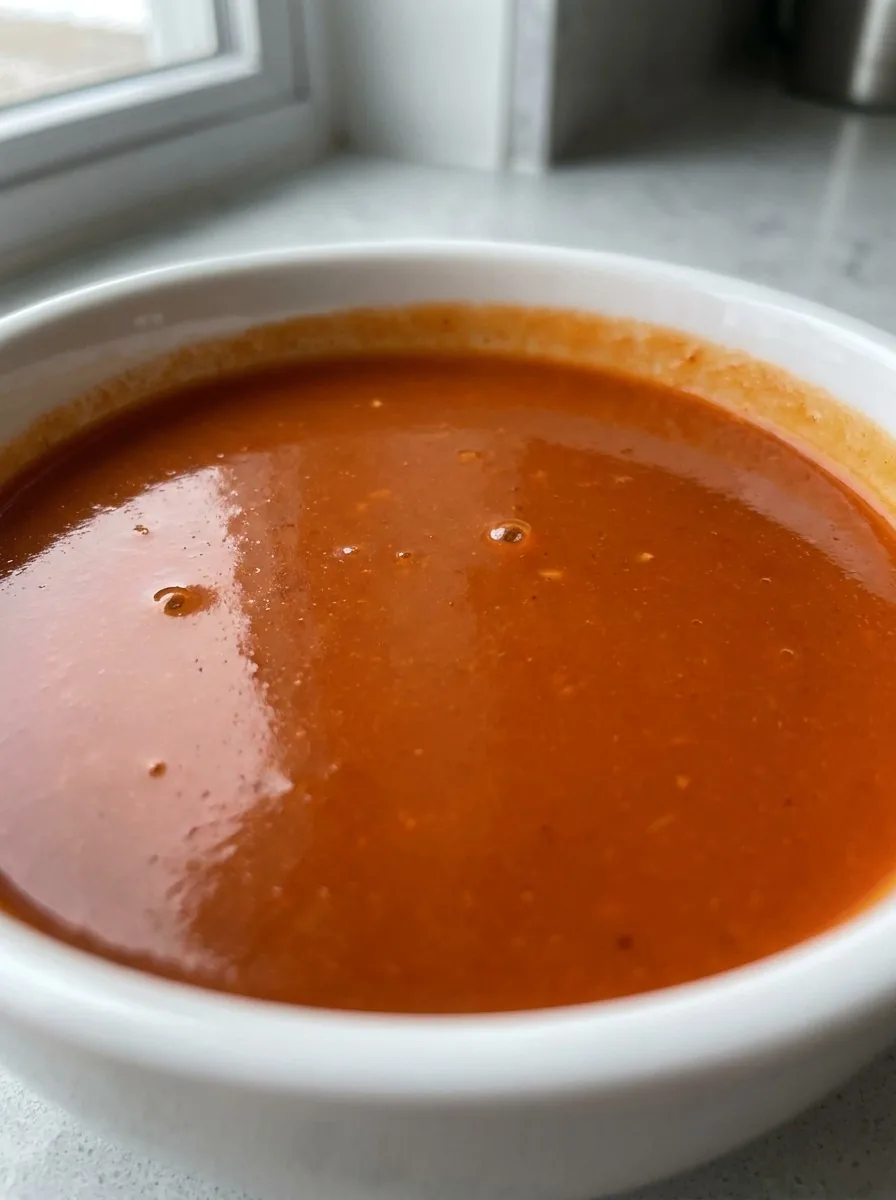
Recipe Variations
Swap the cayenne for chipotle powder to add a smoky depth, or blend in a tablespoon of hot sauce for a more liquid consistency. For a sweeter twist, increase the honey to two tablespoons and add a dash of brown sugar. Vegetarian versions can replace butter with a plant‑based spread, though the flavor will shift slightly. If you prefer a thicker glaze, reduce the vinegar by half and simmer the sauce a few minutes longer, stirring constantly.
Serving Ideas
Beyond wings, drizzle this sauce over grilled chicken breasts, toss it with roasted cauliflower for a vegetarian snack, or mix it into a creamy dip base with ranch dressing. It also works as a quick pizza drizzle—just brush it lightly over cheese before serving. For a classic appetizer, toss celery sticks and carrot ribbons in the sauce and serve with blue cheese crumbles on the side.
If you like making sauces from scratch, try our Greek tzatziki, classic marinara sauce, sweet and sour sauce next.
Keeping It Fresh
Store the sauce in a clean, airtight jar in the refrigerator. Before each use, give the jar a gentle shake or stir with a spoon to recombine any separated butter. The sauce will keep for up to seven days; if you notice a grainy texture, gently re‑heat over low heat while whisking to restore its smoothness. Avoid exposing the sauce to direct sunlight, as heat accelerates butter separation.
Wrapping Up
Making Buffalo sauce at home gives you control over heat, flavor, and ingredients, ensuring a fresher, cleaner taste than many store‑bought options. With just a handful of pantry staples and a ten‑minute effort, you can create a sauce that elevates wings, vegetables, and proteins alike. Keep the sauce chilled, reheat gently when needed, and experiment with the suggested variations to make it truly your own. Enjoy the bright, buttery heat that has become a staple of American comfort food.
Frequently Asked Questions
Can I use hot sauce instead of cayenne pepper?
Yes, you can substitute an equal amount of a good quality hot sauce, but adjust the additional cayenne to keep the heat level balanced.
Is it safe to freeze this sauce?
Freezing is not recommended because the butter can separate when thawed, affecting texture.
How do I make the sauce dairy‑free?
Replace the butter with a plant‑based margarine or a neutral oil, but expect a slightly different mouthfeel.
Can I add fresh garlic instead of garlic powder?
Fresh minced garlic works, but add it at the beginning and sauté briefly to avoid a raw bite.
What’s the best way to reheat the sauce?
Warm it gently over low heat, whisking constantly to re‑emulsify the butter.
◆ ◆ ◆
← Back to ingredientsGet new sauce recipes
One tasty homemade sauce in your inbox each week. No spam, unsubscribe anytime.
Comments (17)