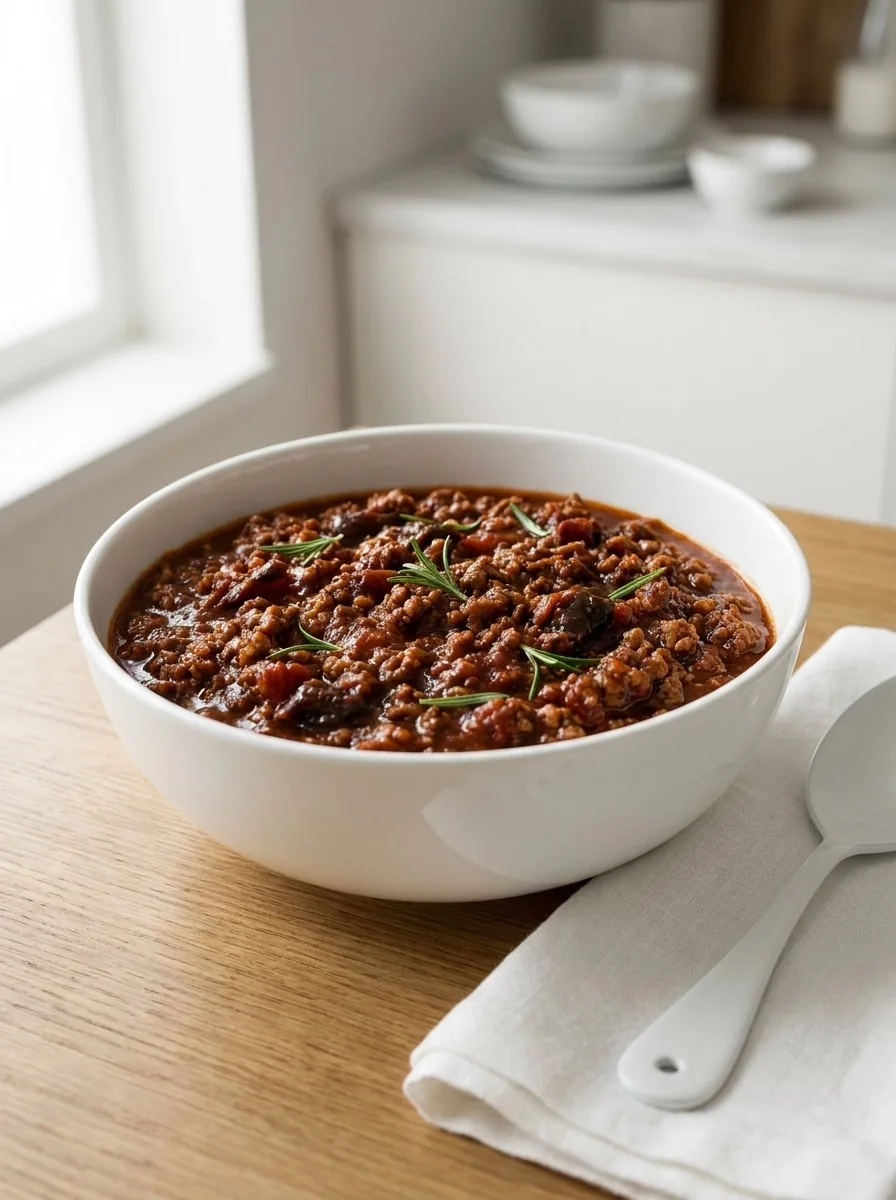
Rich Bolognese Meat Sauce: Step-by-Step Instructions
On this page
Pro Tips for Better Results
1. Use a heavy‑bottomed pan; it distributes heat evenly and prevents hot spots that can scorch the vegetables.
2. Pat the meat dry with paper towels before adding it to the pan; excess moisture will steam rather than brown, reducing flavor development.
3. When deglazing with wine, let it reduce by half before adding tomatoes; this concentrates the wine’s aromatics and prevents a raw alcohol taste.
4. Add a pinch of sugar if the tomatoes are overly acidic; this subtle adjustment smooths the overall palate.
5. Finish the sauce with a drizzle of high‑quality olive oil just before serving; the oil adds a glossy sheen and a fresh, peppery note.
Instructions
- Heat the olive oil in a medium‑sized saucepan over medium heat; the oil should shimmer but not smoke, which ensures the vegetables cook without burning.
- Add the diced onion, grated carrot, and minced celery, sautéing for 3–4 minutes until they soften and the onion becomes translucent, building a fragrant base.
- Increase the heat to medium‑high and crumble the ground beef and pork into the pan, breaking them up with a wooden spoon; brown the meat until it loses its pink color, which adds depth and caramelization.
- Season the mixture with salt, pepper, dried oregano, and thyme, stirring to coat the meat evenly; the herbs release their essential oils early, enhancing the overall aroma.
- Pour in the dry red wine, allowing it to deglaze the pan and evaporate for about 1 minute; this step lifts any browned bits, adding richness to the sauce.
- Stir in the crushed tomatoes and beef broth, bringing the mixture to a gentle boil; the liquid creates a cohesive sauce that will thicken as it simmers.
- Reduce the heat to low and let the sauce simmer uncovered for 10 minutes, stirring occasionally; this concentration step intensifies flavor without overcooking the meat.
- Taste and adjust seasoning with additional salt or pepper if needed, then remove from heat; the sauce should be thick enough to cling to pasta but still pourable.
- Serve warm over your favorite pasta, or let it cool and store in an airtight container for up to three days; the sauce can also be enjoyed cold as a robust spread on crusty bread.
Recipe Variations
If you prefer a spicier kick, stir in a pinch of red‑pepper flakes during the meat‑browning stage. For a richer, earthier tone, add a tablespoon of tomato paste after the vegetables have softened; let it brown briefly before introducing the wine. Vegetarians can swap the meat for a mix of finely chopped mushrooms and lentils, maintaining the hearty texture while keeping the sauce plant‑based. Finally, a splash of heavy cream at the end creates a velvety finish, turning the sauce into a luxurious ragù perfect for special occasions.
Serving Ideas
Serve the sauce over al dente tagliatelle, allowing the ribbons to capture each morsel of meat. For a comforting twist, spoon it over creamy polenta and finish with a sprinkle of Parmesan and fresh basil. The sauce also works beautifully as a topping for baked eggplant slices, creating a low‑carb lasagna alternative. If you’re feeding a crowd, toss the sauce with cooked penne and bake with mozzarella for a quick baked pasta casserole. Leftovers can be layered between toasted baguette slices for an indulgent bruschetta.
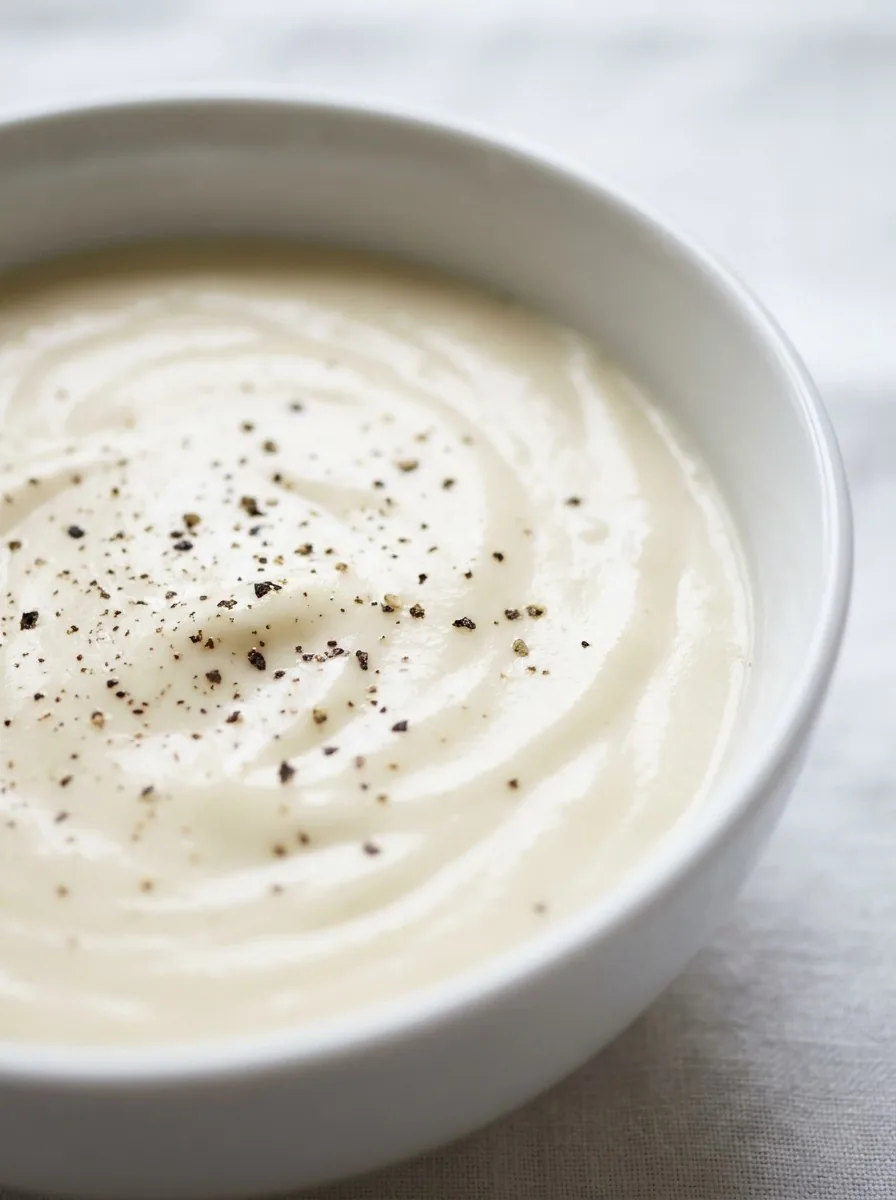
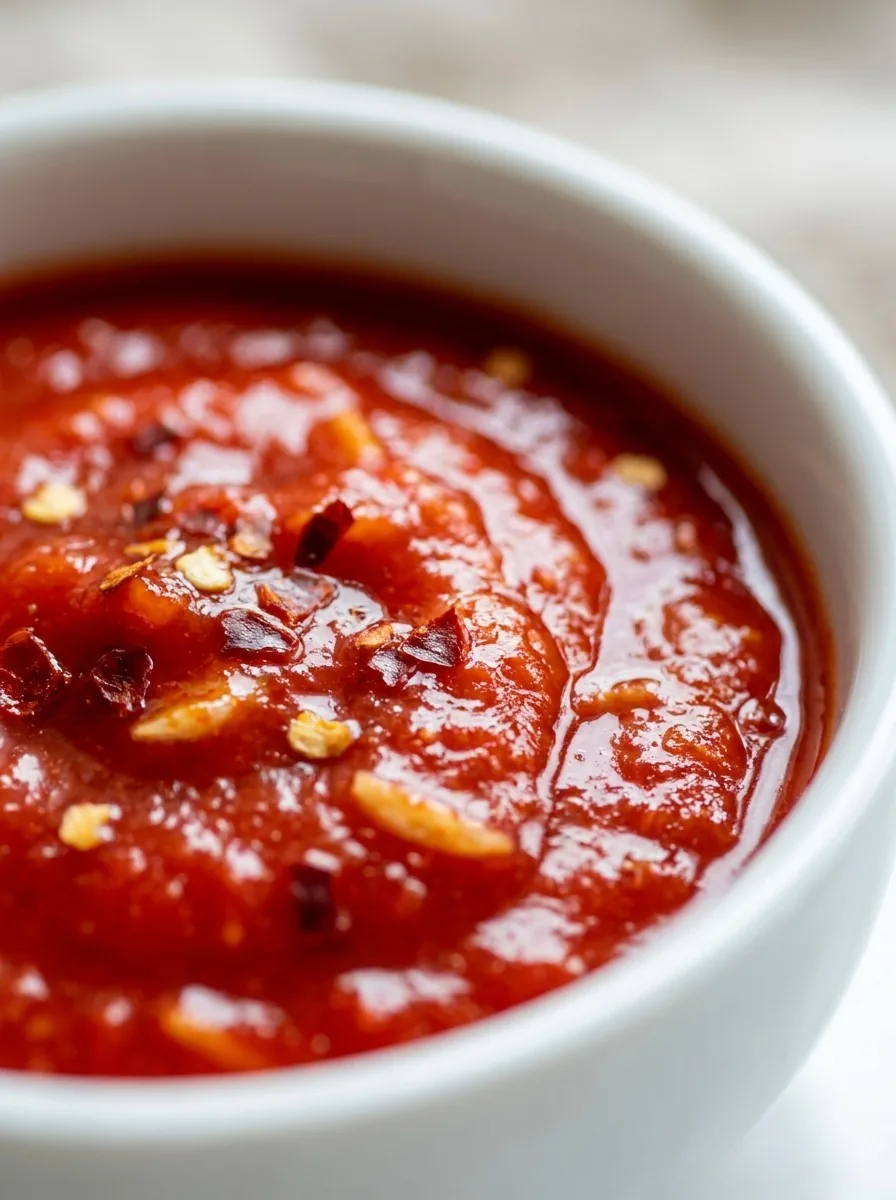
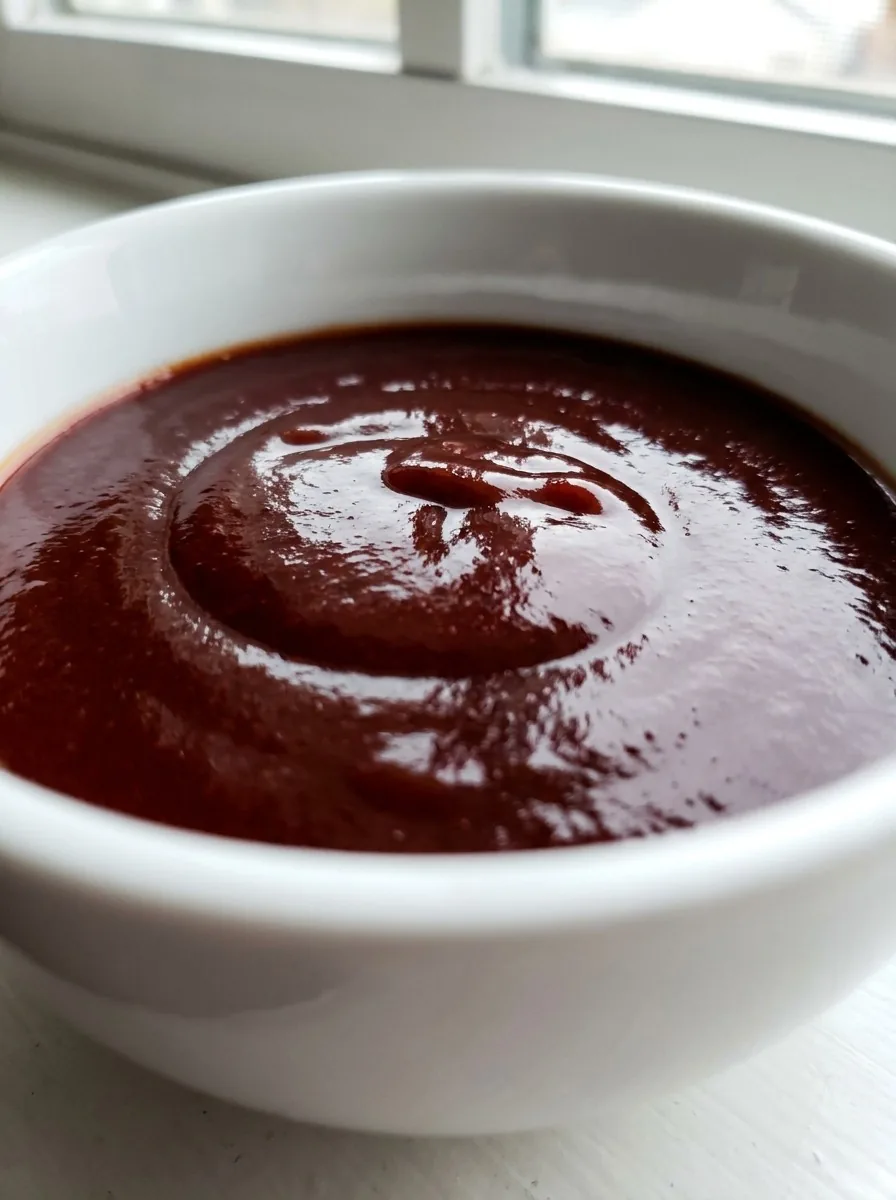
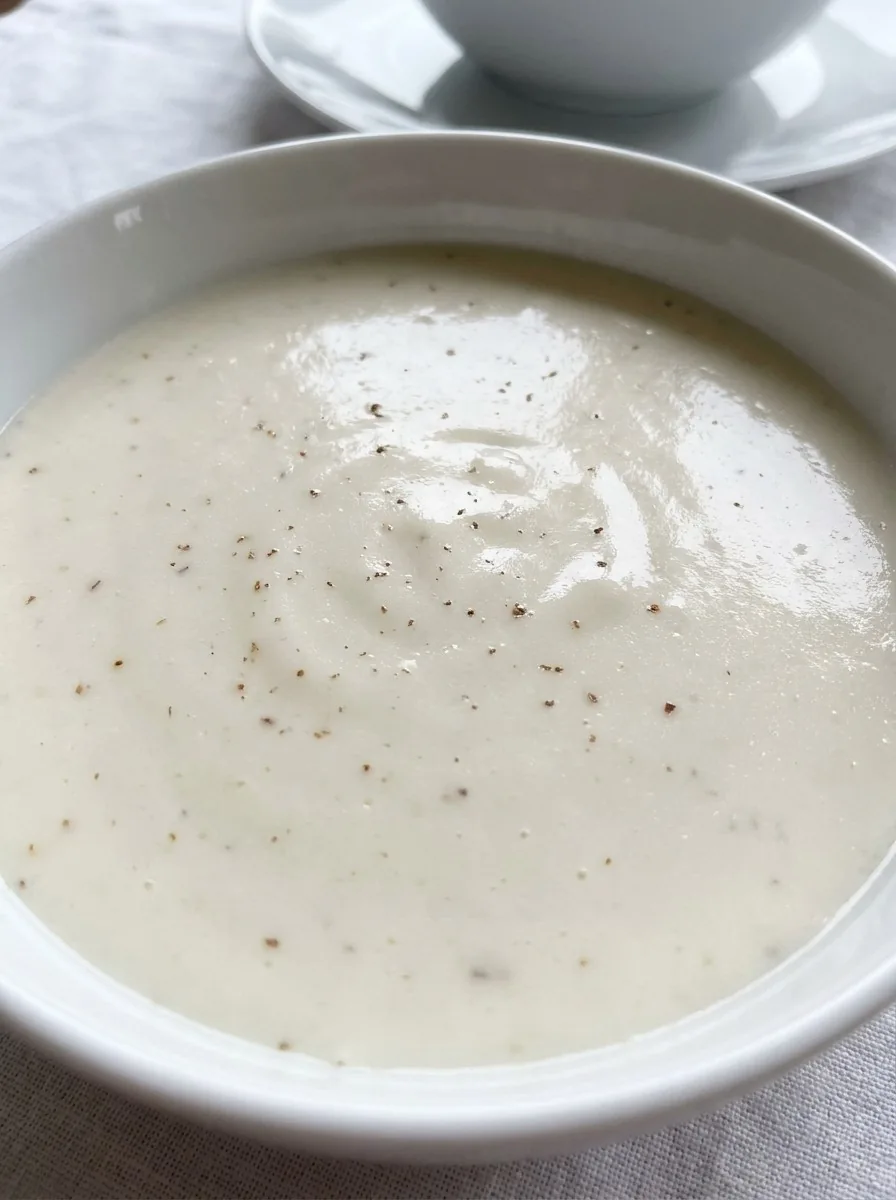
If you like making sauces from scratch, try our alfredo sauce, bbq sauce, bechamel white sauce and buffalo sauce next.
Keeping It Fresh
Allow the sauce to cool to room temperature before transferring it to an airtight container; this prevents condensation from making the sauce watery. Store in the refrigerator for up to three days, reheating gently on low heat and adding a splash of broth if it has thickened. For longer storage, portion the sauce into freezer‑safe bags, flatten them for quick thawing, and use within three months. When reheating from frozen, do so in a saucepan over medium heat, stirring frequently to ensure even warming and to restore the sauce’s silky texture.
Wrapping Up
This Rich Bolognese Meat Sauce proves that a classic Italian flavor can be achieved quickly with pantry staples and a few thoughtful techniques. By respecting the order of operations—sautéing the mirepoix, browning the meat, deglazing, and a brief simmer—you capture the depth of a long‑slow cooked ragù in just twenty minutes. Whether you serve it hot over pasta, cold as a spread, or repurpose it in baked dishes, the sauce remains versatile and satisfying. Keep the tips and variations handy, experiment with your favorite twists, and enjoy a hearty, homemade sauce whenever the craving strikes.
Frequently Asked Questions
Can I use ground turkey instead of beef and pork?
Yes, substitute an equal weight of ground turkey, but add a tablespoon of butter to compensate for the lower fat content and preserve richness.
Is it okay to skip the red wine?
If you prefer to avoid alcohol, replace the wine with an equal amount of extra broth or a splash of balsamic vinegar for acidity.
How long can I refrigerate leftovers?
Store the sauce in a sealed container for up to three days; reheat gently on the stove, adding a splash of water if it thickens too much.
Can I freeze this Bolognese?
Absolutely—portion into freezer‑safe bags or containers and freeze for up to three months; thaw overnight in the refrigerator before reheating.
What pasta shape pairs best with this sauce?
Broad, ridged shapes like pappardelle or rigatoni hold the chunky sauce well, but any pasta you have on hand will work.
◆ ◆ ◆
← Back to ingredientsGet new sauce recipes
One tasty homemade sauce in your inbox each week. No spam, unsubscribe anytime.
Comments (13)