Beurre Blanc Butter Sauce: Step-by-Step Instructions
On this page
Pro Tips for Better Results
- Use a high‑quality dry white wine; the flavor of the wine shines through the finished sauce.
- Pat the butter cubes dry with a paper towel; excess moisture can cause the sauce to seize.
- Whisk constantly in a figure‑eight motion; this creates a uniform shear that encourages a stable emulsion.
- If you’re nervous about the sauce breaking, add a teaspoon of cold water at the start of the butter incorporation; the water acts as a stabilizer.
- Finish the sauce with a small squeeze of fresh lemon juice for brightness, but add it at the very end to avoid curdling.
Instructions
- Combine the white wine, white wine vinegar, and minced shallots in a small saucepan; the acidity will dissolve the shallots and create a flavorful base.
- Add the salt and white pepper, then bring the mixture to a gentle simmer over medium‑low heat, watching closely so it does not boil over.
- Reduce the liquid by about two‑thirds, stirring occasionally; this concentration concentrates the flavor and lowers the water content, which is crucial for a stable emulsion.
- Remove the pan from the heat and let it sit for 30 seconds to cool slightly, because adding butter to a scorching liquid will cause the butter to break.
- Begin whisking in the cold butter cubes one at a time, allowing each piece to melt completely before adding the next; the gradual incorporation keeps the fat dispersed evenly.
- If you prefer a richer mouthfeel, whisk in the heavy cream at this stage; the cream adds a protective layer of milk proteins that further stabilizes the emulsion.
- Stir in the lemon zest, chopped chives, and a pinch of cayenne pepper; the zest adds bright citrus notes while the cayenne gives a subtle heat.
- Taste and adjust seasoning with a tiny splash more vinegar or a pinch of salt if needed, remembering that the sauce will mellow slightly as it rests.
- Transfer the beurre blanc to a warm serving bowl or keep it in the saucepan over very low heat; if it begins to thicken too much, whisk in a teaspoon of warm water to loosen it.
Recipe Variations
Swap the white wine for a dry sherry or a crisp sparkling wine to give the sauce a different aromatic profile. For a herb‑infused version, add a teaspoon of finely chopped tarragon or dill during the final whisk. If you prefer a richer, more luxurious texture, replace half of the butter with a high‑fat cream cheese, whisking it in after the sauce has formed.
Vegetarians can substitute the wine with a vegetable stock reduced with a splash of white wine vinegar, though the classic tang will be slightly muted. For a low‑fat alternative, use a mixture of reduced stock and a tablespoon of olive oil, but expect a thinner consistency.
Serving Ideas
Drizzle the warm beurre blanc over pan‑seared trout, halibut, or any white‑fish that benefits from a buttery, citrusy lift. It also pairs beautifully with grilled lobster tails, where the sauce accentuates the natural sweetness of the shellfish.
For vegetable lovers, toss roasted asparagus, green beans, or sautéed baby carrots in a spoonful of cold beurre blanc just before plating; the sauce adds a glossy finish and a burst of flavor without overwhelming the vegetables.
Use it as a base for a quick seafood pasta: toss cooked linguine with a few tablespoons of beurre blanc, add cooked shrimp, and finish with a sprinkle of fresh parsley.
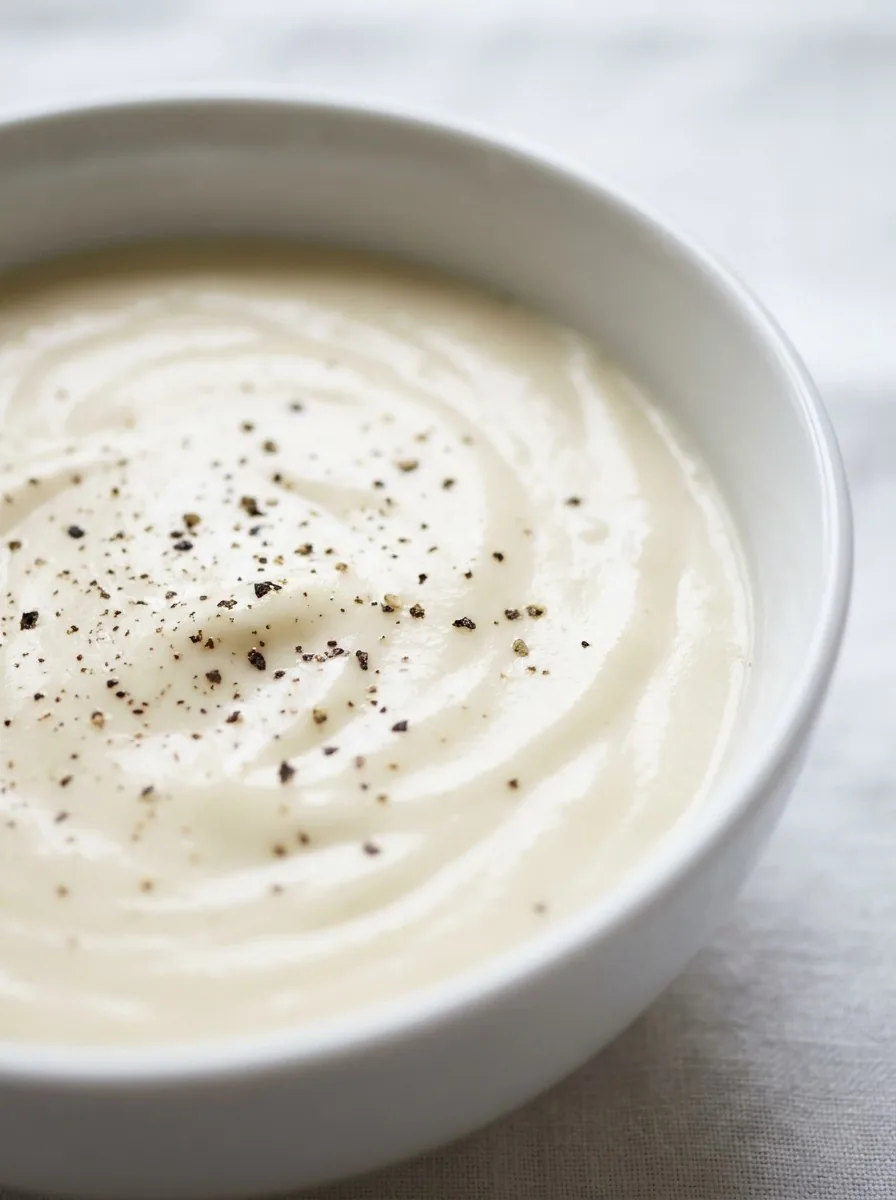
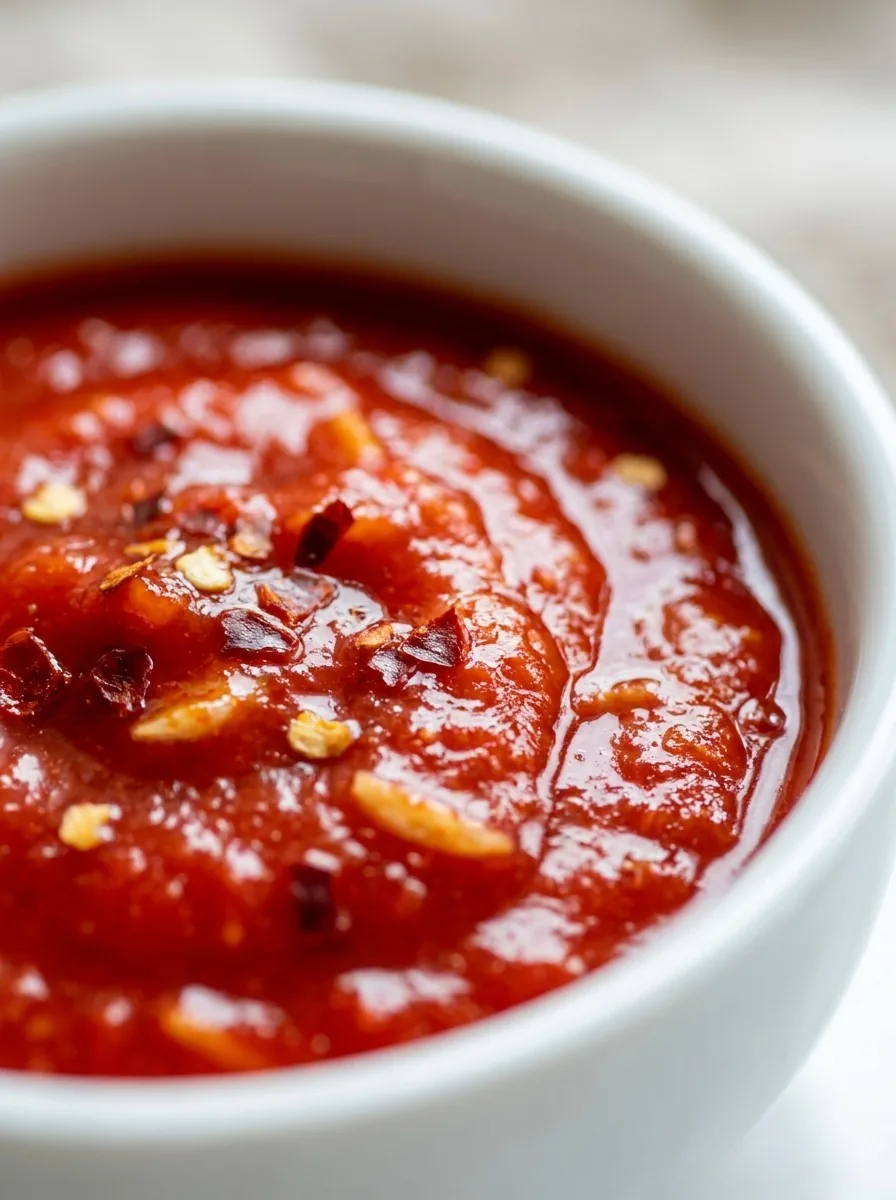
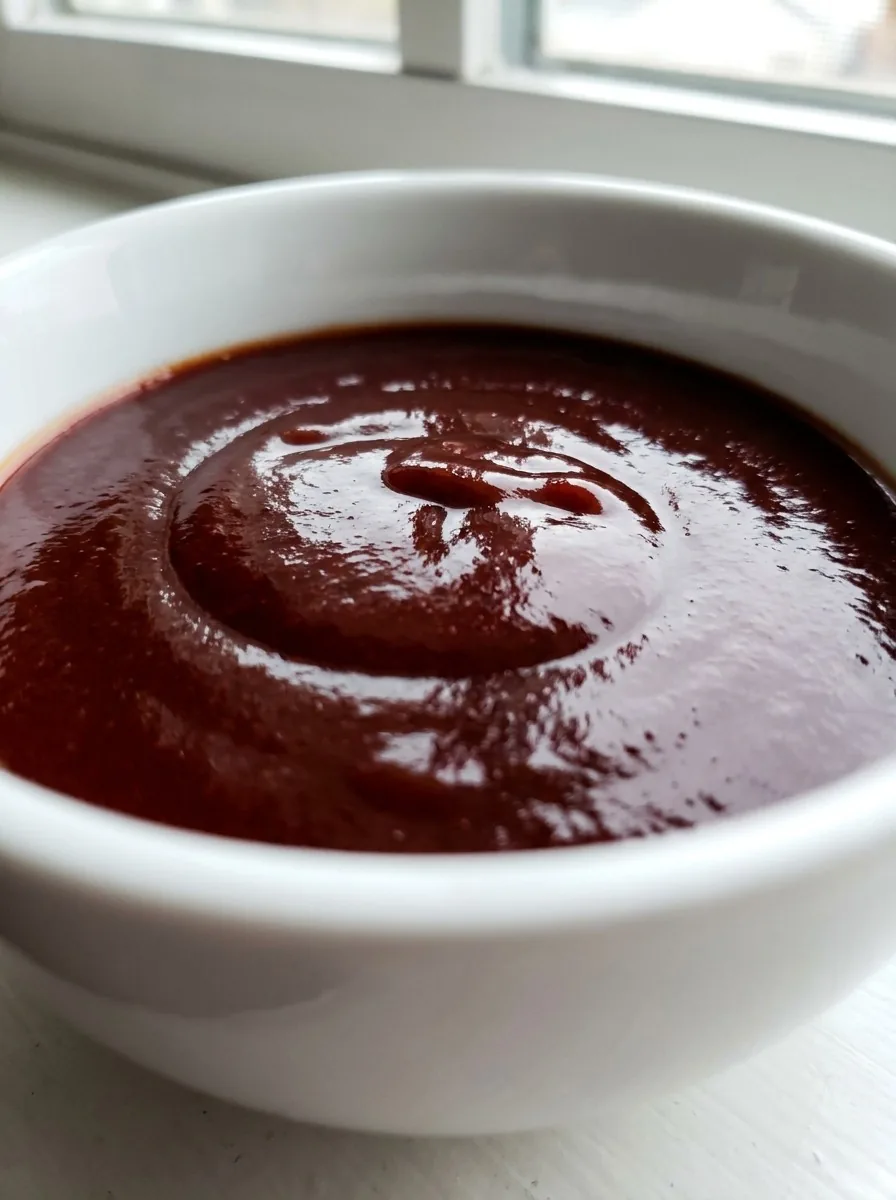
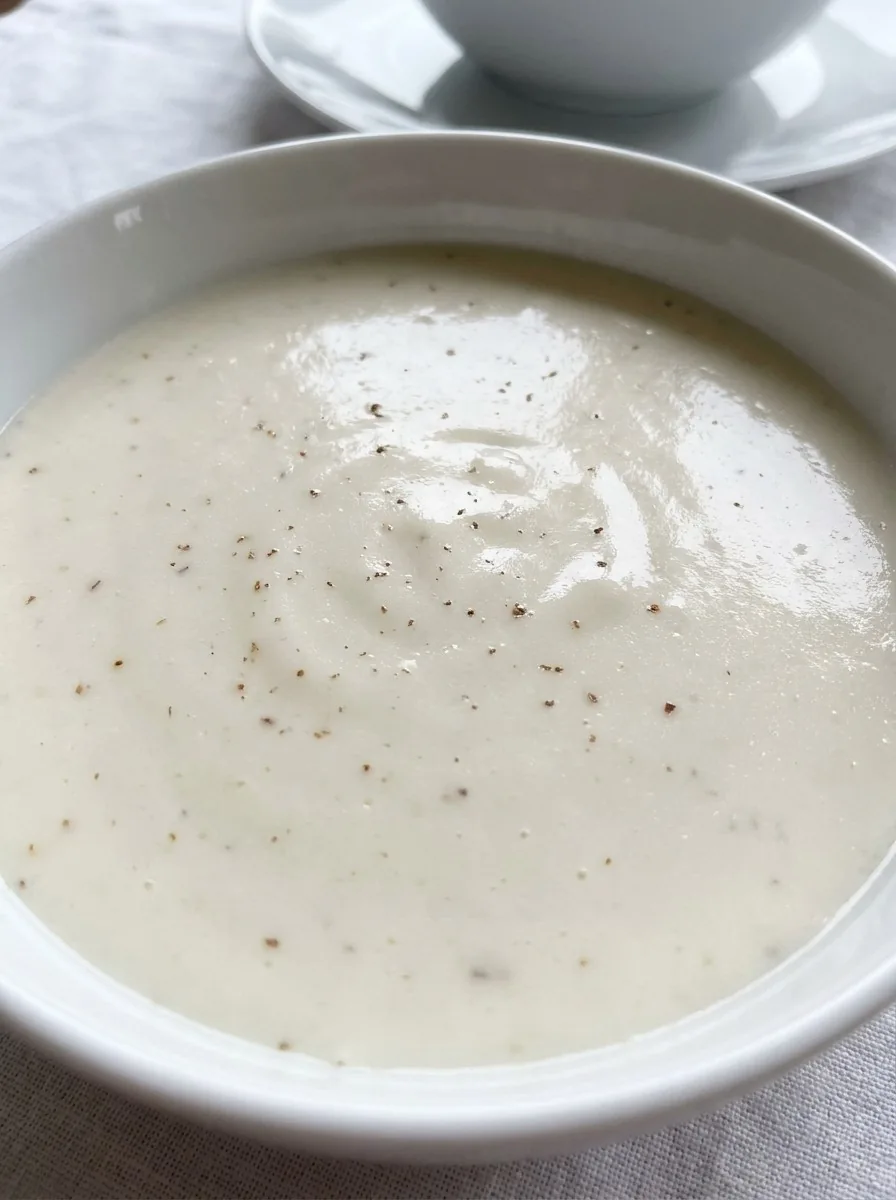
If you like making sauces from scratch, try our alfredo sauce, arrabbiata sauce, bbq sauce and bearnaise sauce next.
Keeping It Fresh
Transfer any leftover sauce to a shallow airtight container and refrigerate within two hours. The butter will solidify, but you can bring it back to a pourable state by gently reheating it over a bain‑marie while whisking.
Avoid microwaving, as rapid heating can cause the emulsion to break. If the sauce separates after storage, whisk in a teaspoon of warm water or a small pat of cold butter until it recombines.
Wrapping Up
Beurre blanc is a testament to the elegance that can emerge from simple pantry staples when technique is applied thoughtfully. By mastering the reduction, temperature control, and steady whisking, you gain a versatile sauce that elevates everyday dishes to restaurant quality. Whether you serve it warm over fish, cold as a drizzle for vegetables, or use it as a foundation for more complex preparations, this classic French sauce will become a reliable tool in your culinary repertoire. Happy cooking, and enjoy the buttery brilliance of your homemade beurre blanc!
Frequently Asked Questions
Can I use red wine instead of white wine?
Red wine will change the color and flavor profile dramatically, turning the sauce a deep amber and adding tannins that can make emulsification harder. For a classic beurre blanc, stick with a dry white wine.
What if the sauce splits?
If the butter separates, return the sauce to low heat and whisk in a tablespoon of cold water or an extra cube of butter gradually; the added liquid helps re‑emulsify the mixture.
Can I make beurre blanc ahead of time?
Yes, you can prepare it up to an hour in advance, then gently re‑warm it over a bain‑marie while whisking to restore its silky texture.
Is it okay to use salted butter?
Using salted butter is possible, but you’ll need to reduce or omit the added salt to avoid over‑seasoning.
How long does beurre blanc keep in the refrigerator?
Stored in an airtight container, it will stay fresh for 2‑3 days; reheat gently and whisk before serving.
◆ ◆ ◆
← Back to ingredientsGet new sauce recipes
One tasty homemade sauce in your inbox each week. No spam, unsubscribe anytime.