Classic Bechamel White Sauce: Step-by-Step Instructions
On this page
Pro Tips for Better Results
Use a heavy‑bottomed saucepan to avoid hot spots that can scorch the roux. Keep the butter and flour at a 1:1 weight ratio for a stable thickening agent. Warm the milk slightly before adding it to the roux; this reduces the temperature shock that can cause lumps. If the sauce becomes too thick, whisk in a splash of extra milk until the desired consistency is reached. For an ultra‑silky finish, strain the finished béchamel through a fine‑mesh sieve before serving.
Instructions
- Melt the butter in a medium saucepan over medium‑low heat, allowing it to foam without browning, which preserves the delicate flavor of the sauce.
- Add the flour to the melted butter, whisking constantly for about one minute to form a blond roux; this cooks out the raw flour taste and creates the thickening base.
- Gradually pour the whole milk into the roux while whisking vigorously, ensuring each addition is fully incorporated before the next, which prevents lumps.
- Raise the heat to medium and continue whisking until the mixture thickens and begins to gently bubble, about three to four minutes, signaling that the starches have gelatinized.
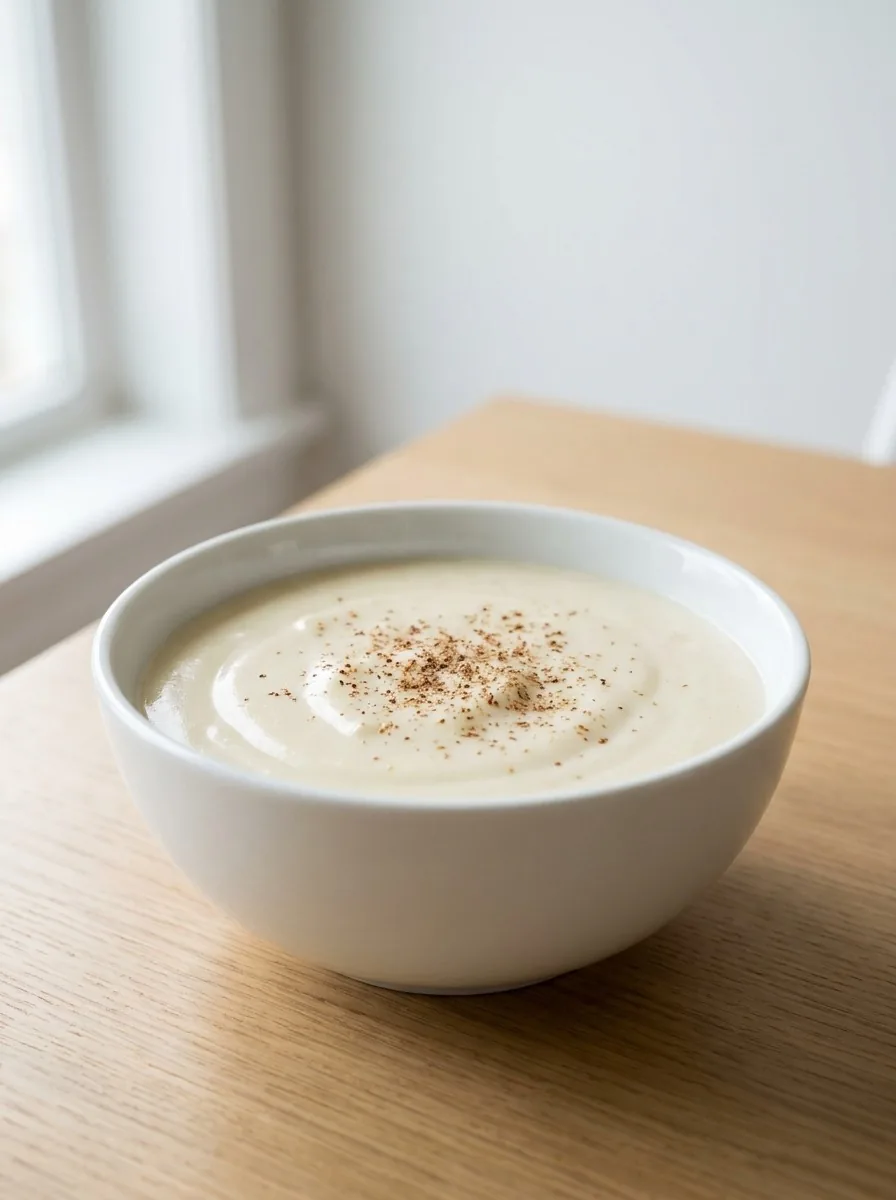
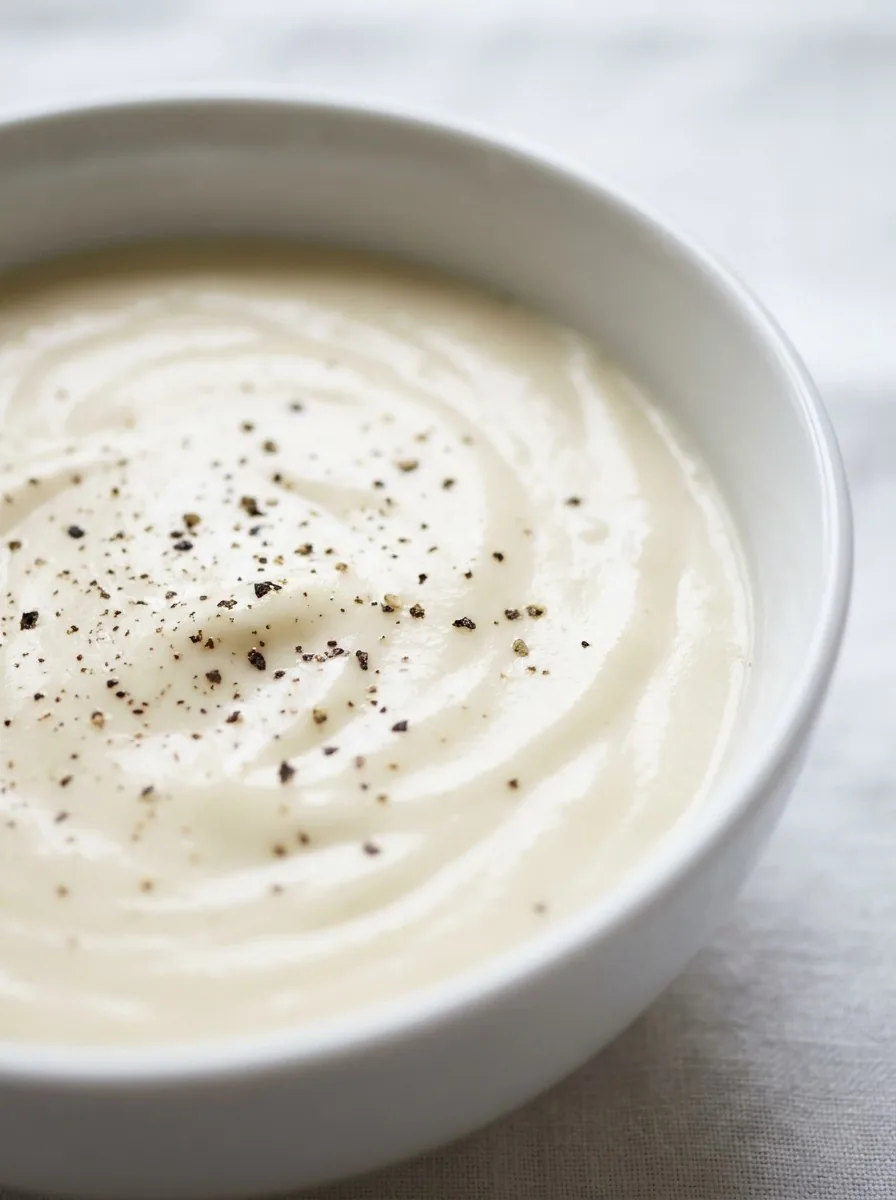
- Season with salt, white pepper, and a pinch of nutmeg; the nutmeg adds a warm, subtle note that is characteristic of classic béchamel.
- If using, stir in the bay leaf, Dijon mustard, and minced garlic, allowing them to infuse the sauce for an additional minute; the mustard adds depth while the garlic offers a faint aromatic backdrop.
- Remove the saucepan from the heat and discard the bay leaf; whisk the sauce for another 15 seconds to smooth any remaining bubbles.
- Taste and adjust seasoning if needed, then transfer the béchamel to a warm bowl, covering the surface with plastic wrap to prevent a skin from forming.
Recipe Variations
Swap whole milk for half‑and‑half for an even richer sauce, or use a plant‑based milk such as oat or almond for a dairy‑free version—just be aware that the flavor will shift slightly. Adding a tablespoon of grated Parmesan at the end creates a quick Mornay sauce perfect for vegetables or baked pasta. For a herb‑infused béchamel, steep fresh thyme or sage in the milk before whisking it into the roux, then strain out the herbs.
Serving Ideas
Drizzle the béchamel over steamed cauliflower and bake until golden for a low‑carb gratin. Toss it with cooked elbow macaroni, a handful of shredded cheddar, and a breadcrumb topping for a classic macaroni and cheese. Layer the sauce between sheets of lasagna noodles, meat sauce, and mozzarella for a comforting baked dish. Use it as the base for a creamy mushroom soup by adding sautéed mushrooms and vegetable stock.
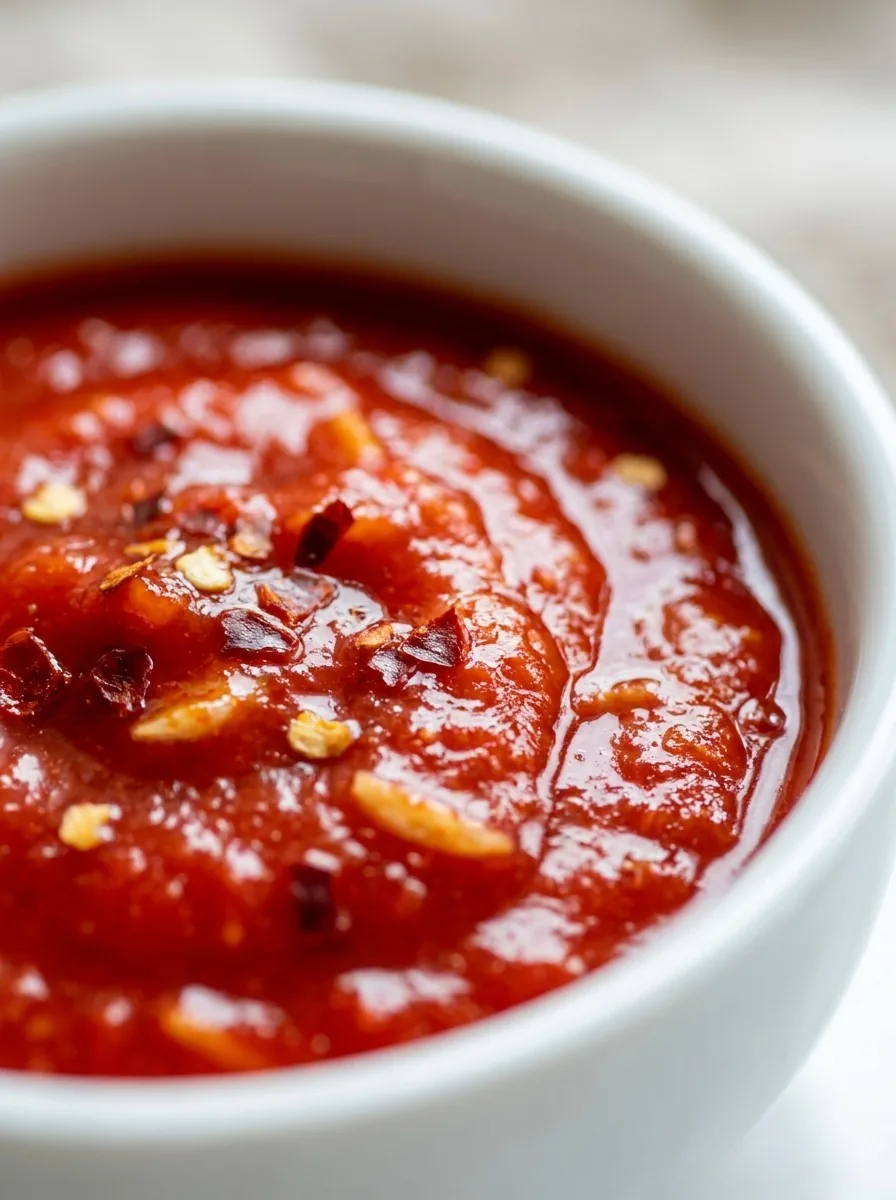
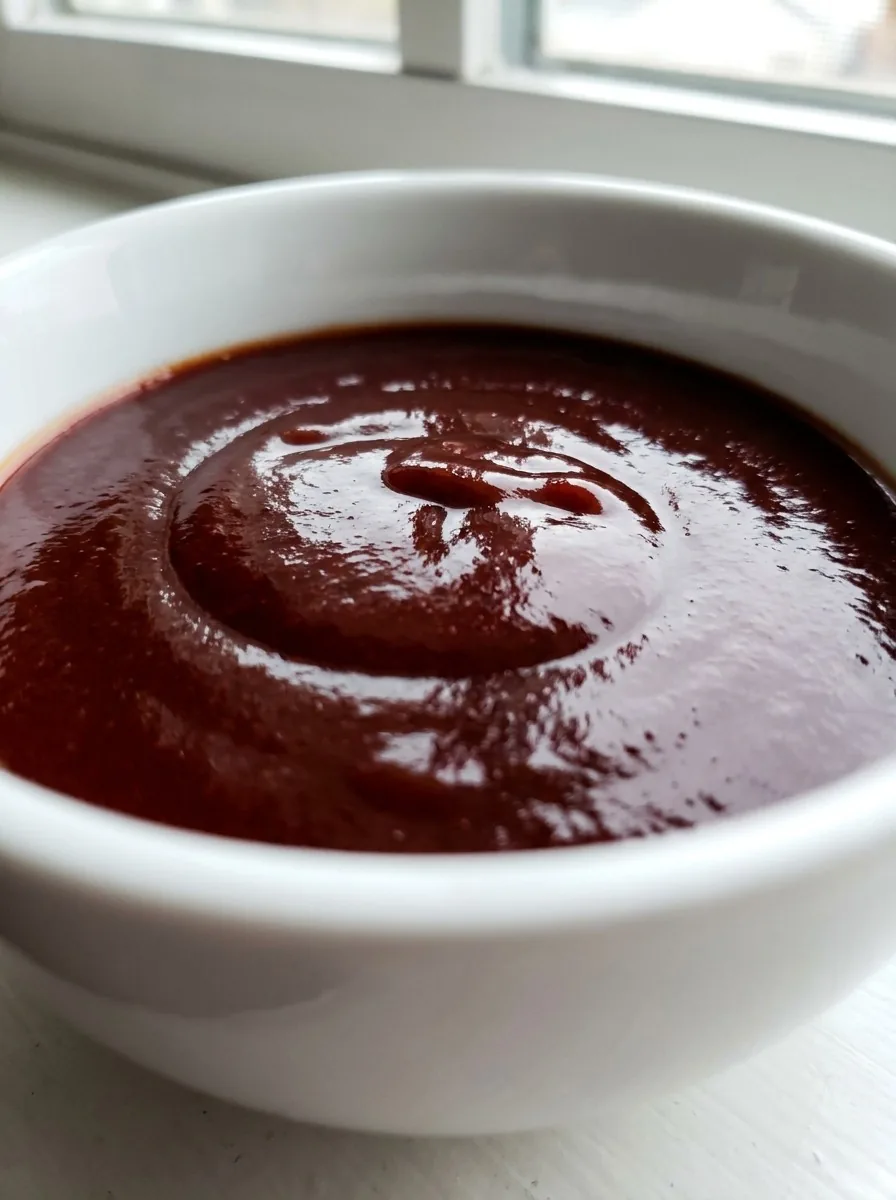
If you like making sauces from scratch, try our red enchilada sauce, sweet and sour sauce, creamy Alfredo sauce next.
Keeping It Fresh
Store leftover béchamel in an airtight container in the refrigerator for up to two days. To prevent a skin from forming, place a piece of parchment paper directly on the surface before sealing. When reheating, do so over low heat and whisk in a splash of milk to restore the original consistency. If the sauce separates, vigorously whisk until it emulsifies again.
Wrapping Up
Mastering béchamel is a foundational skill that opens the door to a world of French sauces and comfort foods. By respecting the temperature, timing, and technique outlined above, you’ll consistently produce a sauce that is velvety, flavorful, and adaptable. Keep the basic recipe on hand, experiment with variations, and let this white sauce become a reliable partner in your kitchen adventures.
Frequently Asked Questions
Can I use low‑fat milk instead of whole milk?
Low‑fat milk will work, but the sauce will be less rich and may be slightly thinner; you can compensate by adding a little extra butter.
How do I prevent lumps in the sauce?
Whisk continuously while adding the milk, and ensure the roux is cooked just until blond before liquid is introduced; a fine‑mesh sieve can also be used to strain the finished sauce.
Can I make béchamel ahead of time?
Yes, store it in the refrigerator for up to two days; reheat gently over low heat, adding a splash of milk and whisking to restore its smooth texture.
Is it okay to add cheese directly to this béchamel?
Absolutely; adding grated cheese after the sauce is off the heat creates a simple cheese sauce, but add the cheese gradually to avoid clumping.
What is the purpose of the optional bay leaf?
The bay leaf imparts a faint herbal aroma that deepens the flavor profile without overwhelming the classic neutrality of béchamel.
◆ ◆ ◆
← Back to ingredientsGet new sauce recipes
One tasty homemade sauce in your inbox each week. No spam, unsubscribe anytime.
Comments (19)