Classic Bearnaise Sauce: Step-by-Step Instructions
On this page
Pro Tips for Better Results
Always use a clean, dry bowl to prevent any moisture from breaking the emulsion. Make sure your butter is at room temperature but not melted, as melted butter is more difficult to incorporate smoothly. Whisk vigorously at first to incorporate air and create a light base, then switch to a steady rhythm when adding the butter. If your sauce starts to look grainy, stop adding butter and whisk in a teaspoon of warm water to rescue it.
Instructions
- Place the egg yolks, vinegar, mustard, salt, and pepper in a heat-proof bowl and whisk until combined. This base needs to be fully blended before applying heat to ensure even cooking.
- Set the bowl over a saucepan with 1 inch of simmering water, ensuring the bottom of the bowl does not touch the water. This indirect heat method prevents the eggs from scrambling while allowing them to thicken safely.
- Whisk the mixture constantly and vigorously until it thickens and falls off the whisk in a ribbon. This stage, known as montee, creates the initial emulsion that will hold the butter.
- Remove the bowl from the heat immediately once the mixture reaches the ribbon stage. Continuing to heat it would cook the proteins too much, leading to a grainy texture.
- Begin adding the cubed butter one piece at a time, whisking rapidly after each addition. Adding the fat slowly allows the emulsion to stabilize and prevents separation.
- Continue adding the butter until all is incorporated, maintaining a steady whisking motion. The sauce should become thick, glossy, and pale yellow in color.
- If the sauce becomes too thick, whisk in the warm water one teaspoon at a time until it reaches your desired consistency. This step adjusts the viscosity without breaking the emulsion.
- Stir in the lemon juice and cayenne pepper to brighten the flavor profile. The acidity cuts through the richness of the butter and egg yolks.
- Fold in the chopped chives just before serving to preserve their vibrant green color and fresh taste. Chives add a mild oniony note that complements the buttery base.
- Serve the Bearnaise immediately while warm, or let it cool to room temperature before serving cold. The sauce remains stable at both temperatures if made correctly.
Recipe Variations
You can customize Bearnaise to suit different dishes by adding herbs or spices. For a garlic Bearnaise, add a minced clove of garlic to the egg mixture before heating. For a spicy version, increase the cayenne pepper to 1/4 teaspoon. You can also use red wine vinegar instead of white for a deeper, more complex flavor. Experiment with different herbs like tarragon or parsley to change the aromatic profile. These variations allow you to tailor the sauce to specific meats or vegetables.
Serving Ideas
Bearnaise is a classic pairing for grilled steaks, particularly ribeye or sirloin. It also works well with roasted asparagus, broccoli, or potatoes. For a lighter option, serve it over poached salmon or white fish. It can be used as a dipping sauce for fried chicken or as a topping for mashed potatoes. The rich flavor of the sauce complements hearty meats and earthy vegetables beautifully. Ensure the sauce is served warm for the best texture and flavor.
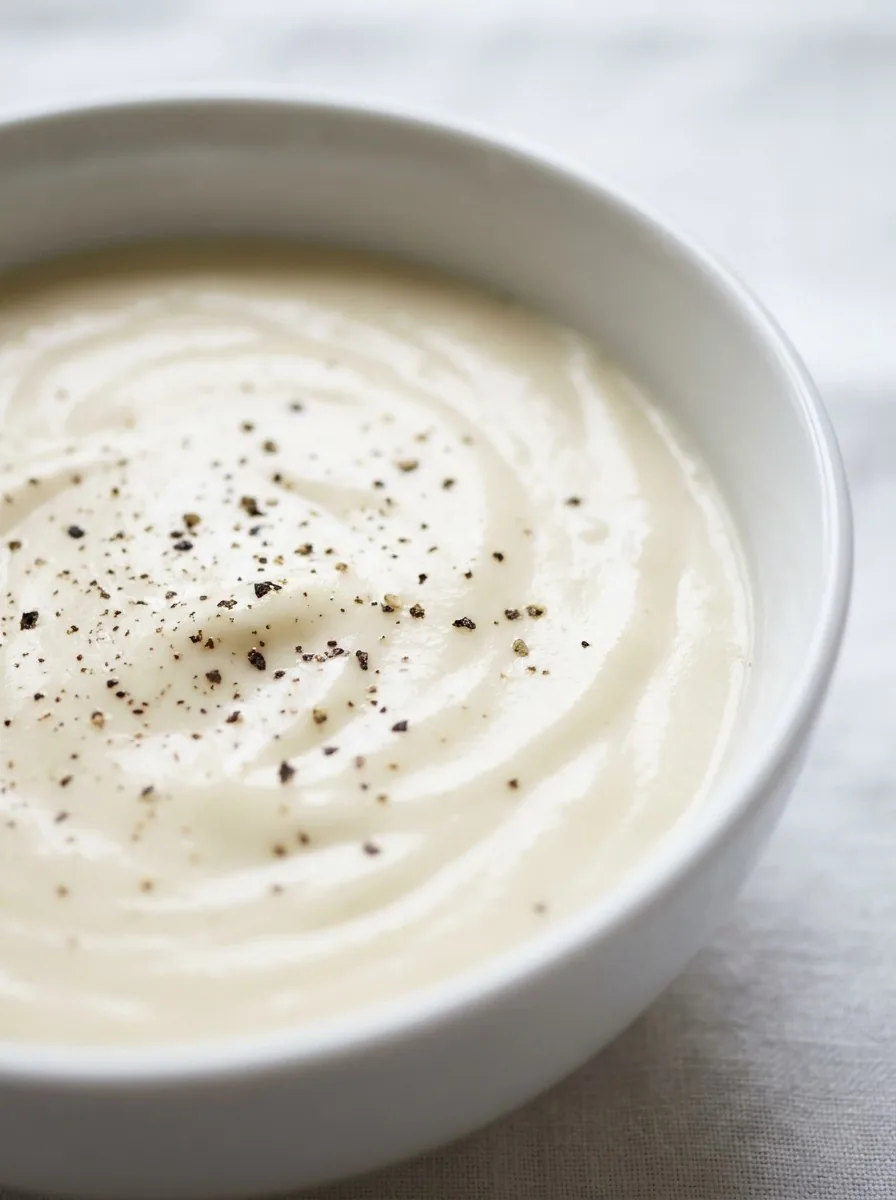
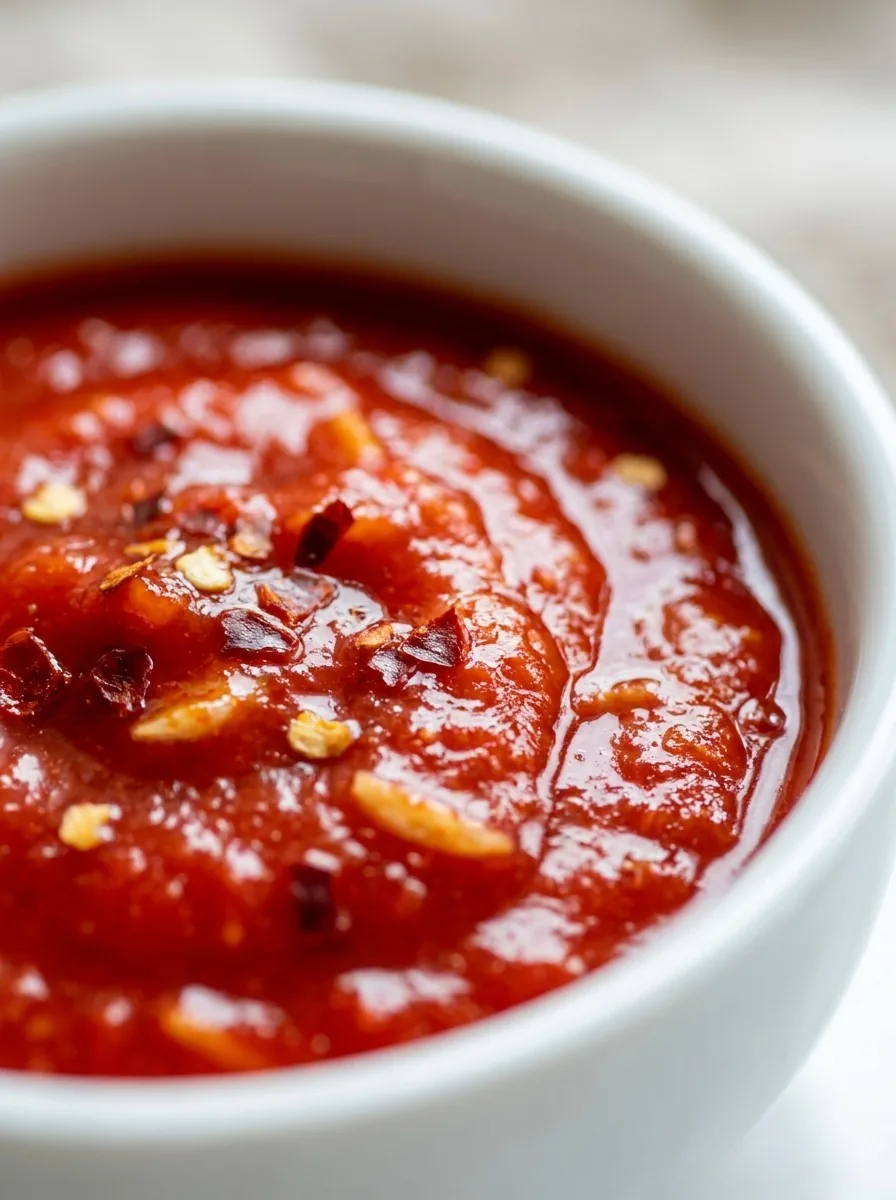
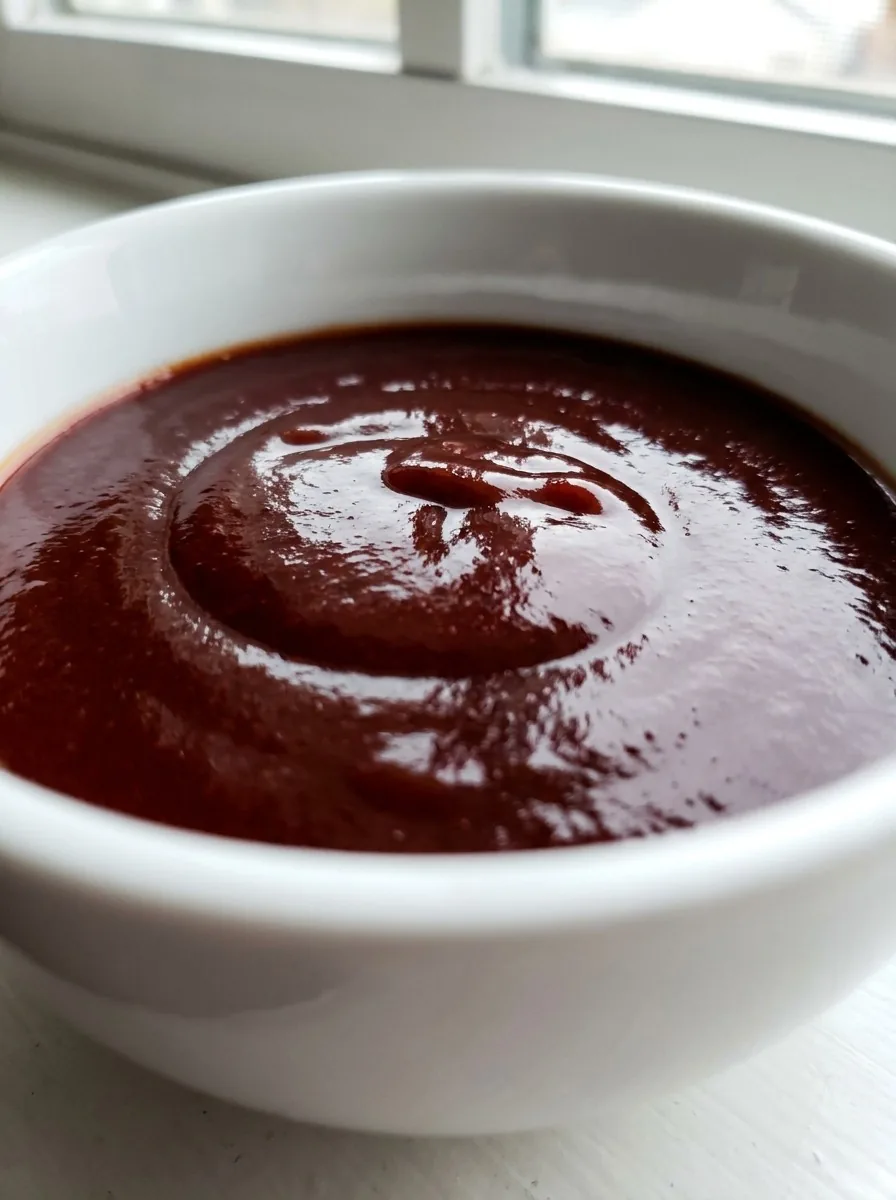
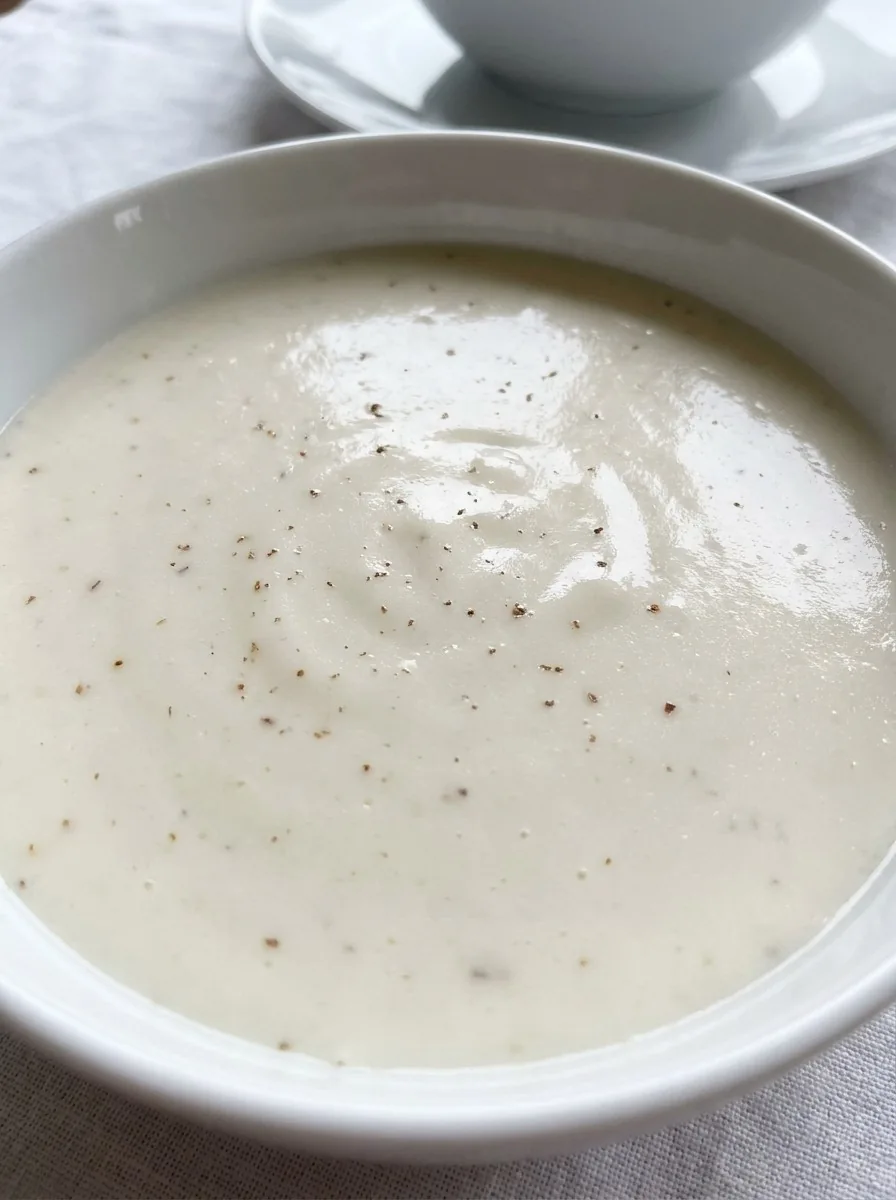
If you like making sauces from scratch, try our alfredo sauce, arrabbiata sauce, bbq sauce and bechamel white sauce next.
Keeping It Fresh
Bearnaise is best enjoyed fresh, but it can be stored in the refrigerator for up to 4 days. Place plastic wrap directly on the surface of the sauce to prevent a skin from forming. When reheating, use a double boiler and whisk gently to restore the emulsion. Do not microwave the sauce, as the uneven heat can cause it to break. If the sauce has separated, try whisking in a small amount of warm water to re-emulsify it. Proper storage ensures the sauce remains safe and flavorful.
Wrapping Up
Making Bearnaise sauce from scratch is a rewarding culinary skill that enhances any meal. With practice, you will learn to control the temperature and timing needed for a perfect emulsion. The result is a rich, creamy sauce that elevates simple dishes to restaurant quality. Do not be discouraged if your first attempt breaks; it is a common experience and easily fixed. Once you master this technique, you will have a versatile sauce that pairs with a wide variety of foods. Enjoy the process and the delicious outcome.
Frequently Asked Questions
Why did my Bearnaise sauce break?
Sauce breaks when the butter is added too quickly or if the egg mixture is too hot. To fix it, start a clean bowl with a teaspoon of warm water, whisk in the broken sauce slowly, then resume adding butter.
Can I make Bearnaise in advance?
Yes, you can make it up to 4 hours in advance. Let it cool to room temperature, cover tightly with plastic wrap touching the surface, and refrigerate. Reheat gently in a double boiler, whisking constantly.
What can I substitute for white wine vinegar?
You can use red wine vinegar or lemon juice. The acid level is crucial for the emulsion, so ensure you use an equivalent amount of acid to maintain the balance.
Is Bearnaise safe to eat if I don't cook the eggs fully?
The eggs are pasteurized by the warm water bath. As long as the mixture reaches 160°F (71°C), it is safe to eat. Using pasteurized egg yolks is an extra precaution if you have concerns.
Why is my sauce too thick?
Add a small amount of warm water or lemon juice, whisking until smooth. This adjusts the consistency without diluting the flavor significantly.
◆ ◆ ◆
← Back to ingredientsGet new sauce recipes
One tasty homemade sauce in your inbox each week. No spam, unsubscribe anytime.