Spicy Arrabbiata Sauce: Step-by-Step Instructions
On this page
Pro Tips for Better Results
For an extra smoky note, char the onion and garlic on a hot skillet before adding the oil. Adding a splash of dry red wine during the simmer phase deepens the tomato flavor without altering the heat. If you prefer a thicker sauce, let it reduce uncovered for a few more minutes. Finally, finish with a drizzle of high‑quality olive oil for silky texture and a hint of fruitiness.
Instructions
- Heat the olive oil in a medium skillet over medium heat until shimmering but not smoking; this ensures the oil coats the aromatics evenly without burning.
- Add the diced onion and sauté for 3‑4 minutes until translucent, stirring frequently to prevent sticking; the onion releases sweetness that balances the heat.
- Stir in the minced garlic and red pepper flakes, cooking for an additional 30 seconds until fragrant; garlic's volatile compounds are best released at lower heat to avoid bitterness.
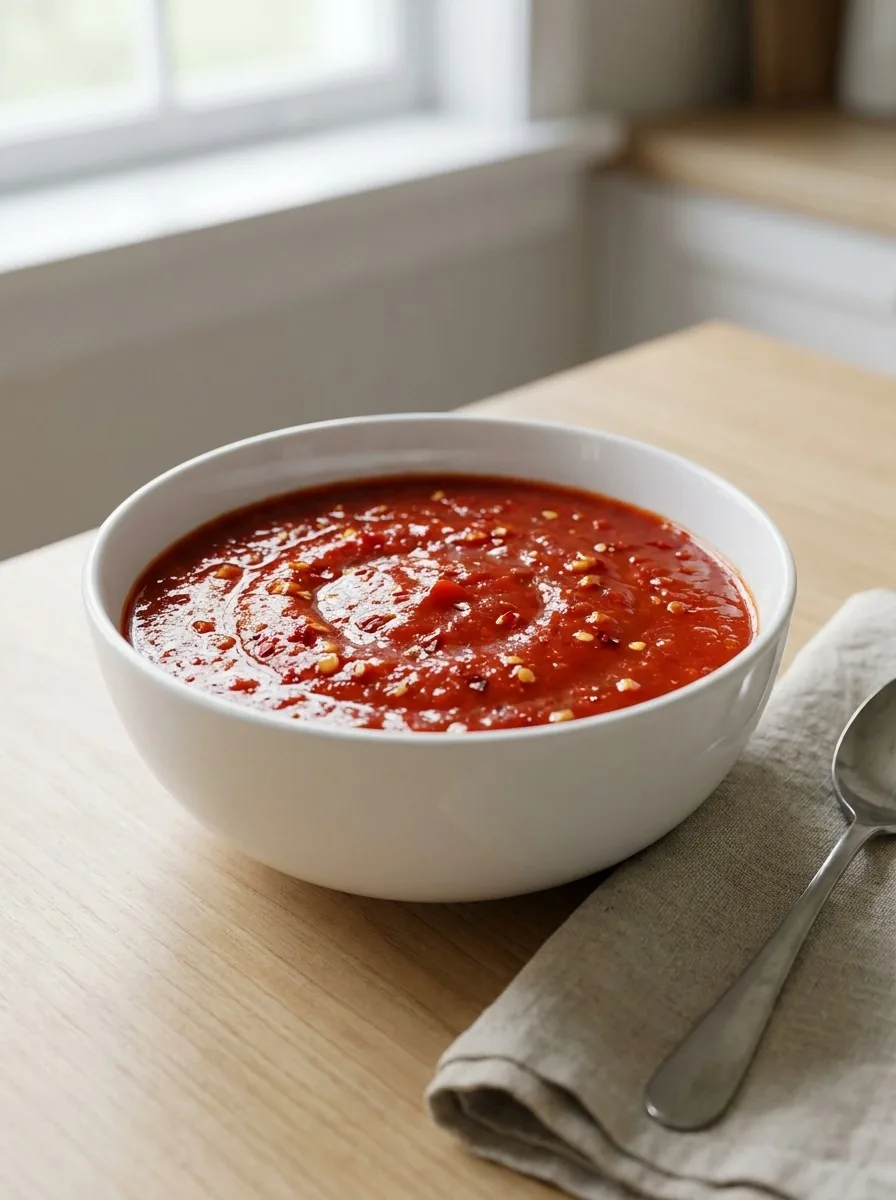
- Pour in the crushed tomatoes and tomato puree, stirring to combine; the blend of crushed and puree gives a smooth yet textured sauce.
- Add oregano, basil, salt, and pepper; simmer uncovered for 8 minutes, allowing the flavors to meld; simmering reduces acidity and thickens the sauce.
- Reduce the heat to low and let the sauce bubble gently for 4 minutes, stirring occasionally; this step concentrates the tomato flavor without scorching the bottom.
- Stir in fresh basil and parsley, removing the pan from heat; fresh herbs add bright aroma and a pop of color.
- Taste and adjust seasoning if needed; a pinch of sugar can balance acidity, but avoid over‑sweetening.
- Serve immediately over pasta, or let cool to room temperature for use in salads or as a dip; the sauce remains flavorful whether hot or cold.
Recipe Variations
Swap the crushed tomatoes for sun‑dried tomato paste to add depth. For a meaty twist, sauté sliced Italian sausage with the onions before adding the tomatoes. If dairy is an option, stir in a tablespoon of grated Parmesan at the end. For a vegan version, replace the olive oil with a neutral oil and omit any non‑vegan ingredients. A splash of balsamic vinegar can introduce a subtle tang that complements the heat.
Serving Ideas
Pour the sauce over al dente spaghetti and top with a sprinkle of fresh basil. Spread it on a pizza crust for a spicy tomato base before baking. Use it as a dipping sauce for toasted baguette slices. Toss with roasted vegetables for a hearty side dish. In salads, drizzle the cooled sauce over a bed of arugula and cherry tomatoes for a zesty dressing.
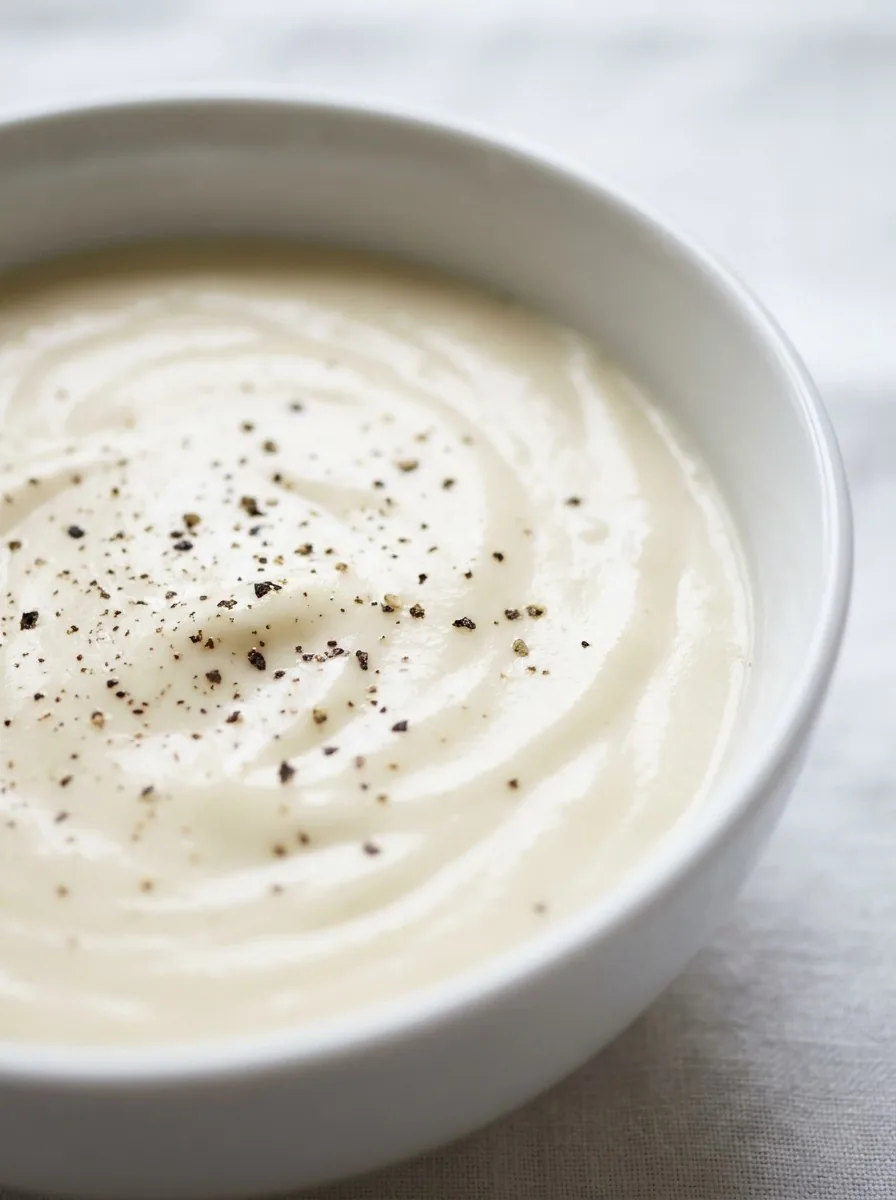
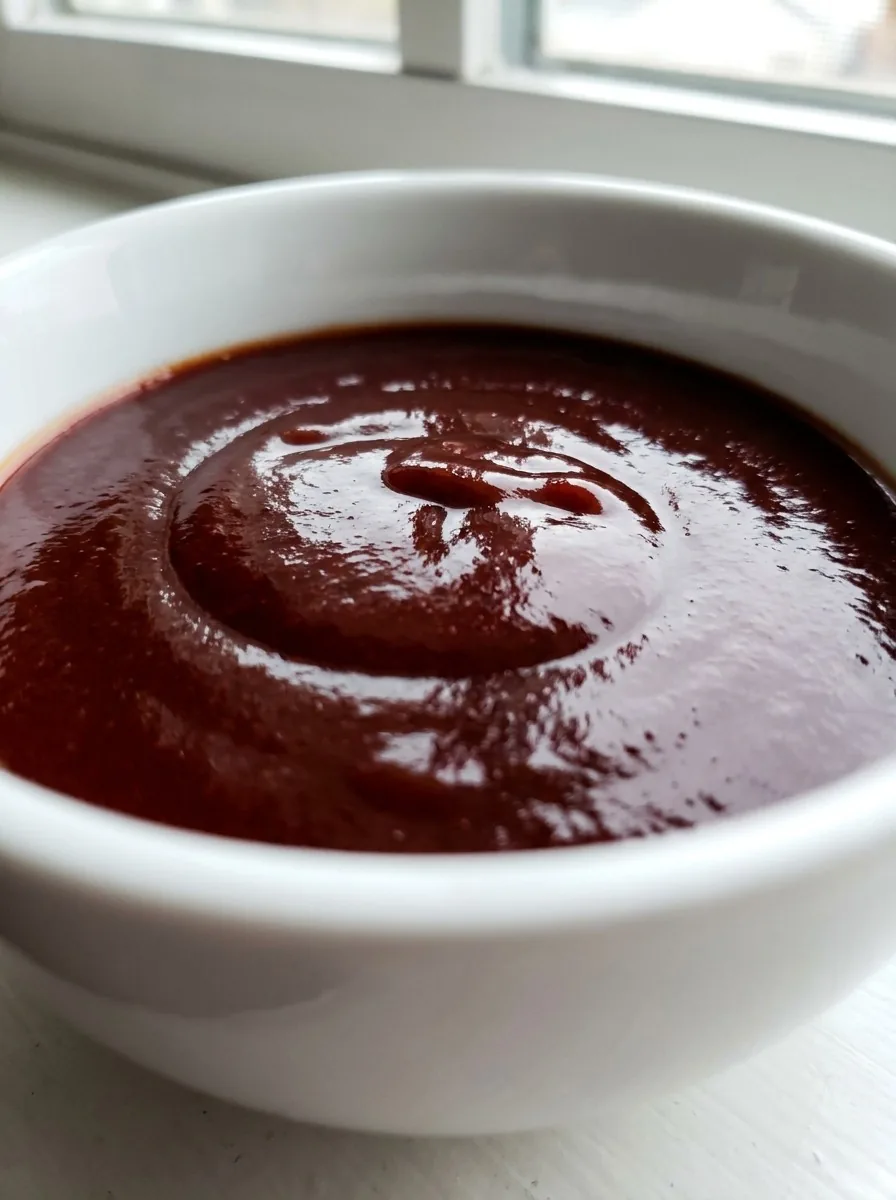
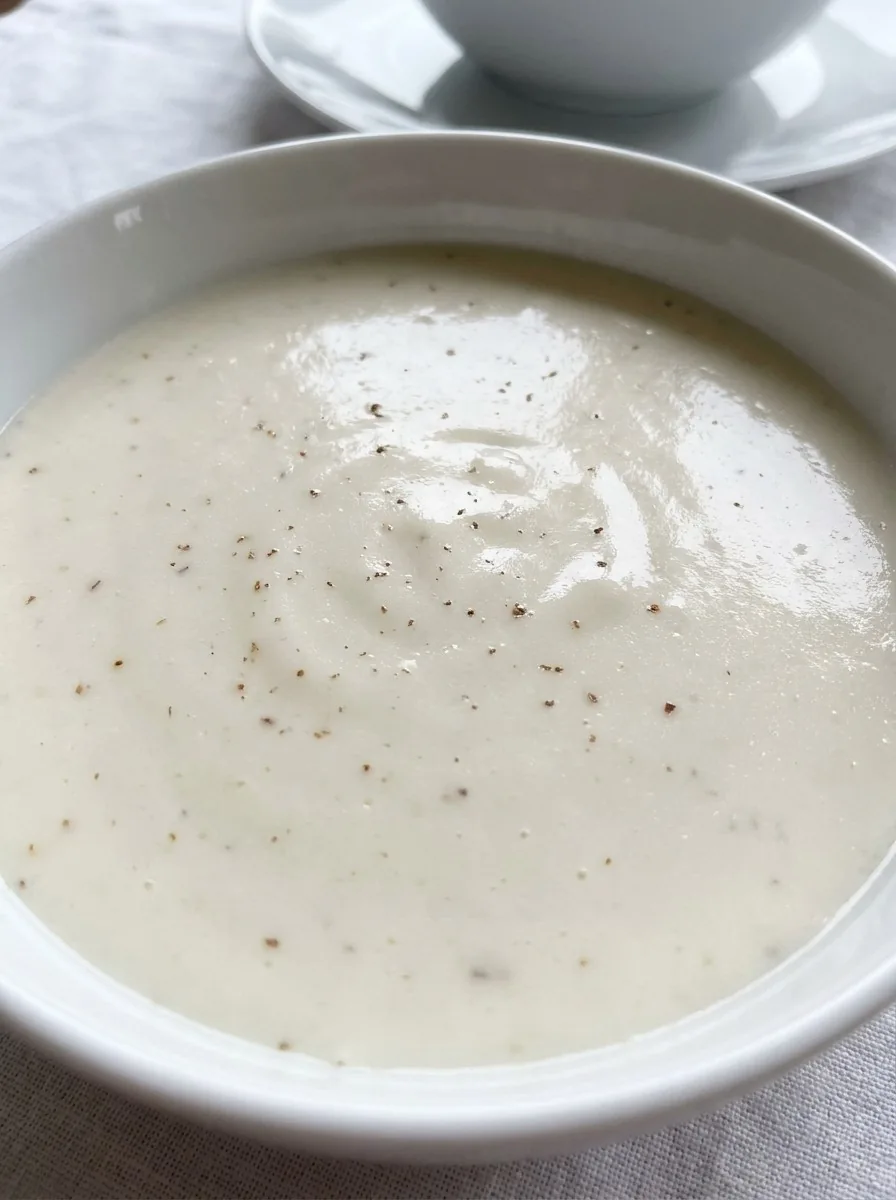
If you like making sauces from scratch, try our alfredo sauce, bbq sauce, bechamel white sauce and bolognese meat sauce next.
Keeping It Fresh
Store the sauce in a glass jar with a tight lid; refrigerate for up to five days. For longer storage, portion into freezer‑safe containers and freeze for up to three months. When reheating, add a splash of water or broth to loosen the consistency. Keep the sauce chilled if serving cold; it will maintain its bright color and flavor. Avoid refreezing once thawed to preserve quality.
Wrapping Up
This homemade arrabbiata sauce proves that a few pantry staples can deliver a punch of authentic Italian flavor. The recipe’s quick turnaround makes it ideal for busy weeknights, while its versatility keeps it from becoming routine. Whether you’re a novice cook or a seasoned pro, the clear steps and practical tips ensure a satisfying result every time. Enjoy the sauce hot over pasta or chilled as a versatile condiment, and feel confident that you’ve created a dish worthy of any table.
Frequently Asked Questions
Can I store the sauce for later use?
Yes, refrigerate in an airtight container for up to five days or freeze for up to three months. Thaw in the refrigerator overnight and reheat gently.
How long does the sauce keep at room temperature?
It should not stay out for more than two hours to avoid bacterial growth. If you plan to serve it cold, keep it chilled until ready.
Can I make it spicier?
Increase the red pepper flakes or add a pinch of cayenne pepper. Stir in a small amount of fresh crushed red pepper for an extra kick.
What pasta pairs best with this sauce?
Spaghetti, penne, or rigatoni are classic choices. The sauce clings well to tube shapes that hold the heat.
Is this sauce gluten‑free?
Yes, as long as you use a gluten‑free tomato product and avoid any added sauces that contain wheat. The base ingredients are naturally gluten‑free.
◆ ◆ ◆
← Back to ingredientsGet new sauce recipes
One tasty homemade sauce in your inbox each week. No spam, unsubscribe anytime.
Comments (7)