Creamy Homemade Alfredo Sauce: Step-by-Step Instructions
On this page
Pro Tips for Better Results
Always grate your own cheese, as store-bought shreds often contain potato starch that prevents proper melting. Keep your heat low when adding cheese; high heat causes the casein proteins to seize up and form lumps. If the sauce separates, do not panic. Remove it from the heat and whisk in a teaspoon of cold water or lemon juice to re-emulsify the mixture. Straining the sauce through a fine-mesh sieve before serving can also remove any remaining nutty bits for a perfectly uniform texture.
Instructions
- Place the heavy cream in a medium saucepan over medium heat and bring it to a gentle simmer, ensuring it bubbles around the edges but does not boil vigorously to prevent splitting.
- Meanwhile, add the unsalted butter to a separate skillet over medium-low heat and let it melt completely, swirling the pan occasionally to keep the temperature even.
- Add the minced garlic to the melted butter and cook for thirty seconds until fragrant, being careful not to let it brown as burnt garlic introduces a bitter flavor that clashes with the dairy.
- Reduce the heat under the simmering cream to low and slowly sprinkle in the grated Parmesan cheese while whisking constantly to help the proteins emulsify with the liquid.
- Pour the garlic-butter mixture into the cream-cheese mixture in a thin stream while whisking vigorously to create a stable emulsion that binds the fats and liquids together.
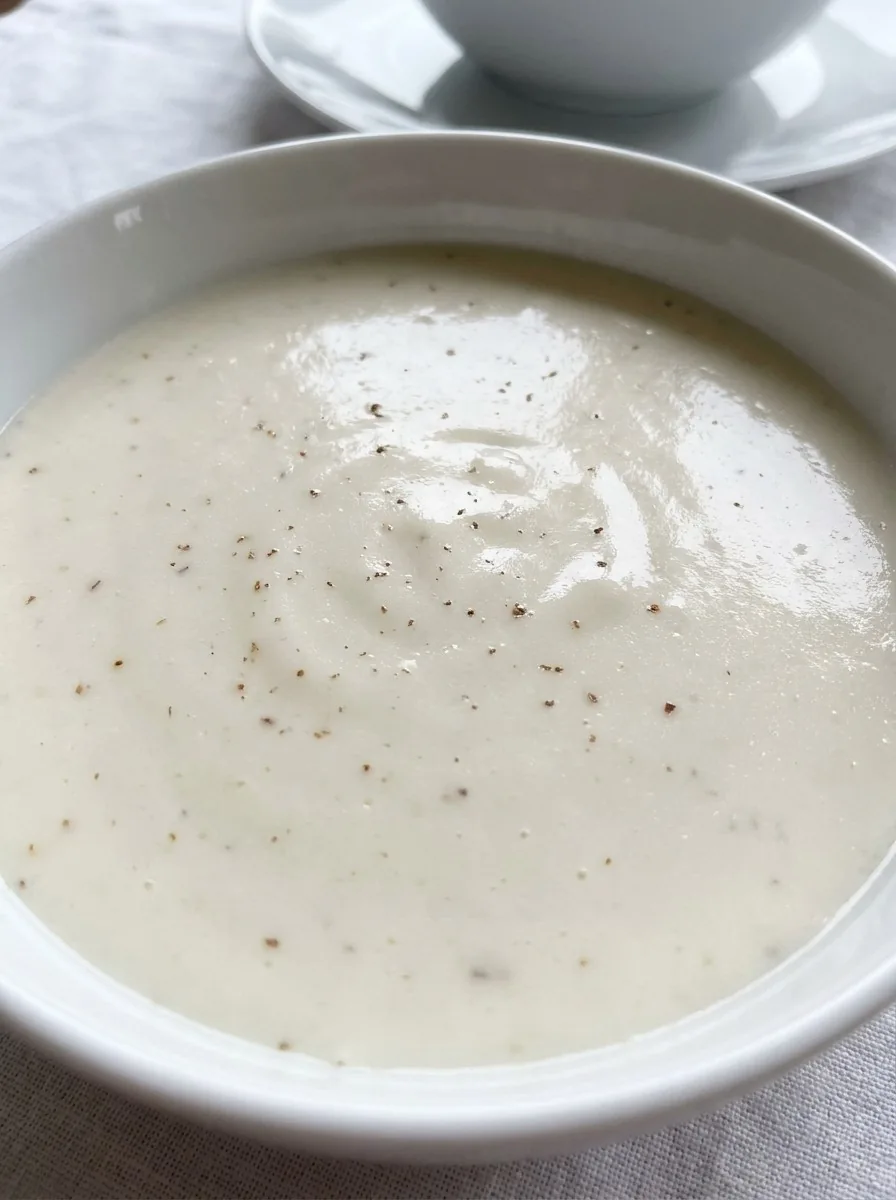
- Continue whisking the sauce for two to three minutes until it has thickened enough to coat the back of a spoon, which indicates the proteins have fully integrated with the cream.
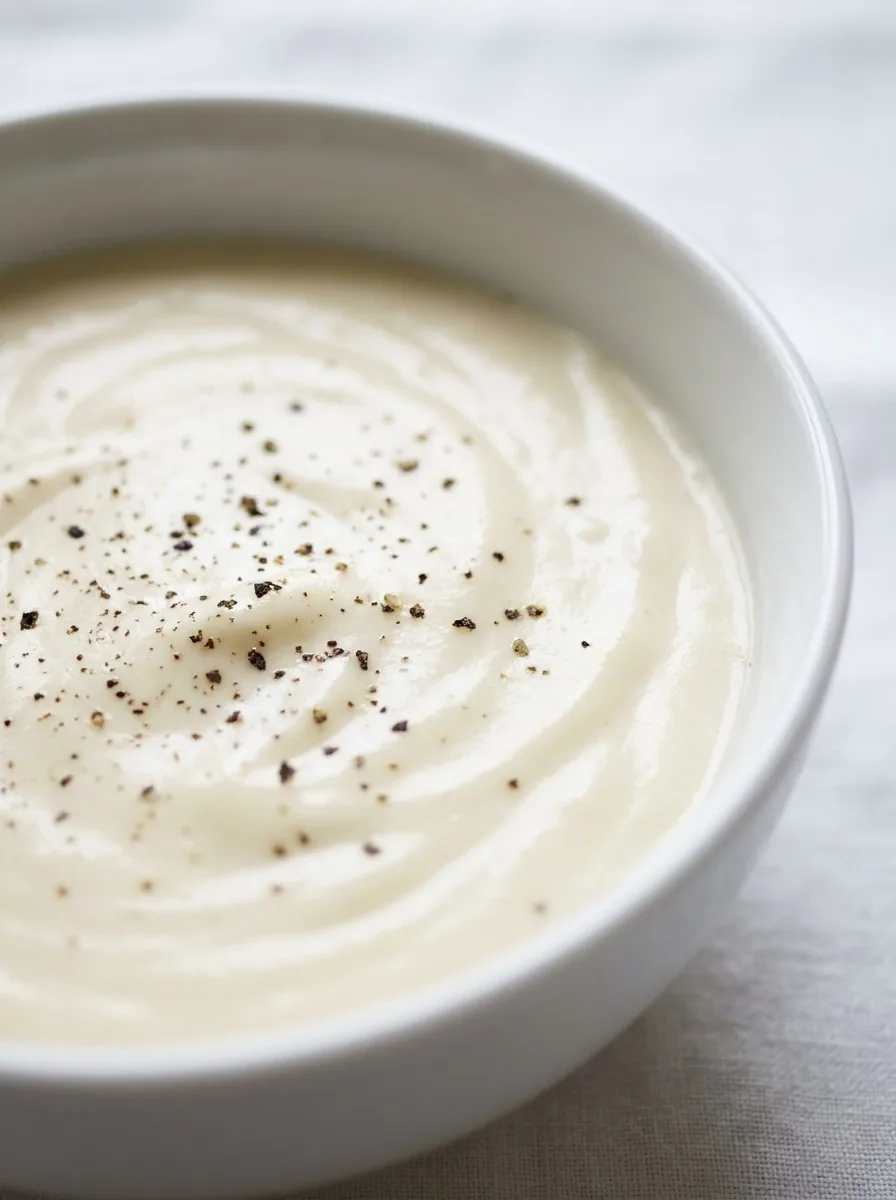
- Stir in the pinch of grated nutmeg and the cracked black pepper, as these aromatics enhance the richness of the dairy and add necessary depth to the flavor profile.
- Taste the sauce and add the fine sea salt only now, since the Parmesan is already salty and adding salt too early can make the final product overly seasoned.
- If the sauce becomes too thick or seizes, whisk in a tablespoon of warm pasta water or cool water to loosen it to the desired pourable consistency.
- Remove the sauce from the heat immediately and let it rest for five minutes before serving, allowing the flavors to meld and the temperature to stabilize for better adhesion to pasta.
Recipe Variations
You can adjust the flavor profile by adding a splash of white wine to the cream before adding the cheese, which adds acidity and complexity. For a spicier kick, incorporate a pinch of red pepper flakes into the butter while sauteing the garlic. Some cooks add a small amount of truffle oil at the end of the cooking process for an earthy, gourmet finish. If you prefer a lighter version, you can swap half of the heavy cream for whole milk, though the final sauce will be less rich.
Serving Ideas
This sauce is traditionally paired with fettuccine, but it also works well with penne or pappardelle. Toss the sauce with cooked pasta and fresh spinach, which wilts quickly in the heat of the dish. Added grilled chicken, shrimp, or asparagus makes for a complete protein-rich meal. Garnish with additional fresh Parmesan shavings and chopped fresh parsley just before serving to add color and freshness to the rich, white sauce.
If you like making sauces from scratch, try our homemade BBQ sauce, Greek tzatziki, fresh chimichurri next.
Keeping It Fresh
Reheating alfredo sauce requires patience because dairy products are sensitive to high heat. Warm it gently in a saucepan over low heat, stirring frequently, or use a microwave in short intervals to avoid curdling. If the sauce has thickened too much in the refrigerator, add a tablespoon of warm water or cream while reheating to restore its original consistency. Avoid freezing the sauce, as the emulsion tends to break and separate upon thawing, resulting in a grainy texture.
Wrapping Up
Mastering this sauce is a rite of passage for any home cook who appreciates classic Italian-American flavors. The key is patience with the heat and attention to the emulsification process. Once you understand how the butter and cheese interact with the cream, you can confidently adjust the seasoning and ingredients to suit your taste. This versatile base can be adapted for countless dishes, from simple pasta to more complex entrées. Enjoy the process of creating a sauce that feels both sophisticated and approachable.
Frequently Asked Questions
Why did my alfredo sauce turn out grainy?
Graininess usually occurs when the cheese is added too quickly or the heat is too high, causing the proteins to coagulate rather than emulsify. Ensure the cream is only simmering and add the cheese slowly while whisking constantly.
Can I use pre-shredded cheese?
It is not recommended because pre-shredded cheese contains anti-caking agents like cellulose that prevent it from melting smoothly. Freshly grated Parmesan provides a much silkier texture and better flavor release.
How long does alfredo sauce last in the fridge?
Properly stored in an airtight container, the sauce will keep for up to three days. It may thicken significantly upon cooling, so you will need to loosen it with a splash of cream or pasta water when reheating.
Can I make this sauce vegan?
Yes, you can substitute the butter with olive oil, the cream with cashew cream, and the Parmesan with a nutritional yeast-based vegan parmesan. The emulsification process remains similar.
Should I use salted or unsalted butter?
Always use unsalted butter for sauces. This allows you to control the exact amount of sodium in the dish, which is crucial because the Parmesan cheese already contributes a significant amount of salt.
◆ ◆ ◆
← Back to ingredientsGet new sauce recipes
One tasty homemade sauce in your inbox each week. No spam, unsubscribe anytime.
Comments (7)